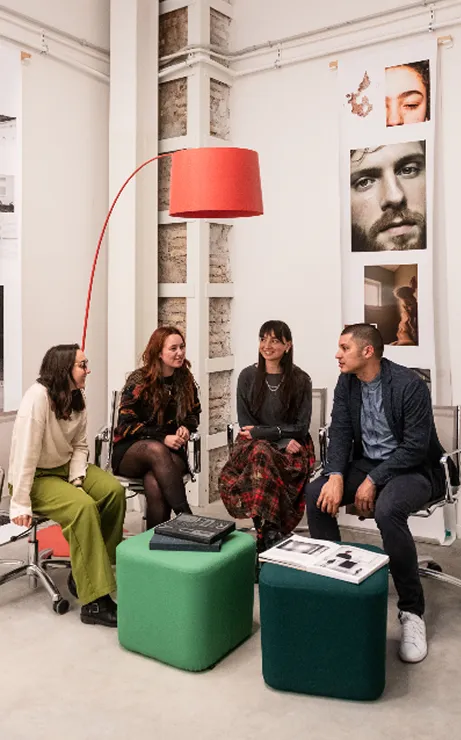
In the global acceleration of the present, it is necessary to reflect on the meaning of contemporary fashion, understanding the impact it has on the environment, understood as the natural, cultural and social habitat where everything is interconnected. Today, fashion companies are required to reduce their unsustainability in order to guide the fashion industry towards a genuine ecological transition. This is the opportunity now available to young fashion designers: to learn how to develop a way of thinking that is creative, yet conscious of the impact of their approach to fashion.
Sustainable Fashion Design
DURATION > 3 YEARS
LANGUAGE > ITALIAN or ENGLISH
COURSE START > OCTOBER
LOCATION > ROME
Fashion Is Civilization
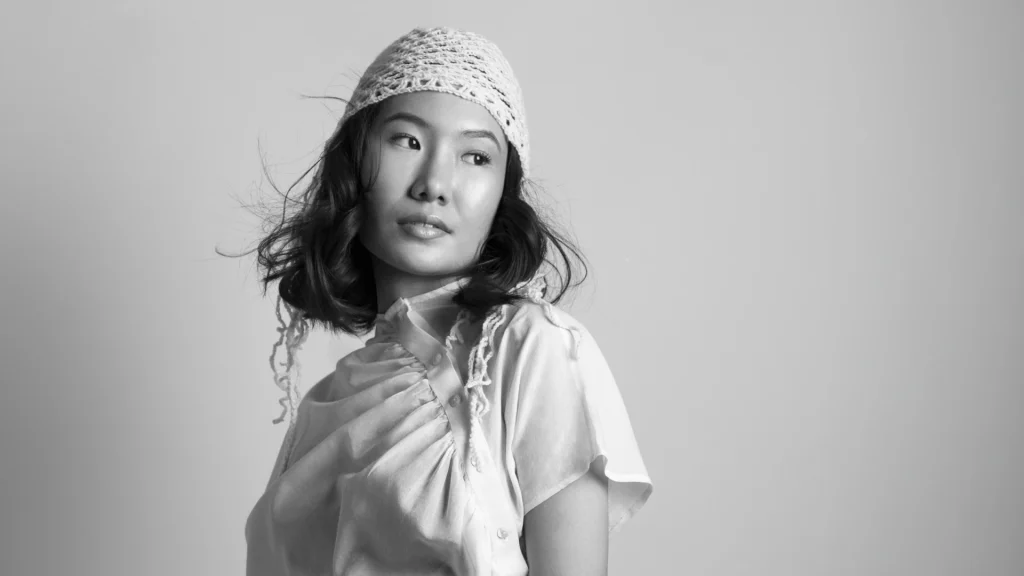
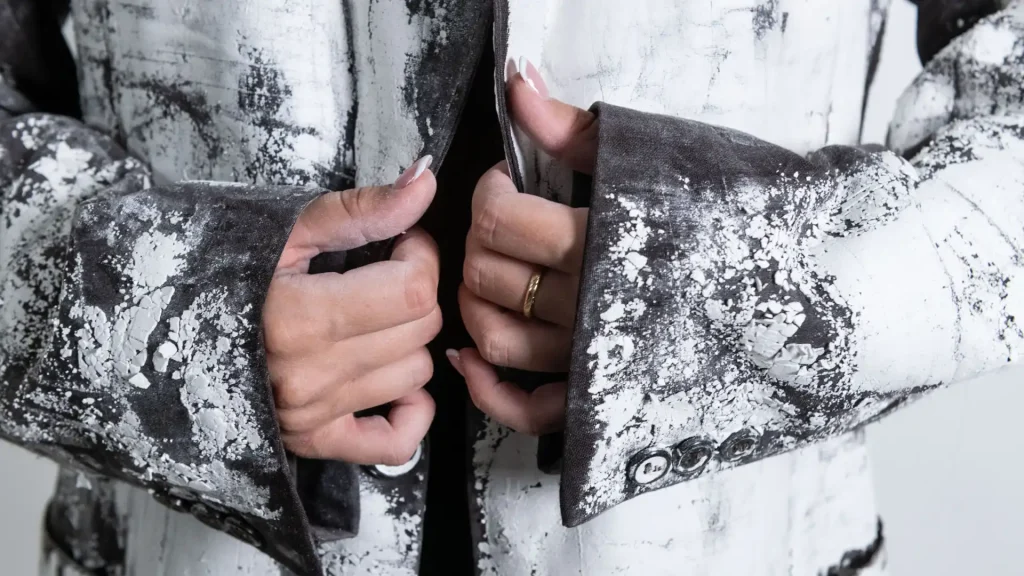
Here you will explore fashion as a cultural and social expression, examining the connections between creativity, awareness and technological innovation. The course approaches the fashion supply chain through a transdisciplinary and integral ecology-based approach, providing you with the technical and cultural skills needed to design responsibly.
Between Fashion, Sustainability and Innovation
You will become a sustainable fashion designer, capable of creating garments, collections and materials from a circular development perspective, while acquiring digital skills and a critical understanding of the business models and production processes of the contemporary fashion industry.
Fields of Study
SYSTEMIC DESIGN
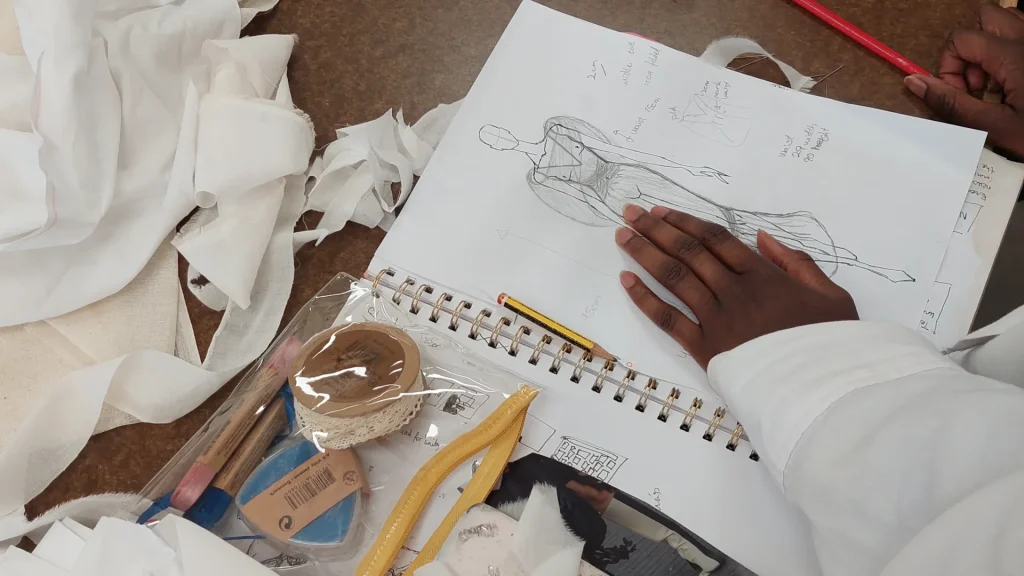
You will learn to develop a systemic design method, capable of connecting creativity, innovation and critical thinking. Through exercises and workshops, you will develop the ability to understand the needs of the present and translate them into fashion projects that are aware of their impact. The RUFA methodology combines design thinking, context analysis and transdisciplinary experimentation.
TEXTILE CULTURE AND INNOVATION
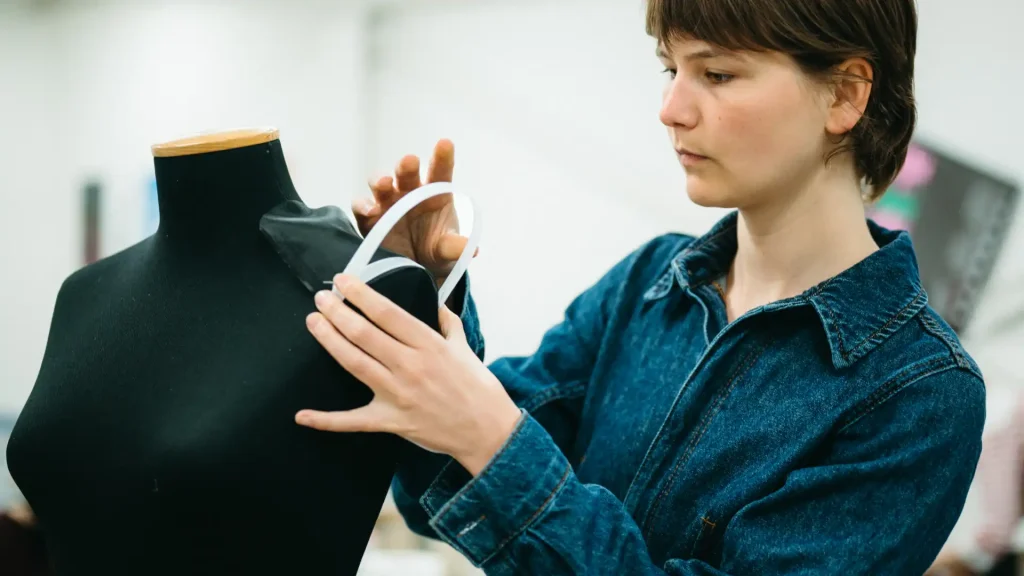
You will explore the history, composition and transformation of textile materials, learning to assess the environmental and social impact of production. You will study natural, recycled and technological fibres, exploring the practices of the circular economy and integral ecology applied to fashion design. You will become a designer capable of making informed choices about materials and processes, guiding the entire supply chain towards more responsible models.
SUSTAINABLE FASHION DESIGN
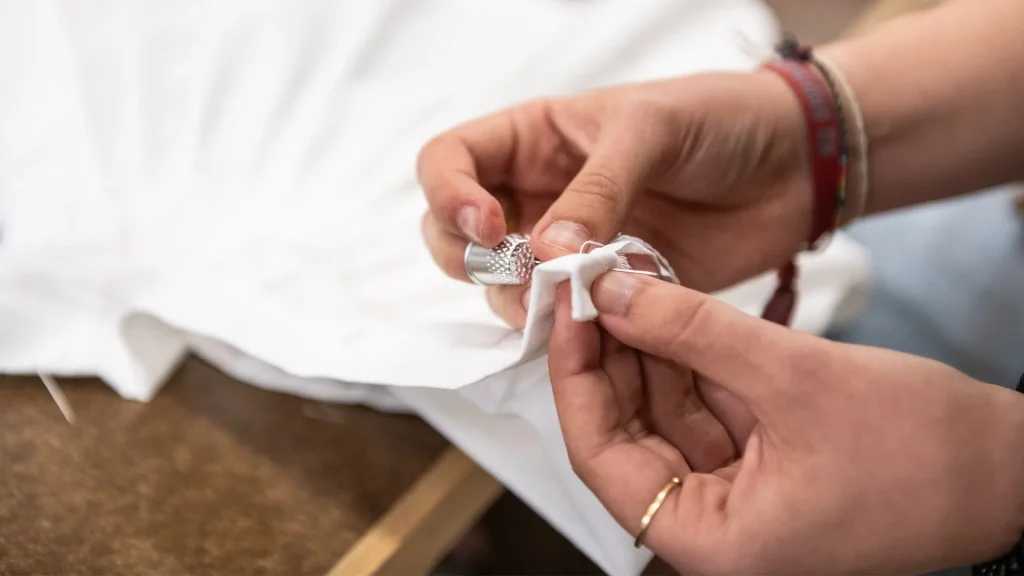
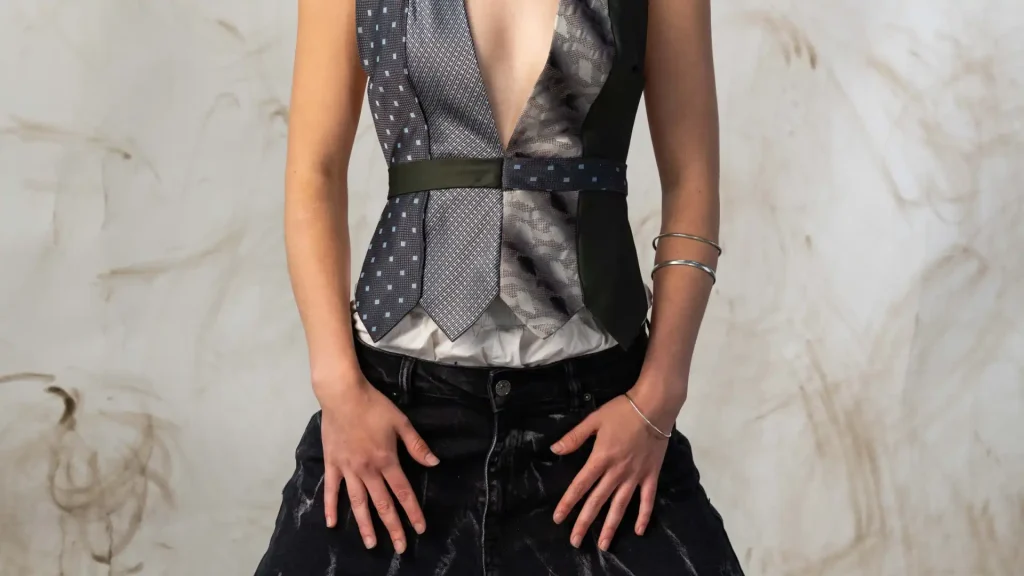
You will learn to develop your authentic creative identity by designing and creating garments, collections and accessories in which aesthetics, attention to impact and cultural values are balanced. Through material manipulation, tailoring techniques, upcycling practices and digital innovation, you will have the opportunity to translate your inspiration into responsible fashion projects, based on ethical and sustainable processes
QUALIFICATION
Bachelor of Arts
180 CFA credits
FUTURE CAREERS
- Sustainable Fashion Designer
- Textile and Material Researcher
- Circular Design Specialist
- Fashion Sustainability Manager
- Sustainable Fashion Marketing Specialist
MAIN SUBJECTS
- Systemic Design
- Textile Culture and Innovation
- Sustainable Fashion Design
A study method designed for you
LEARNING BY DOING
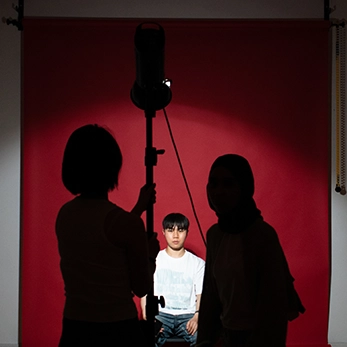
In RUFA, you learn by doing. Alongside the solid foundation of a university-level education, you will develop a hands-on approach that allows you to work on real projects, experiment, and build immediately applicable skills. Each course helps you transform ideas into prototypes, artworks, videos, concepts, installations, or products.
EXTRA DIARY
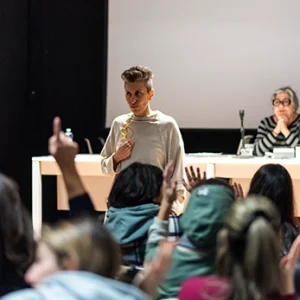
Workshops, laboratories, exhibitions, talks, and collaborations with companies are an integral part of the learning experience. The classroom opens up to the professional world and becomes a space where you engage every day with professionals, creative directors, artists, and designers. This allows you to understand how the industry you want to grow in truly works.
RESEARCH AND CROSS-POLLINATION
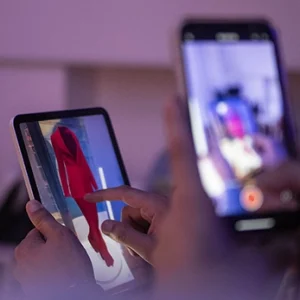
Every discipline becomes a space for experimentation. RUFA encourages you to blend languages, visions, techniques, and tools, combining artistic tradition with technological innovation. Here, you can explore, experiment, create connections, and find your own creative identity.
Requirements
ITALIAN STUDENTS
- High School Diploma
EU AND NON-EU STUDENTS
- High school diploma valid for the Italian higher education system
- B2 certificate in the language of the course
Following admission, NON-EU students will be required to start the procedure for obtaining a study visa.
Study plan
The RUFA Bachelor of Arts requires the acquisition of 60 academic credits for each academic year.
To obtain the qualification, students must complete the entire study programme, achieving a total of 180 CFA (Academic Formative Credits).
Attendance is compulsory for all classes at RUFA’s campuses.
| SUBJECT | ECTS | HOURS |
|---|---|---|
|
The principles behind fashion design: shape, volume, color, signs, materials and textures. Techniques and tools to create original project concepts through a research and visual synthesis considering the project objectives, environmental, technological and production constraints, the market trends, contemporary art, cultural and social phenomena and the designer's creative identity.
| 6 | 75 |
|
Techniques and tools to create a fashion project by hand: anatomical drawing, flat sketches, various types of fashion figures, croquis and apparel construction, illustration methods and use of color. The goal is to reflect on drawing as a tool for representing aesthetic models and real bodies, and to explore one's creative identity.
| 6 | 75 |
|
Manual patternmaking techniques and tools for the development of basics patterns, for the correct use of toile and fabrics, and for tailoring and industrial construction of prototypes, focusing on the theme of waste.
| 8 | 100 |
|
Materials and technologies used in fashion; learning about the chemical-physical properties of fibers, yarns and fabrics, their application in the market, their touch and feel, their behavior in relation to the three-dimensionality of the body, the requirements of the garment, the patternmaking and manufacturing techniques, with a focus on materials and processes related to sustainable fashion design and their use in the field of artisanal and industrial production.
| 6 | 75 |
|
History of contemporary fashion seen as a form of expression and representation of individuals and society. Analysis of the origin of the fashion phenomenon; difference between fashion and costume; cultural and economic mechanisms that have determined the evolution of this sector globally; development of sustainable fashion and digital fashion.
| 6 | 45 |
|
The course aims to introduce students to the techniques and software for digital design and processing for two-dimensional illustrations, image editing and the layout of the student’s creative work.
| 6 | 75 |
|
History of photography through the study of fashion photographic images and the artists who created them. Reflecting upon the critical aspects related to the representation of body, gender and power. Techniques and practical exercises include setting up the camera and artificial lighting, lightroom and connections with the darkroom, as well as the possibilities given by development, post-production and editing software.
| 6 | 75 |
|
Creating a fashion collection based on a selection of significant examples, both historical and contemporary. Development of the theme of the project (concept, technical drawing and illustration, materials, creation of a prototype), encouraging a critical approach that assesses the environmental, social and cultural impact of the project.
| 12 | 150 |
| Basics of computer science | 4 | 50 |
| SUBJECT | ECTS | HOURS |
|---|---|---|
|
Advanced patternmaking techniques and tools for the development of patterns, for superior tailoring and industrial construction of prototypes with a particular focus on grading, material consumption schemes and 'zero waste' practices.
| 8 | 100 |
|
Twentieth and twenty-first century art: analysis of themes, techniques, media, issues, protagonists and methodologies, to propose, from a transdisciplinary point of view, a method to interpret art in its historical and contemporary context.
| 6 | 45 |
|
Introduction to the principles of graphic design for fashion and textiles and development of a creative and original language; including the creation and use of logos, status prints, screen prints and all over patterns with repeats and color variations.
| 6 | 75 |
|
Techniques and tools for the development of sustainable textile materials by recycling and reusing of fibers, yarns and fabrics, and manipulation of textile materials to create innovative fashion collection.
| 6 | 75 |
|
Design and development of a collection for a specific target based on original research and a shared project theme (concept development, technical drawing and illustration, materials, creation of complex prototypes) thanks to teamwork. Developing a critical approach which takes into account the environmental, social and cultural impact and a comprehensive assessment: socio-economic analysis, market positioning, life cycle, recycling and reuse of materials and technological processes.
| 12 | 150 |
|
Three-dimensional garment modeling through Clo3D software to create virtual prototypes for clothes and accessories and its implementation for the production of physical prototypes.
| 6 | 75 |
|
Knowledge of the fashion industry value chain: design, production, distribution, and communication, with a focus on circular business models. Principles, methods and tools for the management of fashion companies.
| 6 | 45 |
| English | 4 | 30 |
| Elective educational activities | 6 | / |
| SUBJECT | ECTS | HOURS |
|---|---|---|
|
Design and development of an integral fashion collection through a speculative design methodology. Evaluating in an increasingly precise way the environmental, social, cultural and socio-economic impact; creating a circular life cycle for the products (garments and/or accessories).
| 12 | 150 |
|
Phenomenological principles of art research through the study of the contamination of themes, forms of expression and exchanges between visual arts, architecture, fashion, design, graphics and multimedia. Encouraging a reflection upon the phenomena and experiments that characterize the contemporary world with a focus on technological innovation, environmental sustainability, and social inclusion.
| 6 | 45 |
|
Techniques and methods to create an original and coherent visual identity, which is created by defining a coordinated corporate image and the brand manual. Choosing a logo, typeface and a color scheme; as well as creating the packaging, website and social media profiles.
| 8 | 100 |
|
Parametric modeling with the use of Clo3D software: advanced methods and techniques of three-dimensional garment modeling with the introduction of materials and textures for the creation of virtual prototypes of clothes and accessories both for the production of physical samples and for use as digital fashion.
| 6 | 75 |
|
Introduction to marketing principles: marketing mix, positioning strategies and market segmentation, creation of a marketing plan and cost allocation. Considering the constant evolution of contemporary marketing by exploring new channels (online and offline) and interactive tools for communication, with a focus on circular fashion and on issues related to 'greenwashing'.
| 6 | 45 |
|
Sociological principles that govern the social phenomenon of fashion as a whole, with a particular focus on issues of gender identity, social capital, youth subcultures and cultural appropriation.
| 6 | 45 |
| Further language and interpersonal skills, internships, etc. | 4 | 100 |
| Elective educational activities | 4 | / |
| Thesis | 8 | / |
Faculty
-

Professor
Romana Andò
-

Professor
Leonardo Campagna
-

Professor
Guenda Cermel
-

Professor
Irene Cerrati
-

Professor
Alessandra Cortese
-

Professor
Aleksandra Filipovic
-

Professor
Marta Frittelloni
-
Professor
Marco Guarna
-

Professor
Gianluca Lera
-
Professor
Gianluca Lorenzini
-

Professor
Valeria Magistro
-

Professor
Andrea Mennella
-

Professor
Valeria Oppenheimer
-

Professor
Silvia Vacirca
-

Professor
Leonardo Valentini
-

Professor
Vincenzo Verdesca
Community Voices

FORMA 2026
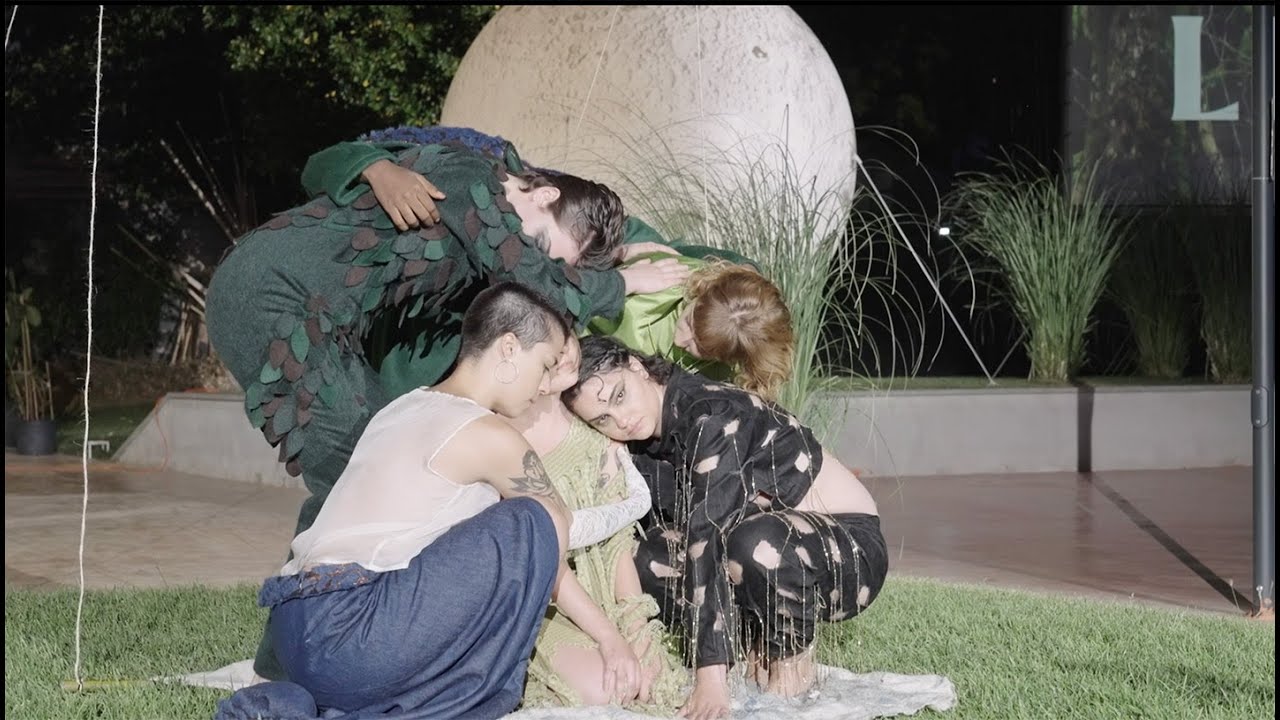
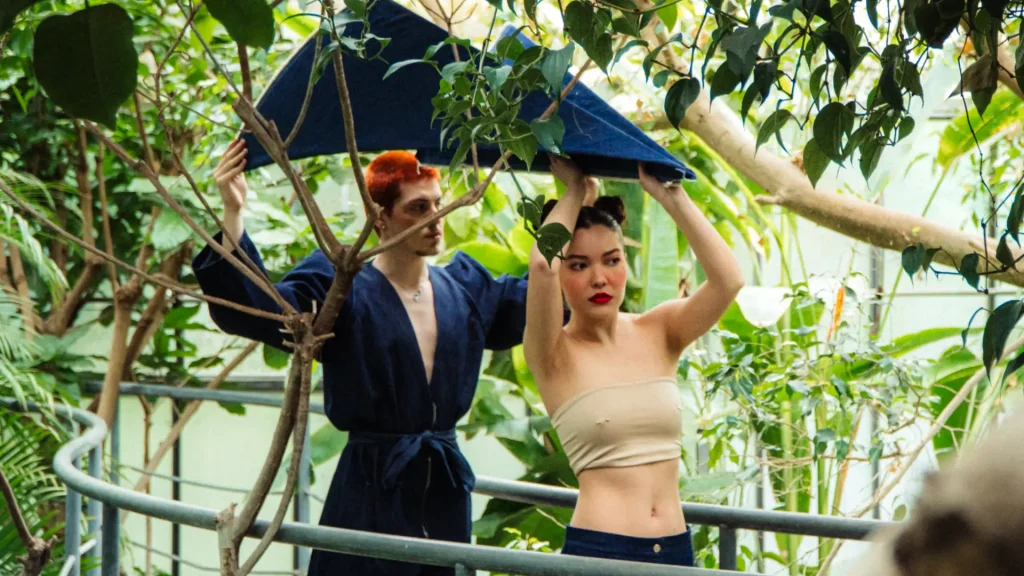
Fashion Performance: “GIARDINO PLANETARIO”

FORMA FABER: Fashion Meets 3D











Request information
News and Events
-
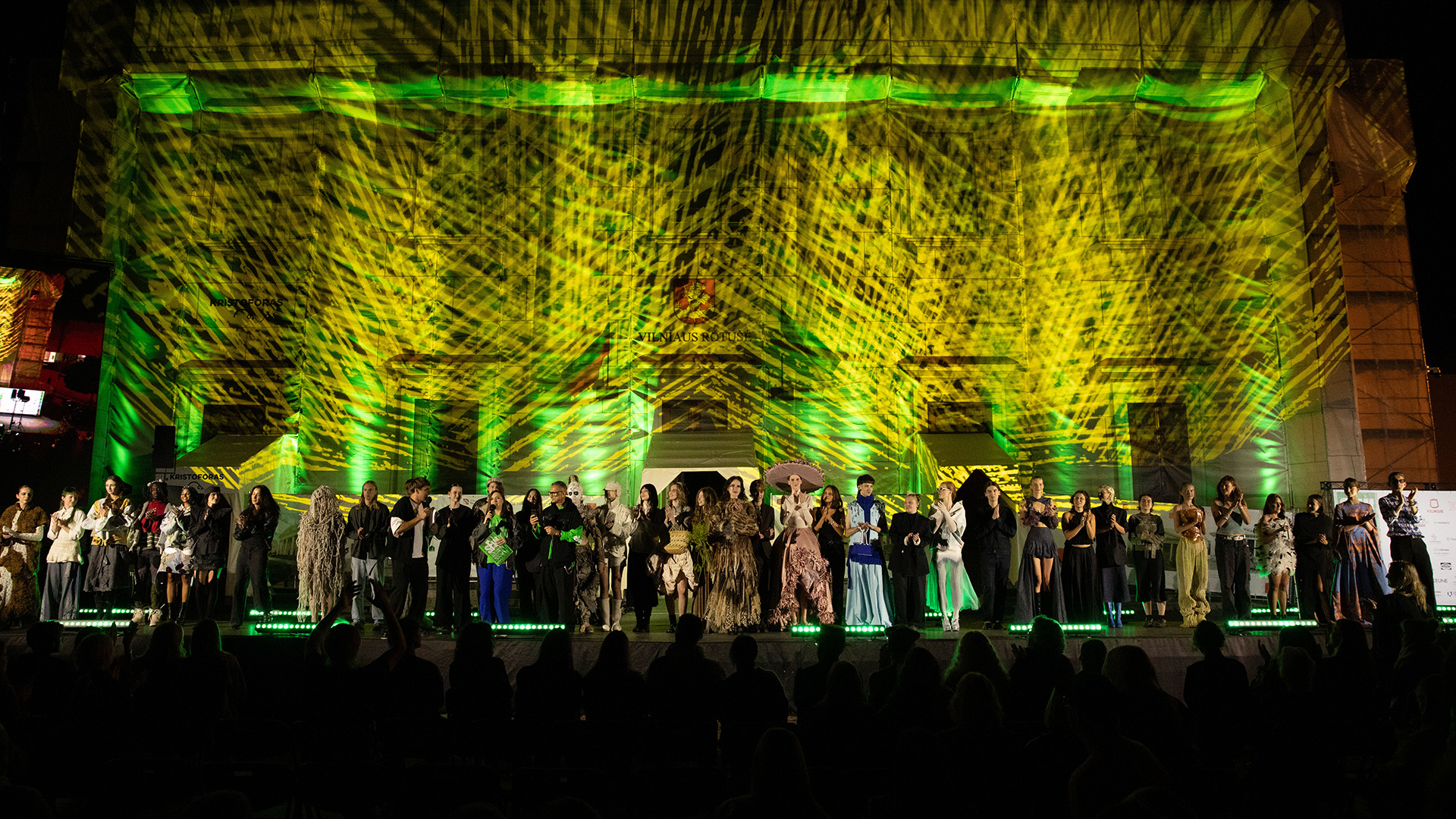
Sustainable Fashion Week Vilnius
Le creazioni degli studenti RUFA a Vilnius
-

RUFA at SOUTH NEXT: Fashion Design takes to the catwalk in Vasto
-
Success for RUFA Fashion Design: Mattia Siciliano reaches the final of the prestigious “Manichino d’Oro 2026” competition.
-
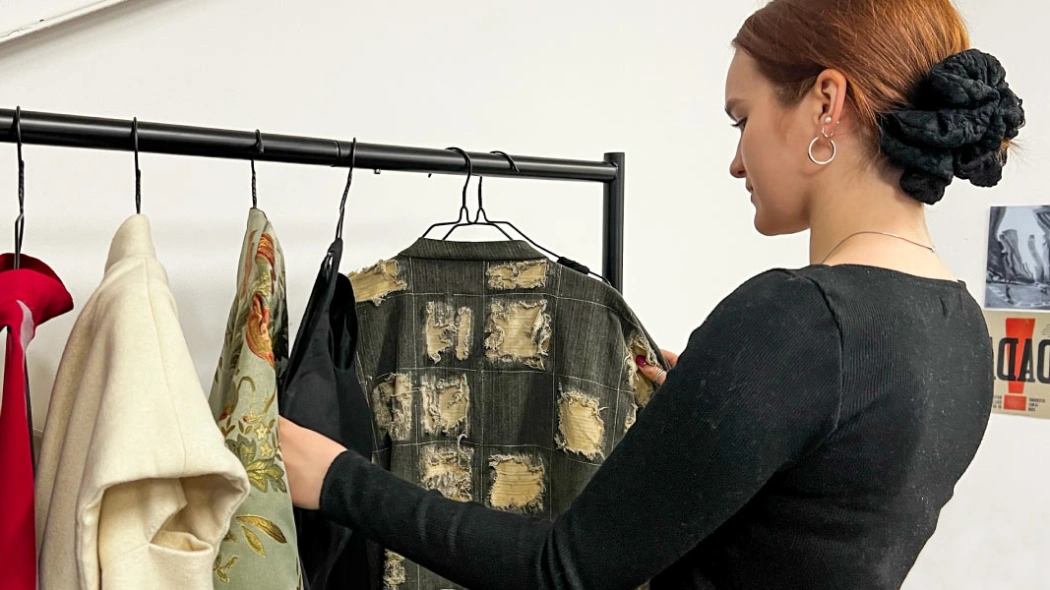
RUFA at Rome Fashion Path: between historical memory and a sustainable future
-
RUFA at FORMA 2026: Sustainable Fashion Design as a Contemporary Subculture
-
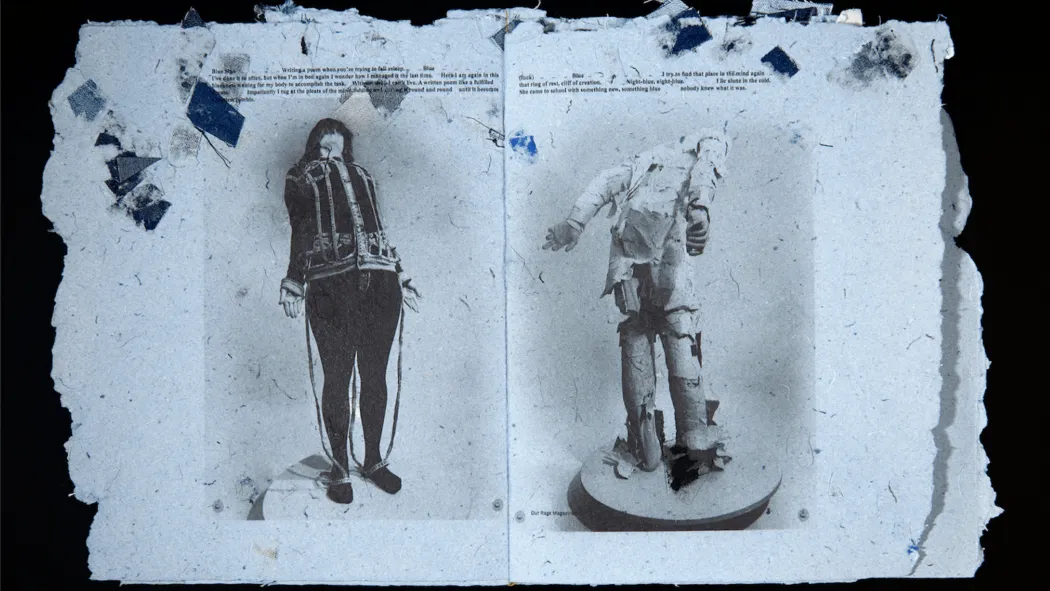
Guenda Cermel’s contribution to the Science Fashion panel 2026
Do you have questions about the RUFA world? We are here to guide you!
Our guidance team is here for you all year round, ready to answer all your questions.