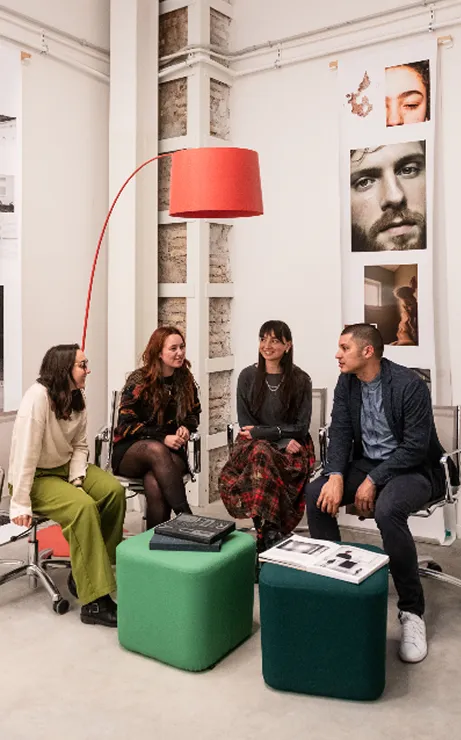
Refine your design skills and place yourself at the heart of contemporary communication design. Through an advanced educational programme, you will explore Visual Design and its main applications, approaching Brand Design, publishing, Interaction Design and advertising from a design perspective, across both digital and analogue contexts. An educational offering that combines research, methodology, experimentation and technological innovation to train professionals capable of developing dynamic visual identities, interactive experiences and effective communication systems that respond to market challenges and the evolution of contemporary languages.
Visual and Innovation Design
DURATION > 2 YEARS
LANGUAGE > ITALIAN or ENGLISH
COURSE START > OCTOBER
CAMPUS > ROME
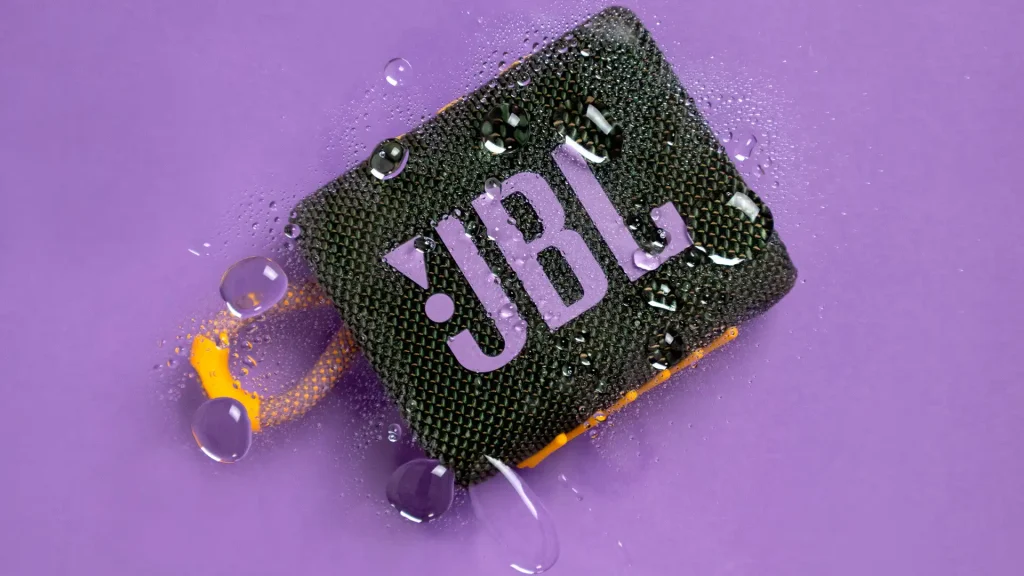
Imagining and designing the future
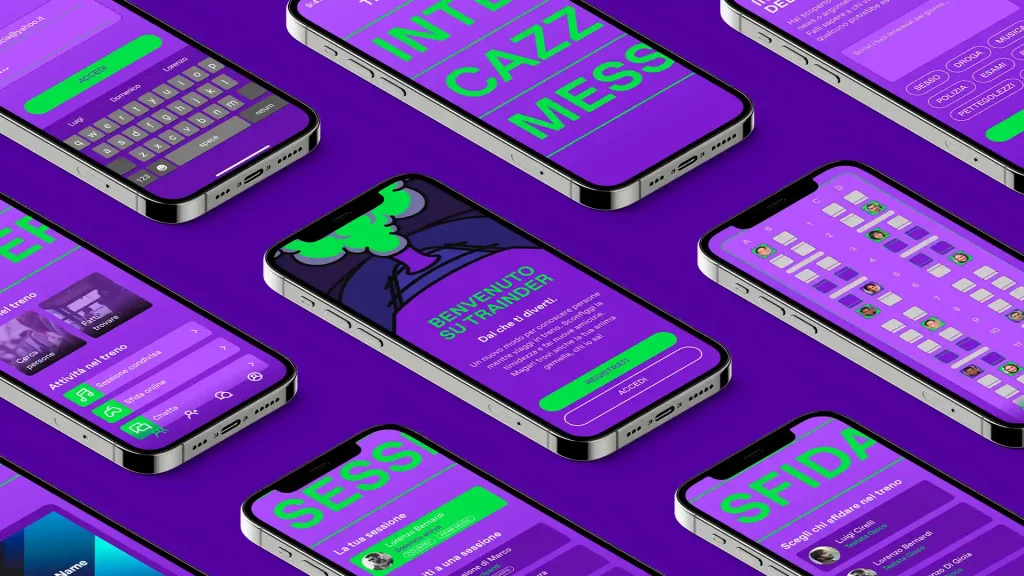
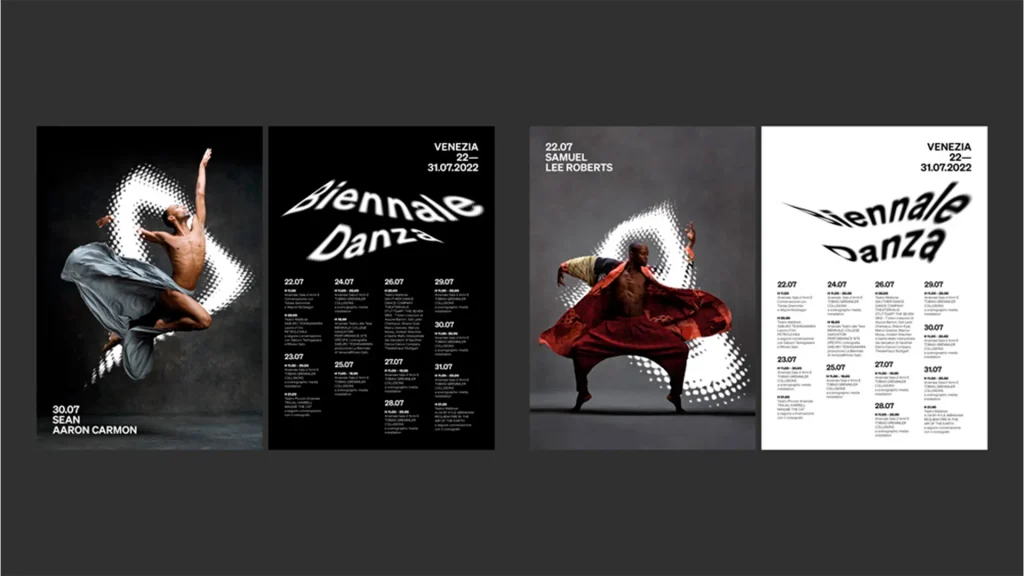
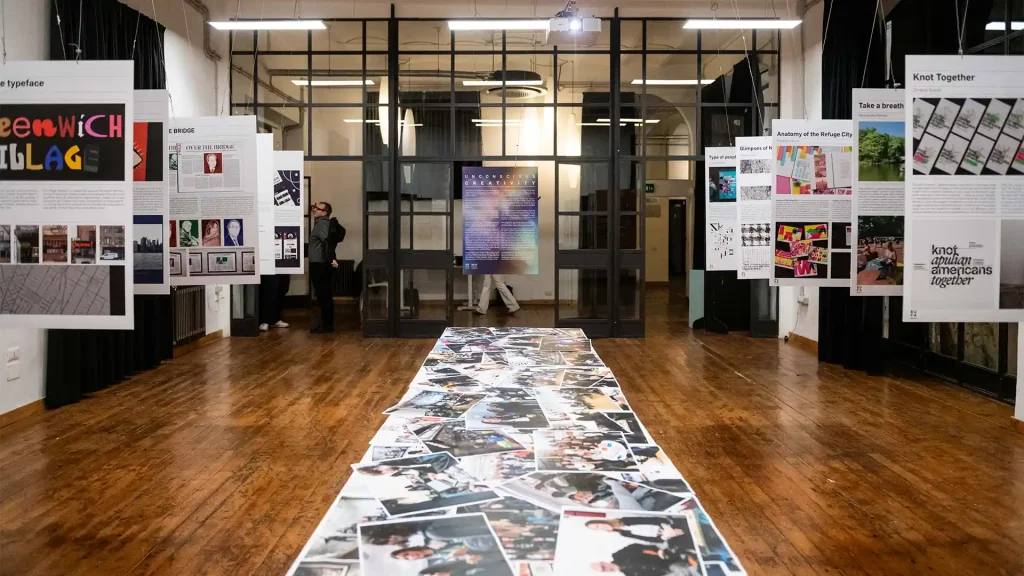
Here you can explore the world of visual communication, visual design, advertising and multimedia design, learning to develop creative and functional solutions in a constantly evolving landscape.
Creativity, vision, innovation
You will become a professional capable of thinking across disciplines, designing engaging visual experiences and driving digital innovation by combining creativity, technical skills and critical thinking. Through a multidisciplinary approach, you will learn to transform ideas, languages and technologies into innovative visual solutions designed to communicate, interact and generate new forms of experience.
Study areas
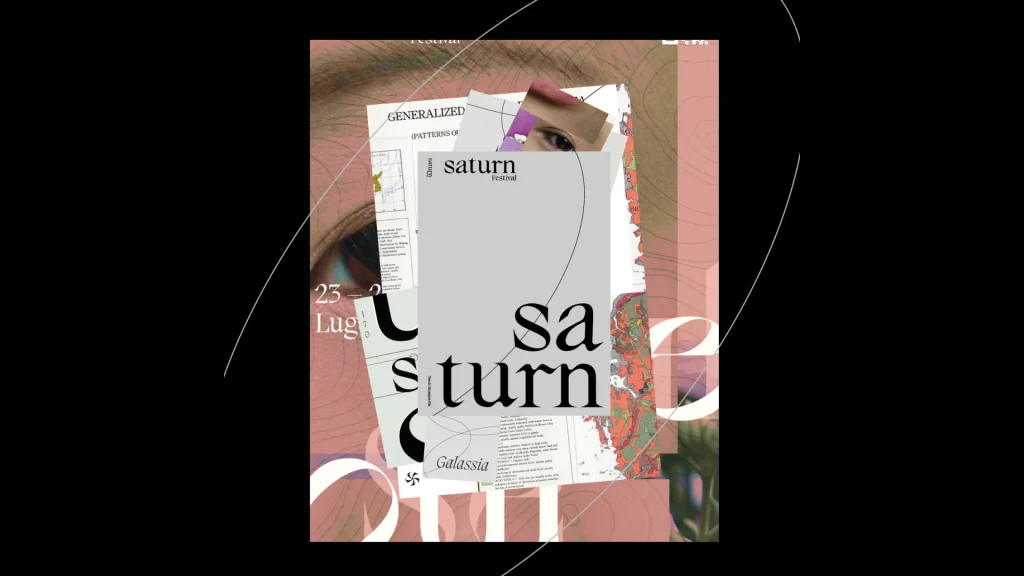
VISUAL DESIGN
In Visual Design, creativity meets strategy. Students learn to manage complex visual languages, designing visual identities, communication systems and coordinated materials. Through a multidisciplinary and technological approach, the Visual Designer becomes the director of communication, capable of shaping ideas, brands and coherent, impactful visual narratives.
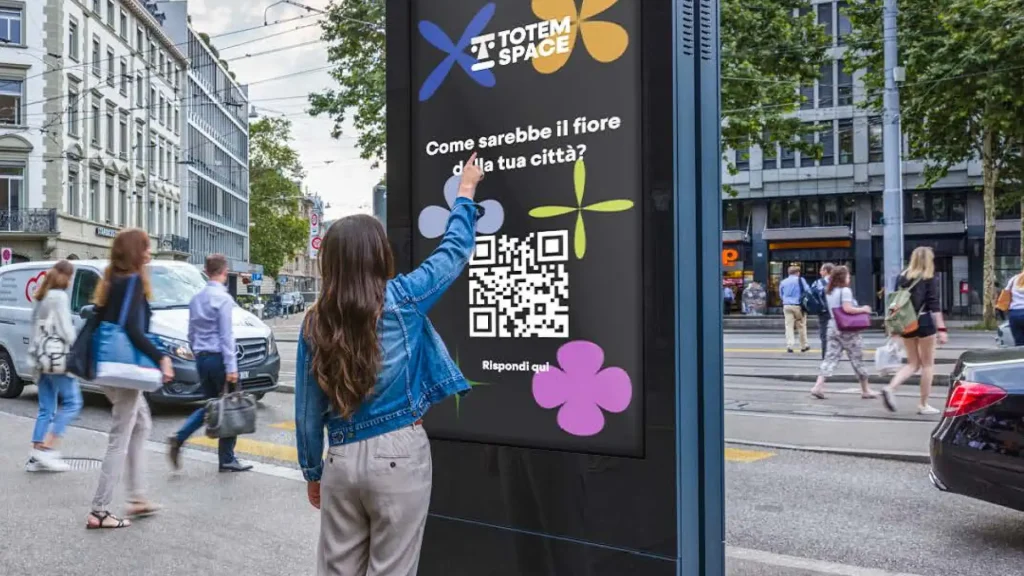
MULTIMEDIA COMMUNICATION
Multimedia Communication opens up new horizons in digital design. From interaction design to motion graphics, from sound design to user experience, students experiment with innovative languages and technological tools to design interactive and immersive experiences. A programme that trains professionals capable of working across art, technology and integrated communication.
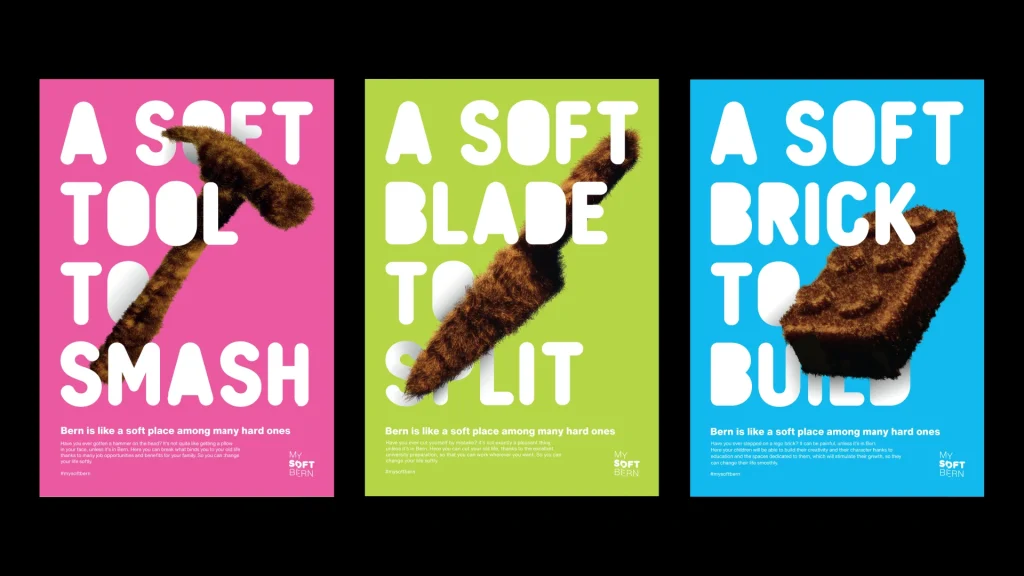
ADVERTISING
The field of Advertising trains professionals capable of interpreting the dynamics of contemporary communication. Through storytelling, branding and cross-media languages, students learn how to conceive and develop creative and strategic advertising campaigns. The Communication Designer thus becomes a problem-solver, combining artistic skills with technological vision.
QUALIFICATION
Master’s Degree
120 CFA
FUTURE CAREERS
- Visual designer
- Art director
- UX/UI Designer
- Information Designer
- Interaction Designer
- Exhibit Designer
- Web Designer
- Brand Manager
- Social Media Manager
- Type Designer
- Copywriter
MAIN DISCIPLINES
- Branding
- Advertising
- UX/UI
- Visual Culture and Media
- Digital Copywriting
A study method designed for you
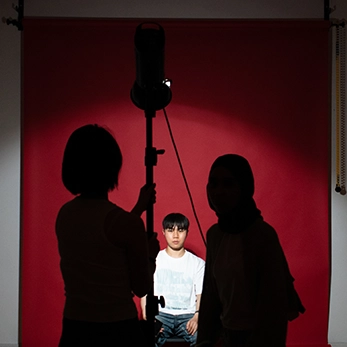
LEARNING BY DOING
In RUFA, you learn by doing. Alongside the solid foundation of a university-level education, you will develop a hands-on approach that allows you to work on real projects, experiment, and build immediately applicable skills. Each course helps you transform ideas into prototypes, artworks, videos, concepts, installations, or products.
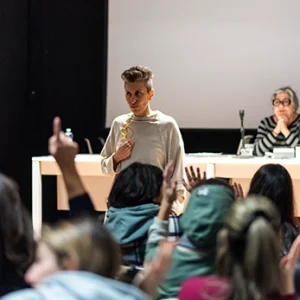
EXTRA DIARY
Workshops, laboratories, exhibitions, talks, and collaborations with companies are an integral part of the learning experience. The classroom opens up to the professional world and becomes a space where you engage every day with professionals, creative directors, artists, and designers. This allows you to understand how the industry you want to grow in truly works.
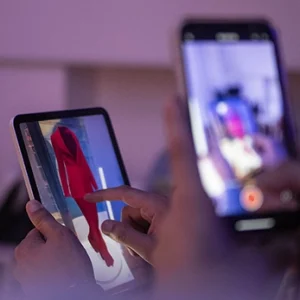
RESEARCH AND CROSS-POLLINATION
Every discipline becomes a space for experimentation. RUFA encourages you to blend languages, visions, techniques, and tools, combining artistic tradition with technological innovation. Here, you can explore, experiment, create connections, and find your own creative identity.
Requirements
ITALIAN STUDENTS
- Bachelor’s degree or equivalent qualification
- Portfolio
EU AND NON-EU STUDENTS
- First-cycle degree valid within the Italian education system
- Portfolio
- B2 certificate in the language of the course
Following admission, NON-EU students will be required to begin the procedure for obtaining a study visa.
Study plan
The RUFA Master of Arts requires students to earn 60 academic credits for each academic year. To obtain the qualification, students must complete the entire study programme, earning a total of 120 CFA (Academic Credits).
Attendance is compulsory for all classes at RUFA’s campuses.
| MODULE | CREDITS (CFA) | HOURS |
|---|---|---|
|
The evolution of visual culture in terms of style, content and message; focusing on the influence that media has had in images outplaying words. The fundamental contribution of technology: technical analysis of the characteristics and use of media to understand contemporary imaginary.
| 6 | 45 |
| Advertising: | ||
|
Theoretical insights on f Advertising by viewing and commenting many case histories. Discussion about the skills required and roles of the various advertising professionals. How to structure a brief, the phases of an advertising campaign, the types of advertising. Reflecting on the role of the creative process. Design of a communication campaign for City Branding called The narrating city.
| 4 | 50 |
|
The dynamics of social media and their relationship with classic marketing. Main social networks and their uniqueness. Analysis of social media accounts and successful communication campaigns that have used all or part of the social media channels as part of a marketing strategy to deduce the replicable factors. Creation of a social media marketing campaign as a final project.
| 2 | 25 |
|
Study of the social context that led to the birth and spread of unconventional communication. Starting from the first theoretical approaches to the current areas and tools that are used. Realization of an unconventional campaign as a final project.
| 2 | 25 |
|
Copywriting as a marketing tool: writing to achieve a goal. From classic tools to the evolution towards digital communication. Copywriting today: beyond the written text. Analysis of the output of a project: print, radio, TV advertisement; content for social media platforms; web and digital content; B2B and B2C texts; non-commercial communications. Copywriting for a City Branding communication campaign called The narrating city.
| 2 | 25 |
|
Design of the user experience and user interface of applications for mobile devices such as smartphones, tablets, etc. Starting from the definition of the idea and the setting of an IDEA MODEL CANVAS, the organization of the functionalities and their prototyping in mockups, up to the design of the graphic interface and the development of the Design System Management.
| 8 | 100 |
|
Visual identity: from commercial strategy to creativity and the use of the Guidelines. Theory and case histories to support the practical exercises and the final project. Type design: the typeface in communication systems such as public spaces, architecture, art in general. Practical exercise: the integration of the Type in a system or in a project.
| 10 | 125 |
|
The study of design methods for the processing, organization and representation of information in the context of graphic systems for paper and the screen. Digital presence and communication strategies: digital brand positioning.
| 8 | 100 |
|
Creating a Dynamic Brand: the union of scientific knowledge and creativity, from the conception to the realization of an identity system that changes over time. Acquisition of the ability to interact and control emerging market demands through new technology possibilities.
| 8 | 100 |
|
Practical development and implementation of projects related to the world of advertising. Simulating the creation of advertising campaigns dedicated to social awareness and various current issues such as pollution, violence, disease etc., or campaigns for the promotion of products. Presentation of the project through photos accompanied by texts.
| 6 | 75 |
| Language skills - Internships - Workshops | 4 | / |
| MODULE | CREDITS (CFA) | HOURS |
|---|---|---|
|
The main production phases of a 3D animated video in motion graphics. The use of Cinema 4D and other software such as After Effects, necessary to create 3D models. How to texturize them, animate them, frame them with a film camera and light them up to obtain a final render.
| 6 | 75 |
|
Introduction to user experience intended as a general and non-specific experience of a single communication channel. Through lectures and practical exercises, study of the human-centered approach, with tools, research techniques and design aimed at developing websites, mobile sites, apps and other digital and non-digital touchpoints.
| 6 | 75 |
|
Professional practice in the development of a communication project: from managing the meeting with the client, to research, analysis of the context and the brief, drafting the meeting report, an estimate, realization and presentation of the project, management of any changes to the brief. Wayfinding: experimentation of methodologies and technologies for orientation. Practical exercises and a final project that shows the search for a scenario and an in-depth study of the territory.
| 10 | 125 |
|
Analysis and overview of the developments in wearable technology products and lifestyles that continuously and mutually affect each other. Introduction to the various fields of WT, study of the hardware components used and the connectivity technologies to create a prototype or model, combined with the digital communication.
| 6 | 75 |
|
Study of theoretical knowledge to work in the design of exhibitions in different culture spaces, highlighting the importance of the visitor-user who is at the centre of the exhibition project. Practical exercises: the main variables and critical issues that emerge during the creation and setting of a multimedia project.
| 6 | 75 |
|
The psychology of perception, cognitive ergonomics and the definition of User Centered Design processes. Insights into tools, techniques and processes commonly used in the design of interactive products, systems, services and environments. Carrying out practical research activities through the creation of a prototype.
| 6 | 75 |
| Elective educational activities | 6 | 75 |
| Language skills - Internships - Workshops | 4 | / |
| Thesis | 10 | / |


Lecturers
-

Coordinator
Francesca Gollo
-

Professor
Agnese Angelini
-

Professor
Emanuele Cappelli
-

Professor
Aureliano Capri
-
Professor
Stefano Cipolla
-
Professor
Dario Curatolo
-

Professor
Veronica D'Auria
-

Professor
Nicola Di Cosmo
-
Professor
Stefano Dominici
-

Professor
Lorenzo Iervolino
-

Professor
Alessandro Izzillo
-

Professor
Antonio Pace
-

Professor
Simone Passacantilli
-

Professor
Mario Rullo
-

Professor
Claudio Spuri
-

Professor
Emanuele Tarducci
-

Professor
Francesco Ugolini



Request information
News and Events
-
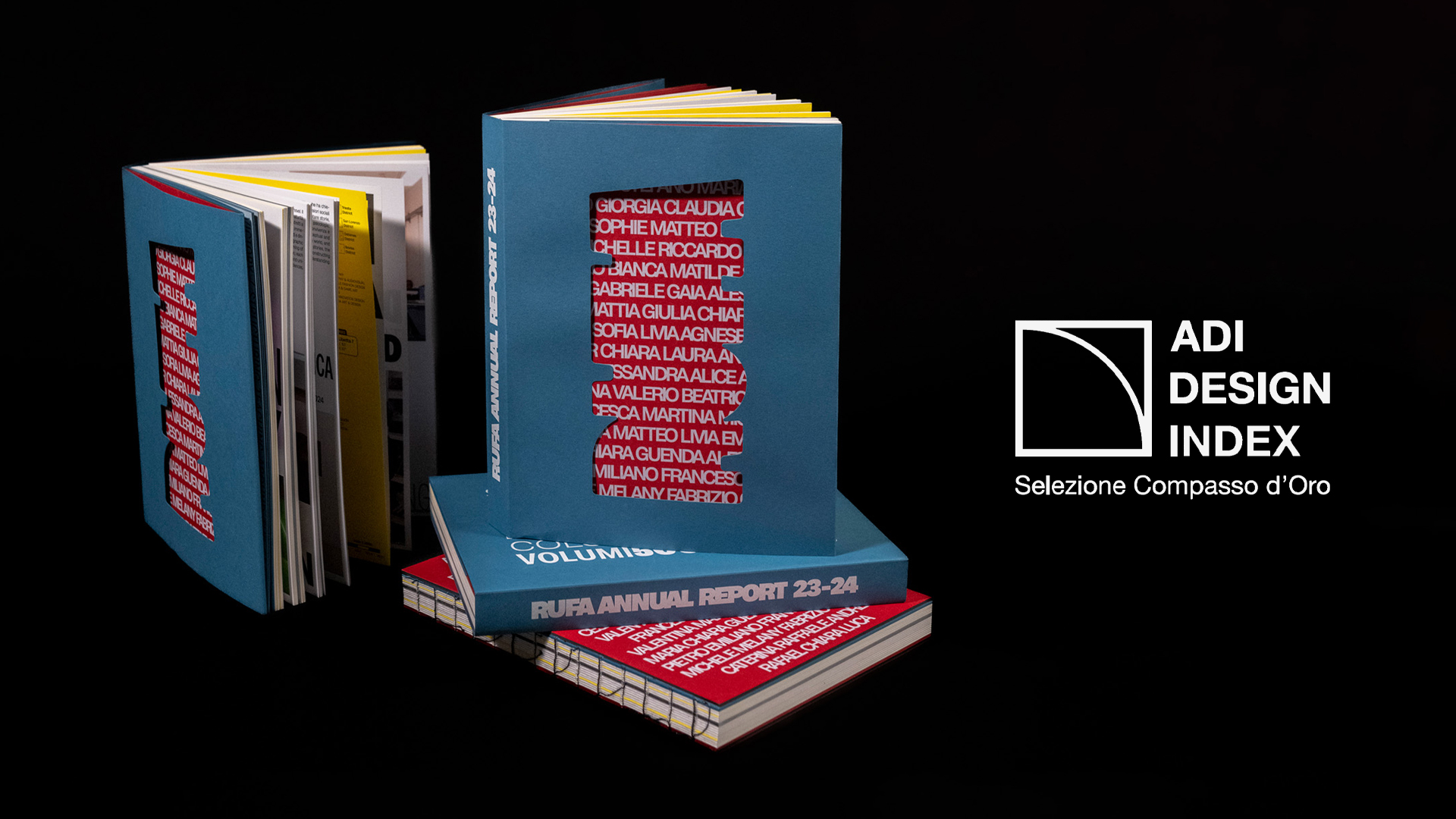
RUFA Annual Report selected for ADI Design Index 2026
-
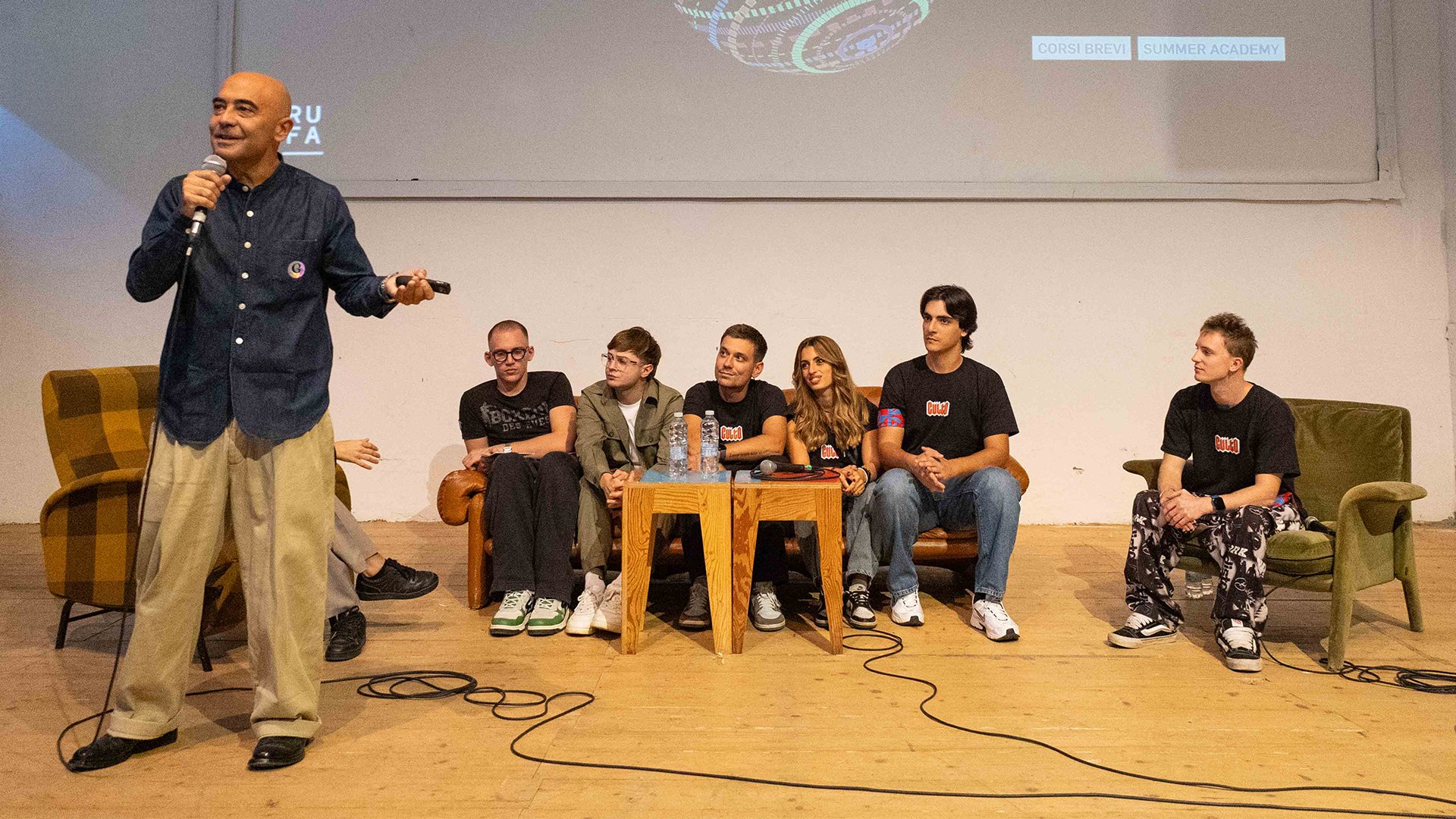
RUFA at MAG TO MAG 2026
Designing magazines through creativity, research and social impact.
-
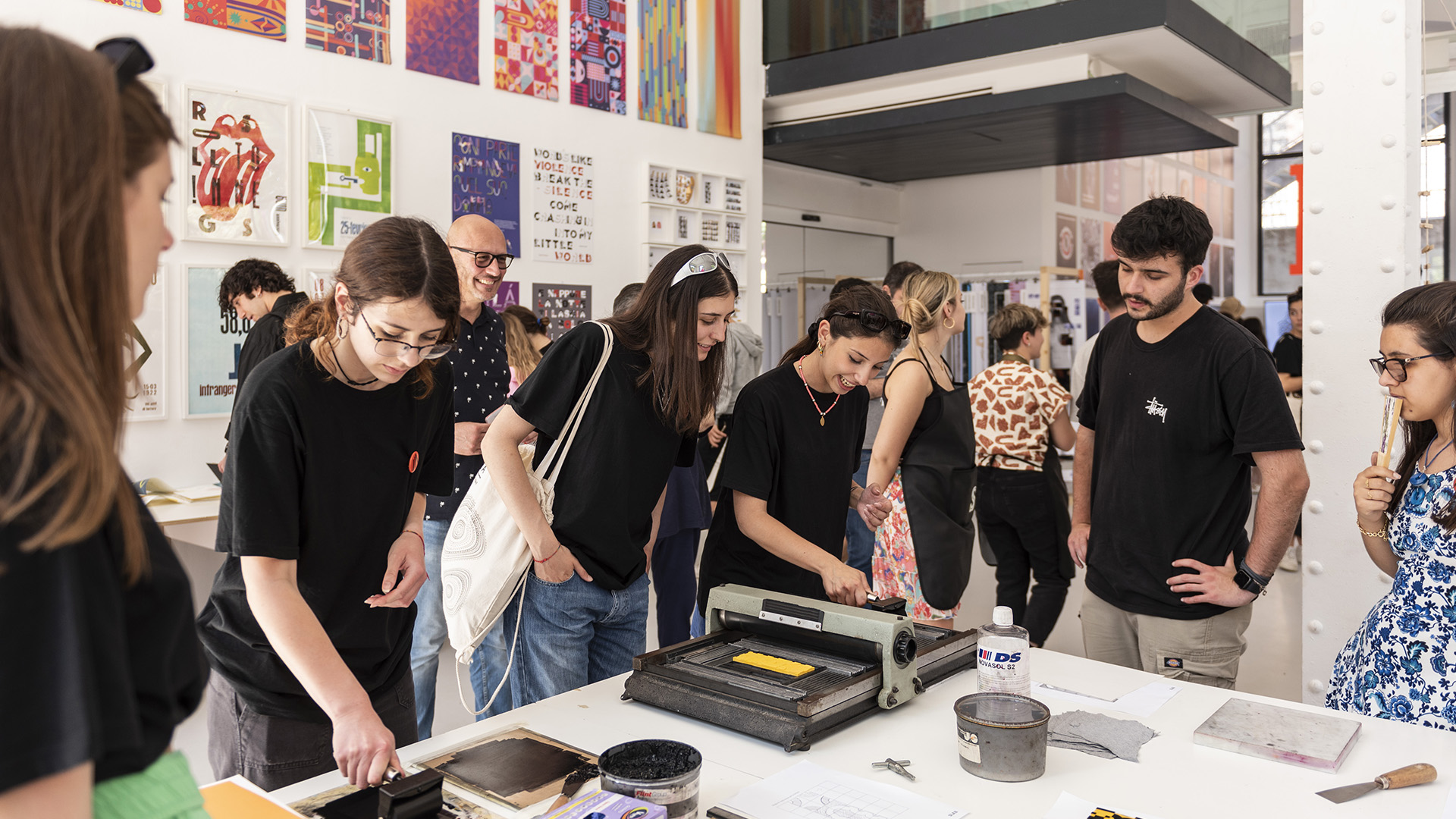
Graphic Design and Artificial Intelligence: The Project Comes First
-

RUFA at Design Talks 2026
Giuseppe Elia presenta Saturn Festival al Romaeuropa
-
RUFA Editorial Space
IN EDICOLA A VIA OSTIENSE
-
Designing Tomorrow’s Spaces with IKEA Italia
Do you have questions about the RUFA world? We’re here to guide you!
Our Guidance Team is here for you all year round, ready to answer all your questions.