You will be at the heart of the digital revolution, where art and entertainment merge. You will learn to design video games, interactive multimedia works and immersive 3D environments. Through game engines and the most advanced digital technologies, you will transform the viewer into the absolute protagonist of new virtual worlds.
Multimedia and Game Art
DURATION > 3 YEARS
LANGUAGE > ITALIAN
COURSE START > OCTOBER
LOCATION > ROME
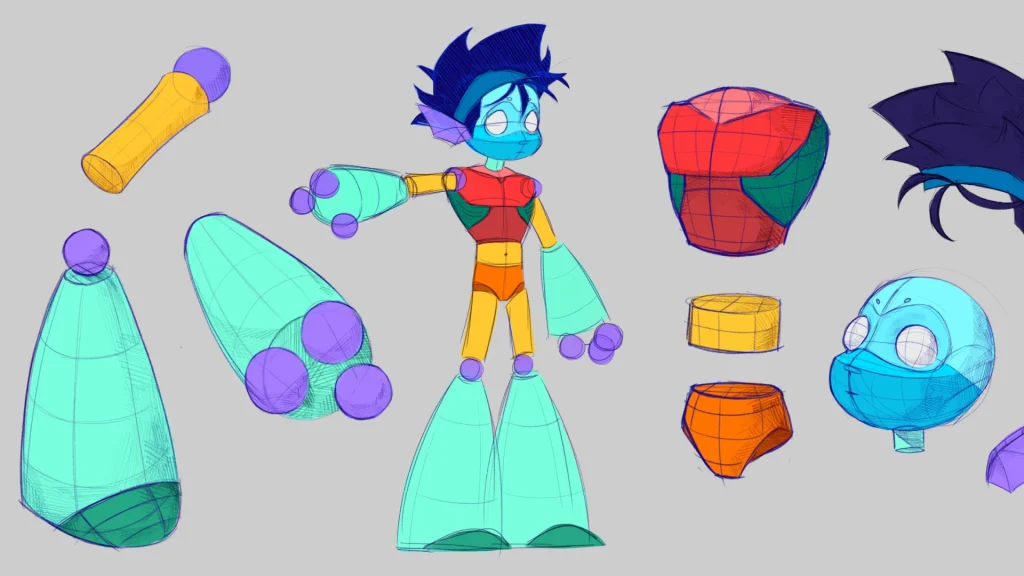
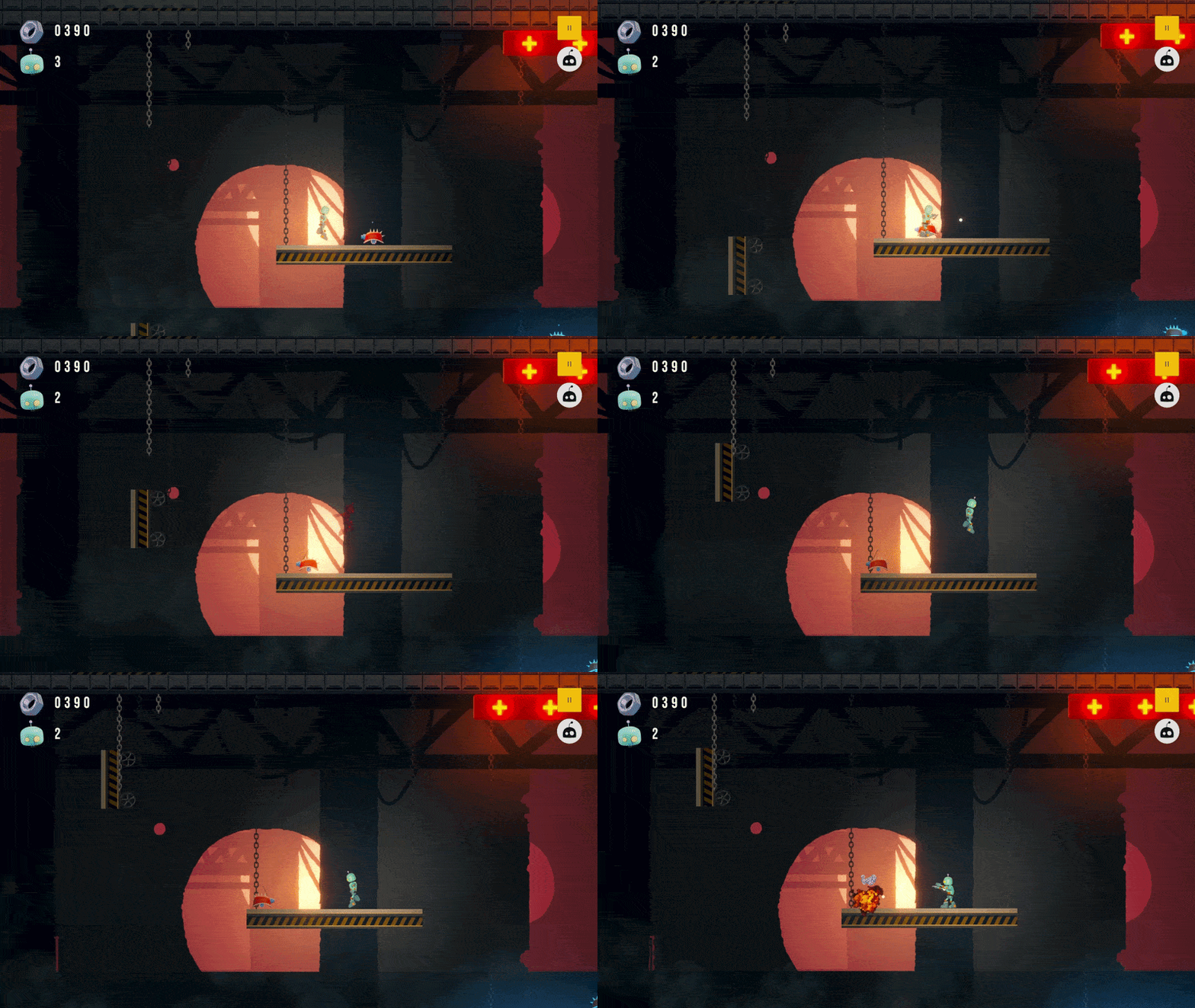
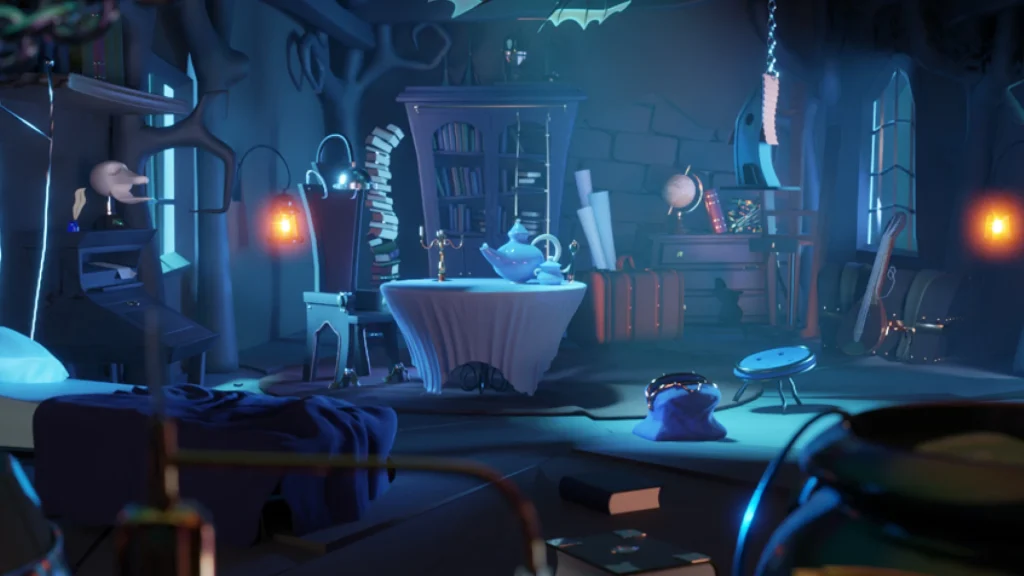
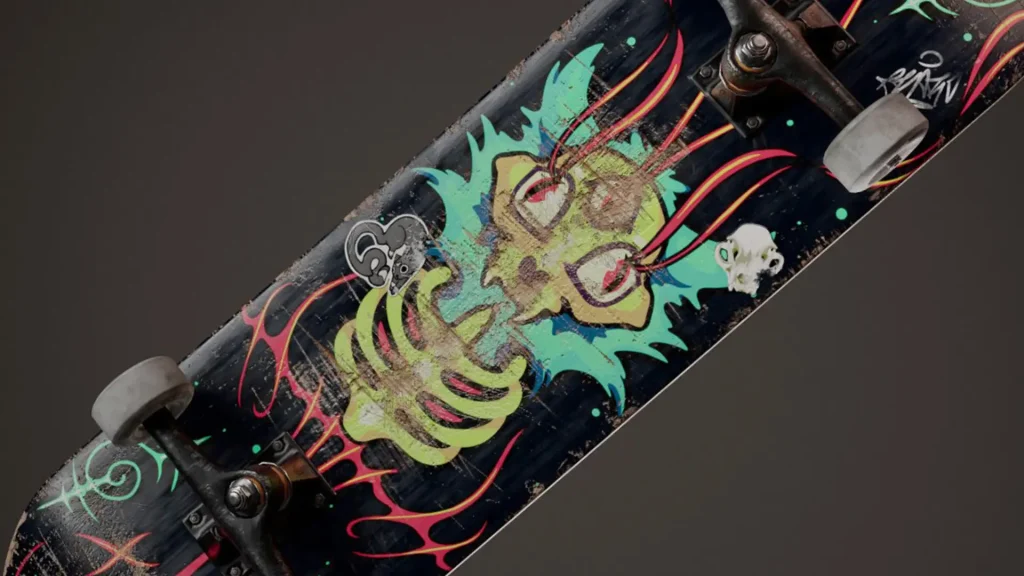
Creating Virtual Worlds
Explore multimedia design and develop advanced skills in game design, development, 3D modelling, animation and computer graphics. Bring characters, props and soundscapes to life, learning to create interactive experiences, immersive realities and innovative digital content.
From Characters to Digital Worlds
Become a professional capable of developing video game productions and three-dimensional assets, with a critical and innovative perspective on contemporary visual language. You will learn to develop a video game from scratch, starting with research and concept development, moving on to the creation of game logic and mechanics, the creative development of environments, characters and all the other elements that make up the game, through to its technical implementation in terms of programming, modelling and three-dimensional animation.
Fields of Study
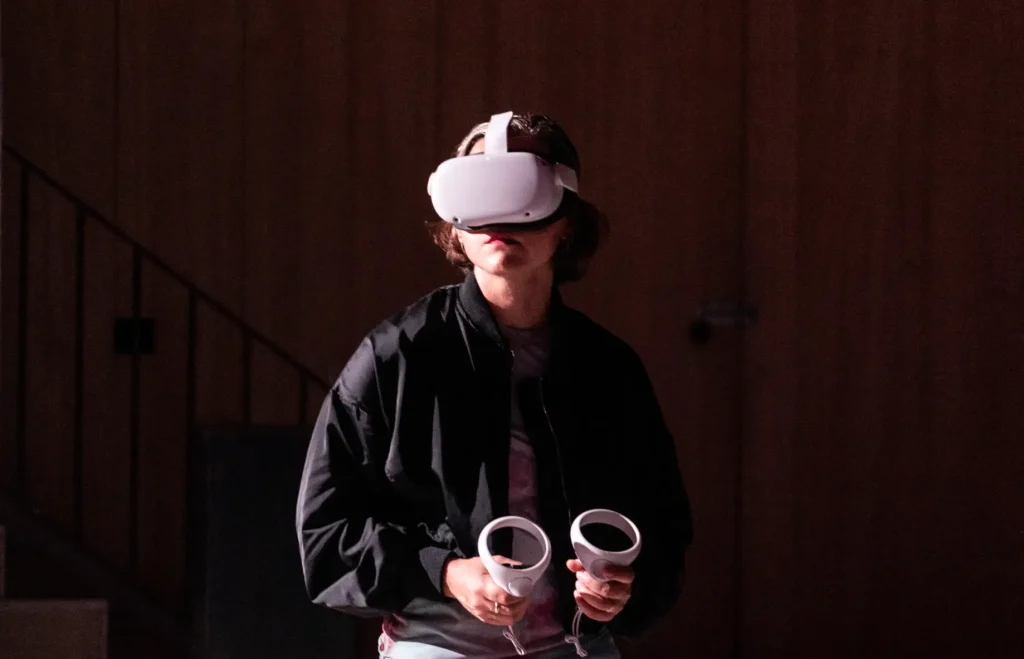
INTERACTIVITY
You will discover how to design digital ecosystems capable of actively engaging users. You will learn to integrate art, design and technology to create dynamic narratives, where every visual and sound element interacts in real time with the people experiencing it.
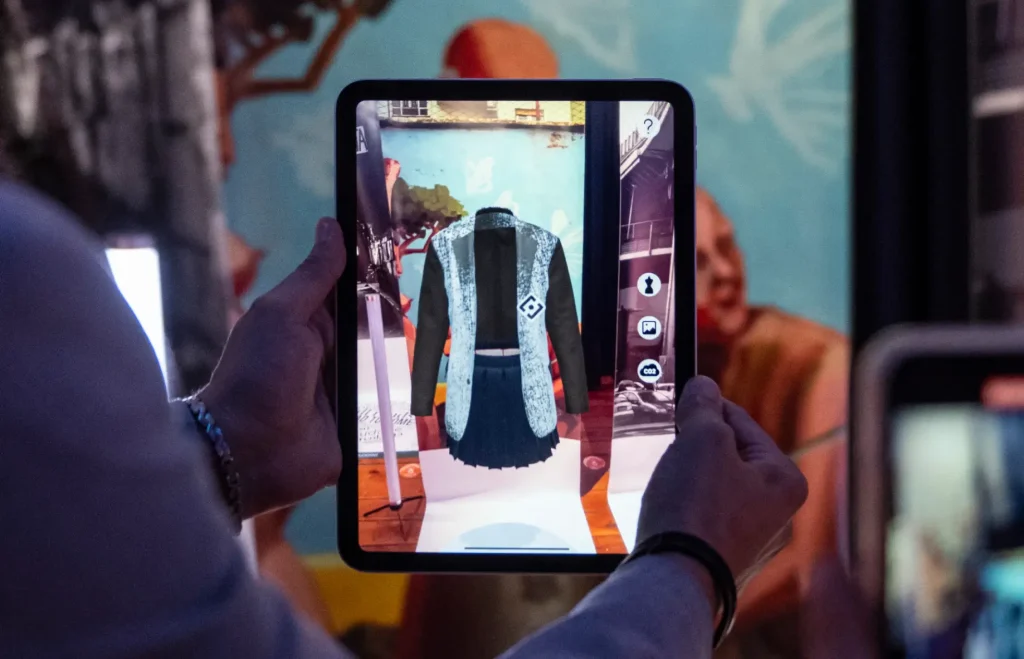
MULTIMEDIA
You will explore the use of visual and audiovisual languages to create multiplatform projects. From digital graphics to video art, from augmented reality to motion design, you will develop the ability to combine creativity and technological tools to conceive high-impact communication formats.
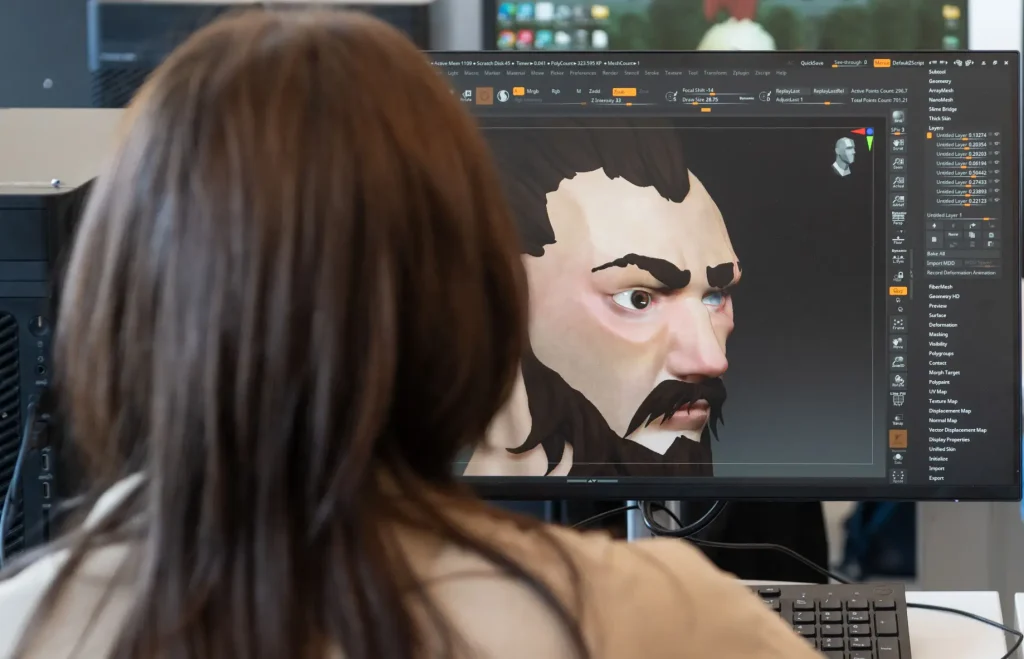
3D MODELLING AND ANIMATION
You will learn the techniques of modelling, rendering and animation to bring three-dimensional assets, creatures and complex environments to life. You will learn to manage every stage of the creative pipeline, from concept to the Game Ready model, developing works for the gaming, film and contemporary communication industries.
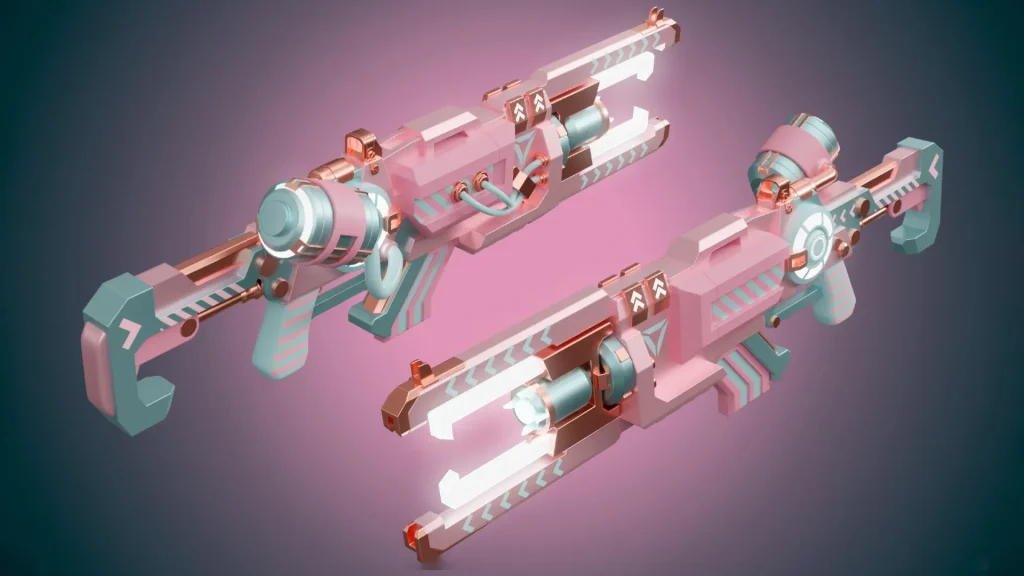
GAME DESIGN & DEVELOPMENT
You will master the logic, architectures and languages underlying video game productions. From defining mechanics to level design, through to practical implementation within game engines, you will acquire the tools to balance challenge, pacing and storytelling, transforming your ideas into complete and playable titles.
QUALIFICATION
Bachelor of Arts
180 CFA credits
FUTURE CAREERS
- Game Artist
- Game Developer
- Real-Time 3D Artist
- Technical Artist
- Concept Artist
- Character Designer
- Environment Artist
- UI Designer
- Interaction Designer
- Visual Artist
MAIN SUBJECTS
- Computer Graphics
- Game Art
- UX/UI
- Interactive Systems
- Digital Modelling and Animation Techniques
A study method designed for you
LEARNING BY DOING
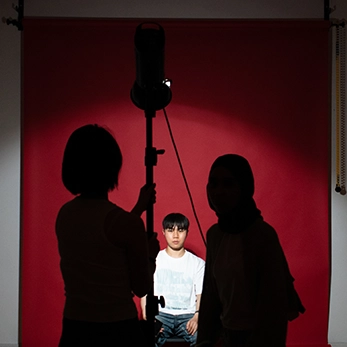
In RUFA, you learn by doing. Alongside the solid foundation of a university-level education, you will develop a hands-on approach that allows you to work on real projects, experiment, and build immediately applicable skills. Each course helps you transform ideas into prototypes, artworks, videos, concepts, installations, or products.

EXTRA DIARY
Workshops, laboratories, exhibitions, talks, and collaborations with companies are an integral part of the learning experience. The classroom opens up to the professional world and becomes a space where you engage every day with professionals, creative directors, artists, and designers. This allows you to understand how the industry you want to grow in truly works.
RESEARCH AND CROSS-POLLINATION
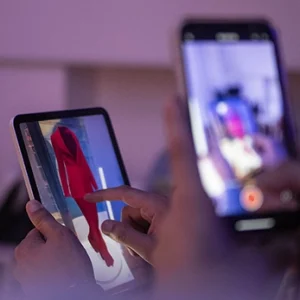
Every discipline becomes a space for experimentation. RUFA encourages you to blend languages, visions, techniques, and tools, combining artistic tradition with technological innovation. Here, you can explore, experiment, create connections, and find your own creative identity.
Requirements
ITALIAN STUDENTS
- High School Diploma
EU AND NON-EU STUDENTS
- High school diploma valid for the Italian higher education system
- B2 certificate in the language of the course
Following admission, NON-EU students will be required to start the procedure for obtaining a study visa.
Study plan
The RUFA Bachelor of Arts requires the acquisition of 60 academic credits for each academic year.
To obtain the qualification, students must complete the entire study programme, achieving a total of 180 CFA (Academic Formative Credits).
Attendance is compulsory for all classes at RUFA’s campuses.
| SUBJECT | ECTS | HOURS |
|---|---|---|
|
The course covers the various types of mapping, projection, and unwrapping, major texturing techniques starting with the use of photographic textures (captured or from web resources), editing techniques with the Adobe suite and painting directly on 3D models with Painter and Blender. 2D game art is introduced.
| 6 | 75 |
|
The course analyzes major art movements in contemporary art, also with reference to the history of architecture, product design, photography, and cinema to learn how to recognize the influences of major artists in modern video game, film, and web design productions through the understanding of significant case studies.
| 6 | 45 |
|
The course teaches how to interpret game design documents, scripts, and briefs.
Students learn what Game Design and Level design mean and what the tools are for building an interactive environment in engines (UE4 and Unity) from a whitebox to the final version. Lighting and sound as elements of level design are addressed. The importance of the UI is emphasized. | 12 | 150 |
|
The evolution of visual culture is studied in terms of style, content, and message with a focus on the influence exerted by the media world in the process of image overtaking text. The fundamental contribution of technology is explored along with the analysis of media in their technical characteristics and fruition to fully understand contemporary imagery. The history of video games and the game industry is introduced, distinguishing between mobile games, AAA games, consoles, and PCs.
| 6 | 45 |
|
The course introduces digital graphic design and processing techniques and software for 2D illustration. Students understand how to structure presentations, storyboards, concepts, pitching. It explains what a layout is and how to design UX and UI in video games and the Web.
| 8 | 100 |
|
The course introduces the main polygonal, non-organic modeling techniques.
Students learn how to create assets and scenery using different software (Blender, 3ds Max, and Maya) and studying related interfaces, scene organization, units, object naming, selection systems, basic tools, modifiers, topology, UV, texture, and material (shader) concepts. Work focuses on modeling scene props. Cinema4D is introduced. | 6 | 75 |
|
The course allows students to acquire shading, lighting, offline and real-time rendering techniques and to learn how to choose the right type of render depending on the production scope. Workflows and elements of post production are introduced. The role of modern engines in film production is addressed. In addition to Blender and Maya, Marmoset, Redshift, UE4, and Unity are introduced.
| 6 | 75 |
|
Drawing is essential in the world of concept art, characters and environments. The course focuses on understanding and managing drawn figures. The intent is to learn how to use lines and strokes in a drawing to best express the concepts students want to represent. Storyboards are developed. Applications of a game artist's 2D drawing and illustration skills in the gaming world are reviewed.
| 6 | 75 |
|
This course introduces the basics of game programming by analyzing the major languages, the grammar and logic of a code, and visual programming.
| 4 | 50 |
| SUBJECT | ECTS | HOURS |
|---|---|---|
|
The course delves into digital painting, advanced texturing, and procedural texturing techniques through cross-use of Painter, Designer, Mixer, Bridge, SBSSource, UE4, and Unity software.
| 6 | 75 |
|
From pre-cinema to the latest digital animation techniques: analysis of authors, techniques and products to understand the changes in the audiovisual and interaction worlds. The course studies the evolution of animation from its origin to the present day, thanks to a theoretical-practical reflection on the fundamental elements of dramaturgy applied to the animated works.
| 6 | 45 |
|
This course teaches the basic skills of 3D animation. Students learn how to give life and dynamism to the developed scene by rigging to create the skeleton and control structures of 3D characters and objects.
| 6 | 75 |
|
The objective of the course is to build a basic explorable game layer, through the use of a template, working in Unreal Engine and Unity.
| 12 | 150 |
|
The course focuses on acquiring basic game development skills, working on program and development pipelines.
| 6 | 75 |
|
This course further explores the dynamics of creating a video game. It defines the various figures involved in multimedia production and how to work as a team on interactive projects both in terms of design and production.
| 6 | 75 |
|
The course delves into the use of major polygonal modeling techniques and organic character modeling. Sculpting techniques are introduced.
Software used are Blender, Maya, and Z Brush. | 8 | 100 |
|
| 4 | 30 |
|
| 6 | / |
| SUBJECT | ECTS | HOURS |
|---|---|---|
|
This course delves into 3D animation techniques and especially best practices in motion capture. Advanced Rigging, retarget, facs, full motion capture are essential aspects of the course.
| 6 | 75 |
|
The goal of the course is to build in-engine realtime cinematics using UnrealEngine by curating the direction and camera movements. Assets, environments and characters are created, animations are imported, lighting is curated and VFX are developed.
| 12 | 150 |
|
The course teaches techniques and tools for programming and producing interactive experiences, including Oculus, digital avatars, AR. VR, webgl, IOT.
| 6 | 75 |
|
The course covers VFX (offline and real-time) and compositing techniques and how these tools can be integrated into a videogame engine.
| 6 | 75 |
|
The course analyzes hard-surface and clothing sculpting techniques. On the polygonal modeling side, procedural modeling is further developed.
| 8 | 100 |
|
The course addresses the history and evolution of metaverses, both from a theoretical and a practical/production perspective.
| 6 | 45 |
|
| 4 | 100 |
|
| 4 | / |
|
| 8 | / |
Faculty
-

Coordinator e Tutor
Raffaele Vella
-

Professor
Genny Di Bert
-

Professor
Caterina Di Rienzo
-

Professor
Andrea Fabiani
-

Professor
Filippo Foglietti
-

Professor
Lara Forgione
-

Professor
Gianfranco Manzo
-
Professor
Massimiliano Napoli
-

Professor
Giulio Pernice
-

Professor
Lorenzo Raffi
-

Professor
Gaia Richelli
-

Professor
Emanuele Tarducci
-

Professor
Francesco Ugolini
Community Voices
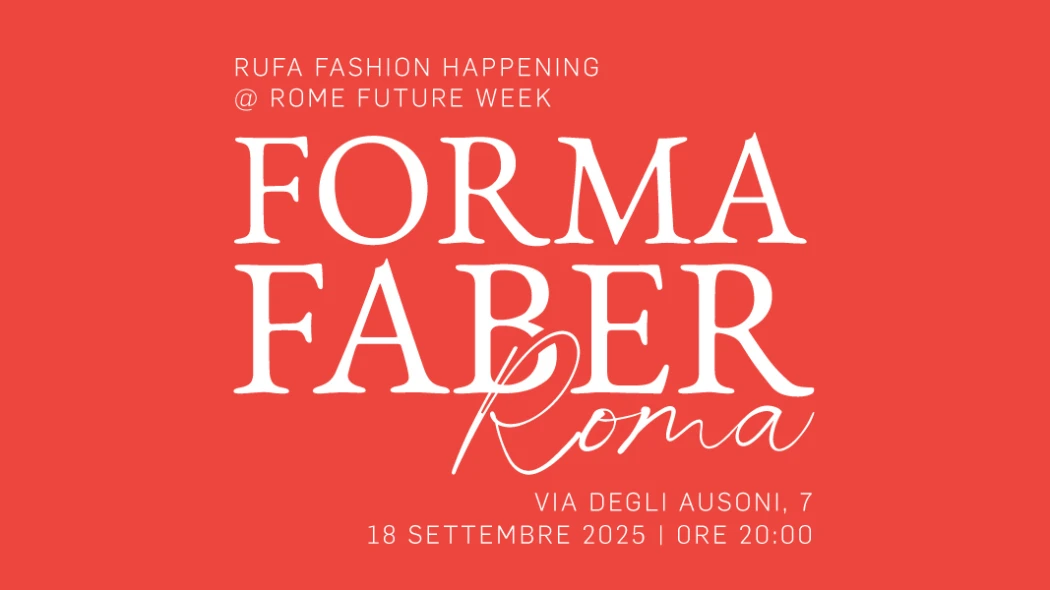
Game Art Meets Fashion: FORMA FABER Rome
An immersive augmented reality installation featuring multimedia content, including an interactive fashion book and garments viewable in 3D.
The students of RUFA Game Art guided the public through a narrative experience combining art, technology and sustainability.












Request information


Do you have questions about the RUFA world? We are here to guide you!
Our guidance team is here for you all year round, ready to answer all your questions.