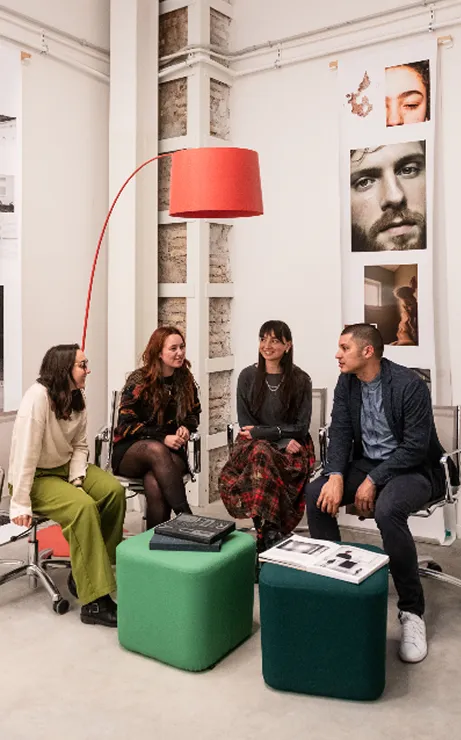
You will deepen your theoretical and practical training by exploring cinema, screenwriting, cinematography, editing, sound and multimedia productions. You will develop an authorial vision capable of connecting artistic sensitivity and technical skills, to tell personal visions through the language of contemporary cinema.
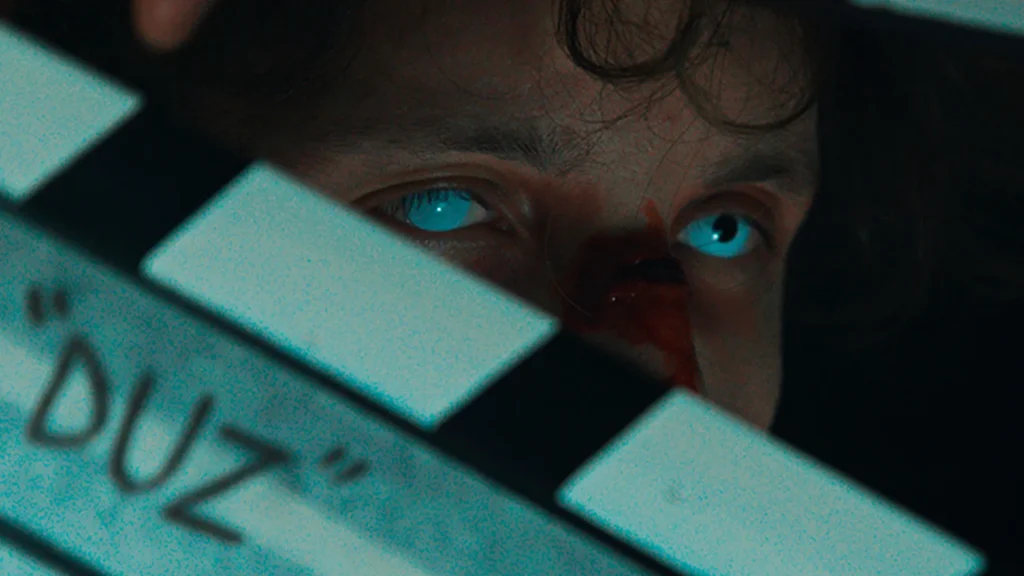
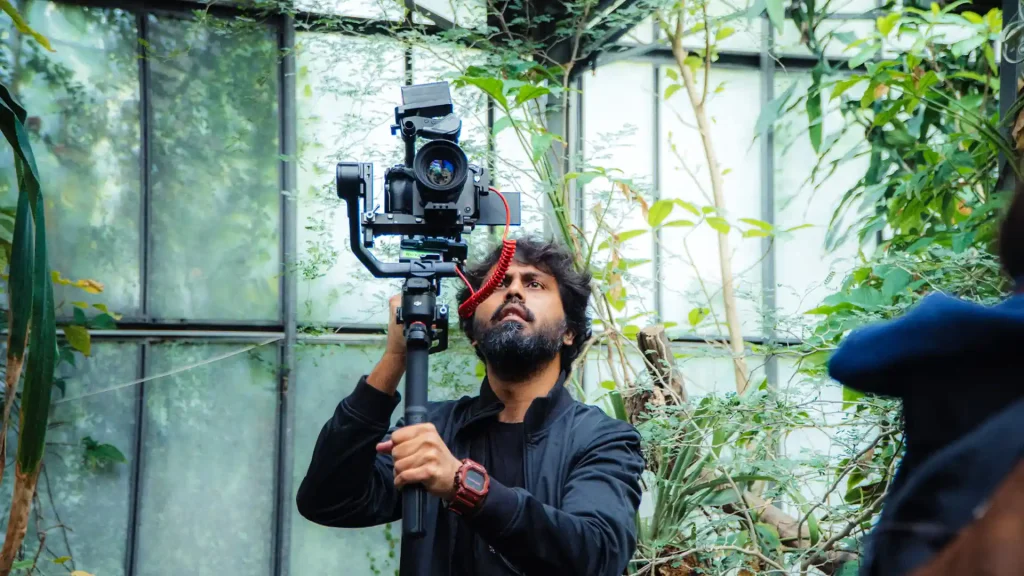
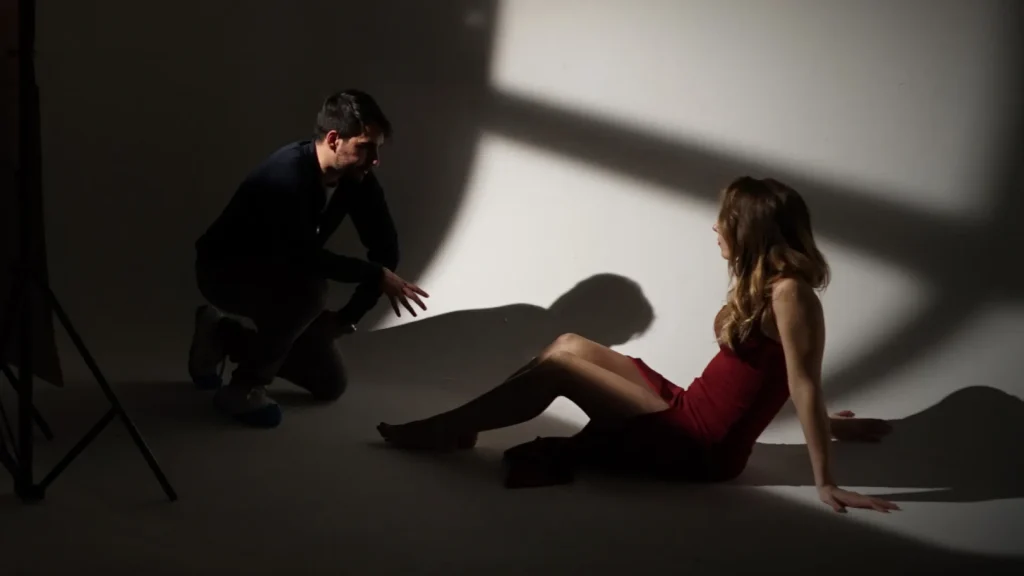
An authorial vision
Cinema becomes a tool for shaping a personal vision. You will work on your authorial identity, learning to transform intuitions, imaginaries and cultural sensitivity into complete audiovisual projects. The programme helps you build a distinctive point of view, capable of moving across narrative, experimentation, visual research and contemporary languages.
From project to set
The programme combines theoretical training, practical labs and opportunities to engage with industry professionals, bringing you closer to the real processes of audiovisual production. Through exercises, projects, seminars, workshops and masterclasses, you will learn to develop an idea, structure it, organise it and carry it through to its final presentation.
It is not only about learning how to make a film, but about understanding which story you want to tell, from which perspective and with what expressive responsibility. Your practice will grow through the dialogue between critical thinking, film culture and production, until it becomes a language capable of engaging with cinema, video art, documentary, the web and new audiovisual formats.
Every stage of the work becomes part of the method: research, writing, preparation, shooting, review, editing and presentation of the project. Intensive activities will allow you to experience rhythms, roles and dynamics close to those of a film set and professional environments, while building materials useful for your portfolio, festivals, collaborations and entry into the professional world.
Study areas
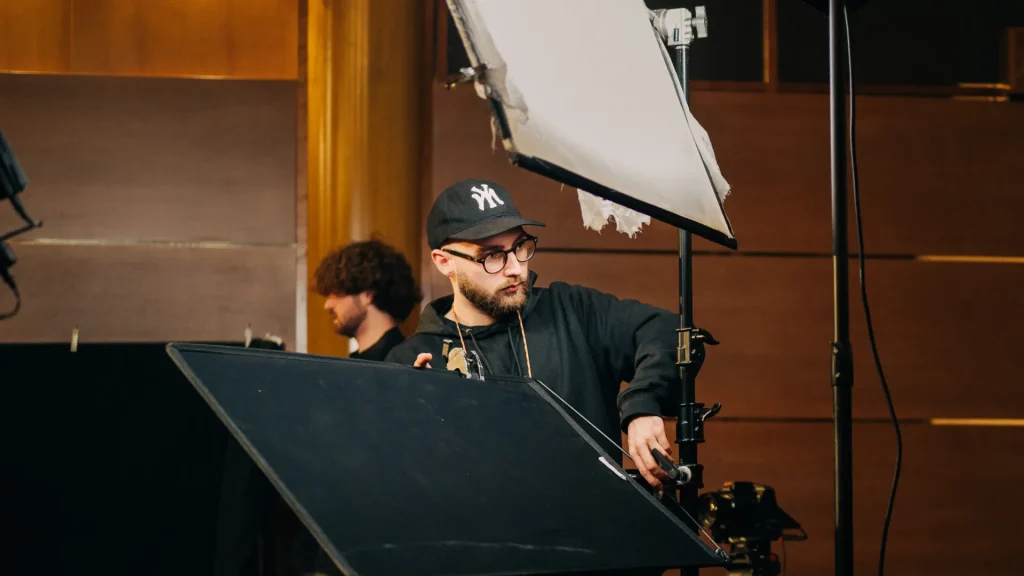
CINEMA AND TELEVISION
In the pathway dedicated to cinema and television you will develop an in-depth knowledge of audiovisual languages and contemporary narrative techniques. Through labs in directing, cinematography, editing and sound, you will learn to conceive and produce film works capable of combining aesthetics and storytelling. The aim is to train well-rounded filmmakers, capable of managing every stage of production, from concept to post-production and distribution.
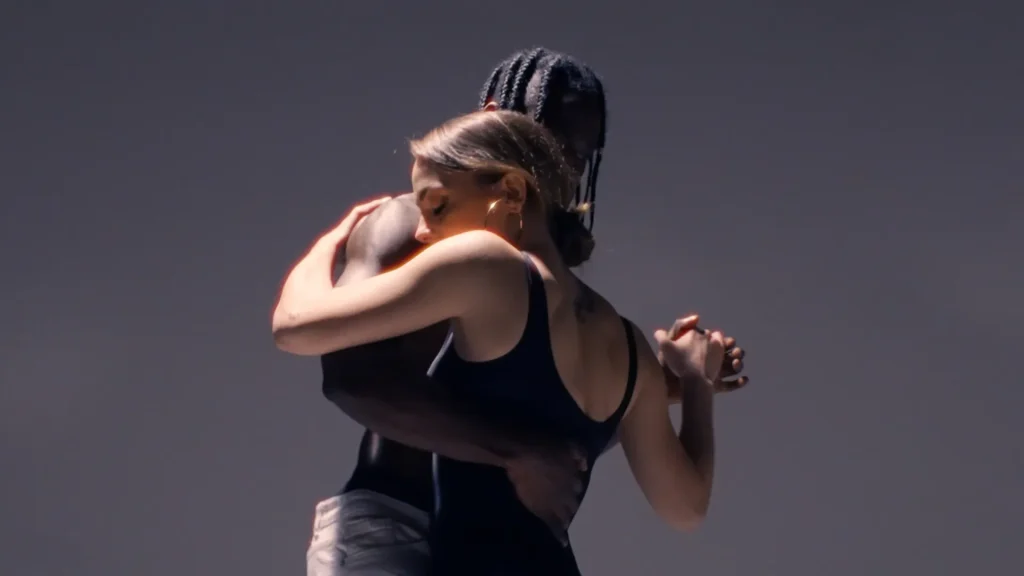
ART AND COMMUNICATION
In this area, cinema meets contemporary art and visual research. You will explore the phenomenology of the image, the sociology of art and the relationship between cinematic language and new media, experimenting with hybrid forms between video art, installations and visual narratives for the web. You will be guided in developing an authorial vision, capable of interpreting and communicating cultural and social complexity through the moving image.
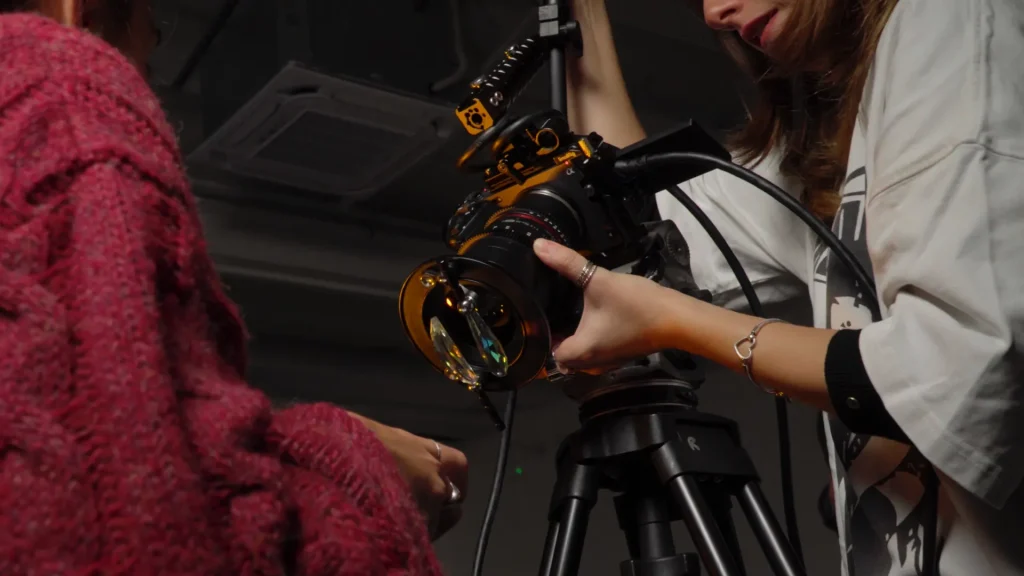
ADVERTISING AND MULTIMEDIA PRODUCTIONS
The area dedicated to audiovisual communication will allow you to apply filmmaking techniques to advertising, documentary production and multimedia productions. You will work on real projects, collaborating with professionals and production companies, experimenting with innovative formats such as branded content, social media video, and transmedia storytelling. You will acquire the skills to design effective and distinctive content for every area of the visual industry.
QUALIFICATION
Master’s Degree
120 CFA
FUTURE CAREERS
- Film Director
- Documentary Director
- Assistant Director
- Production Organiser
- Production Manager
- Director of Photography
- Camera Operator
- Video Editor
- Sound Editor
- Screenwriter
MAIN DISCIPLINES
- Cinema
- Screenwriting
- Cinematography
- Editing
- Sound
- Digital Animation
- 3D
A study method designed for you
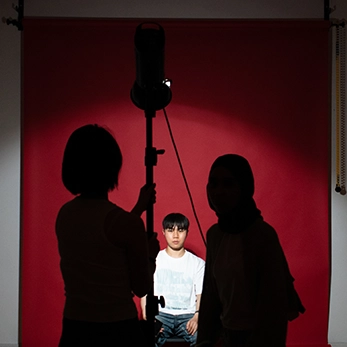
LEARNING BY DOING
In RUFA, you learn by doing. Alongside the solid foundation of a university-level education, you will develop a hands-on approach that allows you to work on real projects, experiment, and build immediately applicable skills. Each course helps you transform ideas into prototypes, artworks, videos, concepts, installations, or products.
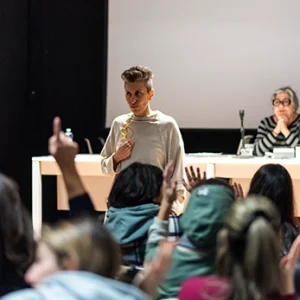
EXTRA DIARY
Workshops, laboratories, exhibitions, talks, and collaborations with companies are an integral part of the learning experience. The classroom opens up to the professional world and becomes a space where you engage every day with professionals, creative directors, artists, and designers. This allows you to understand how the industry you want to grow in truly works.
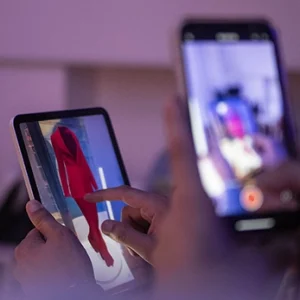
RESEARCH AND CROSS-POLLINATION
Every discipline becomes a space for experimentation. RUFA encourages you to blend languages, visions, techniques, and tools, combining artistic tradition with technological innovation. Here, you can explore, experiment, create connections, and find your own creative identity.
Requirements
ITALIAN STUDENTS
- Bachelor’s degree or equivalent qualification
- Portfolio
EU AND NON-EU STUDENTS
- First-cycle degree valid within the Italian education system
- Portfolio
- B2 certificate in the language of the course
Following admission, NON-EU students will be required to begin the procedure for obtaining a study visa.
Study plan
The RUFA Master of Arts requires students to earn 60 academic credits for each academic year. To obtain the qualification, students must complete the entire study programme, earning a total of 120 CFA (Academic Credits).
Attendance is compulsory for all classes at RUFA’s campuses.
| SUBJECT | ECTS | HOURS |
|---|---|---|
|
Students, organized in different roles, will create a short film to better understand the nature and challenges of this type of work in action. We will start from an idea and then discuss the reasons that led them to follow a particular story. We will then draft a script to produce a short film of maximum 5', retracing the entire creative process up to post-production.
| 10 | 125 |
|
Through the study of specific examples and practical exercises students will acquire the tools to write texts for cinema and narrative techniques. They will develop their personal film point of view by studying different genres and draft a script for a feature film.
| 6 | 45 |
|
The study of filmmaking techniques: the use of the camera to describe a situation, the mood and feelings. The importance of finding a personal point of view that turns into something visible. Working with actors: the evolution of acting, from techniques borrowed from the theater to those specific to cinema.
| 6 | 45 |
|
Theoretical overview of the evolution of film as a form of expression that is closely connected with the development of editing. Study of the editor as a professional figure and his/her role within the cinema production chain. Learning how to use Avid Media Composer software to edit personal short films.
| 8 | 100 |
|
Theoretical and practical knowledge of lighting technology and the use of the camera. Studying the principles governing the use of camera and lighting through practical exercises.
| 8 | 100 |
|
Studying the history of cinema through an approach that allows to develop a critical and analytical outlook. Developing a film analysis method based on an in-depth and distant approach towards traditional categorizations.
| 6 | 45 |
|
Theoretical and historical introduction: from notions related to sound physics to the rise of computers accompanied by digital recording. Technical analysis of some innovative audiovisuals for the history of sound design. Approaching Avid Pro Tools software through practical exercises.
| 6 | 75 |
| Language skills - Internships - Workshops | 4 | / |
| Elective educational activities | 6 | / |
| SUBJECT | ECTS | HOURS |
|---|---|---|
|
In-depth study of film shooting and light set up and lighting of the rooms. Introduction to color grading and color correction. Practice.
| 6 | 75 |
|
Acquiring the essential tools needed to direct the actors by breaking down the characters and scenes. Study of cast research methodologies and procedures, also through case histories. How to select actors for the students' short films.
| 6 | 45 |
|
Vision and critical study of different types of television series. Historical overview and examples that have marked the evolution of the genre. Approach to television writing through practical exercises: episode structure, the characterization of the characters, the dialogues.
| 6 | 45 |
|
Through theoretical studies and practical exercises, acquisition of the necessary dramaturgical tools to create one or more documentaries in which the collective memory, capable of stimulating the spectator who becomes a social actor, is manifested.
| 6 | 75 |
|
Laboratory that aims to trace and bring out the personal and specific film authorship of each student, his/her style, genre and recurring theme. Study of advanced techniques related to creative writing, scriptwriting, storybinding, study and simulation of shots, shooting, editing and review of individual projects.
| 10 | 125 |
|
Practical principles of production starting from some basic rules of the job: the different ways of producing a film according to the budget and the theme while always taking into account the international market. Analysis of the promotion and distribution sectors. Making a short film as a final project.
| 6 | 75 |
|
In-depth study of Avid Pro Tools software combined with a careful analysis of the role of the sound designer within cinema: from pre-production to the creation of a specific sound for a project. Study of the different recording techniques.
| 6 | 75 |
| Language skills - Internships - Workshops | 4 | / |
| Thesis | 10 | / |
Lecturers
-
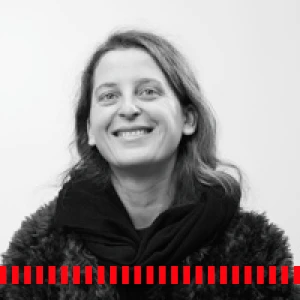
Coordinator
Livia Barbieri
-
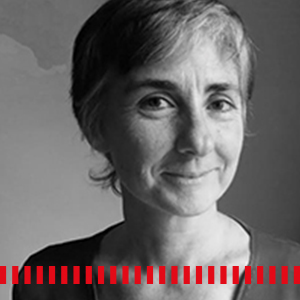
Professor
Mariangela Barbanente
-
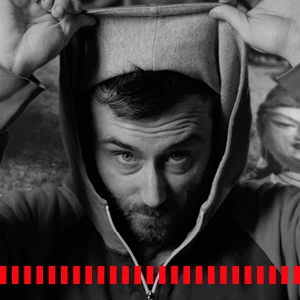
Professor
Sergio Basso
-
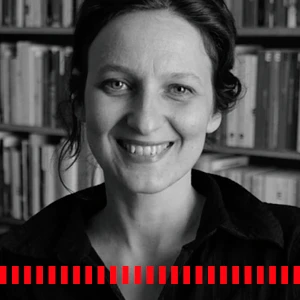
Professor
Marianna Cappi
-
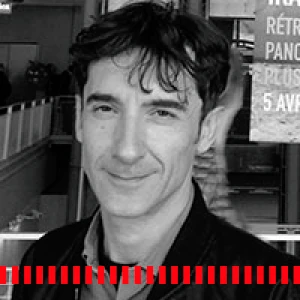
Professor
Donatello Fumarola
-
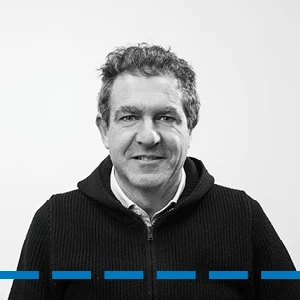
Professor
Federico Landini
-
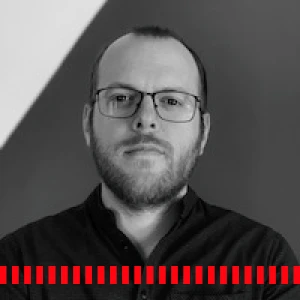
Professor
Mario Marrone
-
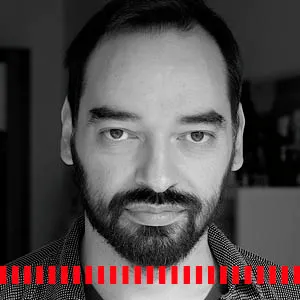
Professor
Alberto Mascia
-
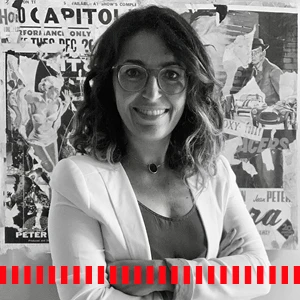
Professor
Francesca Romana Massaro
-
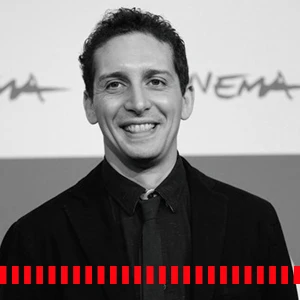
Professor
Fabio Mollo
-
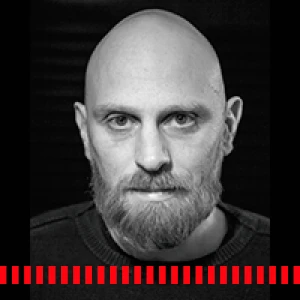
Professor
Francesco Pennìca
-
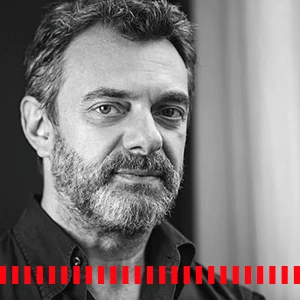
Professor
Stefano Viali
Community Voices

RUFA On Screen: Student Works at Cinema Nuovo Aquila
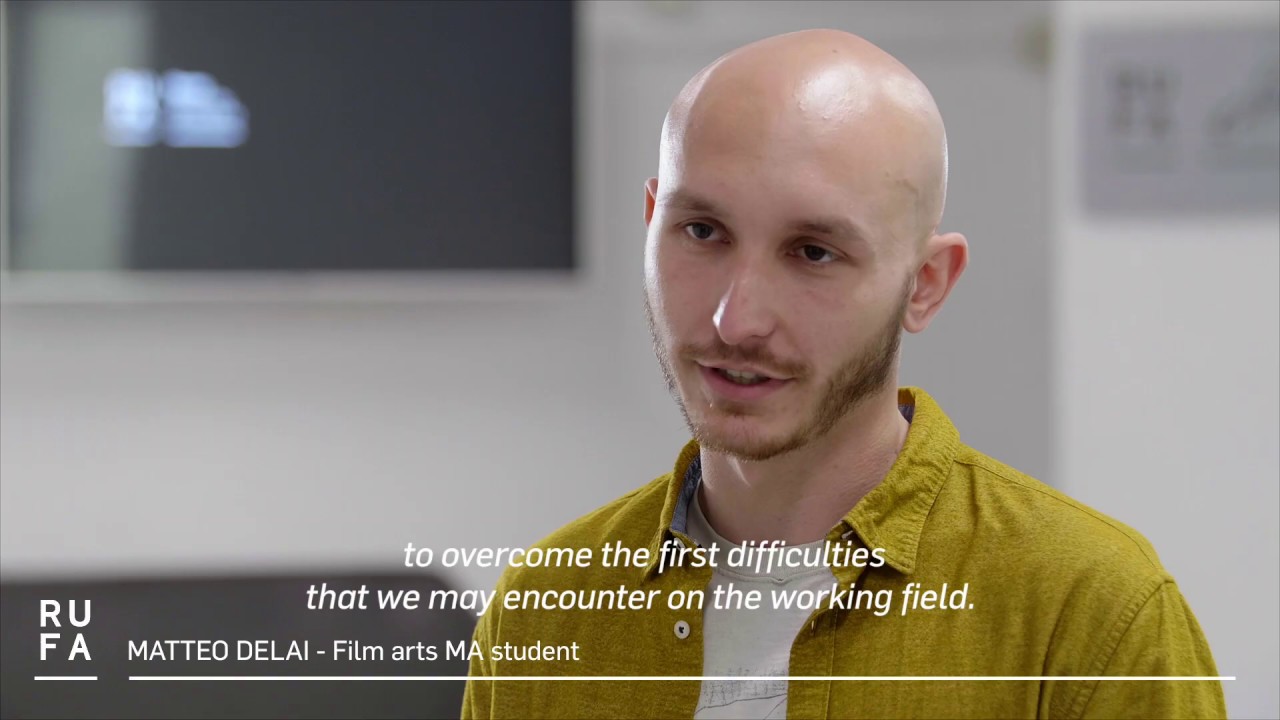
A journey through the Master’s Degree Programme in Film Arts, in 2 minutes
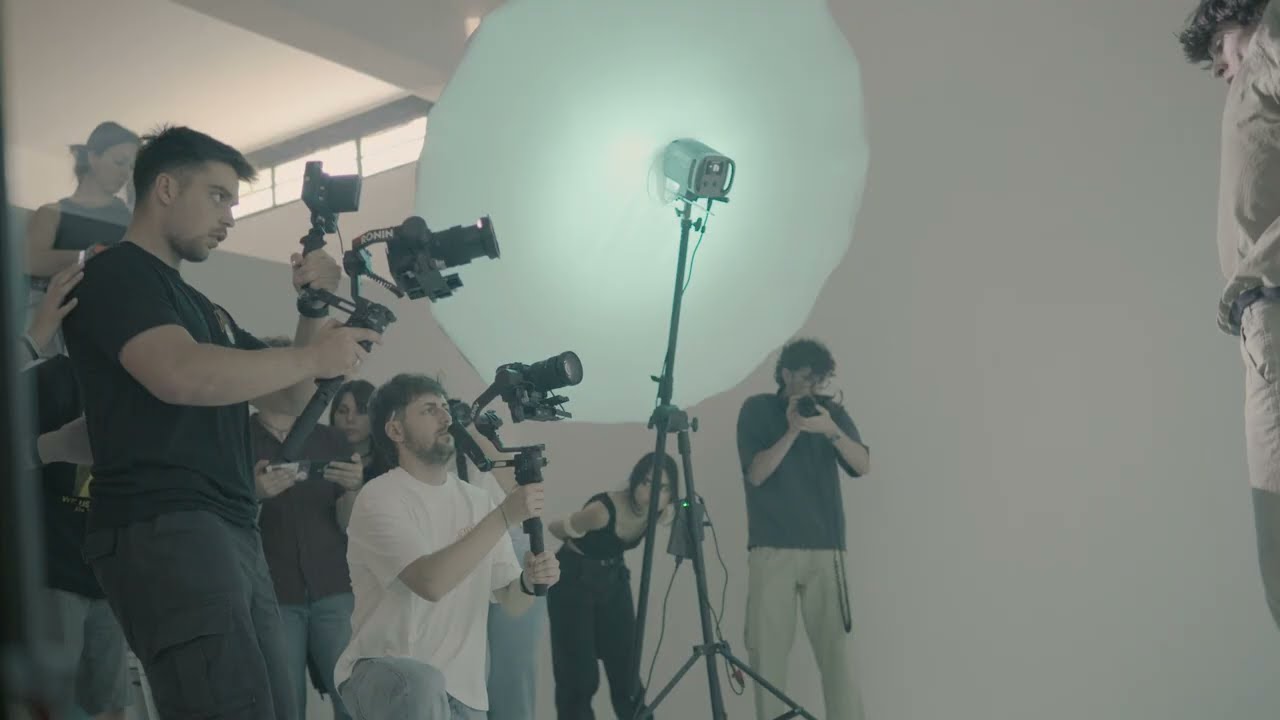
Music Meets Film Arts: Music Videos Created by Students



Request information
News and Events
-
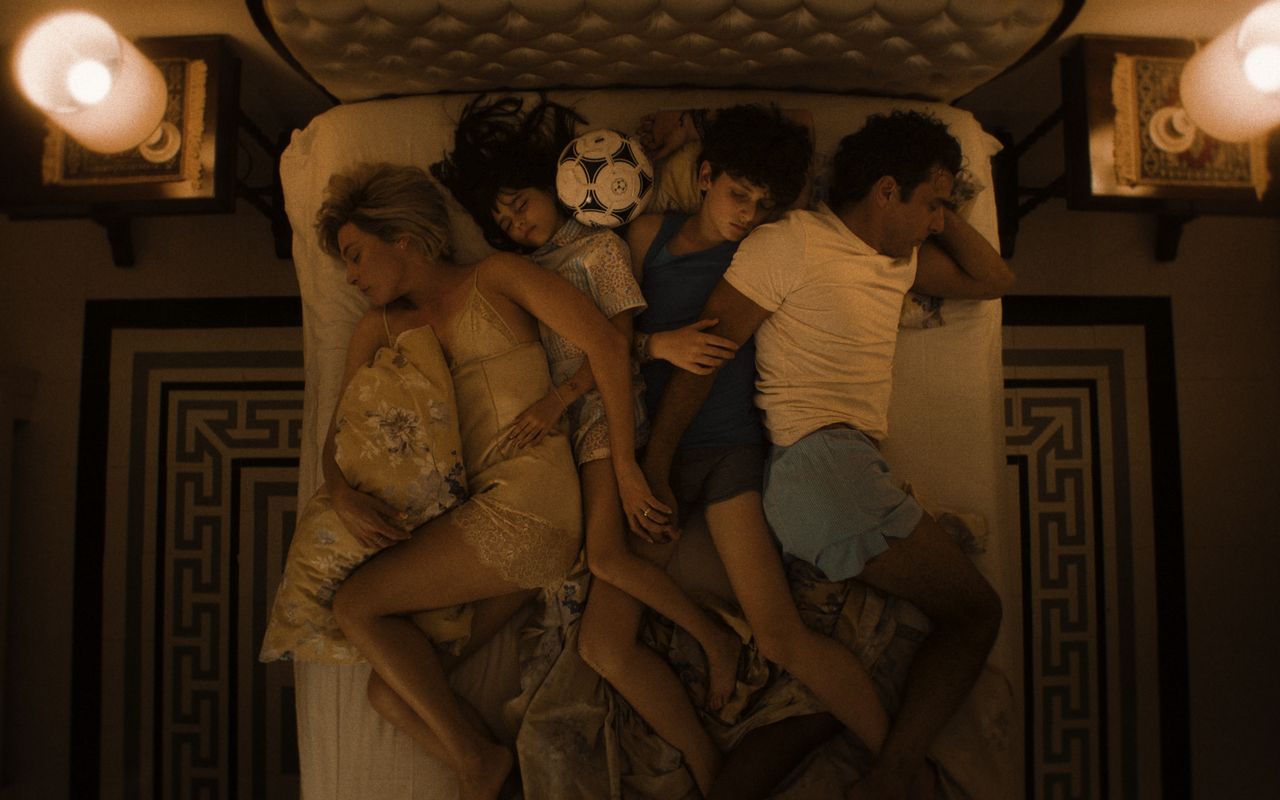
Director Paolo Strippoli at RUFA
The director of L’Estranea meets Cinema students
-
RUFA on the Jury of the 2026 Rai Cinema Channel Award
-
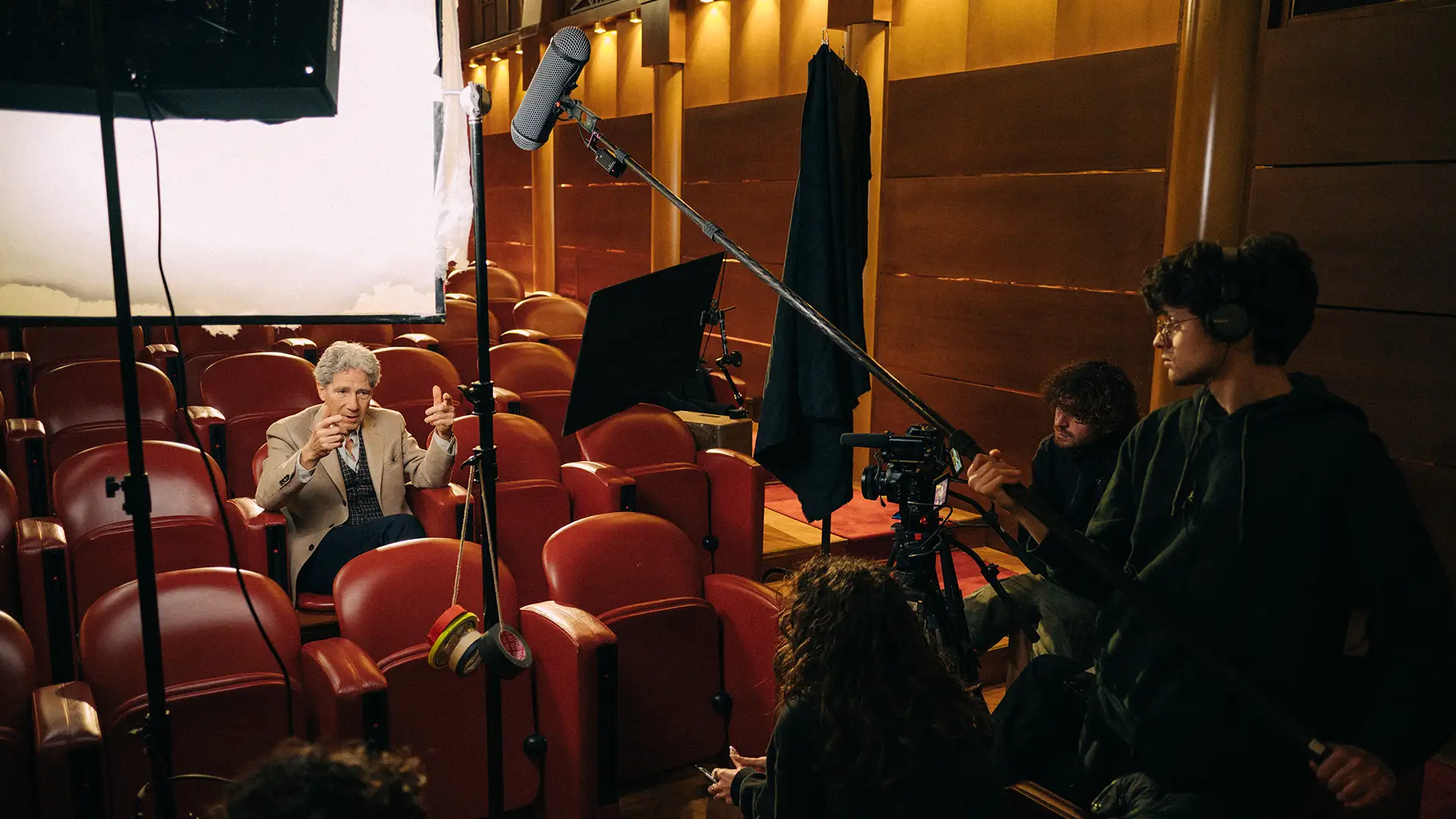
Cinema Degree: How to Turn a Passion into a Profession
-
Music Meets Film Arts 2025
-
Elia Canevascini at the Locarno Film Festival
-
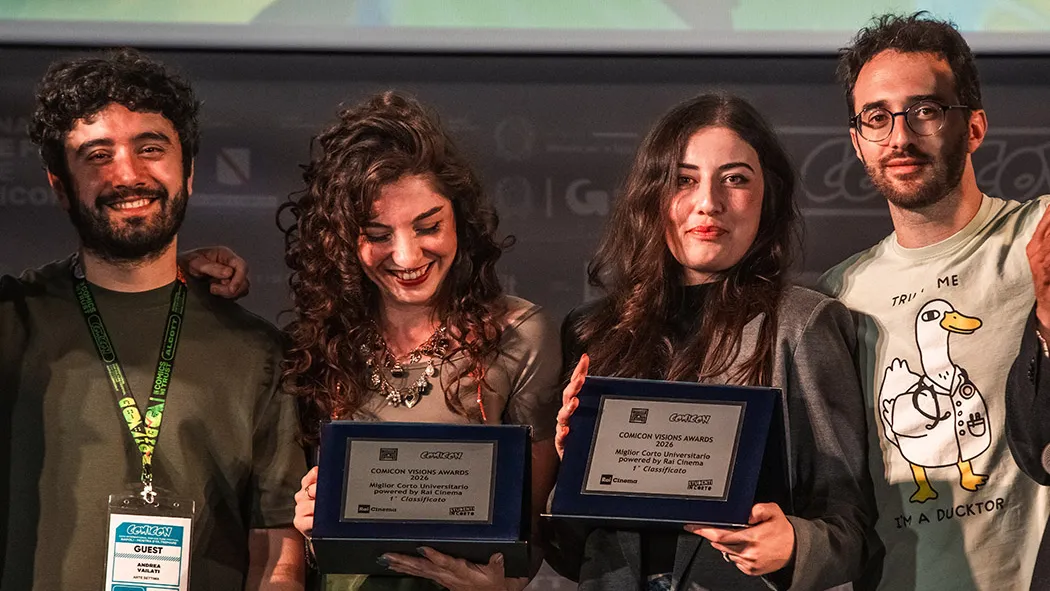
Sabrina La Macchia wins the “Best University Short Film – powered by Rai Cinema” award.
Hai domande sul mondo RUFA? Siamo qui per orientArti!
Il nostro team orientamento è qui per te tutto l’anno, pronto a rispondere ad ogni tua domanda.