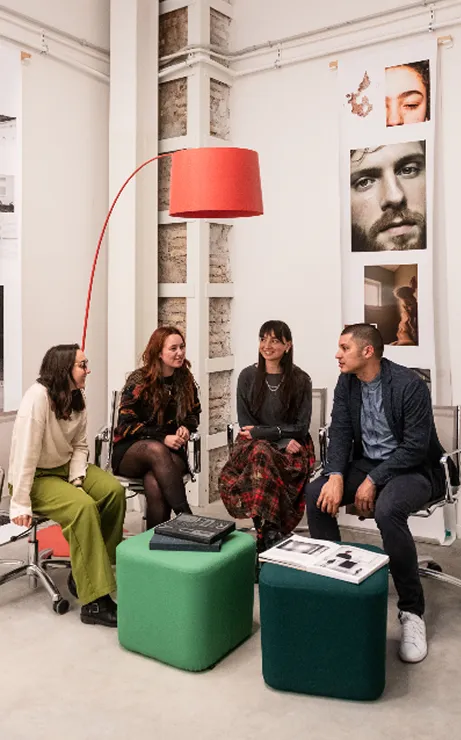
You will play a central role in all visual communication projects, from publishing to unconventional marketing, from corporate identity to advertising, from signage to promotional campaigns.
Graphic Design
DURATION > 3 YEARS
ROME > ITALIAN or ENGLISH
MILAN > ITALIAN
COURSE START > OCTOBER
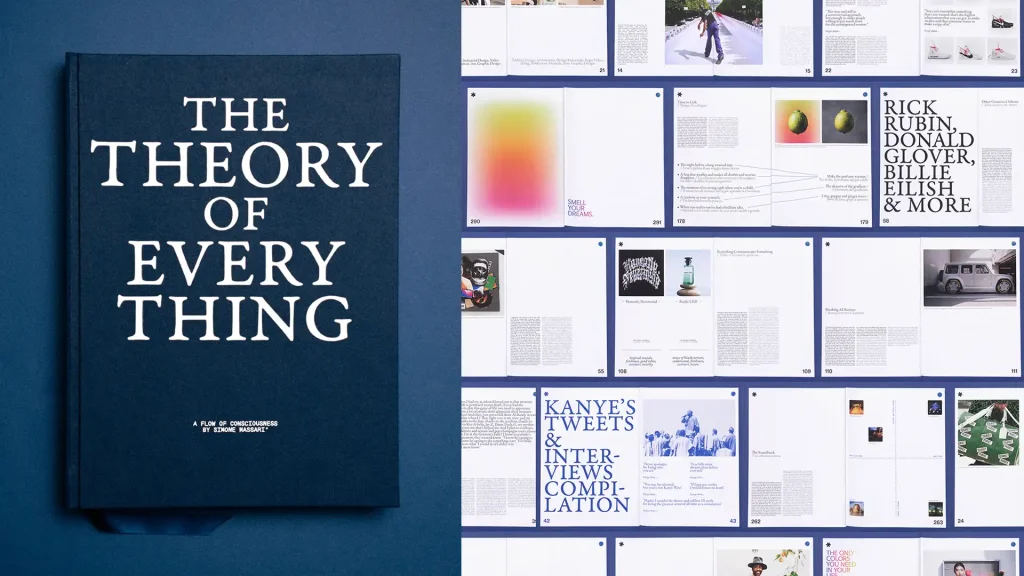
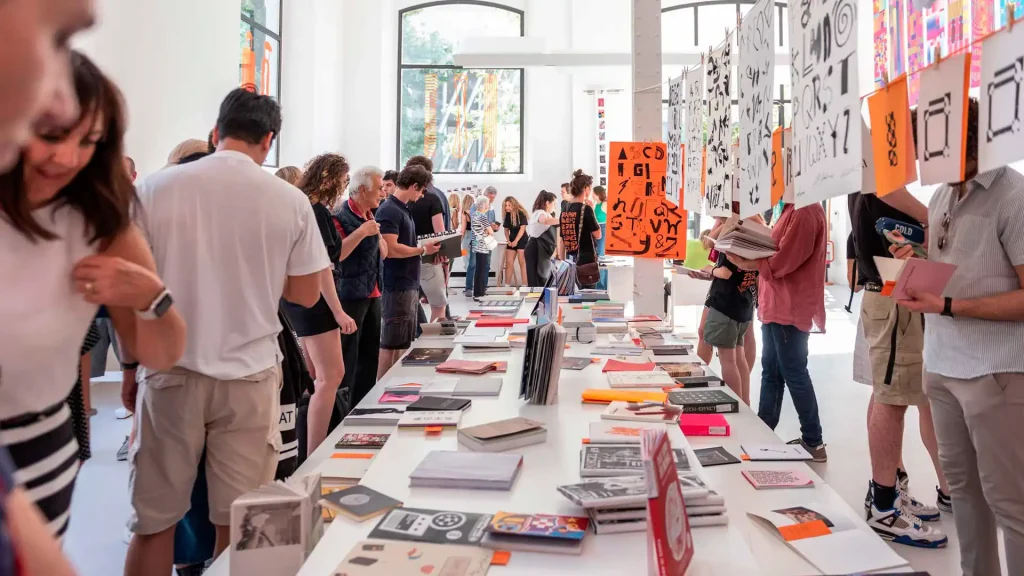
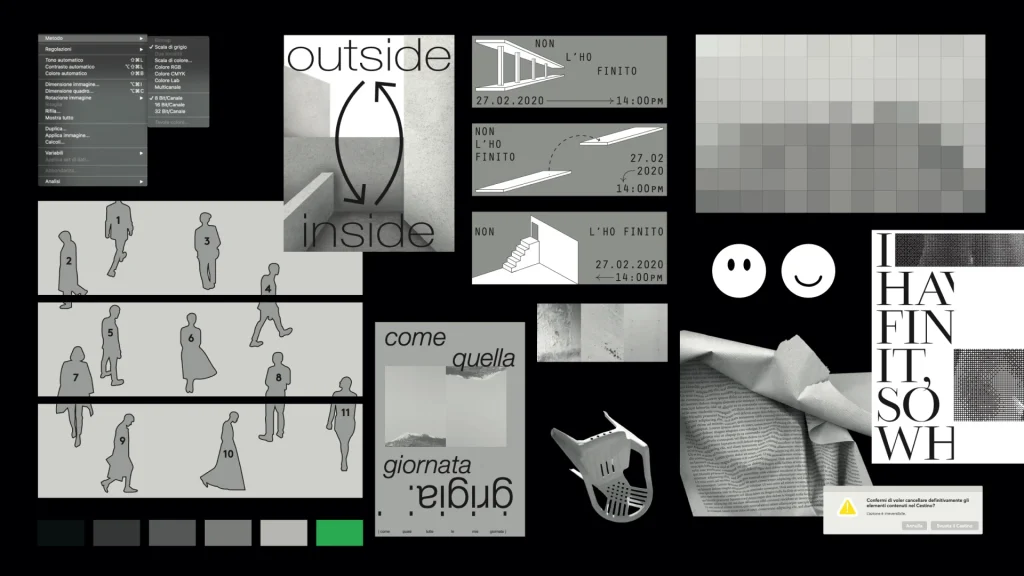
The Signs Around You
Here you can explore visual communication in all its forms: from publishing to packaging, from web design to advertising. You will learn to create visual identities, campaigns and innovative graphic design projects, developing a personal style capable of engaging with the languages of the present.
Designing Visual Systems
You will become a professional capable of conceiving and managing complex visual systems, combining aesthetics, functionality and strategic thinking. Thanks to a solid theoretical and technical education, you will be able to work in creative agencies, design studios and companies, contributing to the development of their image.
Fields of Study

VISUAL COMMUNICATION
You will develop the ability to design coherent and impactful visual languages, integrating typography, colours and images. You will learn to translate concepts and values into effective forms of communication for publishing, brands and digital media.
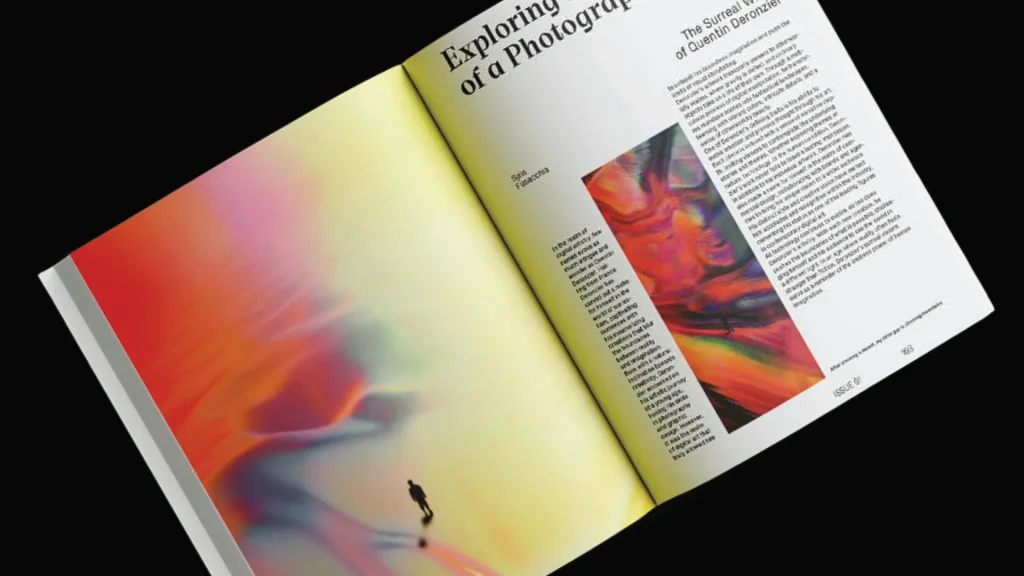
PUBLISHING
You will explore graphic design techniques applied to publishing and advertising, learning to create layouts, covers, campaigns and promotional materials. You will acquire the skills to work across print and digital media, with a focus on visual and narrative consistency.

CORPORATE IDENTITY
You will learn to conceive and develop complete visual identities for companies, organisations and products. From logo creation to defining the graphic language, you will work on consistency between image, values and communication strategies.
QUALIFICATION
Bachelor of Arts
180 CFA credits
FUTURE CAREERS
- Art Director
- Graphic Designer
- Creative Copywriter
- Illustrator and Visual Designer
- Brand and Corporate Identity Specialist
- Web Designer
- Editorial Graphic Designer
- Advertising & Social Media Specialist
MAIN SUBJECTS
- Graphic Design
- Web Design
- Copywriting
- Packaging
- Editorial Design
A study method designed for you
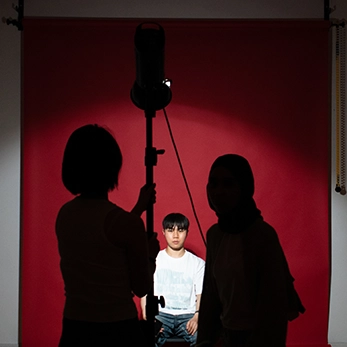
LEARNING BY DOING
In RUFA, you learn by doing. Alongside the solid foundation of a university-level education, you will develop a hands-on approach that allows you to work on real projects, experiment, and build immediately applicable skills. Each course helps you transform ideas into prototypes, artworks, videos, concepts, installations, or products.

EXTRA DIARY
Workshops, laboratories, exhibitions, talks, and collaborations with companies are an integral part of the learning experience. The classroom opens up to the professional world and becomes a space where you engage every day with professionals, creative directors, artists, and designers. This allows you to understand how the industry you want to grow in truly works.
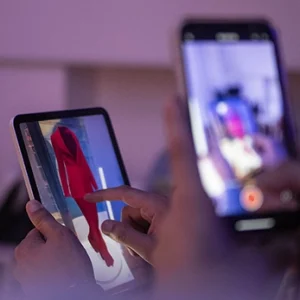
RESEARCH AND CROSS-POLLINATION
Every discipline becomes a space for experimentation. RUFA encourages you to blend languages, visions, techniques, and tools, combining artistic tradition with technological innovation. Here, you can explore, experiment, create connections, and find your own creative identity.
Requirements
ITALIAN STUDENTS
- High School Diploma
EU AND NON-EU STUDENTS
- High school diploma valid for the Italian higher education system
- B2 certificate in the language of the course
Following admission, NON-EU students will be required to start the procedure for obtaining a study visa.
Study plan
The RUFA Bachelor of Arts requires the acquisition of 60 academic credits for each academic year.
To obtain the qualification, students must complete the entire study programme, achieving a total of 180 CFA (Academic Formative Credits).
Attendance is compulsory for all classes at RUFA’s campuses.
| SUBJECT | ECTS |
|---|---|
|
Useful techniques and tools for creating the creative and operational aspects of your graphic work. The objectives are to sharpen the logical-design skills of the students by using geometry and composition and to teach them how to create a brand, from the initial phase to construction, up to the use of the brand manual.
| 10 |
|
Basic techniques and tools: software for the management and creation of an editorial layout; software for managing files, vector and picture images; software for managing print and interactive files; software for designing graphic interfaces and user flows.
| 10 |
|
Basic knowledge of the history of graphic design. Its various forms and meanings developed over time: from Gutenberg, to the twentieth century, to the twenty-first century. The production and way of thinking of the major key players of each period will be studied in-depth, while focusing on the technical innovations that are impulses necessary for creative thinking.
| 8 |
|
Graphic design: history of visual communication to acquire theoretical-critical foundations, practical phase to acquire knowledge and create the concepts related to typeface, composition, visual and layout.
| 12 |
|
The foundations of the history of photography through the study of images and the authors who created them. Practical exercises: setting up the camera and artificial lighting. The light room and the connections with the dark room. The new possibilities that development, post production and editing software offer.
| 8 |
| An elective subject to be chosen between: | |
|
The Sign, the Interpretation, the Text and the Image are the main themes and interpretative tools of semiotics. Analysis of the art world: painting, sculpture and architecture, up to the most modern forms of digital art.
| 6 |
|
In-depth study of the history of illustration, design of the drawn image, manual practice through art techniques, up to the creation of the student’s own sketch book.
| 6 |
| Elective educational activities | 6 |
| SUBJECT | ECTS |
|---|---|
|
Management of the processes and practices related to the visual communication design. Students will become aware and independent when dealing with graphic design culture. Identification of the methodologies that are typical of the various fields of graphic design (which can be seen in structuring and problem solving), both from a theoretical and practical point of view. Given a specific theme as a case study, development of a design process capable of guaranteeing a high quality result both on in theory and practice.
| 6 |
|
Study of the moments and protagonists of the phenomenology of art. Among them: classical Greek art (Polykleitos' balance), paleochristian art, the anthropocentrism of the 1400s, Baroque, Impressionism and Avant-garde of the 1900s.
| 6 |
|
Learning design methodologies and theoretical and practical tools to communicate complex concepts. Communication of an event / exhibition through which students will try their hand at various assigned themes. In-depth study of light and color in the field of physics, chemistry and neuroscience applied to graphic design.
| 12 |
|
Study of the methodology and operational tools for designing and creating websites: technologies, rules, limits and state-of-the-art possibilities. Web design, content and site map, wireframe and mockup, setup for the development based on Wordpress with a predefined template, using HTML and CSS languages and developing the knowledge of CSS3 animations. Planning, design and development of a responsive website.
| 8 |
|
Theoretical and practical teaching of the basic notions related to the layout of any type of editorial project. Preparation for any type of production, print and digital.
| 8 |
|
In-depth study of the photographic language, from the lexicon to the contemporary grammar. The main objective is the development of the author’s voice, intended as a distinctive mark and a tool for effective market positioning. Design thinking applied to photography will allow the student to create increasingly complex projects for images at the service of the contemporary visual field; tackle and manage the use of the Photography in contemporary, classic and digital media.
| 6 |
|
Build concepts, images and persuasion mechanisms through words. Communicating to make products and ideas real, known, desirable. The classes include theory, practical exercises and the continuous and constant creation of solid and feasible concept strategies. The course is held in collaboration with other methodological subjects.
| 4 |
|
Through a theoretical program, the course intends to present and bring to the attention of the student the range of different printing and setting up techniques and technologies, connected with the various materials, that regard the physical artefacts related to the profession of the visual designer.
| 6 |
| Elective educational activities | 4 |
| SUBJECT | ECTS |
|---|---|
|
The scene of broad-based communication: useful tools to draw a map of the present and to consciously and critically create a personal work. Analysis of the anthropological transformation of our time that adds value to communication and the imagination, with a focus on the knowledge worker.
| 6 |
|
Development of design skills with a dynamic and strategic approach: from the conception to the creation of a visual system with an impactful message. Ability to face, interact and control the emerging means of communication, as well as the conventional ones, and use them in relation to the target. Study of advertising: from the concept to the communication channels, up to the layout and composition rules. Creation of an advertising campaign.
| 12 |
|
History of packaging design and focus on the profession of the packaging designer. Study of the functional, aesthetic and semantic aspects of packaging, materials, standards and design details for cardboard packaging. Analysis of geometric shapes, paying particular attention to the transition from the two-dimensional to the three-dimensional world. Communication: shape, materials and color. Practical procedures for presenting the project.
| 6 |
|
Reinforcement of the concepts learned, that are applied to broader communication campaigns and projects, also in collaboration with the other design subjects. The course aims to adequately prepare students to enter the job market.
| 4 |
|
First approach to animation: technical tools and creative skills for the creation of animated graphics and motion graphics products. Learning and use of software for the creation of effects, photo editing, graphic design; arriving to the final project through animation, compositing and rendering.
| 6 |
|
Two-dimensional drawing and three-dimensional modeling techniques with specific software. File management and document exchange between 3D and architecture software. Features of the software to study lights and materials to simulate reality through the creation of the photographic image.
| 6 |
|
Generative design and the Creative Coder professional: integration of the visual communication skills with those of programming. Parametric design: union of mathematics and creativity.
| 4 |
|
In-depth study of themes and topics related to the art field through the use of different vocabulary and styles to improve the students’ communication skills in English.
| 4 |
| Further language and interpersonal skills, internships, etc. | 4 |
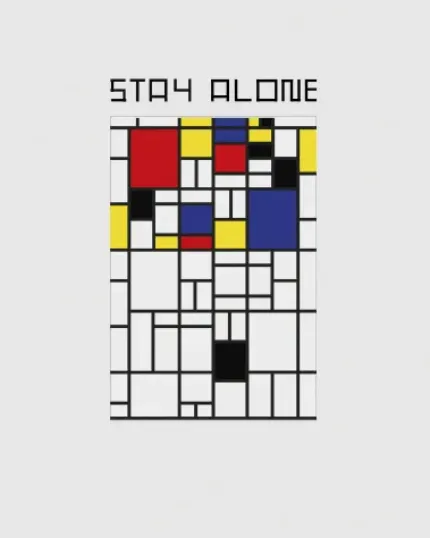
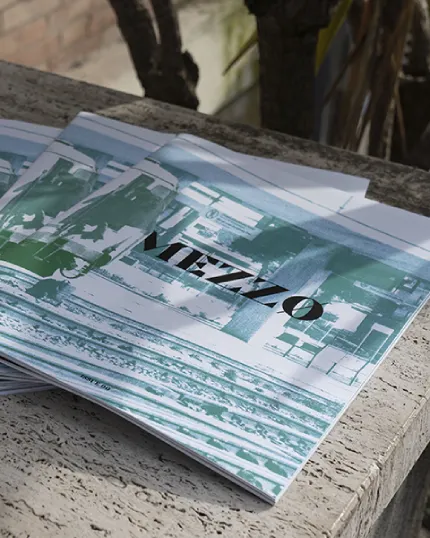
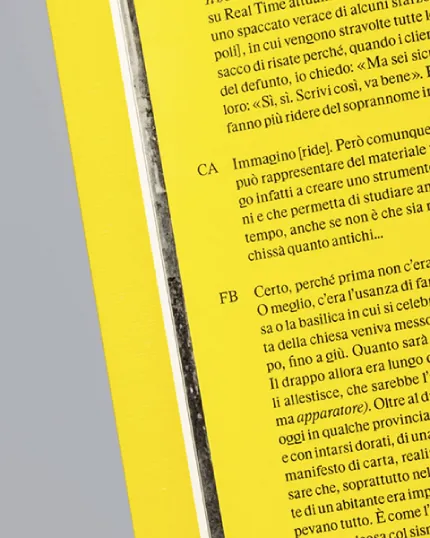
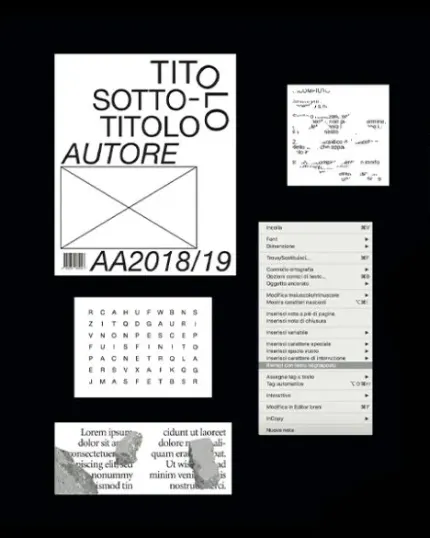
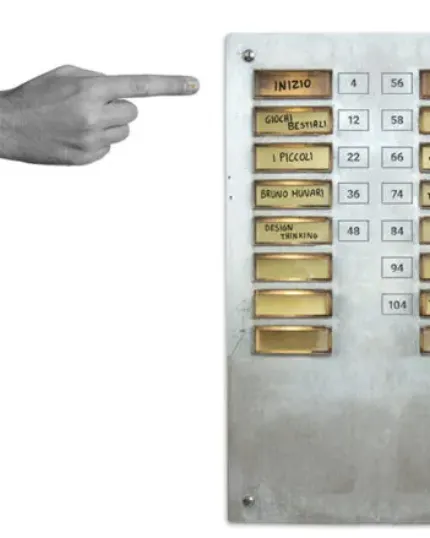
Student Projects

Faculty
-

Tutor
Francesco Paolo Incantalupo
-

Professor
Agnese Angelini
-

Professor
Maria Pina Bentivenga
-
Professor
Stefano Bianchi
-

Professor
Giulia Boccarossa
-

Professor
Barbara Boiocchi
-
Professor
Paolo Buonaiuto
-

Professor
Emanuele Cappelli
-

Professor
Andrea Cavallari
-
Professor
Stefano Cipolla
-
Professor
Stefano Compagnucci
-

Professor
Alessio Cremisini
-

Professor
Roberta De Cristofaro
-

Professor
Genny Di Bert
-
Professor
Caterina Di Rienzo
-

Professor
Rosario Di Vincenzo
-
Professor
Giulio Fermetti
-
Professor
Francesco Fidani
-

Professor
Gaia Formigari
-
Professor
Emanuele Frascà
-

Professor
Lorenzo Iervolino
-

Professor
Jurgen Janku
-

Professor
Davide Luccini
-

Professor
Stefano Mavilio
-
Professor
Massimiliano Napoli
-

Professor
Antonio Pace
-

Professor
Enrico Parisio
-

Professor
Stefano Perrone
-
Professor
Luigi Pierantoni
-
Professor
Fabrizio Pizzuto
-

Professor
Irene Rinaldi
-

Professor
Christian Rizzo
-
Professor
Fabrizio Matteo Rossi
-

Professor
Simone Santilli
-

Professor
Lucia Sforza
-

Professor
Camilla Spaccasassi
-

Professor
Andrea Vendetti
-

Professor
Malica Worms
Community Voices
GRAPHIIIC: On Display at MAXXI

RUFA Partner of MagToMag 2025
[2K20] Sensory Printing – The Exhibition








Request information
News and Events
-
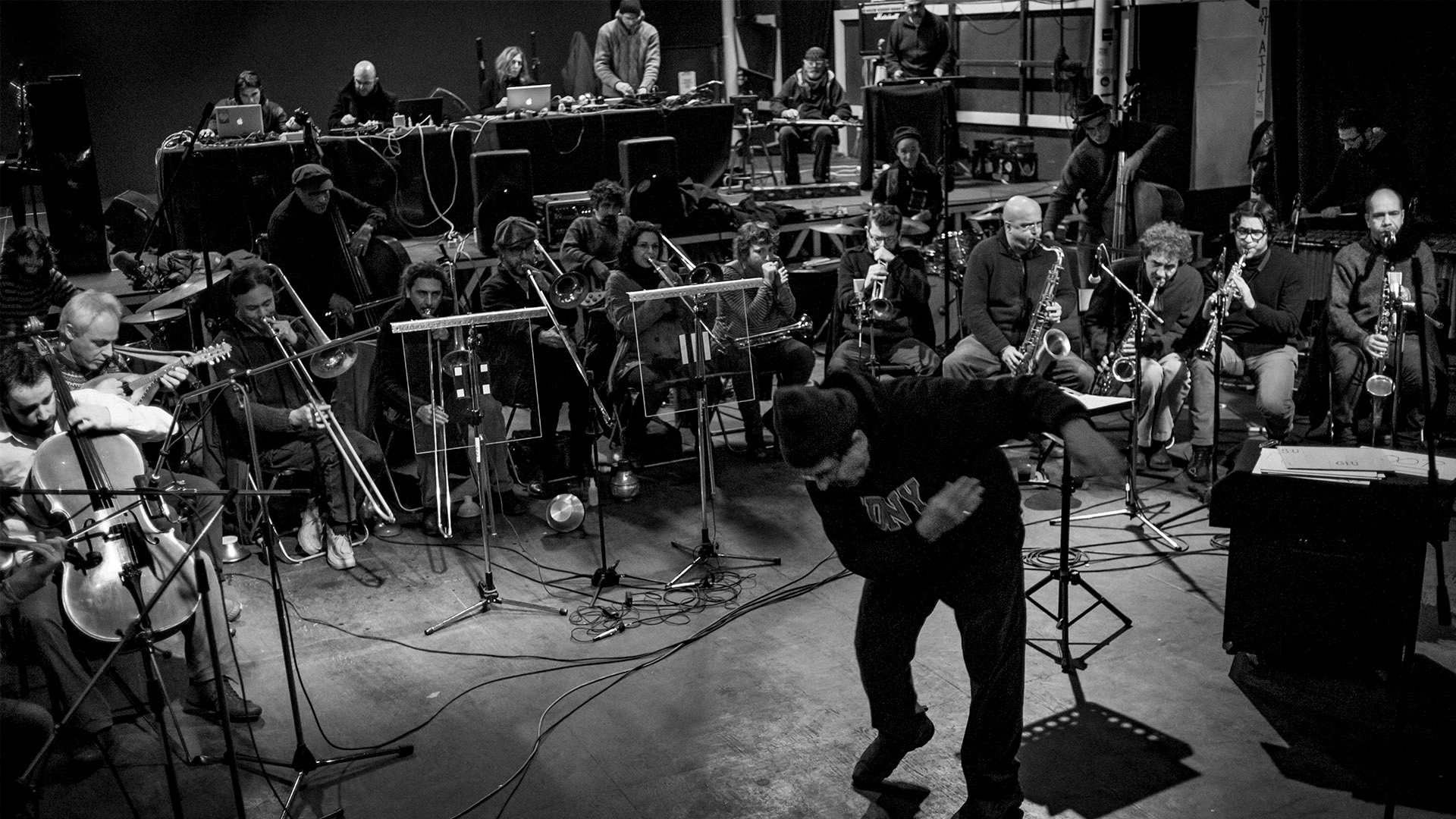
ROMAN RUINS
Talk & Live Performance
-
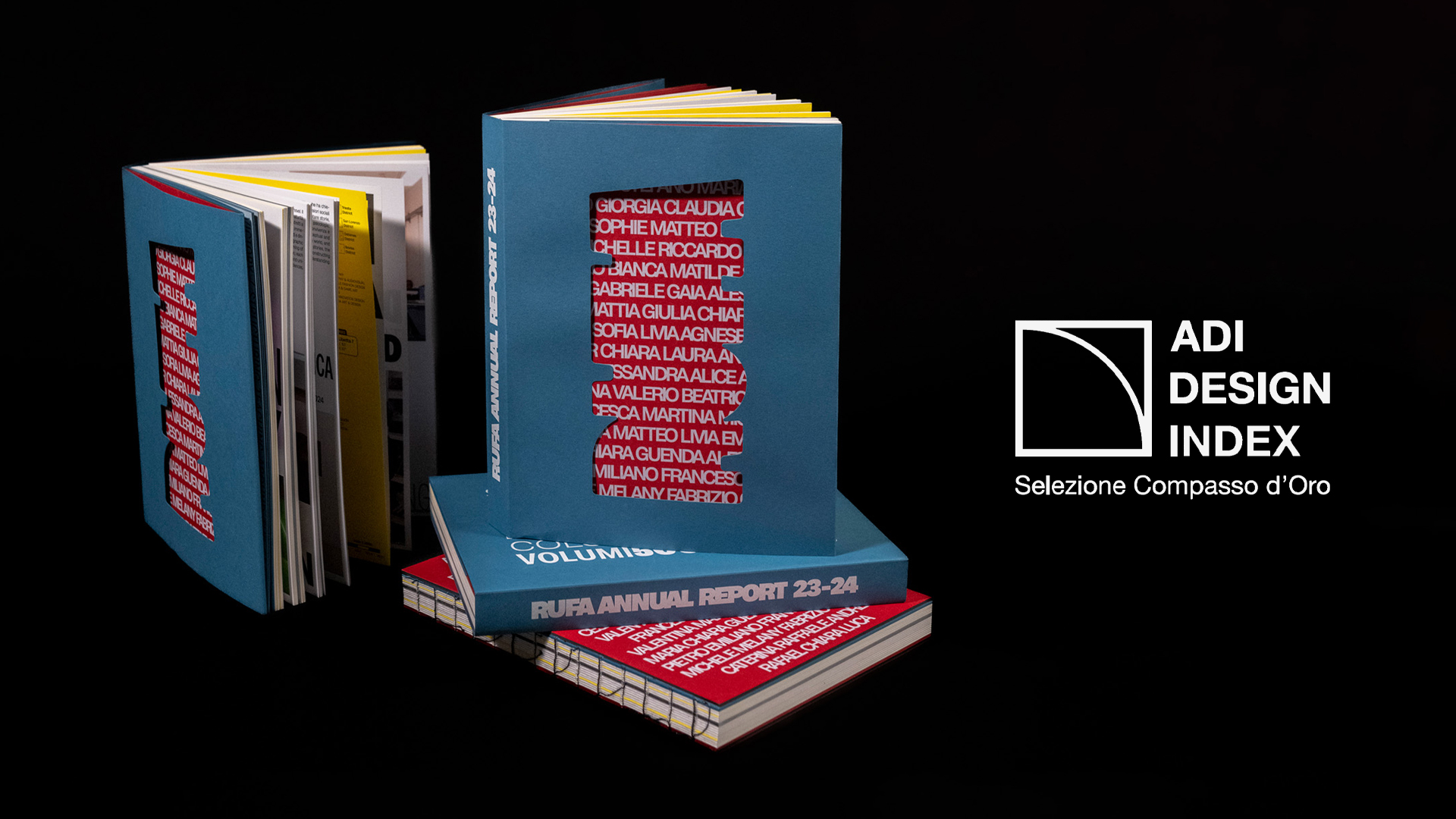
RUFA Annual Report selected for ADI Design Index 2026
-
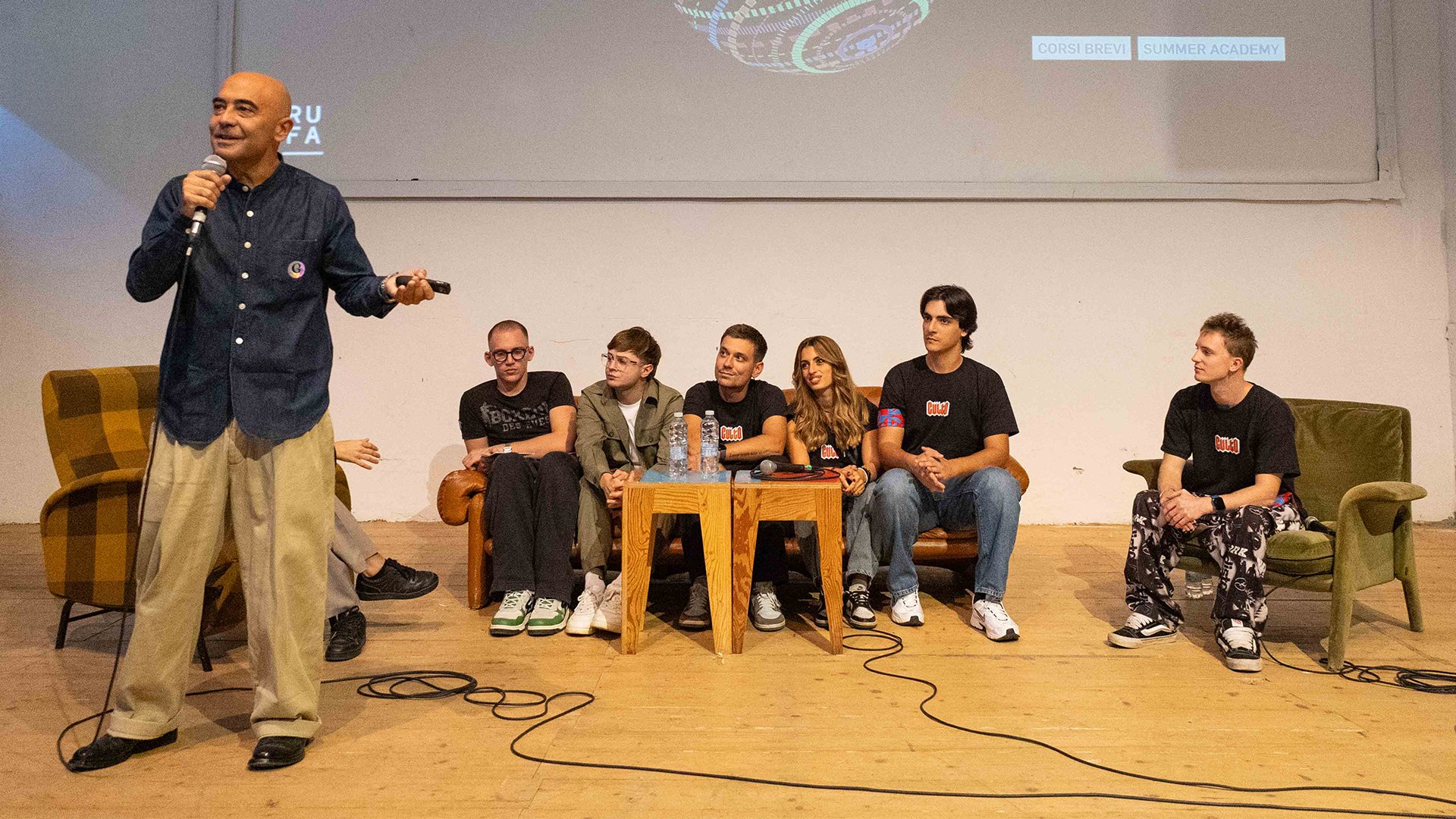
RUFA at MAG TO MAG 2026
Designing magazines through creativity, research and social impact.
-
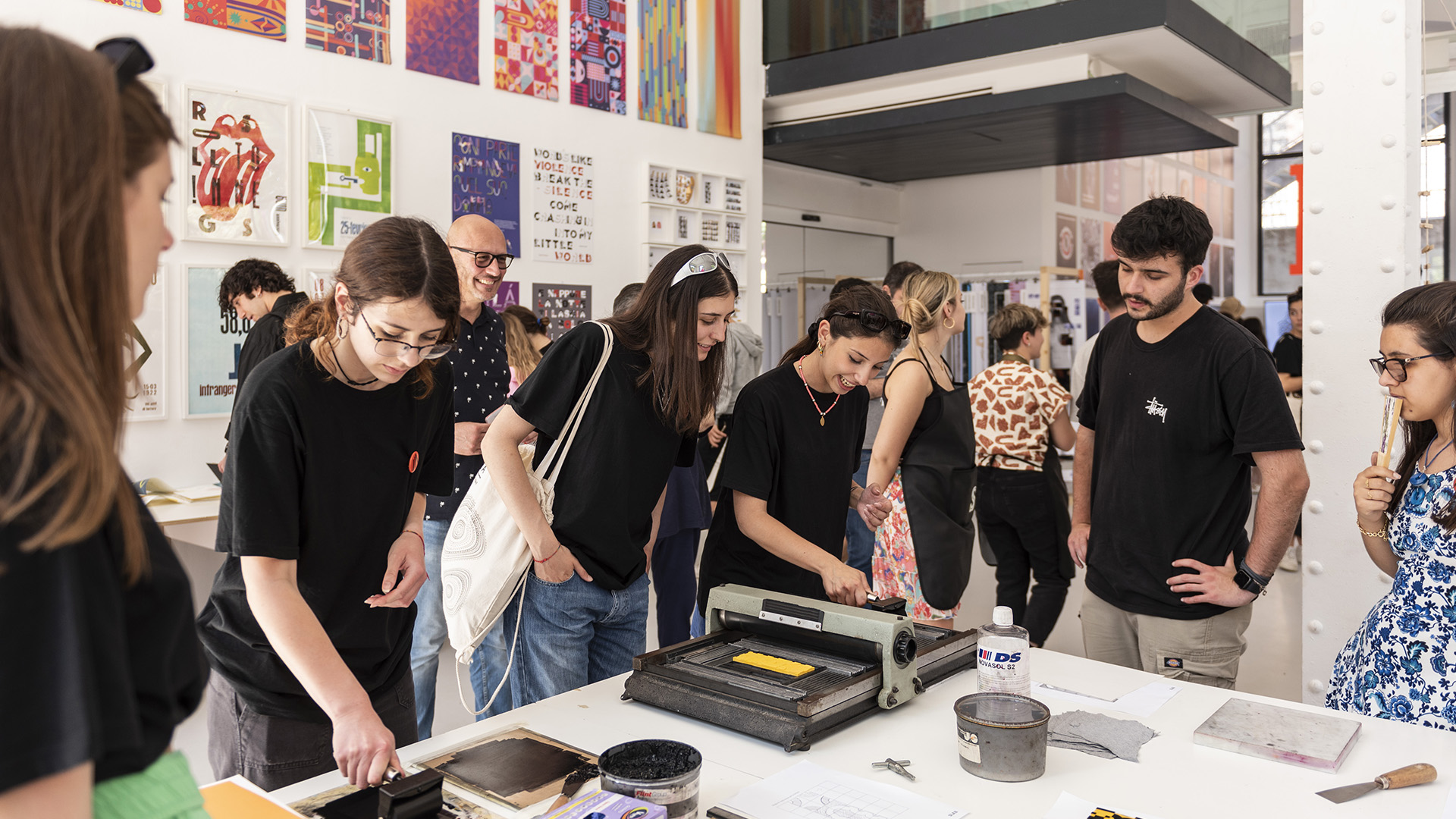
Graphic Design and Artificial Intelligence: The Project Comes First
-
RUFA Editorial Space
IN EDICOLA A VIA OSTIENSE
-
RUFA and Saint Louis: creativity comes Milan
BOVISA AL PLURALE: voices, spaces, stories
Do you have questions about the RUFA world? We are here to guide you!
Our guidance team is here for you all year round, ready to answer all your questions.