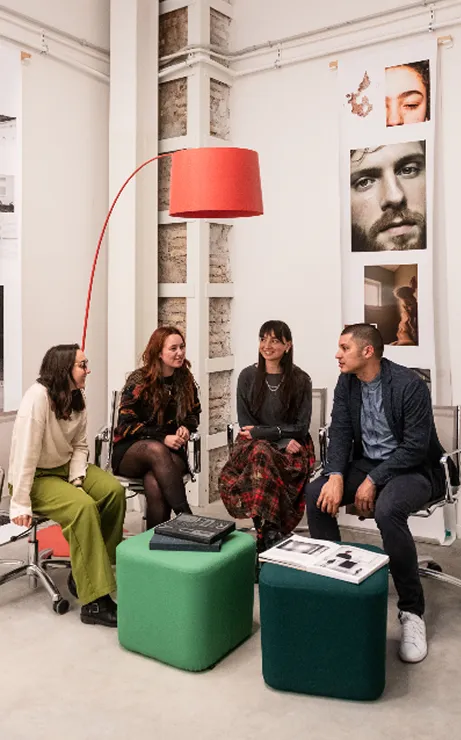
You will refine advanced technical and design skills, supported by a programme enriched by collaborations, internships and work placements with leading organisations in the Italian set design industry, gaining practical and up-to-date experience to open the door to professional careers in the world of entertainment, cinema, television and theatre.
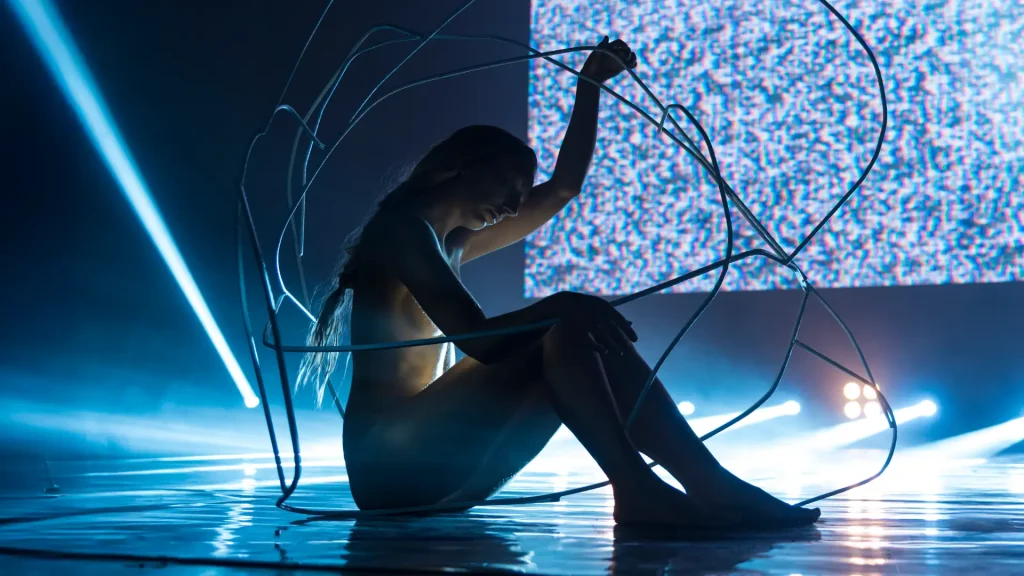
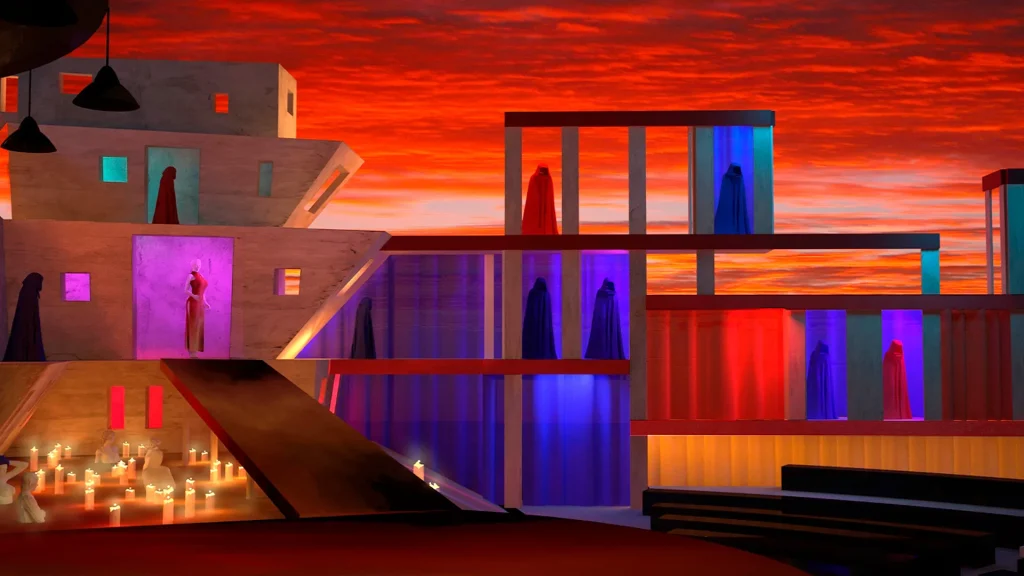
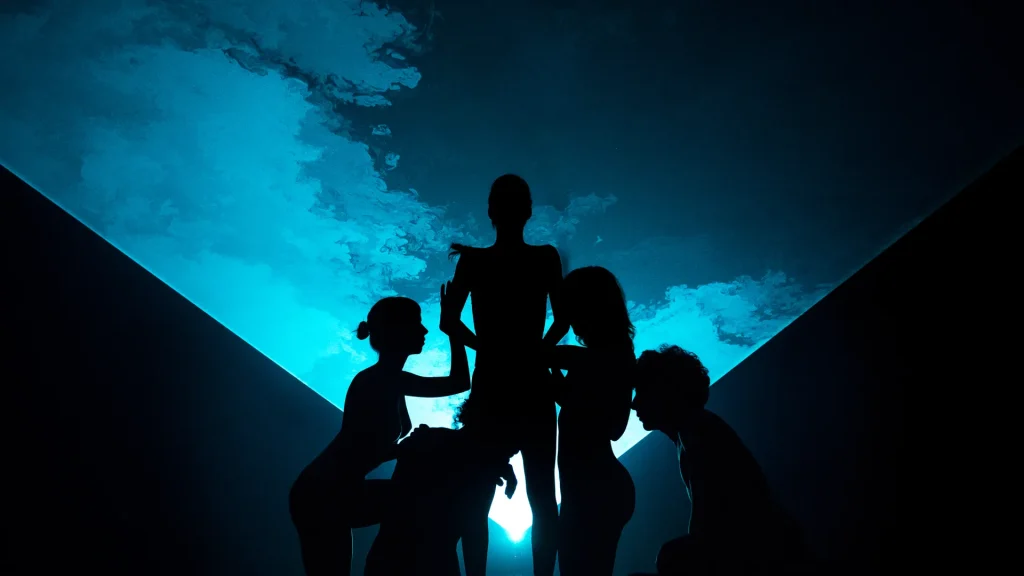
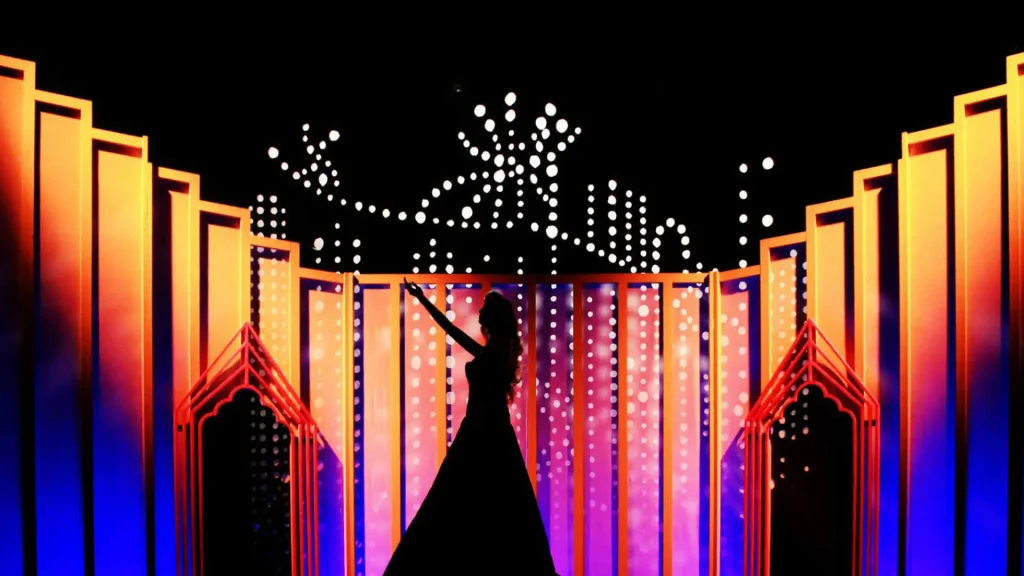
Creating and managing space
Space is not merely a container, but a living element of the narrative. You will learn to think in three dimensions, reading depth, proportions, materials, light and movement as parts of a single scenic project.
From visual idea to scenic space
You will become a professional capable of thinking both creatively and technically, designing and creating sets with lighting, materials, fabrics, furnishings, decorations and costumes, transforming ideas into engaging scenic environments.
Every environment becomes a visual construction capable of conveying an atmosphere, supporting an action and transforming the audience’s perception. The programme will lead you to develop a broad design sensitivity in which imagination, technique and scenic culture come together to create places, worlds and narrative devices.
The programme combines advanced technical and design specialisation with practical experiences connected to the world of set design, entertainment and installations. Through labs, collaborations, internships, work placements and applied projects, you will engage with dynamics close to professional contexts, learning to manage schedules, roles, materials, production constraints and final delivery. The programme prepares you to work confidently across theatre, cinema, television, advertising, events, exhibitions, fashion shows, performances and exhibition spaces, developing a profile capable of moving between concept development, design and production.
Study areas
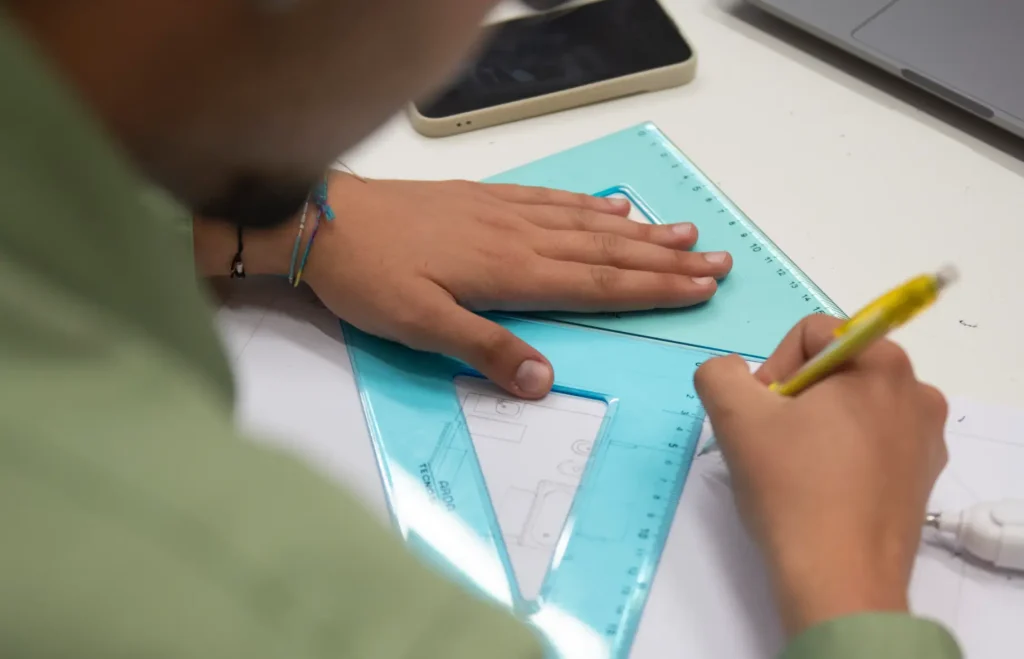
SCENIC DESIGN AND THREE-DIMENSIONAL SPACE
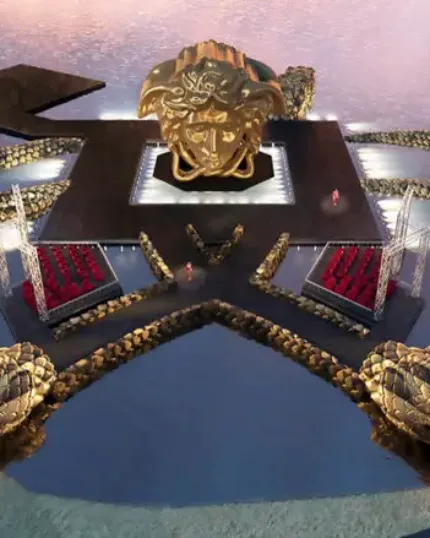
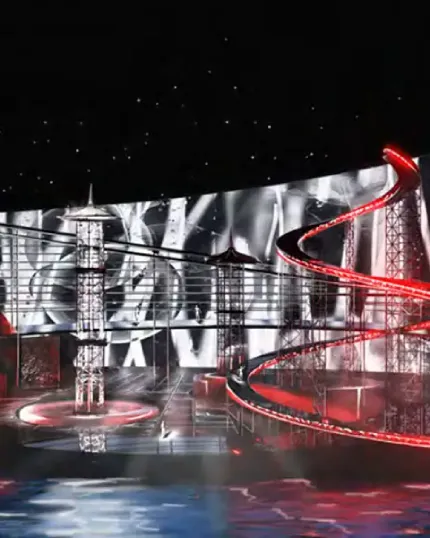
In this area, you will learn to design the space around the action, developing sets capable of supporting a narrative and defining the visual identity of a performance, a set or an installation. You will work on composition, perspective, depth, proportions and the relationship between scene, body and movement. The programme helps you transform an idea into a clear, coherent and feasible project, from the initial visual intuition through to the definition of the scenic space.
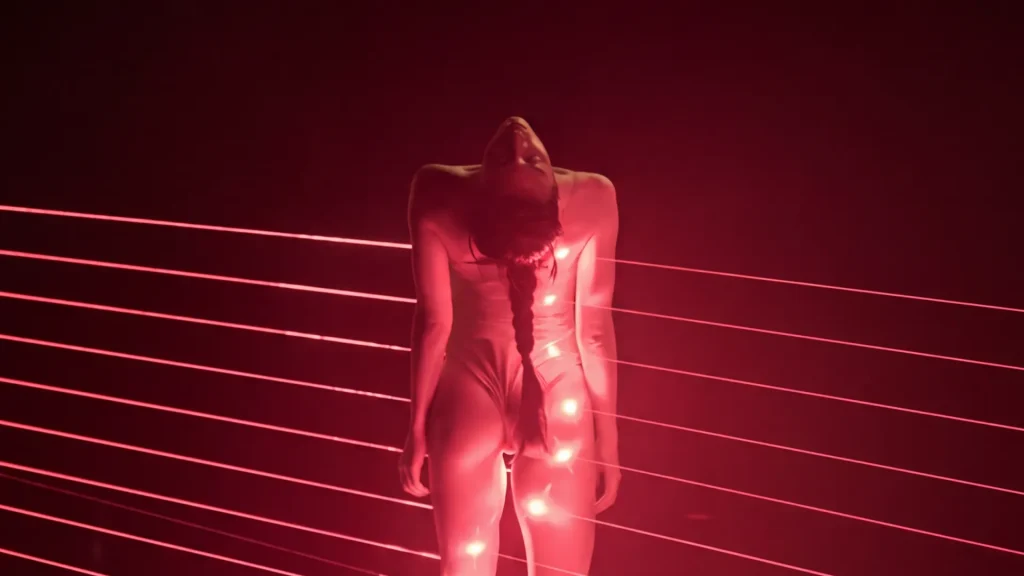
MATERIALS, LIGHTING AND PRODUCTION TECHNIQUES
Set design comes to life through the relationship between design and materials. You will study materials, fabrics, furnishings, coverings, decorations, construction elements, lighting and technologies applied to the stage, learning to select solutions consistent with the project’s language and production requirements. The aim is to acquire solid technical expertise capable of connecting creativity, feasibility and visual quality, both in physical spaces and in contemporary scenic contexts.
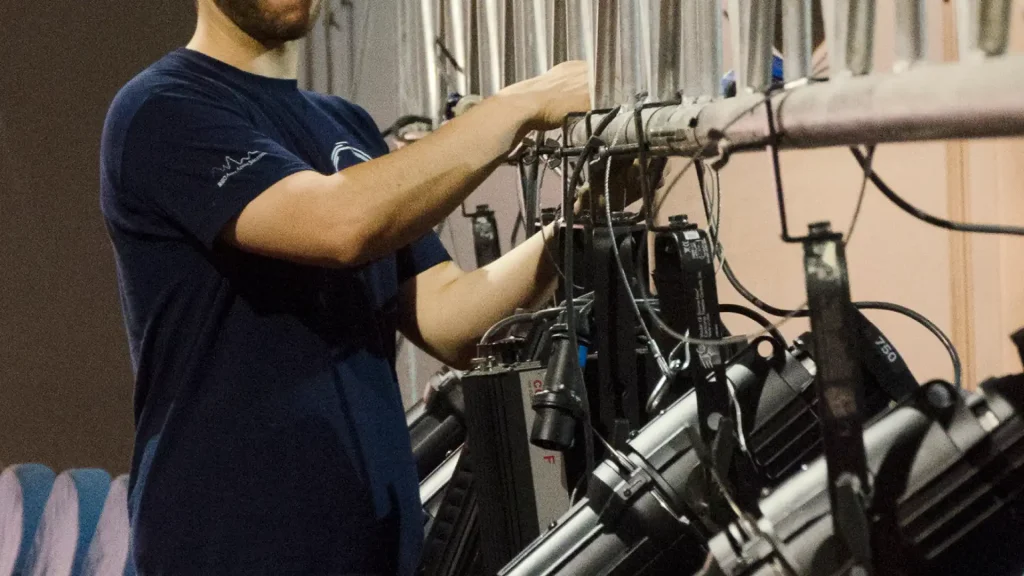
INSTALLATION, PERFORMANCE AND ART DIRECTION
You will explore the role of the set designer as a designer, coordinator and visual interpreter of a narrative or exhibition concept. You will learn to engage with directors, artists, technicians, costume designers, lighting designers and production managers, developing a complete professional profile suited both to the stage and to the creative direction of complex projects.
QUALIFICATION
Master’s Degree
120 CFA
FUTURE CAREERS
- Set Designer for Theatre, Cinema and Television
- Lighting Designer
- Costume Designer
- Interior Designer
- Set Construction Designer
- Stage Technician
- Art and Creative Director
- Exhibit Designer
- Event and Exhibition Designer
MAIN DISCIPLINES
- Stagecraft
- Set Design
- Model Making
A study method designed for you
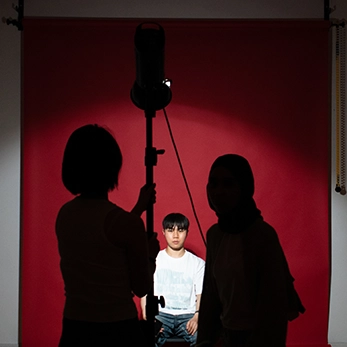
LEARNING BY DOING
In RUFA, you learn by doing. Alongside the solid foundation of a university-level education, you will develop a hands-on approach that allows you to work on real projects, experiment, and build immediately applicable skills. Each course helps you transform ideas into prototypes, artworks, videos, concepts, installations, or products.
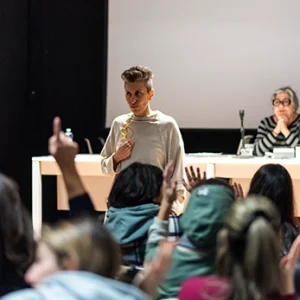
EXTRA DIARY
Workshops, laboratories, exhibitions, talks, and collaborations with companies are an integral part of the learning experience. The classroom opens up to the professional world and becomes a space where you engage every day with professionals, creative directors, artists, and designers. This allows you to understand how the industry you want to grow in truly works.
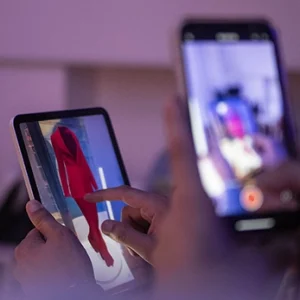
RESEARCH AND CROSS-POLLINATION
Every discipline becomes a space for experimentation. RUFA encourages you to blend languages, visions, techniques, and tools, combining artistic tradition with technological innovation. Here, you can explore, experiment, create connections, and find your own creative identity.
Requirements
ITALIAN STUDENTS
- Bachelor’s degree or equivalent qualification
- Portfolio
EU AND NON-EU STUDENTS
- First-cycle degree valid within the Italian education system
- Portfolio
- B2 certificate in the language of the course
Following admission, NON-EU students will be required to begin the procedure for obtaining a study visa.
Study plan
The RUFA Master of Arts requires students to earn 60 academic credits for each academic year. To obtain the qualification, students must complete the entire study programme, earning a total of 120 CFA (Academic Credits).
Attendance is compulsory for all classes at RUFA’s campuses.
| MODULE | CREDITS (CFA) | HOURS |
|---|---|---|
|
Graphic exercises on the main techniques of perspective representation. Preliminary notions and study of the various methods of perspective representation: reflected, inclined picture, theatrical, etc.
| 4 | 50 |
|
Photography as an instrument of representation, communication and research. The critical analysis of the exercises carried out accompanies the development of knowledge and awareness of the medium, introducing historical and theoretical elements.
| 6 | 75 |
|
Analysis of the evolution of nature and the conception of the performing arts in the historical contexts of reference, following the chronology of the evolution of the subject from the birth of directing to contemporary performances with particular regard to function, arrangement, and the interchange between the performance and the spectator.
| 6 | 45 |
|
Individual research of a cinematographic opera, its interpretation in a scenic key, the in-depth study of the historical-cultural field to which it belongs. Analysis of styles, locations and costumes. The development, from the sketch to the technical tables, of a complete and definitive project, including the application of filming techniques, optics, and relationships with light, special effects and technology.
| 10 | 125 |
|
The knowledge of the theatrical structure, up to the development of cinema and television spaces, combined with the acquisition of a graphic design path adapted to the market demands. From the conception to the sketch, up to the insertion of the same within the designated place, always keeping in mind the aesthetic-functional variables related to the spaces and technologies used.
| 8 | 100 |
|
The realization of a set design for the theater, film or television set, assisted by inspections of construction sites, television studios and theaters, planimetric surveys, drafting of specifications, design of support structures.
| 6 | 75 |
|
Acquisition of design skills and cultural sensitivity for the realization of costumes and accessories in the different peculiarities of the show (Theatre-Cinema-Television). From research and documentation activities to the realization of the first sketches and final projects.
| 8 | 100 |
|
In-depth study of the construction, with focus on the city, the territory, the types of buildings, and finally on the building with particular attention to the evolution read in historical key, as well as its location on the territory. Analysis of the relationship between the world of product design and that of props. Assignment of a technological-design theme to put into practice the theoretical arguments learned.
| 6 | 75 |
|
Overview of the birth and evolution of contemporary art. Acquisition of methodological and critical tools to understand the artistic movements of the recent past and the innovations of the present.
| 6 | 45 |
| MODULE | CREDITS (CFA) | HOURS |
|---|---|---|
|
Analysis of the various areas of a television production with particular attention to the part of the set up and the scenic instruments: the various types of cameras, the manoeuvring spaces, the lighting fixtures. The methods of drawing and representation.
| 8 | 100 |
|
Research and interpretation of a theatrical text in a scenographic key, historical-cultural analysis and research of styles through the study of art history. The development of a sketch and its scene changes to be inserted in a specific theatrical space. The restitution in plan, sketches and relative changes of scene, the executive drawings of the single parts and details, the possible insertion in the design of movements or scenic machines and the scenic installation.
| 10 | 125 |
|
Study of the expressive potential of light, with in-depth study of the theoretical and practical knowledge tools necessary for the realization of lighting design for television and cinema with their analogies and differences. Analysis of lighting equipment normally in use in different fields, with particular attention to the novelties provided by digital technology and focus in the field of artistic and environmental heritage and architectural lighting.
| 6 | 75 |
|
The design methodology of the model, in different scalar dimensions, in relation to materials, construction techniques, effects and the communicative and expressive level of the model to be produced in relation to its intended use. Final realization of various types of model: scenographic, architectural, volumetric, descriptive.
| 6 | 75 |
|
Touch Designer software approach through the technique of learning by doing: creation of interactive systems through the use of human interface devices, generation of real-time images for Audio/video installations, construction of interactions between 2D and 3D elements and creation of user interfaces for the management of Audio/video content.
| 6 | 75 |
| Language skills - Internships - Workshops | 8 | / |
| Elective educational activities | 6 | / |
| Thesis | 10 | / |
Lecturers
-
Coordinator
Giorgio Di Noto
-
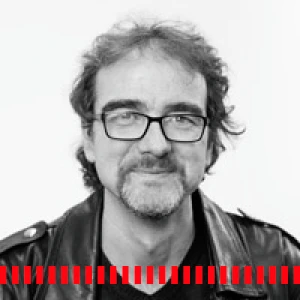
Tutor
Christian Angeli
-
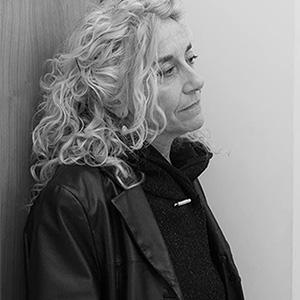
Professor
Michela Becchis
-
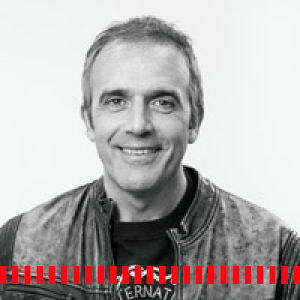
Professor
Alessandro Carpentieri
-
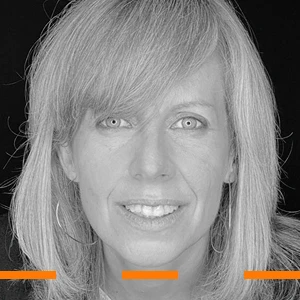
Professor
Maria Chiara Castelli
-
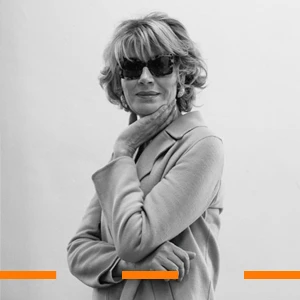
Professor
Stefania Conti
-
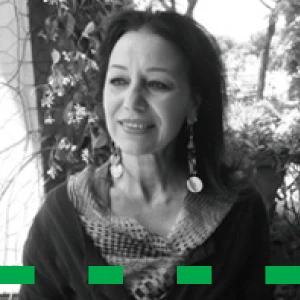
Professor
Rosella Cuppone
-
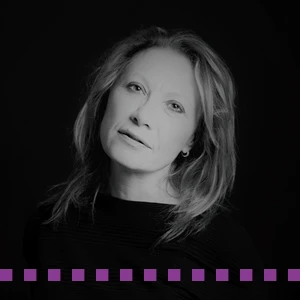
Professor
Genny Di Bert
-
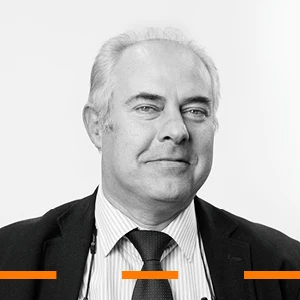
Professor
Antonin Joseph Di Santantonio
-
Professor
Francesco Filosa
-
Professor
Lucia Furfaro
-
Professor
Alessandro Gori
-
Professor
Jurgen Janku
-
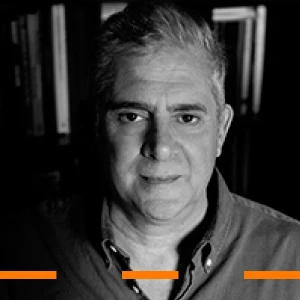
Professor
Massimiliano Maggi
-
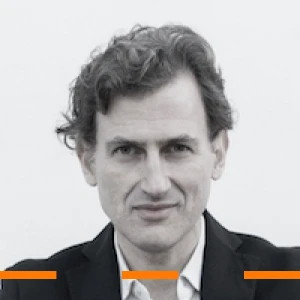
Professor
Francesco Polizzi
-
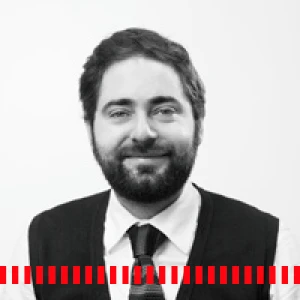
Professor
Christian Rizzo
-
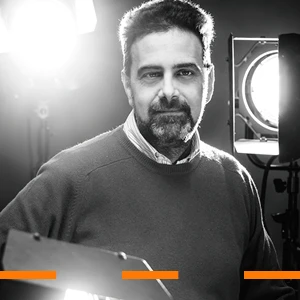
Professor
Alessandro Vergoz

Request information
Do you have questions about the RUFA world? We’re here to guide you!
Our Guidance Team is here for you all year round, ready to answer all your questions.