

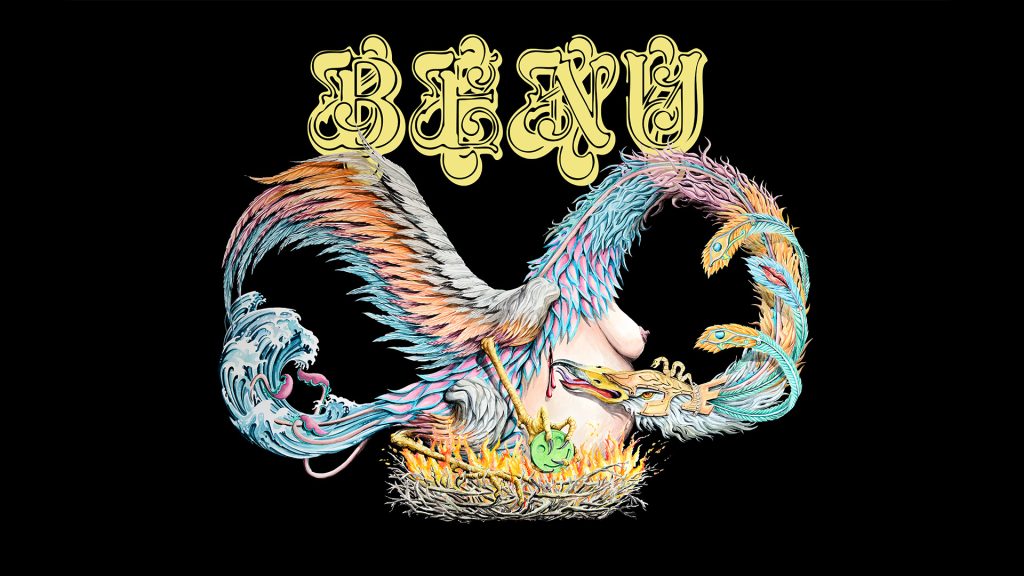
BENU: Eugenio Tibaldi’s exhibition at Fondazione Pastificio Cerere
From 23 September to 28 November 2026, Fondazione Pastificio Cerere and Fondazione Severino, in collaboration with Intesa Sanpaolo, present BENU, a solo exhibition by artist Eugenio Tibaldi, curated by Marcello Smarrelli.
The exhibition brings to the public the story of the project of the same name, developed within the Rebibbia Women’s Prison, where Tibaldi involved female inmates in a process of artistic co-design centred on the themes of transformation, participation and rebirth.
The project culminated in the creation of a permanent site-specific artwork, inaugurated for the 2025 Jubilee in the presence of President of the Italian Republic Sergio Mattarella. The exhibition at Fondazione Pastificio Cerere now marks a new chapter in the project, through artworks, images, documents and installations that retrace its creative process and expand its visual and conceptual universe.
Among the works on display, a large-scale installation spread throughout the Foundation’s spaces stems from the work developed by Eugenio Tibaldi together with RUFA Master’s students in Fine Arts, who took part in the Masterclass led by the artist.
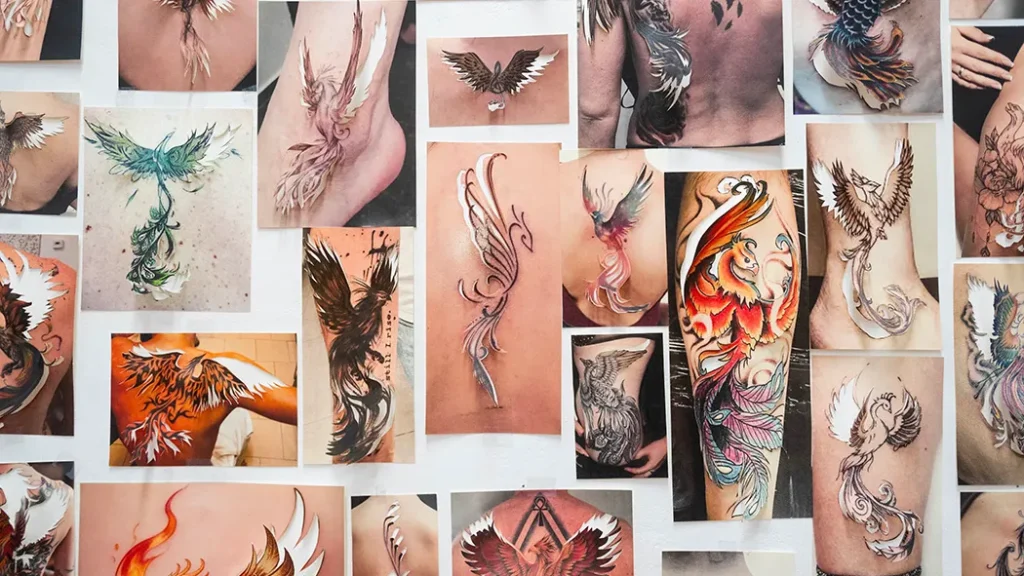
The installation brings together over a thousand phoenixes, each one different, created through a research process focused on the meaning of this symbol across the participants’ different cultural backgrounds.
During the Masterclass, the myth of the Phoenix became the starting point for a collective investigation into identity, fragility, transformation and rebirth. Through drawing, printing, cutting and assembling, the students built a shared archive of references and developed personal interpretations of the symbol, which gradually came together in the installation now presented to the public.
The paper silhouettes inhabit the Foundation’s floors, walls and ceilings, composing a choral work that reflects on the enduring nature of the myth and its ability to take on different meanings in individual, social and cultural contexts.
The dialogue with Rebibbia
The exhibition’s connection with Rebibbia Prison also resonates closely with RUFA’s own ongoing work and reflections.
In recent years, the Academy has developed a collaboration with the prison through a memorandum of understanding focused on education, creativity and social inclusion. The initiative has led to courses in Graphic Design and Editorial Design for inmates, as well as to the creation of the magazine Non Tutti Sanno.
In 2026, this journey was further expanded through LOG-OUT. Four comics to escape… creatively!, an editorial project developed through the encounter between a writing workshop held inside Rebibbia and RUFA students from the Graphic Design – Comics and Illustration programme, who transformed an original story conceived within the prison into four different comic narratives.
Different experiences, united by a shared aim: to explore the potential of art and education as tools for building relationships, opening up new forms of expression and creating dialogue between realities that may otherwise seem far apart.
“The relationship between art, education and complex social contexts represents an especially important field of research and responsibility for RUFA. Eugenio Tibaldi’s project and the work developed with our Fine Arts students naturally connect with the path the Academy is pursuing at Rebibbia: different experiences, yet united by the belief that artistic practice can become a concrete tool for building relationships, awareness and transformation. Encouraging students to engage with these dimensions means broadening the very value of artistic education, connecting it more closely with society and the challenges it faces.”
Fabio Mongelli, RUFA Dean
The exhibition journey
The exhibition brings together materials and works that trace the different stages in the development of BENU: from the pieces created by the female inmates during the workshops to paintings by Eugenio Tibaldi, as well as works that subsequently emerged from the Rebibbia experience.
The exhibition also includes the prototype of the luminous sculpture from which the permanent installations were developed, a flag created in collaboration with Progetto Abito di Torino, a section exploring the presence of the Phoenix in contemporary visual culture, and a video work by Eugenio Tibaldi and Lorenzo Morandi, produced by TIMO.
The exhibition also extends into the urban space with the support of APA – Agenzia Pubblicità Affissioni, through a campaign across the city of Rome that brings Tibaldi’s images into dialogue with a poem written by one of the women involved in the project.
Accompanying the exhibition is a volume published by Magonza, dedicated to the origins and development of BENU, featuring texts by Marcello Smarrelli, Simone Ciglia and Cardinal José Tolentino de Mendonça.
The project is promoted by Fondazione Severino and Fondazione Pastificio Cerere, in collaboration with Intesa Sanpaolo, under the patronage of the Dicastery for Culture and Education of the Holy See and the Italian Ministry of Justice.
BENU – Eugenio Tibaldi
Curated by Marcello Smarrelli
23 September – 28 November 2026
Fondazione Pastificio Cerere
Via degli Ausoni 7, Rome