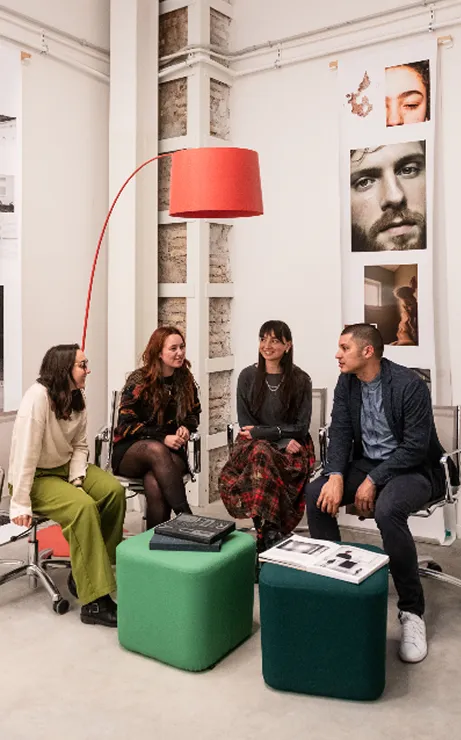
You will refine your skills by placing yourself at the heart of scenic space design, learning to create environments for theatre, cinema, television and events. A programme that combines architecture, visual arts and costume design, to build visual narratives capable of transforming every scene into an immersive and contemporary experience.
Set Design
DURATION > 3 YEARS
LANGUAGE > ITALIAN
COURSE START > OCTOBER
LOCATION > ROME
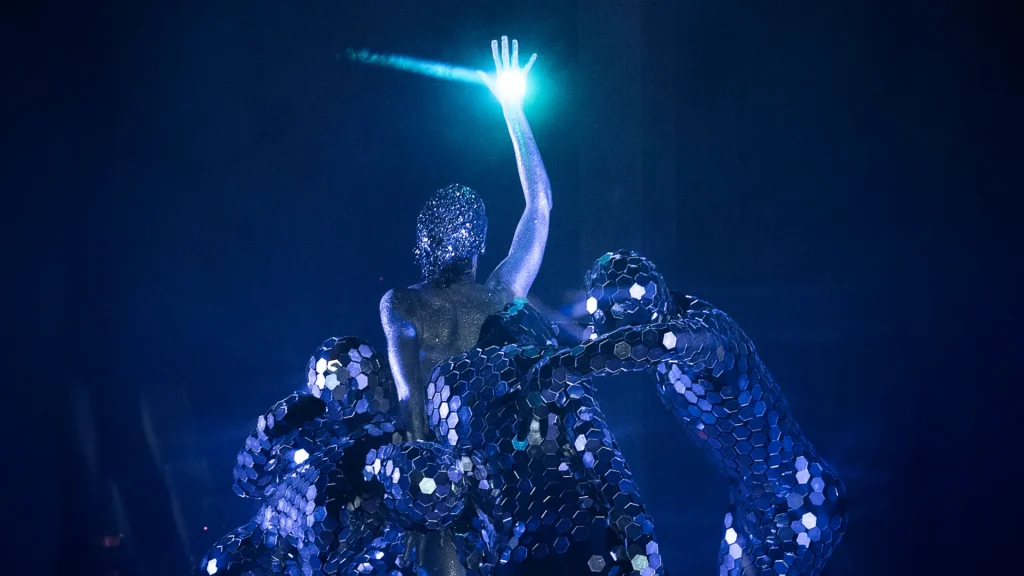
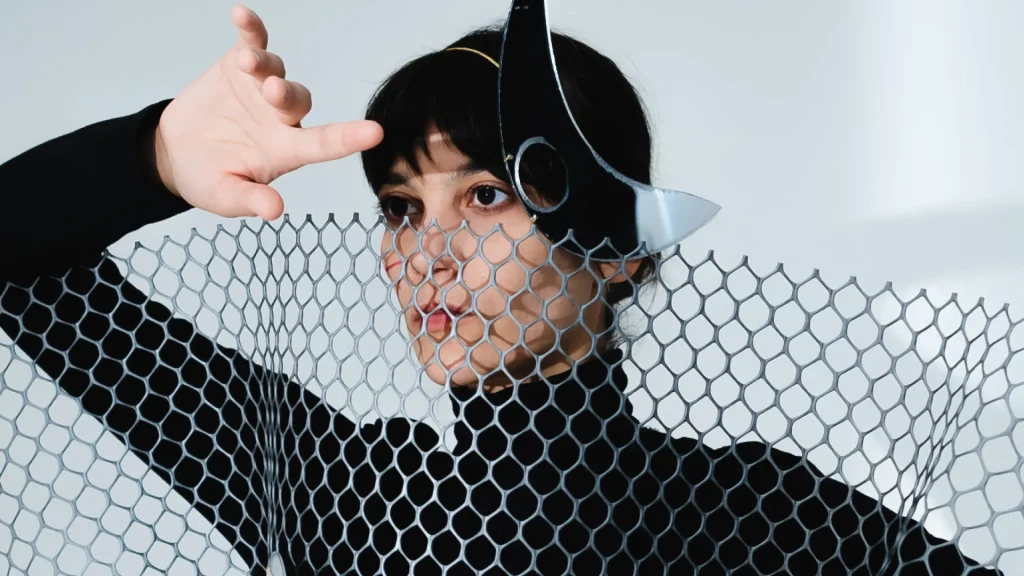
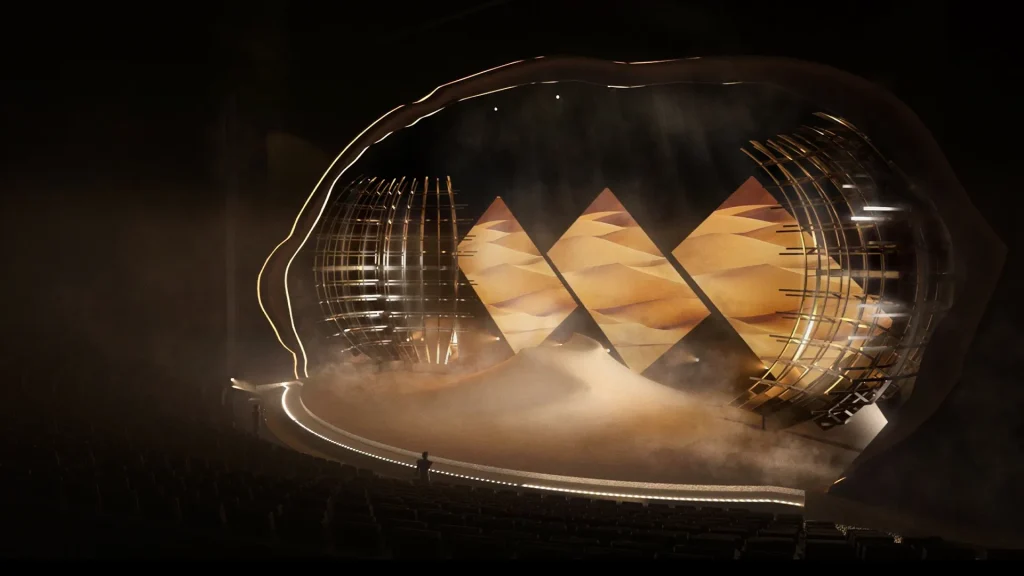
Talent Takes the Stage
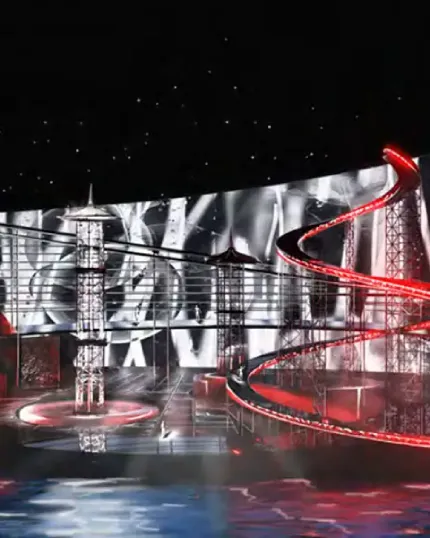
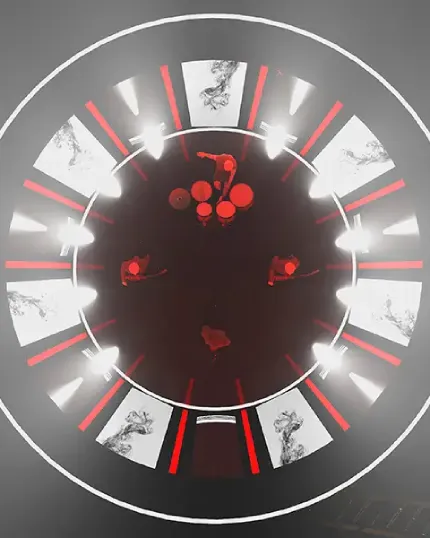
Here you can explore the world of scenic design, scenic space design and design for performance, learning to connect architecture, visual arts and costume design to create narrative and immersive environments.
Shaping the Performance
You will become a professional capable of designing sets, lighting and costumes for theatre, cinema, television and events, combining creativity with technical expertise. Through the study of materials, photography and the history of performance, you will develop an artistic vision capable of transforming every space into visual emotion and contemporary storytelling.
Fields of Study
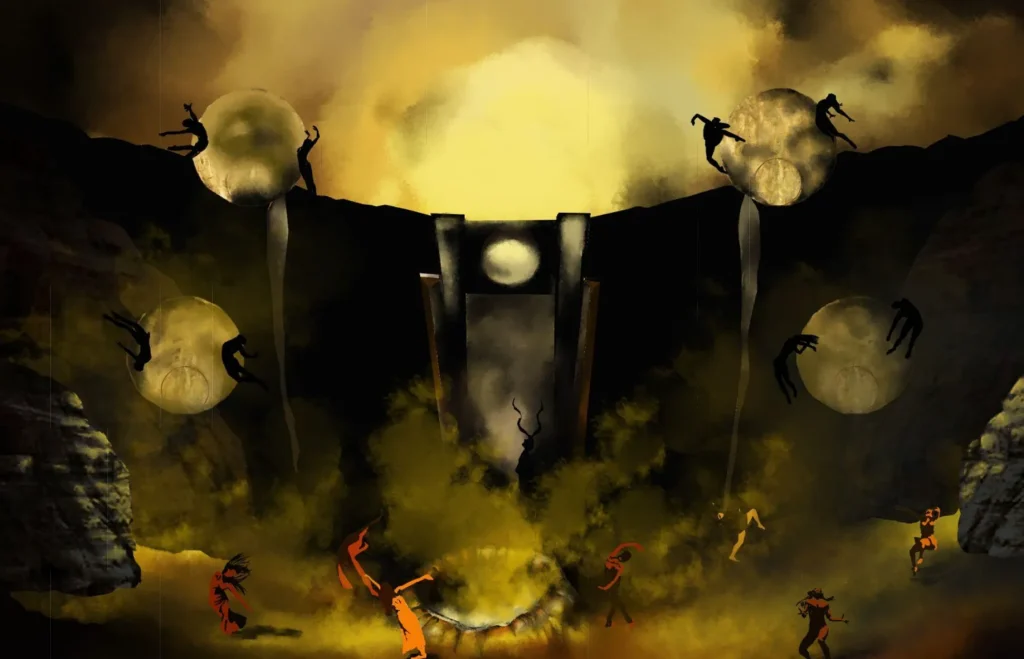
SET DESIGN
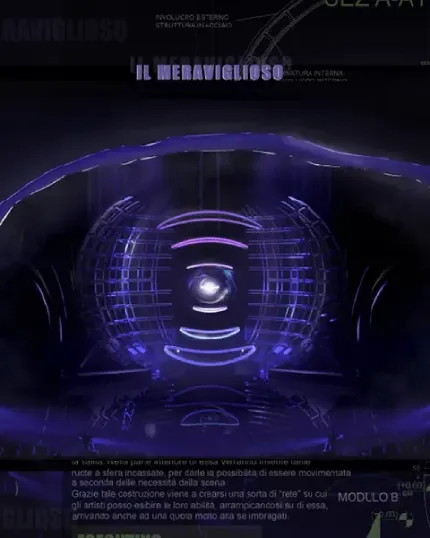
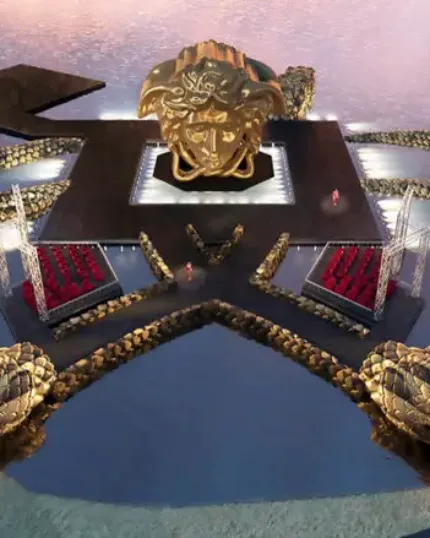
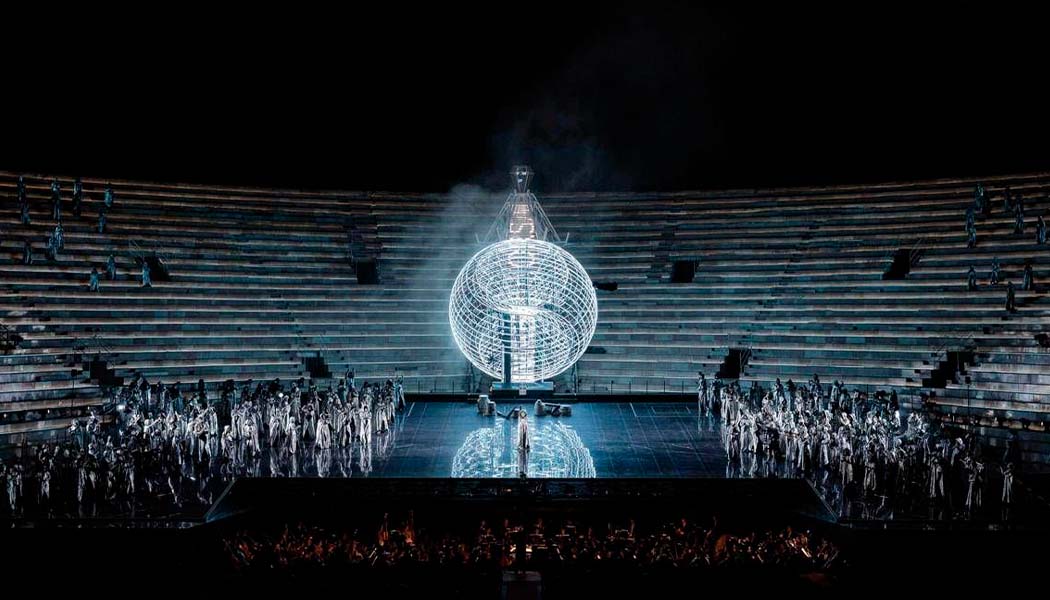
Scenic design is the magical art that makes every performance possible. It is the discipline that brings together architecture, painting, sculpture and decoration, transforming imagination into space and storytelling into visual experience. Through the study of place, light and stage time, you will learn to design environments capable of evoking emotions, telling stories and enhancing the aesthetic dimension of performance.
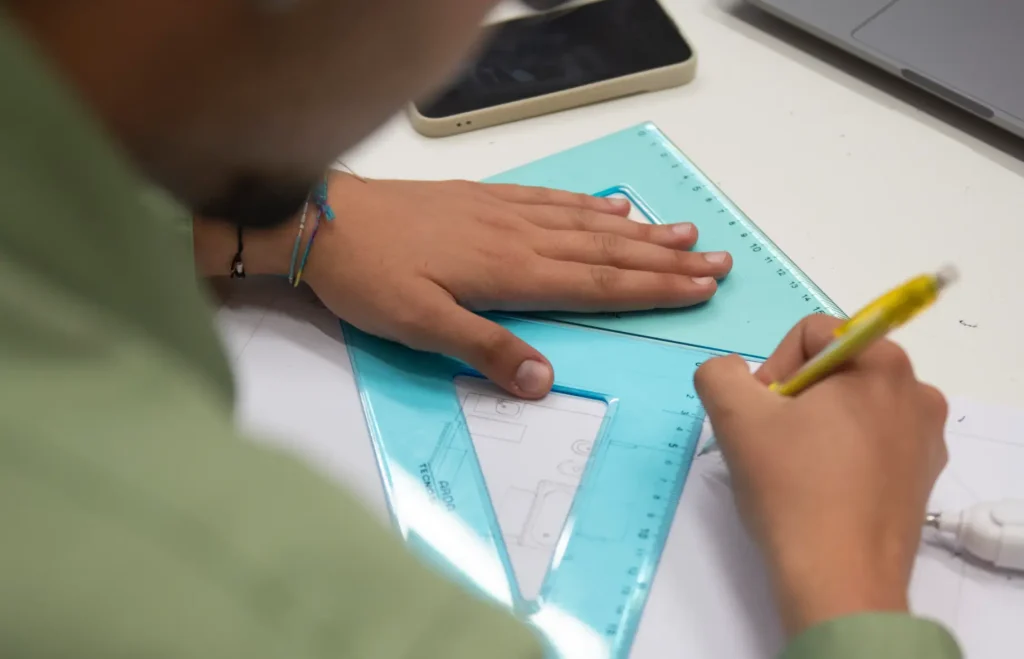
ARCHITECTURE
Architecture is the structural and conceptual foundation of every scenic design project. You will develop the ability to interpret and reinvent space, combining architectural principles, art history and visual perception to create functional, harmonious and innovative scenic environments. Through the study of materials, photography and exhibition techniques, you will learn to design both real and virtual spaces.
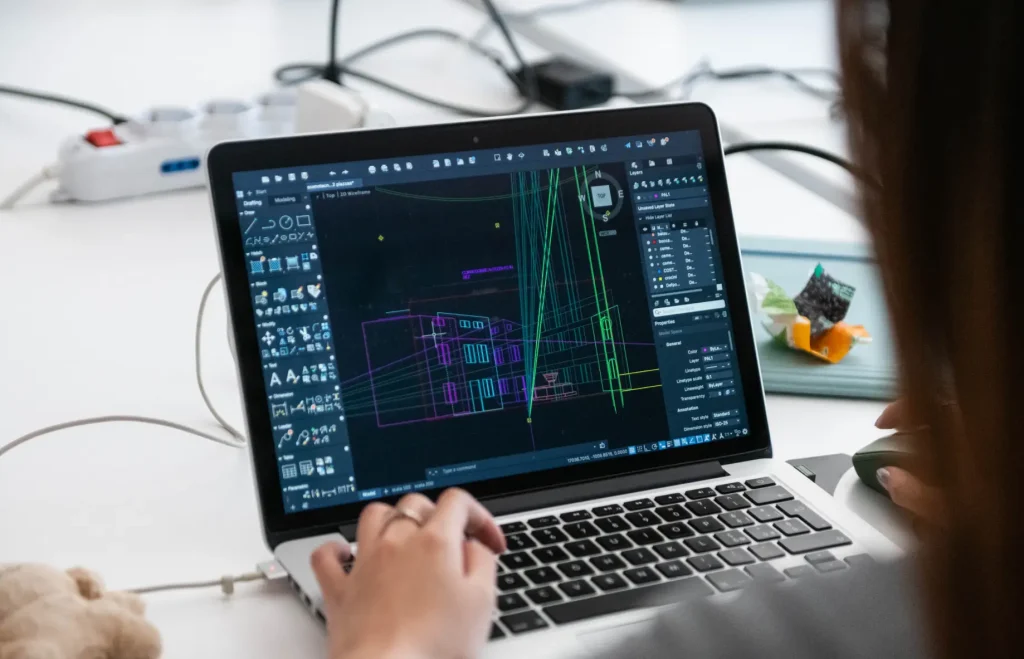
STAGECRAFT
Stagecraft will allow you to combine artistic vision with technical expertise. You will acquire practical and theoretical knowledge of lighting, structures, materials and stage mechanisms, experimenting with the different stages of construction, assembly and spatial management. Thanks to a dynamic, workshop-based approach, you will become a versatile professional capable of collaborating with theatres, film and television productions, and events.
QUALIFICATION
Bachelor of Arts
180 CFA credits
FUTURE CAREERS
- Set Designer for Theatre, Film and Television
- Digital Set Designer, Virtual Space Designer
- Exhibition, Event and Installation Designer
- Event Designer, Live Performance Organiser
- Collaborator in Architecture and Interior Design Studios
MAIN SUBJECTS
- Scenic Design
- Architecture
- Stagecraft
A study method designed for you
LEARNING BY DOING
In RUFA, you learn by doing. Alongside the solid foundation of a university-level education, you will develop a hands-on approach that allows you to work on real projects, experiment, and build immediately applicable skills. Each course helps you transform ideas into prototypes, artworks, videos, concepts, installations, or products.
EXTRA DIARY
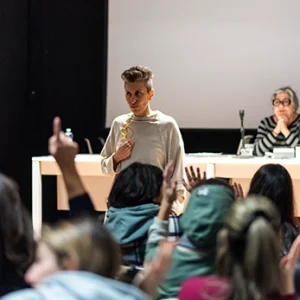
Workshops, laboratories, exhibitions, talks, and collaborations with companies are an integral part of the learning experience. The classroom opens up to the professional world and becomes a space where you engage every day with professionals, creative directors, artists, and designers. This allows you to understand how the industry you want to grow in truly works.
RESEARCH AND CROSS-POLLINATION
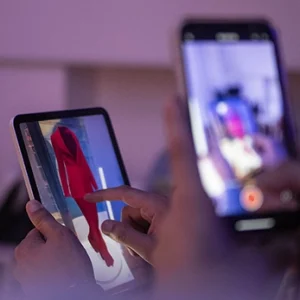
Every discipline becomes a space for experimentation. RUFA encourages you to blend languages, visions, techniques, and tools, combining artistic tradition with technological innovation. Here, you can explore, experiment, create connections, and find your own creative identity.
Requirements
ITALIAN STUDENTS
- High School Diploma
EU AND NON-EU STUDENTS
- High school diploma valid for the Italian higher education system
- B2 certificate in the language of the course
Following admission, NON-EU students will be required to start the procedure for obtaining a study visa.
Study plan
The RUFA Bachelor of Arts requires the acquisition of 60 academic credits for each academic year.
To obtain the qualification, students must complete the entire study programme, achieving a total of 180 CFA (Academic Formative Credits).
Attendance is compulsory for all classes at RUFA’s campuses.
| SUBJECT | ECTS | HOURS |
|---|---|---|
|
Knowledge of common graphic elements and tools for technical drawing: graphic constructions, metric scales, basic elements of orthogonal projections, axonometric projections and techniques for architectural metric survey. Representation of an architecture or parts of it with furnishing elements and details in the most appropriate scales.
| 6 | 75 |
|
AutoCad: the basic controls and principles. The hatches, backgrounds and covering entities, text, dimensions, creation and use of the dimension blocks of a drawing, modification of existing objects, raster images, insertion of squares and scale ratios. Development of an assigned theme with representation of plans, sections, elevations and details.
| 6 | 75 |
|
The historical evolution of clothing: the analysis of costume as a form of language, individual and collective, of communication within society and the changes linked to forms and techniques of creation over the centuries.
| 6 | 45 |
|
The history of the scenic space from the Greek Theatre to the Elizabethan Theatre and the analysis of the theatrical text with particular attention to the relationship between the protagonist and the space, intended as a physical expression of its deepest emotional and psychological nature. Development of a personal vision through the drawing of stage sketches.
| 6 | 45 |
|
Development of skills in the use of expressive technological tools, both traditional and contemporary, which concern the use and management of space and the principles of representation. Acquisition of technical knowledge on the use of materials for the realization of cinematographic and/or theatrical scenic projects. Design tables and sketches will be the tools that will lead to the realization of the executive project.
| 12 | 150 |
|
The knowledge of the theatrical structure, up to the development of cinema and TV spaces, combined with the acquisition of a graphic design path adapted to the market demands. The realisation of a stage set for the theatre, the film set, TV assisted by inspections in construction sites, television studios and theatres, and planimetric surveys.
| 8 | 100 |
|
Study of the construction, analysis and understanding of all the elements that make up the building with particular attention to the evolution read in a historical key, as well as its location in the territory. Assignment of a technological-design theme to put into practice the theoretical arguments learned.
| 6 | 75 |
|
The acquisition of two-dimensional drawing and three-dimensional modeling techniques in 3D Studio Max environment, file management and document exchange between 3DStudio Max and other programs such as Rhinoceros and Autocad. The analysis of V-ray characteristics and the study of lights and materials. The realization of an elaboration in which to apply all the acquired knowledge.
| 6 | 75 |
|
Acquisition of basic knowledge about the use of Adobe Photoshop, for photo editing, Adobe Illustrator, for graphic design, in order to improve your images and use the photographic language in its essence.
| 4 | 50 |
| SUBJECT | ECTS | HOURS |
|---|---|---|
|
The history of European art from the end of the fifteenth century to the early twentieth century: a basic preparation on the fundamental artistic styles and languages of the period treated for a continuous comparison of works through the different eras.
| 6 | 45 |
|
The history of theatre from the 18th century to the present day with a particular attention to the analysis of the social, political and cultural context that has allowed the birth of directing theatre. Analysis of theatrical texts, viewing of shows and films.
| 6 | 45 |
|
Creative research methodology concerning the assigned text or event, corresponding to an increased ability in the use of technological apparatus, sceno-luminous systems, motorised structures and the application of appropriate materials.
| 12 | 150 |
|
Creation of scenographic projects, including all the technical-constructive tables and sketches and/or renderings, which during the Academic Year will give rise to theoretical in-depth studies that will also lead to the design of any changes of scene and complex motorizations.
| 6 | 75 |
|
Acquisition and refinement of skills, both design and technical, related to the conception of the costume and its realization: the theoretical and aesthetic equipment that allows those who design costumes to interpret the contemporary.
| 8 | 100 |
|
The design methodology of the model, in its various scalar dimensions, in relation to the materials, construction techniques, effects and the communicative and expressive level of the model to be produced in relation to its intended use. Final realization of various types of model: scenographic, architectural, volumetric, descriptive.
| 6 | 75 |
|
Consolidation of knowledge about Adobe Photoshop and Adobe Illustrator and acquisition of advanced techniques such as colour correction and RAW file development, creation of a personal logo. Adobe InDesign and layout.
| 6 | 75 |
|
Digital modeling in Rhinoceros environment and the basics of rendering in V-Ray environment. The explanation of the program tools contextualising their use in 2D two-dimensional drawing, 3D modelling and photo-realistic rendering.
| 6 | 75 |
|
Development of expressive and spoken skills through the study of the main grammatical structures. Practical comprehension exercises through reading texts and watching films and videos.
| 4 | 30 |
| SUBJECT | ECTS | HOURS |
|---|---|---|
|
Photography as an instrument of representation, communication and research. The critical analysis of the exercises carried out accompanies the development of knowledge and awareness of the medium, introducing historical and theoretical elements.
| 8 | 100 |
|
The art of the twentieth century and the beginning of the thirteenth century: from the romantic revolutions to the historical avant-garde towards the following changes, with particular attention to the social sphere and taking into account socio-political developments.
| 6 | 45 |
|
The choice of a theatrical text, a cinematographic work or a television show, its reading in a scenographic key, the historical-cultural analysis of the author, of the period of setting and the research of styles through the study of the history of art. Creation of sketches and scene changes to be inserted in a given theatre, television or cinema space and relative restitution in plan with design of executive drawings including details.
| 12 | 150 |
|
Theoretical and practical knowledge about light and the use of luminaires normally used in the world of film, television and theatre production, their control and positioning devices, as well as the lighting schemes adopted in this field, with particular attention to continuous updating towards the products and techniques that the industry supplies.
| 6 | 75 |
|
Expansion of skills related to rendering and post production. The analysis of animation in an architectural environment, of the techniques used to define the work process leading from the concept of an Archviz film to the final editing.
| 6 | 75 |
| Further language and interpersonal skills, internships, etc. | 4 | / |
| Elective educational activities | 10 | / |
| Thesis | 8 | / |
Faculty
-
Professor
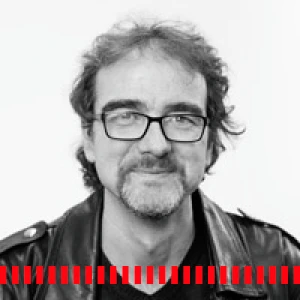
Christian Angeli
-
Professor
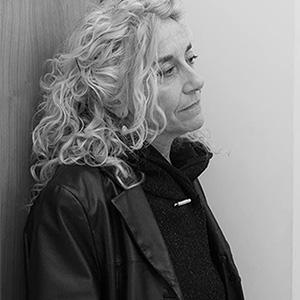
Michela Becchis
-
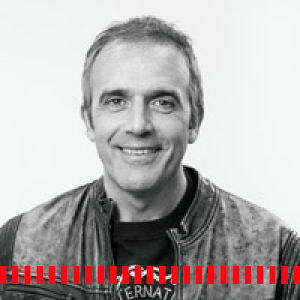
Professor
Alessandro Carpentieri
-

Professor
Maria Chiara Castelli
-
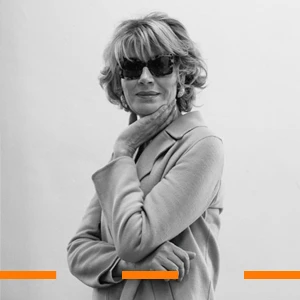
Professor
Stefania Conti
-
Professor
Rosella Cuppone
-
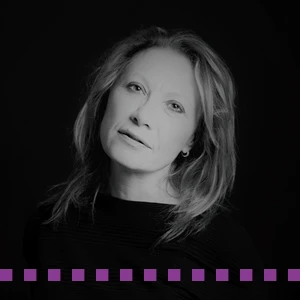
Professor
Genny Di Bert
-
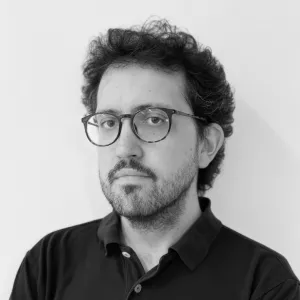
Professor
Giorgio Di Noto
-
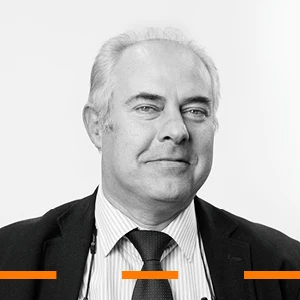
Professor
Antonin Joseph Di Santantonio
-
Professor
Francesco Filosa
-
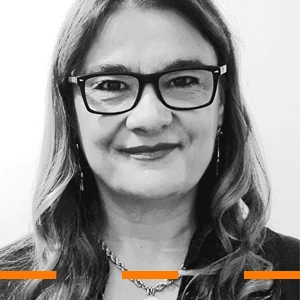
Professor
Lucia Furfaro
-
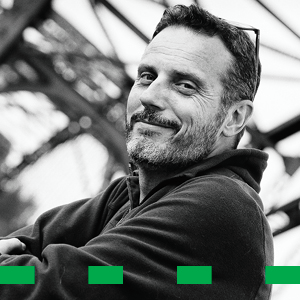
Professor
Alessandro Gori
-
Professor
Jurgen Janku
-
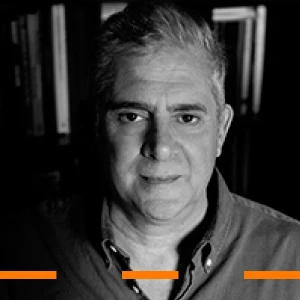
Professor
Massimiliano Maggi
-
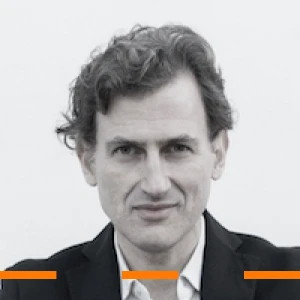
Professor
Francesco Polizzi
-

Professor
Christian Rizzo
-
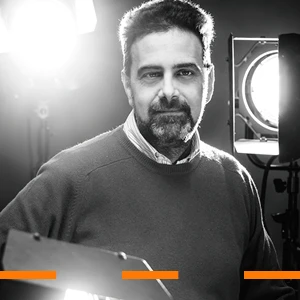
Professor
Alessandro Vergoz

Request information
Do you have questions about the RUFA world? We are here to guide you!
Our guidance team is here for you all year round, ready to answer all your questions.