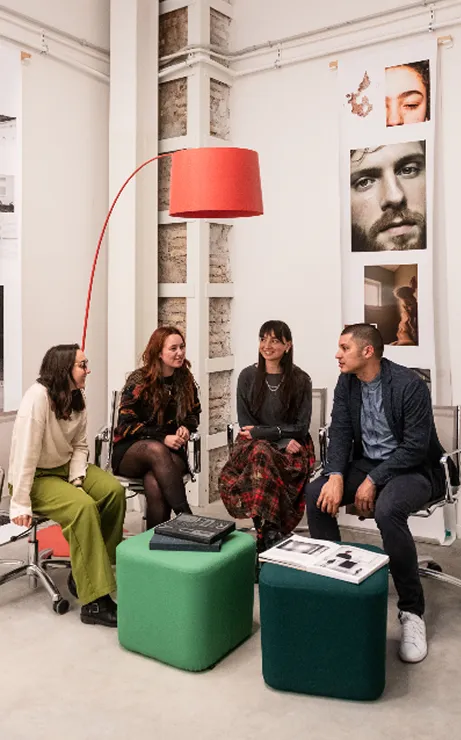
You will enter the world of art with a solid command of contemporary sculptural practices, exploring the languages of sculpture and installation through aesthetic principles, formal research and material experimentation, to give shape to new creative visions.
Sculpture and Installation
DURATION > 3 YEARS
LANGUAGE > ITALIAN or ENGLISH
COURSE START > OCTOBER
LOCATION > ROME
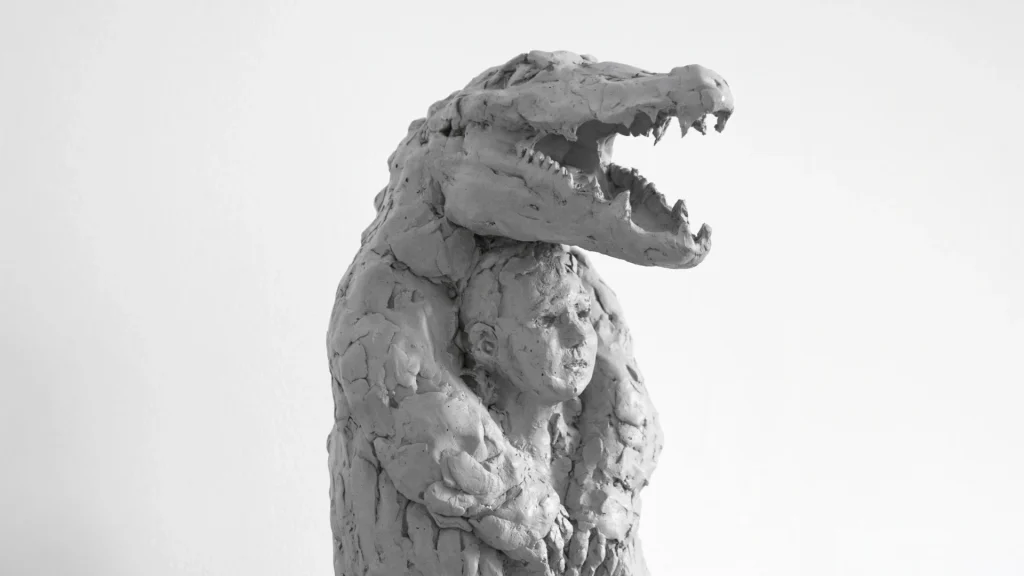
The Physical Dimension of Creation
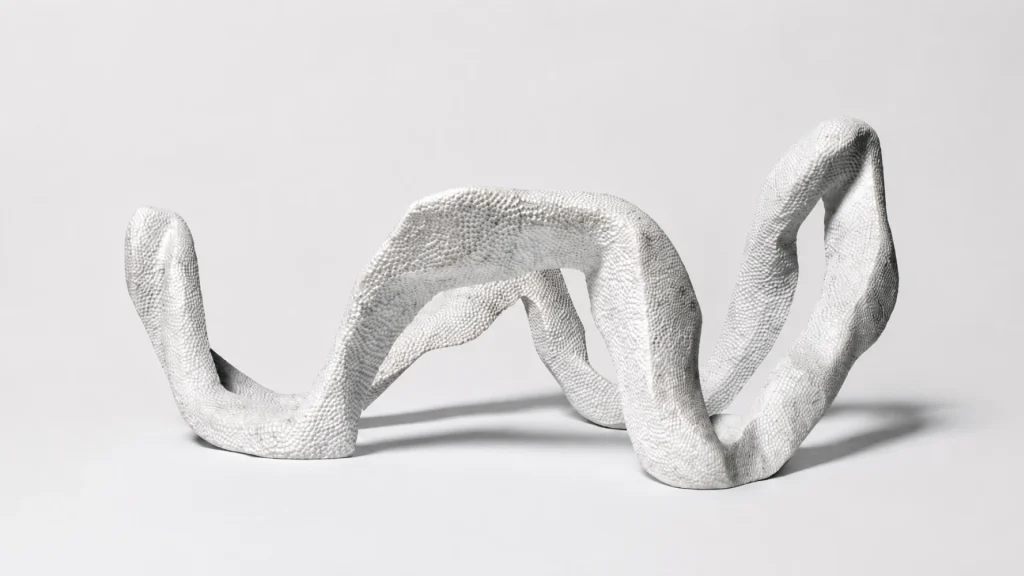
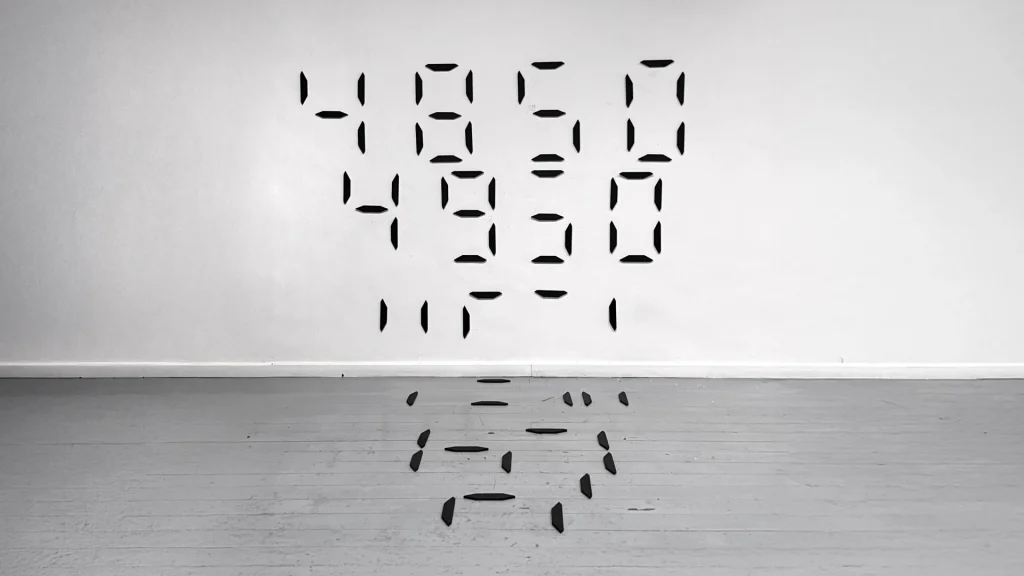
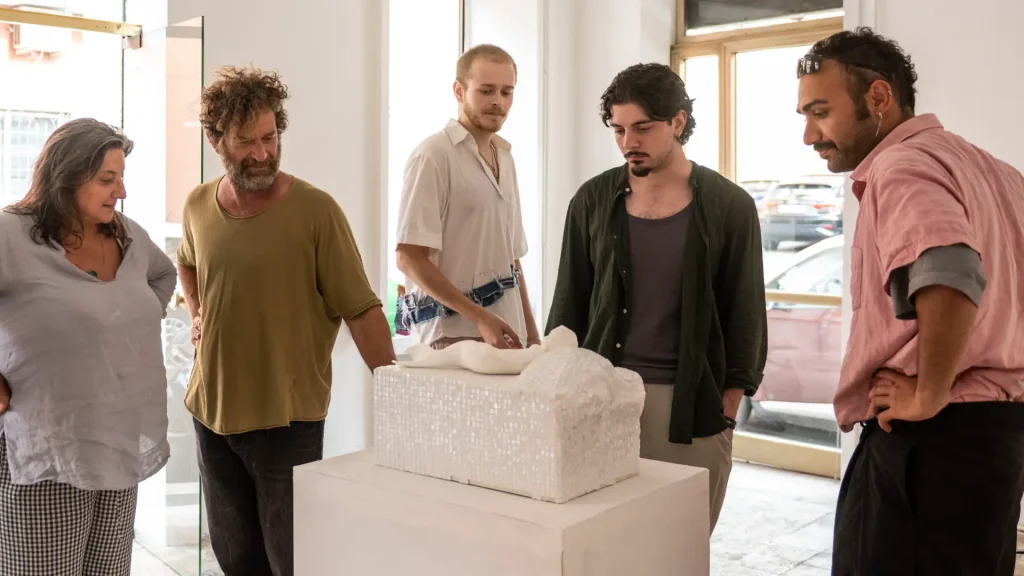
Here you can explore the world of contemporary sculpture and art installation, learning to shape materials through traditional and innovative techniques. You will explore sculptural and visual languages to transform space into artistic expression and develop projects that bring together art, design and territory.
Between Material, Space and Design
You will become a professional capable of designing artworks, installations and exhibition settings that bring form, material and space into dialogue, enhancing both public and private environments. A programme that combines creativity, technical skills and critical vision to reinterpret sculptural art in the present and imagine new expressive possibilities for the future.
Fields of Study
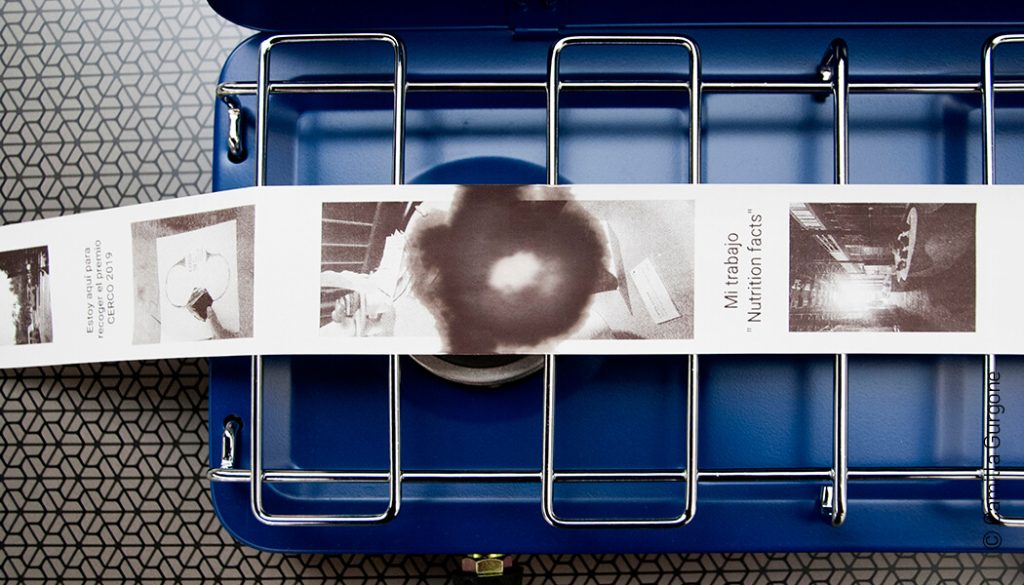
VISUAL ARTS
Solid art, born from the fusion of plasticity and technique, and expressed as a universal language between form and thought. In this field, you will explore classical and contemporary studies, the analysis of aesthetic principles and the search for balance between form and substance, building a comprehensive and multidisciplinary education through art history, graphic arts, drawing, photography and audiovisual techniques.
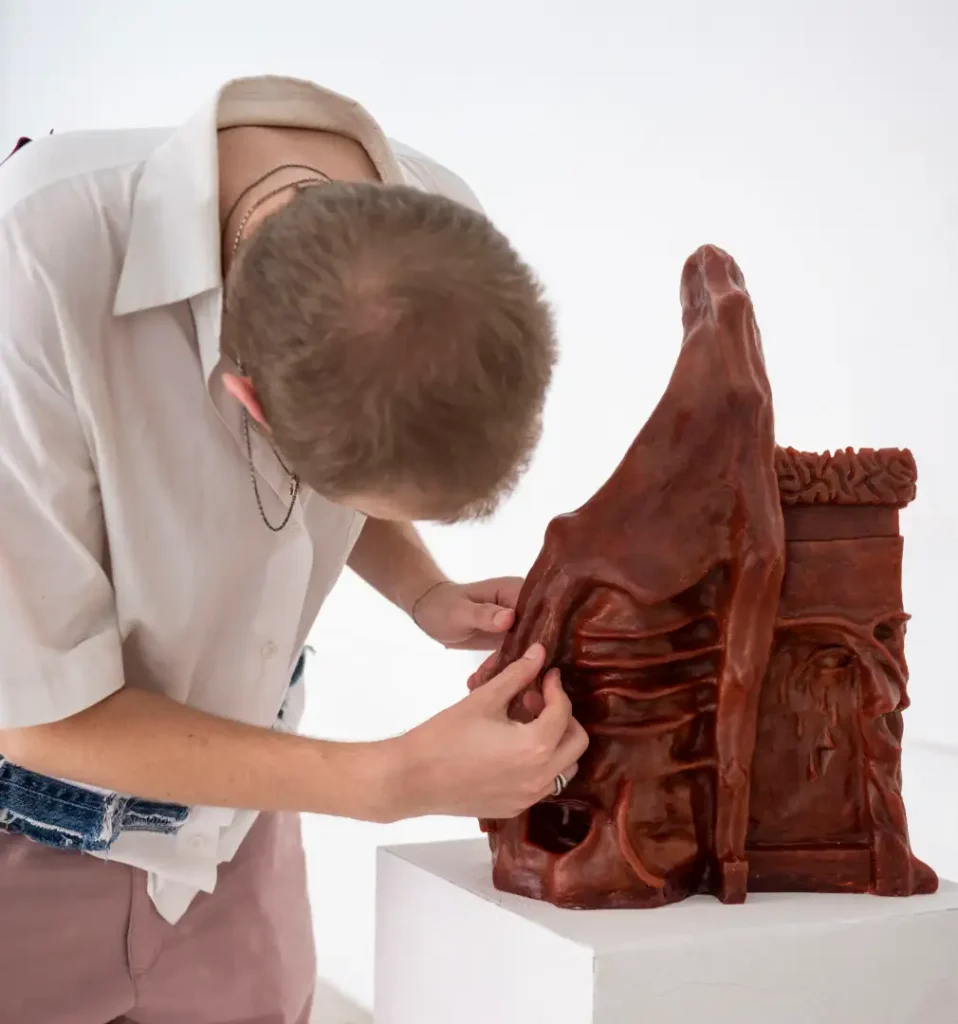
SCULPTURE
You will discover material as an expressive language, learning to shape and transform it into works that combine tradition and experimentation. You will acquire a comprehensive sculptural and figurative education, exploring classical and innovative materials and developing a personal formal language. The programme will prepare you to work in the fields of art, design and urban planning.
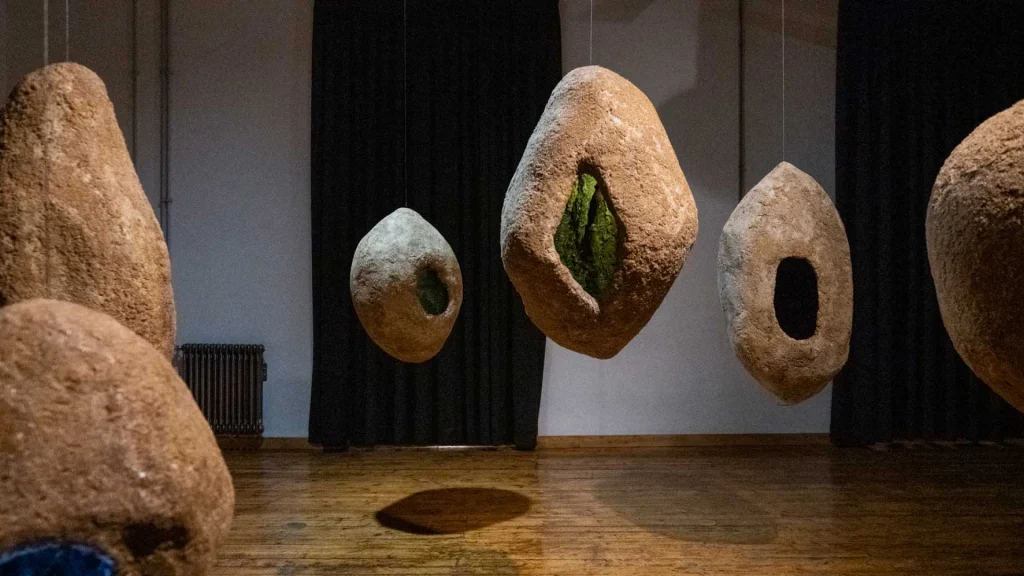
INSTALLATION
You will learn to design and create installations and exhibition settings that interact with space and the public. You will become a professional capable of enhancing exhibition and urban environments, combining creativity and technical expertise. You will also be able to work in more conceptual fields, curating exhibitions and art catalogues, and collaborating with museums, galleries and architecture studios.
QUALIFICATION
Bachelor of Arts
180 CFA credits
FUTURE CAREERS
- Sculptor and Artist
- Space, Exhibition and Installation Designer
- Curator of Artistic and Cultural Projects
- Collaborator in Contemporary Art Museums
- Consultant in Design Studios
- Art Event and Exhibition Organiser
MAIN SUBJECTS
- Sculpture and Installation
- Drawing for Sculpture
- Sculpture Techniques
- Multimedia Installations
A study method designed for you
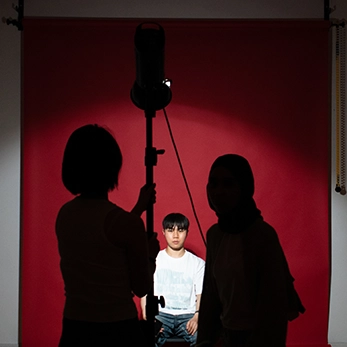
LEARNING BY DOING
In RUFA, you learn by doing. Alongside the solid foundation of a university-level education, you will develop a hands-on approach that allows you to work on real projects, experiment, and build immediately applicable skills. Each course helps you transform ideas into prototypes, artworks, videos, concepts, installations, or products.
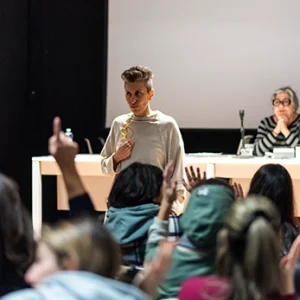
EXTRA DIARY
Workshops, laboratories, exhibitions, talks, and collaborations with companies are an integral part of the learning experience. The classroom opens up to the professional world and becomes a space where you engage every day with professionals, creative directors, artists, and designers. This allows you to understand how the industry you want to grow in truly works.
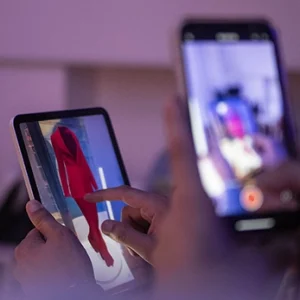
RESEARCH AND CROSS-POLLINATION
Every discipline becomes a space for experimentation. RUFA encourages you to blend languages, visions, techniques, and tools, combining artistic tradition with technological innovation. Here, you can explore, experiment, create connections, and find your own creative identity.
Requirements
ITALIAN STUDENTS
- High School Diploma
EU AND NON-EU STUDENTS
- High school diploma valid for the Italian higher education system
- B2 certificate in the language of the course
Following admission, NON-EU students will be required to start the procedure for obtaining a study visa.
Study plan
The RUFA Bachelor of Arts requires the acquisition of 60 academic credits for each academic year.
To obtain the qualification, students must complete the entire study programme, achieving a total of 180 CFA (Academic Formative Credits).
Attendance is compulsory for all classes at RUFA’s campuses.
| SUBJECT | ECTS | HOURS |
|---|---|---|
|
Knowledge of the human body and its representations in visual arts: normative study of the morphological, physiological and physiognomic characteristics of the individual. Drawing the human body, both in classical and modern times.
| 10 | 125 |
|
Development of a personal research through the study of the relationship between a white sheet, intended as a space to compose, and the volume of a shape. Class exercise with a model: observation of the subject.
| 8 | 100 |
|
The history of European art from the late fifteenth to the early twentieth century: basic preparation on the fundamental art styles and languages of the period analyzed. Constant comparisons between the works of art throughout the different eras.
| 6 | 45 |
|
Reflection on images through an experimental approach that involves philosophy, psychology, anthropology, history of art and image theory.
| 6 | 45 |
|
Creation of one or more projects. Starting from the concept of memory and identity, the students will develop their research related to shape, space and the materials to be used.
| 12 | 150 |
|
The various stages of the process. From design to construction, through direct modeling with clay or molding techniques. Study of the process from a theoretical and practical point of view and of the specific characteristics of the materials.
| 6 | 75 |
|
Photography as a representation and communication tool, but above all a research tool. Practical exercises and critical analysis of the works. Knowledge and awareness of the medium. Introduction to historical and theoretical aspects.
| 8 | 100 |
|
Digital processing to develop the expressive potential of the image: software study for photo editing and graphic design.
| 4 | 50 |
| SUBJECT | ECTS | HOURS |
|---|---|---|
|
History of the main avant-gardes of the early twentieth century: Futurism, Dadaism, Abstractionism, Cubism, Expressionism and Surrealism. History of the avant-gardes of the late twentieth century: from Paris to New York, Situationism and the resistance of European criticism, the persistence of the avant-garde in the Italian neo-avant-gardes of the 1960s.
| 6 | 45 |
|
Starting from the research chosen during the first year, students will continue to analyze the relationship between form / space and imaginary, paying attention to the design phase.
| 12 | 150 |
|
Lectures, meetings and laboratory exercises to learn the various techniques and materials and their specific characteristics.
| 6 | 75 |
|
Observing printmaking throughout history through the avant-gardes and by studying its contemporary value. Personal research within galleries and public collections. Etching techniques. Lithographic, traditional and experimental techniques. The monotype: technical methods.
| 6 | 75 |
|
Understanding and defining the potential of a workspace, seeing art practice as one with the space. Within the course the student will enhance the potential of a work within a defined space, including and designing Site-Specific installation works in different environments.
| 8 | 100 |
|
Experimenting with the art of illustration applied to different sectors: from illustrated books, to editorial illustration for magazines. Developing a personal taste and style. Laboratory activities: the realization of short editorial projects for different targets. The dynamics of storytelling.
| 6 | 75 |
|
Exhibition of a brief history of curatorship, from the nineteenth-century Salons to the present day. Historical analysis of the art system: from the birth of galleries, museums, happenings, to art that involves the viewer. Writing a portfolio with a statement and developing the ability to entertain a Studio Visit with a curator.
| 6 | 45 |
|
Development of expression and speech skills through the study of the main grammatical structures. Practical comprehension exercises by reading texts and watching films and videos.
| 4 | 30 |
| Elective educational activities | 6 | / |
| SUBJECT | ECTS | HOURS |
|---|---|---|
|
History of art from the postwar period to today: themes, techniques, media, topics, protagonists and methodologies. Analysis of the birth of new languages and the lyrical, technical and content evolution of pre-existing languages. Critical analysis of a work of art and its spatial value and content.
| 6 | 45 |
|
The Aesthetics in art and cinema. The general meaning of the concept of Aesthetics. Focus on the theoretical aspects related to knowledge by object and subject. The decline of the concept of style and the advent of the technical age. Analysis of the poetics of artists such as Manet, Cezanne, Klee, Mondrian, Malevic, Picasso, Duchamp, Pollock, Bacon, De Chirico, Rothko, Burri, Warhol.
| 6 | 45 |
|
The boundaries extend beyond physical spaces, overturning the different levels of reading of one's work, to increase awareness regarding the artistic research.
| 12 | 150 |
|
The acquisition of two-dimensional drawing and three-dimensional modeling techniques in the 3D Studio Max environment, management of files and exchange of documents between 3D Studio Max and other programs, such as Rhinoceros and Autocad. The analysis of the characteristics of V-Ray and the study of lights and materials. Drafting a paper in which the acquired knowledge is applied.
| 6 | 75 |
|
Multimedia as a concept: opening up to a different approach and relationship between the various artistic fields. Definition of performance as a unique process in the field of artistic thought. Creation of a final paper documented through photographs and videos.
| 6 | 75 |
|
Study of the audiovisual language as a tool for communication, expression and research. In-depth study of the physics of sound, softwares used and the analysis of sound art works. Creation of an AUDIOVISUAL following three phases: preparation, production and post-production.
| 8 | 100 |
| Further language and interpersonal skills, internships, etc. | 4 | / |
| Elective educational activities | 4 | / |
| Thesis | 8 | / |
Student Projects

Faculty
-
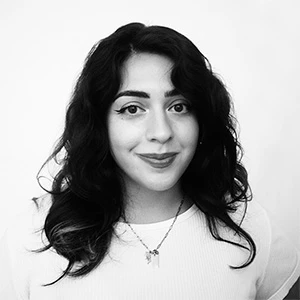
Professor
Erica Bellucci
-
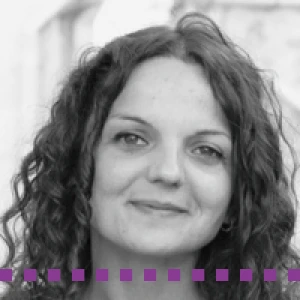
Professor
Gianna Bentivenga
-
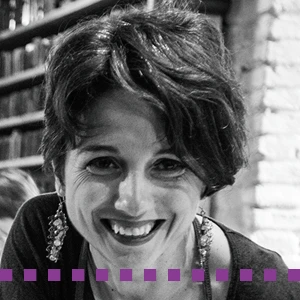
Professor
Maria Pina Bentivenga
-
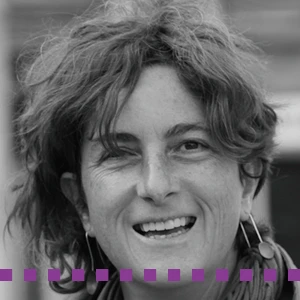
Professor
Emanuela Camacci
-
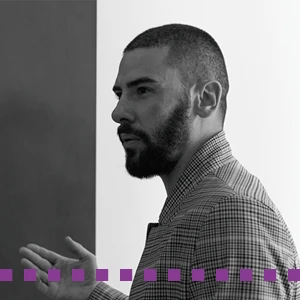
Professor
Simone Cametti
-
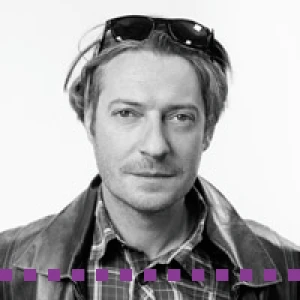
Professor
Emiliano Coletta
-
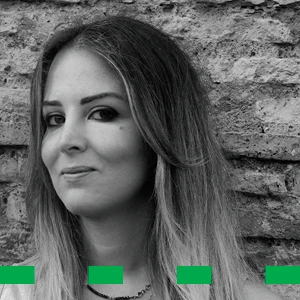
Professor
Daniela Cotimbo
-
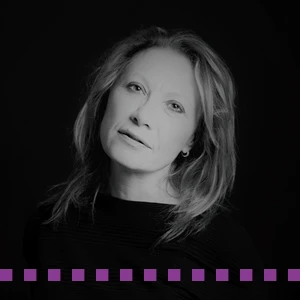
Professor
Genny Di Bert
-
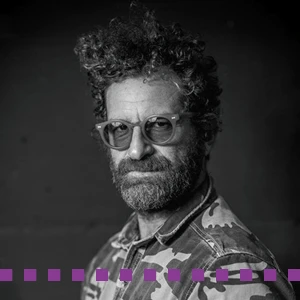
Professor
Davide Dormino
-
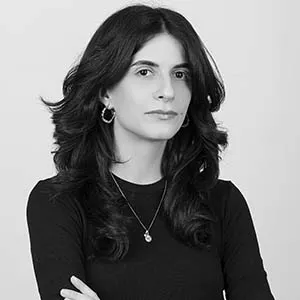
Professor
Iris Gentili
-
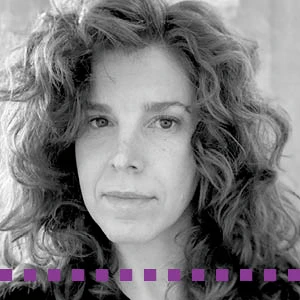
Professor
Silvia Giambrone
-
Professor
Jurgen Janku
-
Professor
Marta Jovanović
-
Professor
Cem Kanyar
-
Professor
Gianluca Lorenzini
-
Professor
Leonardo Petrucci
-
Professor
Fabrizio Pizzuto
-
Professor
Roberto Scavizzi
-
Professor
Lucia Sforza
-
Professor
Raffaele Simongini
-
Professor
David Vernaglione
-
Professor
Ellen Wolf
Community Voices

Unstable Realities – RUFA @ Museo MAXXI

RUFA @ Rome Art Week: “SEMI VERI”
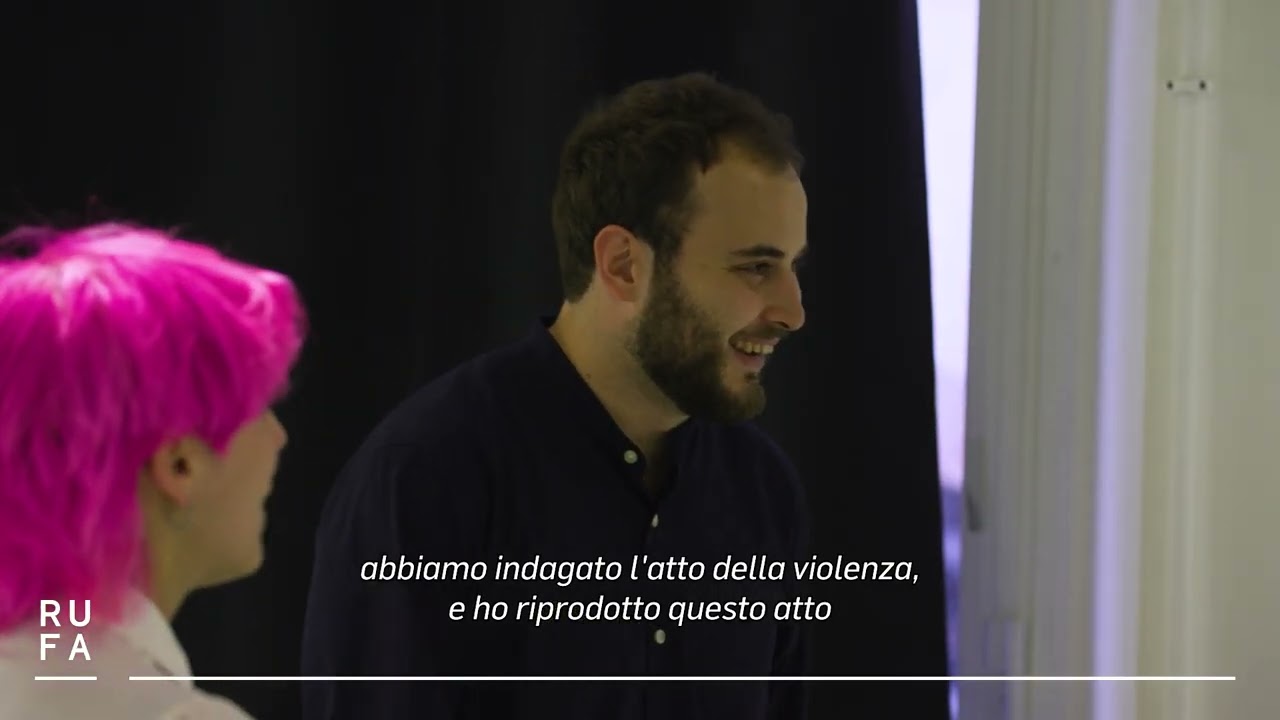
Amedeo and Anica’s Exhibition: “ASSAULT”
Request information
News and Events
-
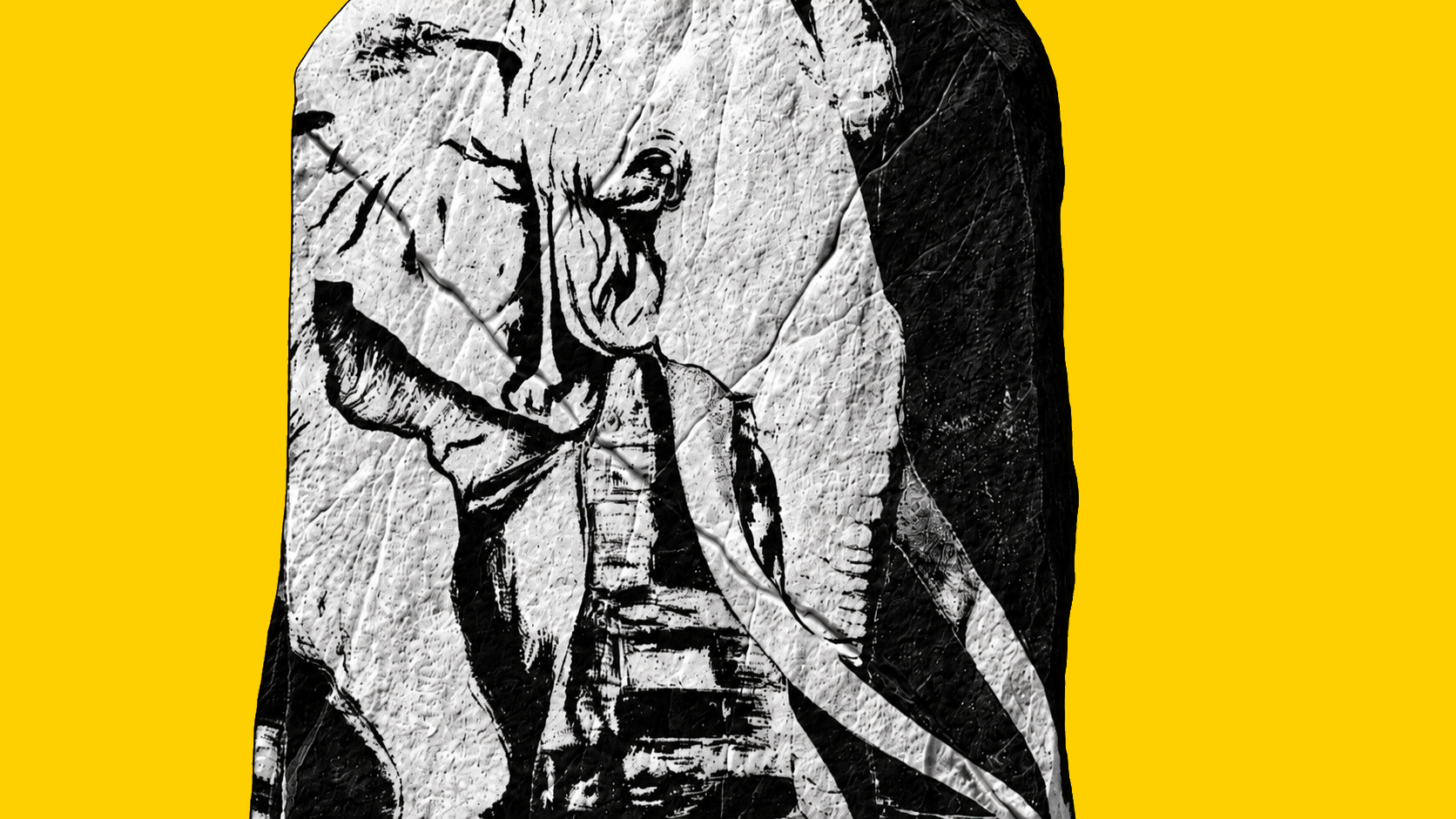
San Lorenzo. Tales from the Hood
Sixteen Works to Tell the Story of San Lorenzo
-
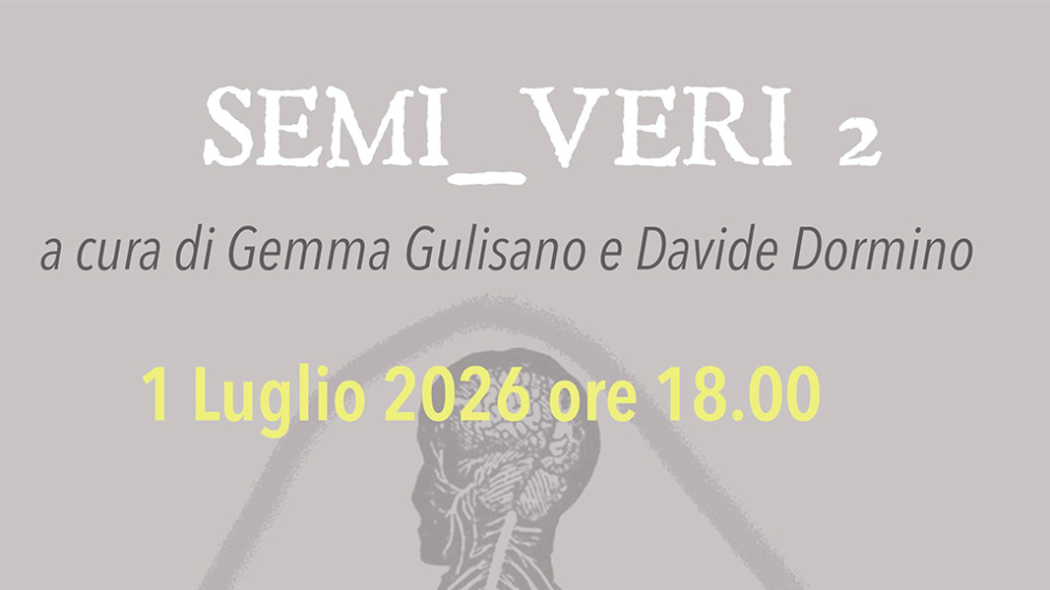
“Semi – Veri #2”: Sculptural Practices in the Making
-
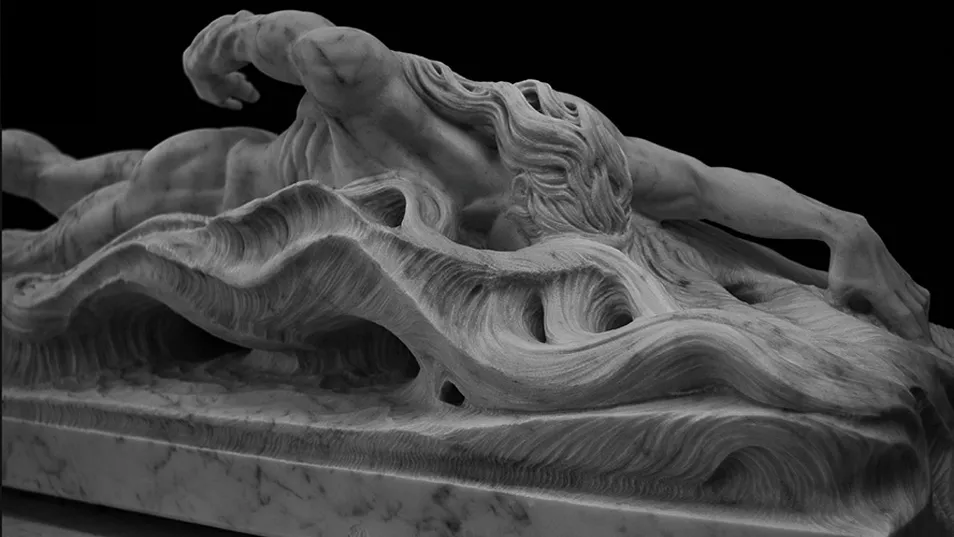
Fulvio Merolli at the Venice Biennale 2026
-
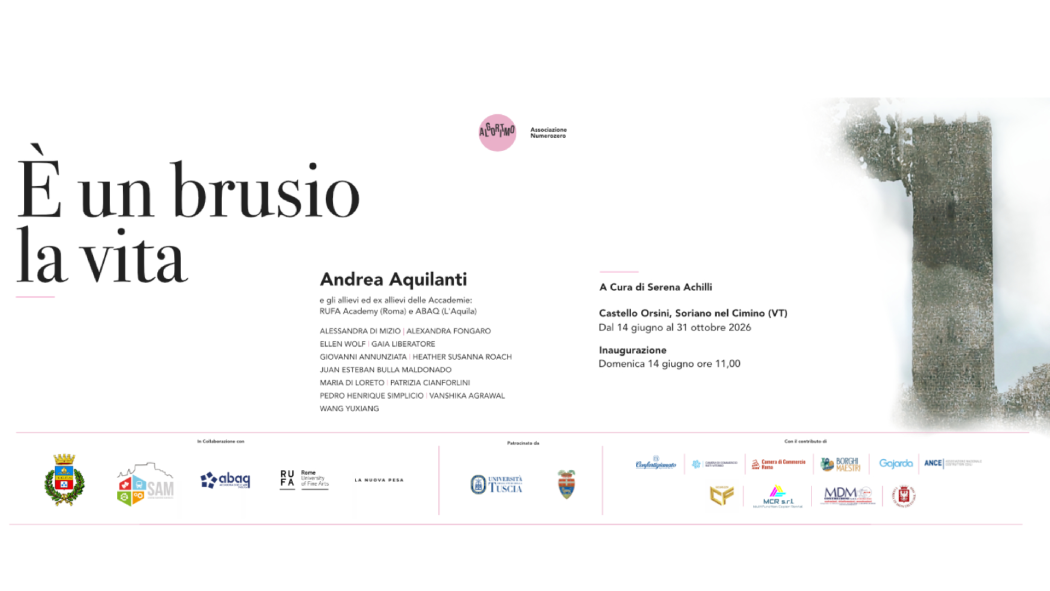
È UN BRUSIO LA VITA
-
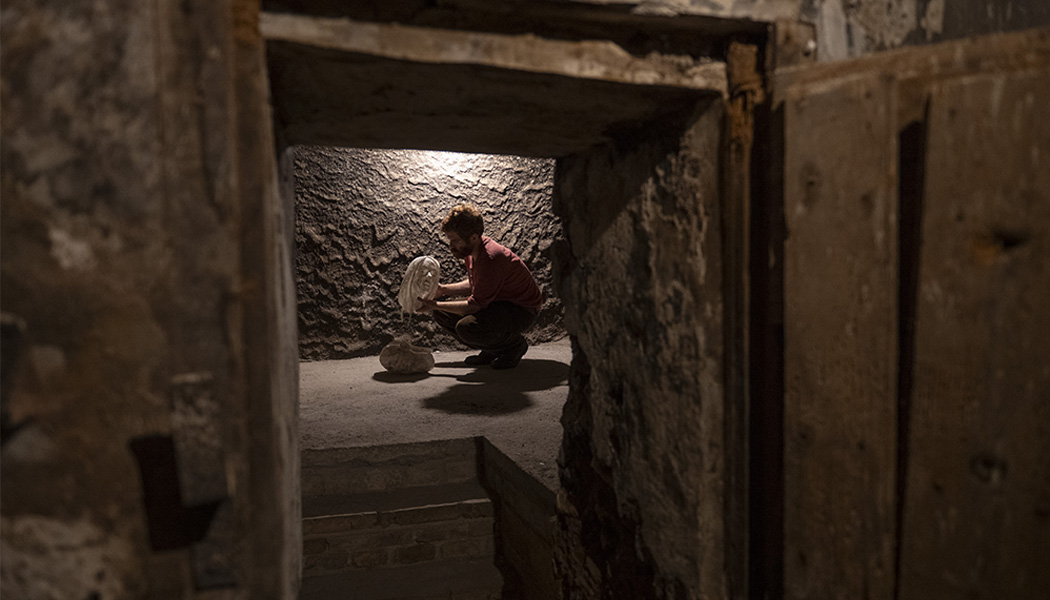
6ARTISTA. PROJECT FOR YOUNG ARTISTS 2026–2027 – VII EDITION
-
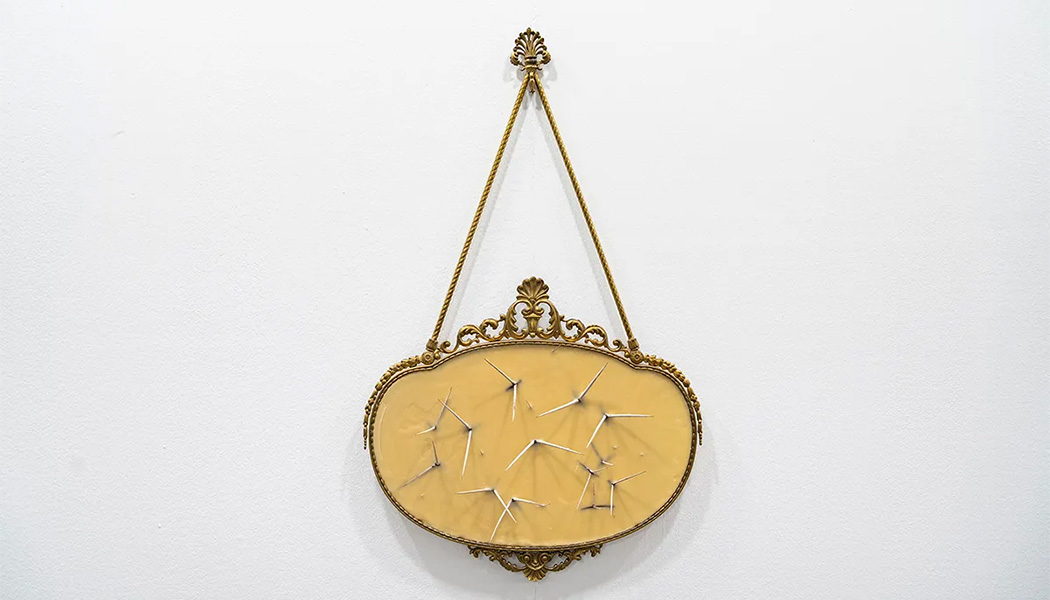
Silvia Giambrone wins the BPER Prize at Arte Fiera 2026
Do you have questions about the RUFA world? We are here to guide you!
Our guidance team is here for you all year round, ready to answer all your questions.