CAMPUSES IN ROME
TRIESTE + SAN LORENZO + OSTIENSE
Photography and Italian Cultural Heritage
The Master in Photography and Italian Cultural Heritage is RUFA’s programme dedicated to photography for cultural heritage. You will learn to use images as tools for knowledge, interpretation and enhancement, creating visual narratives capable of conveying the meaning of works, collections and cultural sites.
TAUGHT IN
ENGLISH
CAMPUS
ROME
COURSE DURATION
12 MONTHS
COURSE START
JANUARY

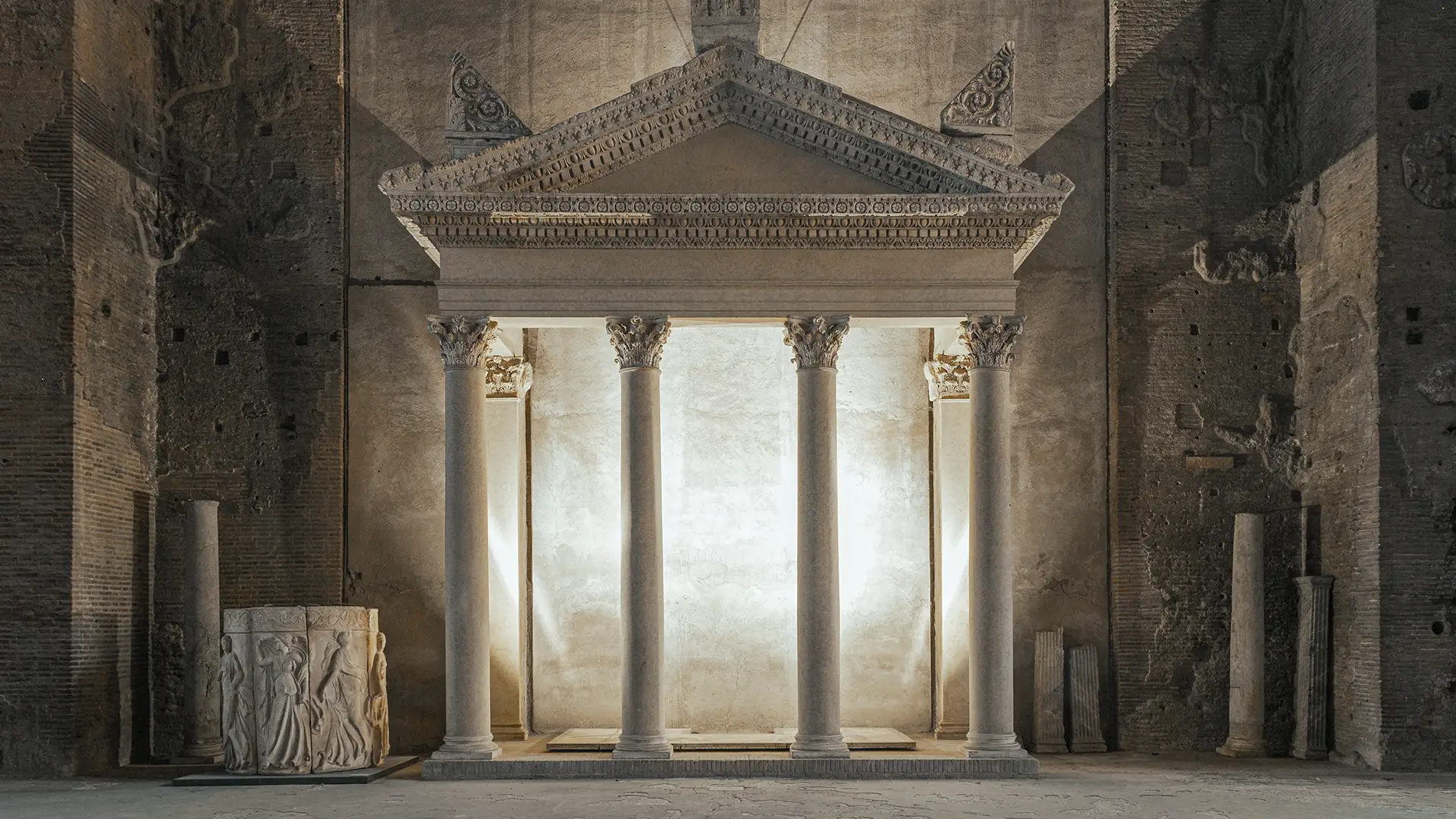
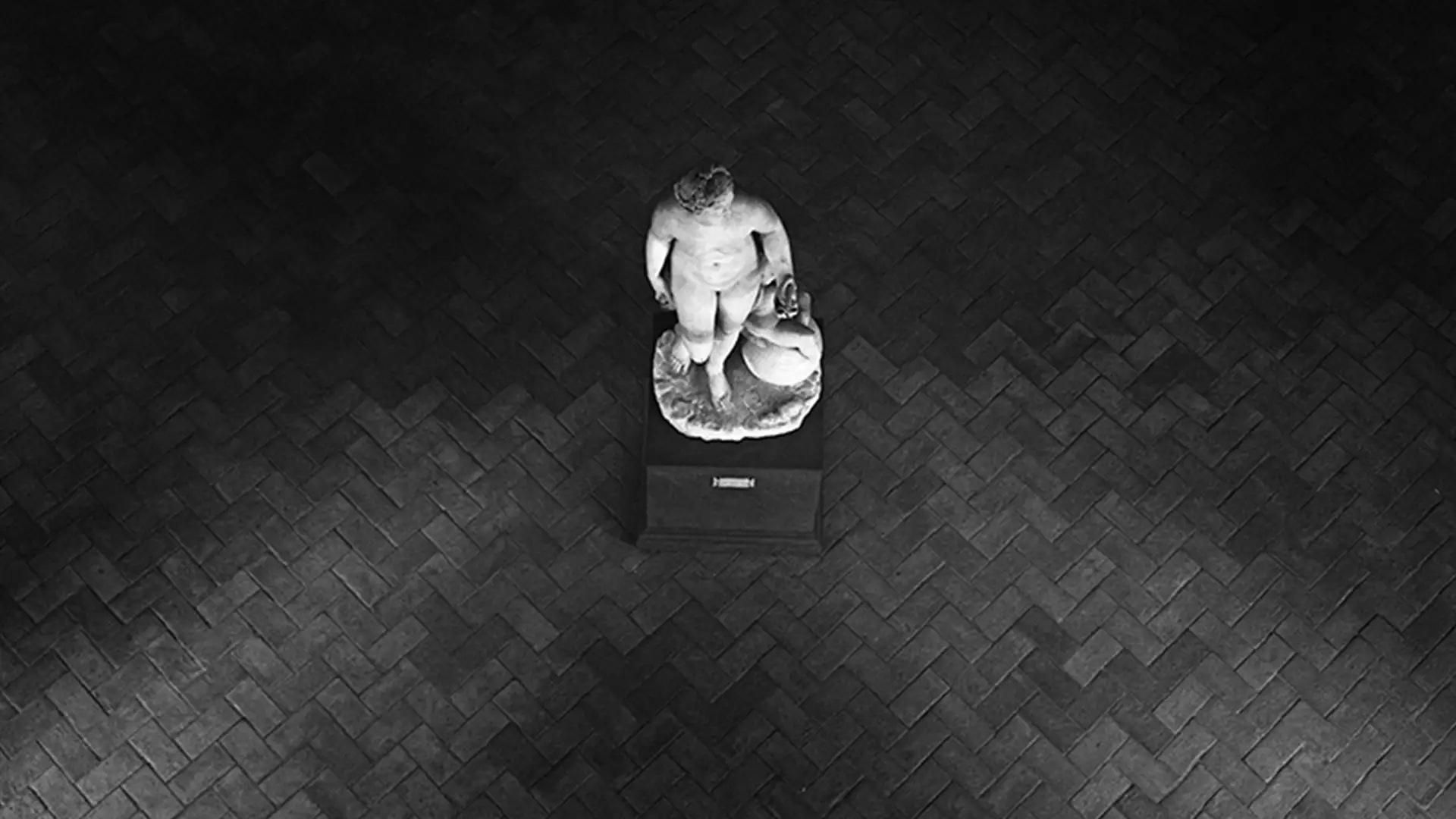
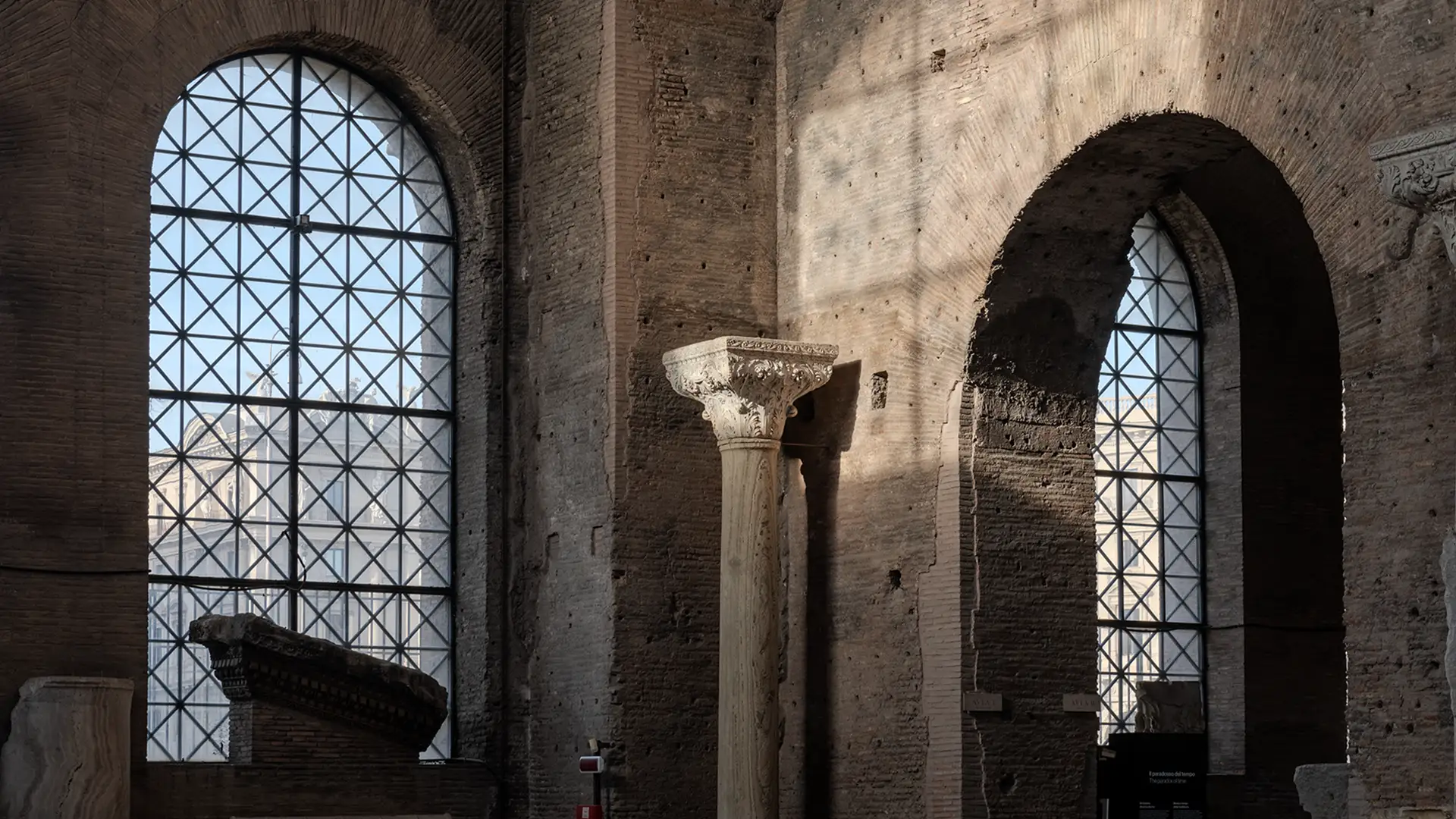
Documentation and enhancement
You will enter cultural venues to transform materials, archives and exhibition spaces into new visitor experiences. You will work on real cases, connecting photography, digital technologies and audiences.
Photo credits: Alessandra Florea, Armando Egidi, Asia Zanoni and Luca Nacca.
CLASS HOURS
500
INTERNSHIP HOURS
250
VISITING PROFESSOR
+ 20
CULTURAL PARTNERS
+ 100
Master’s objectives and skills
You will acquire an integrated vision of cultural projects, combining documentary rigour, an authorial approach and organisation. You will learn to define objectives, audiences, tools and outcomes, coordinating complex processes and translating research into clear visual experiences, accessible and contemporary.
QUALIFICATION
First-Level Academic Master’s Diploma
60 CFA
FUTURE CAREERS
- Cultural Heritage Photographer
- Photographic Campaign Author
- Data manager
- Archive Curator
- Project Manager for Artistic Heritage Enhancement
- Exhibition Project Manager
- Photogrammetry and 3D Scanning Specialist
- Visual Communication Specialist
- Digital Heritage Specialist
- Cultural Heritage Photographic Documentation Specialist
MAIN DISCIPLINES
- Photography for Cultural Heritage
- Cultural Heritage Documentation and Enhancement
- Digitisation and Photographic Archives
- Photogrammetry and 3D Scanning
- Editorial and Exhibition Design
- Project Management for Cultural Heritage Enhancement
A 12-month experiential programme
The course includes 500 hours of teaching and 250 hours of curricular internship, organised into consecutive modules with real-world projects in collaboration with museums, galleries and cultural institutions.
Attendance is compulsory.
Applications are currently open for entry in January 2027.
| SUBJECTS | ECTS | Hours |
|---|---|---|
|
The course explores the various forms and applications of photography for documenting and enhancing cultural heritage. From architectural and landscape photography to the capture of artworks, and from documentary projects to personal and authorial ones, the programme provides the tools needed to develop technical, professional, and artistic skills. It includes thematic modules, contributions from visiting professors, and a field-based photographic campaign.
| 12 | 150/150 |
|
The course addresses methods and techniques for layout and the development of editorial projects, preparing students to work on any type of production, both print and digital. Particular attention will be devoted to process management and practices within visual communication design, with the aim of fostering critical awareness and autonomy in graphic design.
| 4 | 50/50 |
|
The course explores the theory and techniques behind various methods of archiving, preserving, and promoting photographic heritage. From the digital acquisition of photographs and negatives to the creation and management of databases, it examines the role of the archive as both a tool and a critical interpretative device.
| 4 | 50/50 |
|
The course focuses on designing multimedia exhibits for the promotion of cultural heritage. It covers legislative and regulatory aspects through the definition of heritage and the analysis of the main laws governing it. Students will explore how to enhance cultural assets through content selection and accessible presentation, supported by practical exercises on the use of diverse multimedia tools.
| 4 | 50/50 |
|
In addition to advanced photographic post-production techniques, the course introduces the main technologies used in cultural heritage documentation, such as photogrammetry and 3D surveying.
| 6 | 75/75 |
|
The course provides historical, artistic, and critical knowledge of photographic languages, with a focus on authors, projects, and documentation campaigns that have portrayed artistic, museum, architectural, landscape, and social heritage.
| 6 | 45/105 |
|
The course covers the planning, organization, and coordination of editorial projects—both digital and printed—as well as exhibition events dedicated to the promotion and documentation of cultural heritage. Activities include in-depth sessions, practical exercises, and a focus on working with publishers, producers, and museum institutions.
| 6 | 75/75 |
| A.F. Additional linguistic and relational skills, internships, workshops, artistic production, etc. | 10 | 250 |
| Final Project | 8 | |
| Total Credits | 60 |
Art, archives, photography
You will become a professional capable of conceiving, producing and managing photographic projects dedicated to the enhancement of artistic and cultural heritage. Through a programme that combines an authorial vision, technical skills, digitisation, data management and archival practices, you will develop the skills required to work as a cultural heritage photographer, photographic campaign author, archive curator or project manager in the field of cultural heritage.
Photo credits: Maria Teresa Tenaglia
Internships and partnerships
The Master in Photography and Italian Cultural Heritage benefits from established institutional partnerships that, depending on ongoing projects and availability, may host students for a 250-hour curricular internship, as well as collaborate on the production of the annual publication and exhibition event.
Main partners include: Istituto Centrale per il Catalogo e la Documentazione (ICCD), Museo Nazionale Romano, Museo di Roma in Trastevere, Palazzo Braschi, Roma Culture – Sovrintendenza Capitolina ai Beni Culturali, Zètema Progetto Cultura.
Teaching methodology and project approach
The Master’s programme places methodology and practice at the heart of the learning experience. Students work through every stage of the project: from photographic shooting to post-production, from the digitisation of archives and negatives to photogrammetry and 3D scanning.
The programme also explores the planning of on-site photographic campaigns, multimedia design for online and exhibition use, archiving and metadata standards, the organisation of editorial and exhibition projects, project management and distribution channels.
Photo credits: Michele Quondam Pasquale
Publications and exhibitions
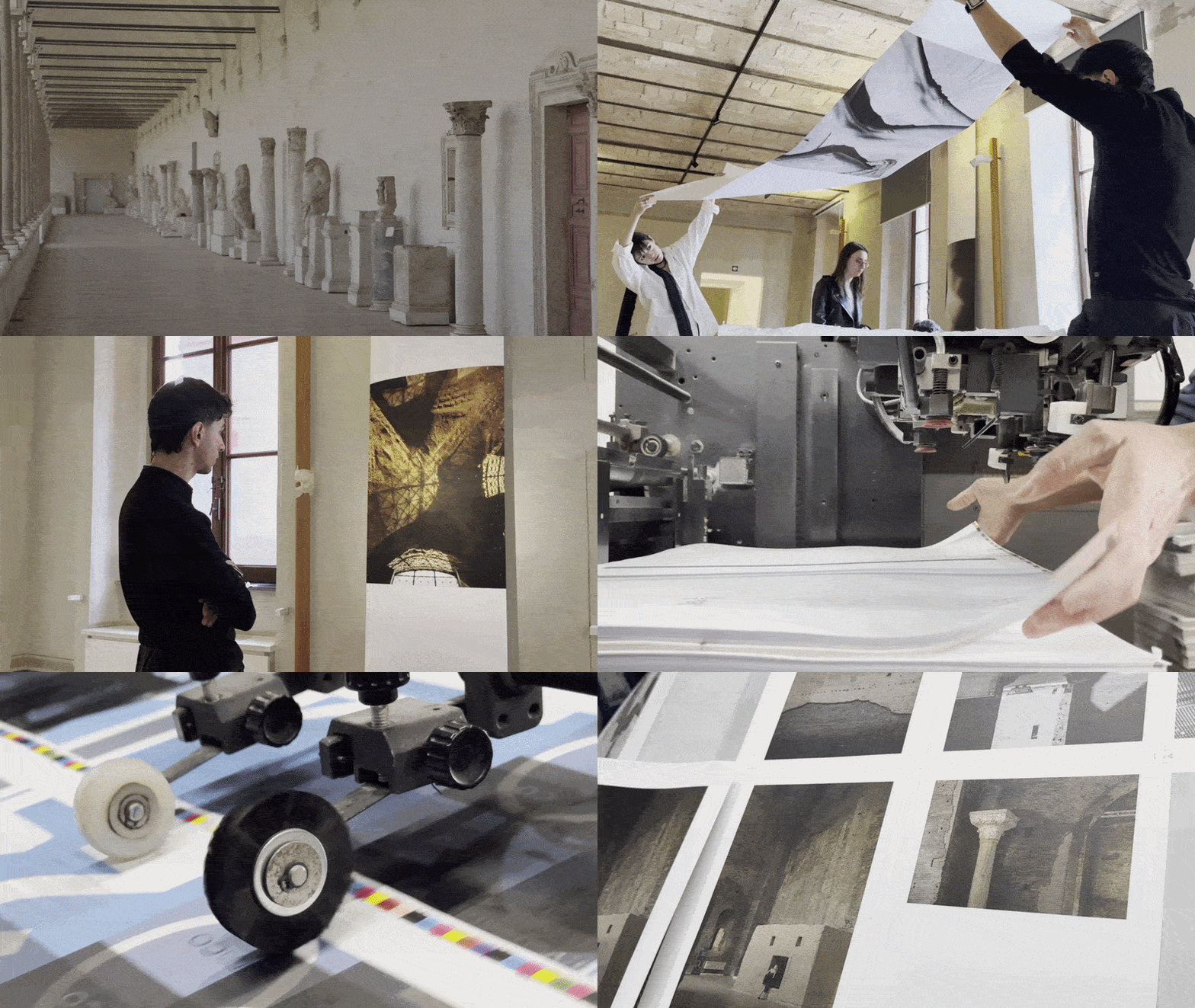
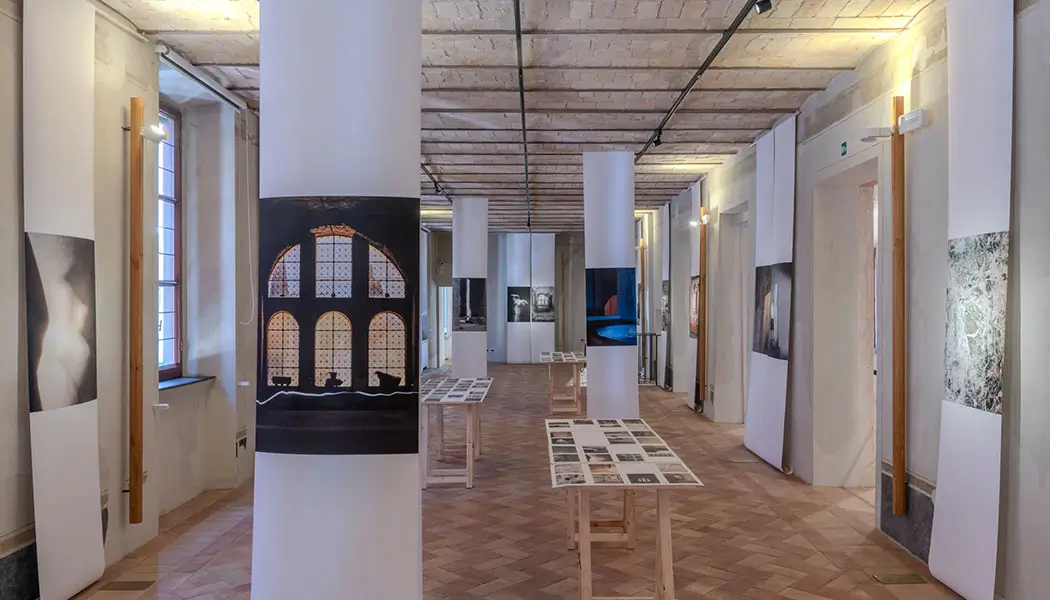
Each year, the Master’s programme includes the production of a publication and an exhibition event in collaboration with a cultural institution, providing an opportunity to bring together and publicly present the projects developed during the course.
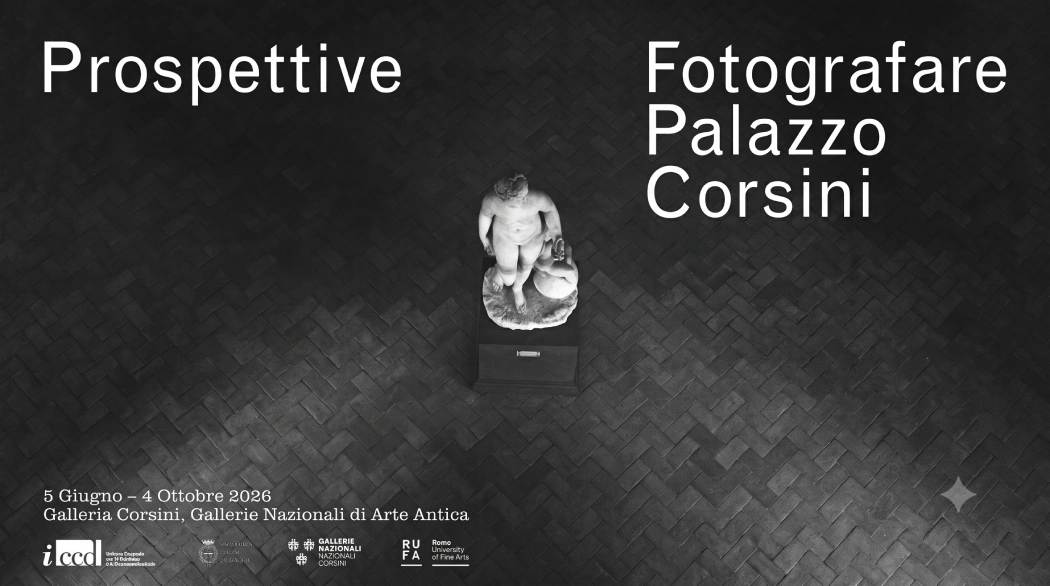
Since 2021, RUFA has collaborated with the Istituto Centrale per il Catalogo e la Documentazione (ICCD), giving students the opportunity to work with a real-world client. This experience has led to exhibitions and publications officially acquired by the ICCD, including Prospettive. Fotografare la Galleria Spada (2023), Terme di Diocleziano. Fotografare il Museo Nazionale Romano (2024) and Fotografare Palazzo Corsini (2026).
Admissions, Documents, Fees and Financial Support
Admission to RUFA first-level Academic Master’s programmes requires a three-year Academic Diploma under the new system, a four-year Academic Diploma under the previous system, a university degree, or another qualification obtained abroad and recognised as suitable by the Academy in accordance with international agreements.
Admission is based on an entrance assessment designed to evaluate the applicant’s motivation and suitability for their chosen course of study. The application must include a curriculum vitae, a personal statement of at least 500 words, and proof of English language proficiency at B2 level or above. Applicants may also submit a portfolio, a summary of their dissertation, or any other relevant documents demonstrating their skills and experience.
The entrance assessment consists of a motivational interview, which may include the presentation of a portfolio of work, projects and/or any other documentation considered useful for admission. The interview may also be conducted online.
ADMISSION TO THE ENTRANCE EXAMINATIONS
Applications for admission in January 2027 are now open.
ADMISSIONS
- Online Application Form
- Copy of an identity document and Italian tax code (for Italian applicants only).
- Bachelor’s degree certificate, original copy or self-certification – Download the template
- CV
- Personal statement
- Portfolio or other documents (optional)
ENROLMENT
- Online enrolment application
- Two passport-sized photographs
- Receipt of payment of the enrolment fee
- English language certificate or other proof of English proficiency at B2 level, required for all students
- For non-EU students: a study visa/residence permit is required in order to attend academic programmes
- For international or Italian students who obtained their qualification abroad: a Declaration of Value issued in the country where the qualification was awarded, or Statements of Verification and Comparability issued by CIMEA.
For each Academic Master’s programme, RUFA offers two scholarships to Italian and international students enrolling on any Academic Master’s programme.
For each programme, RUFA awards one scholarship covering 50% of the tuition fee and one scholarship covering 30%. The amount is deducted directly from the tuition fee. Scholarships are awarded on the basis of academic and artistic merit.
A panel of experts assesses scholarship applicants by considering the strength and consistency of their academic profile, dissertation, portfolio, projects submitted and, where applicable, the outcome of the interview.
Applications for a scholarship must be submitted at the same time as registration for the entrance assessment by selecting the relevant option when completing the form.
RUFA believes in the value of accessible and inclusive education. For this reason, it supports students experiencing financial hardship or coming from diverse backgrounds by offering solutions designed to facilitate access to academic programmes and help every talent build their professional future:
• 12-month interest-free payment plan (Terms and Conditions);
• “Per Merito” student loan, which requires no guarantor for students who are up to date with the requirements of their chosen programme;
• €2,000 fee exemption for students with a certified disability of over 66%;
• 5% reduction for payment in a single instalment by 31 January (Italian nationals only);
• 10% reduction for enrolled siblings;
• 20% reduction for RUFA graduates.

Pronto a iniziare il tuo Master RUFA?
Iscriviti all’esame di ammissione ai Master Accademici e dai forma al tuo futuro professionale
Request information
Hai domande sul mondo RUFA? Siamo qui per orientArti!
Il nostro team orientamento è qui per te tutto l’anno, pronto a rispondere ad ogni tua domanda.