You will establish yourself as a digital animation designer and visual effects artist, mastering the techniques of 3D, compositing and motion design to create innovative visual worlds for cinema, television and audiovisual productions.
Computer animation and Visual effects
DURATION > 2 YEARS
LANGUAGE > ITALIAN
COURSE START > OCTOBER
CAMPUS > ROME
Making the impossible real
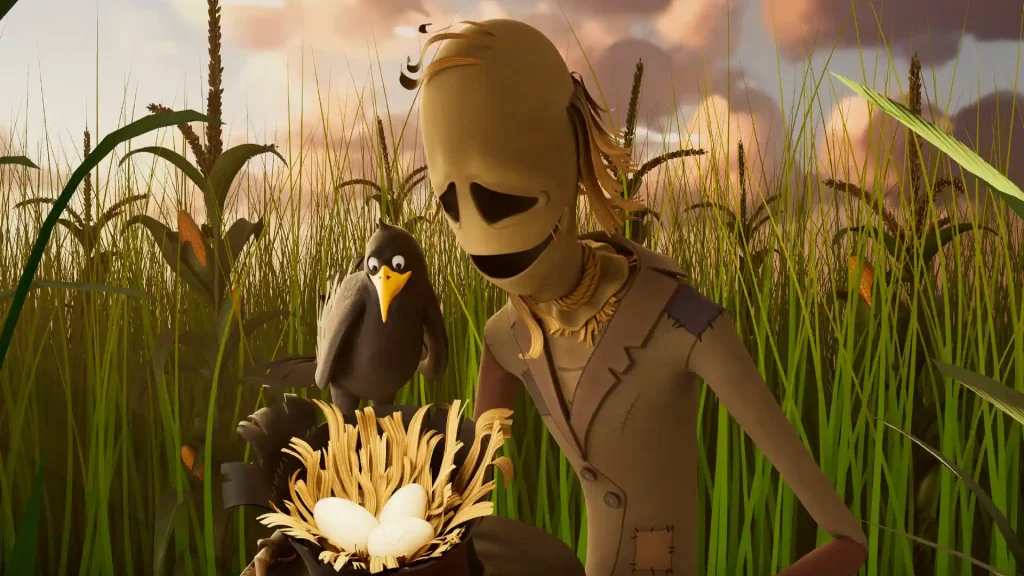
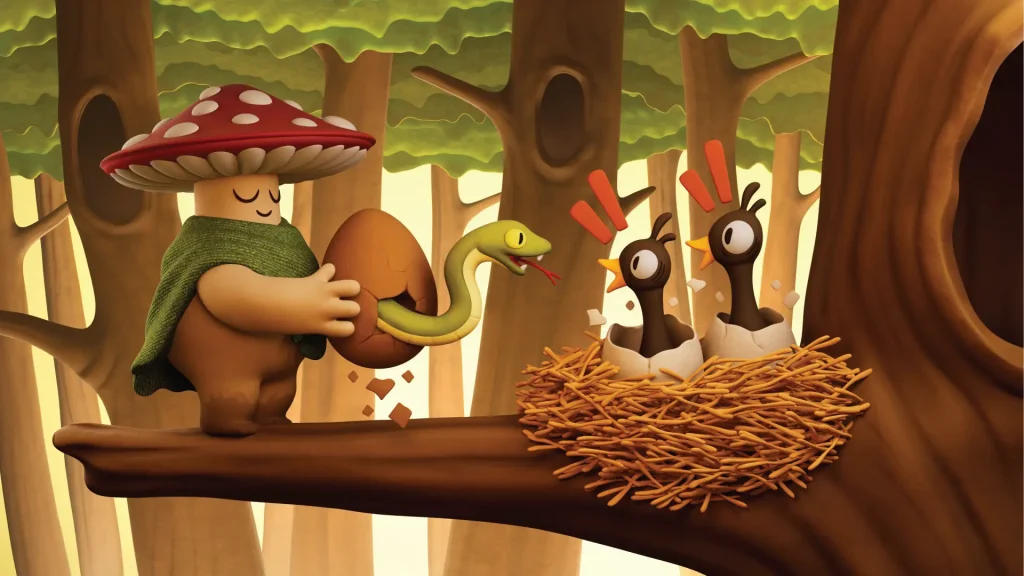
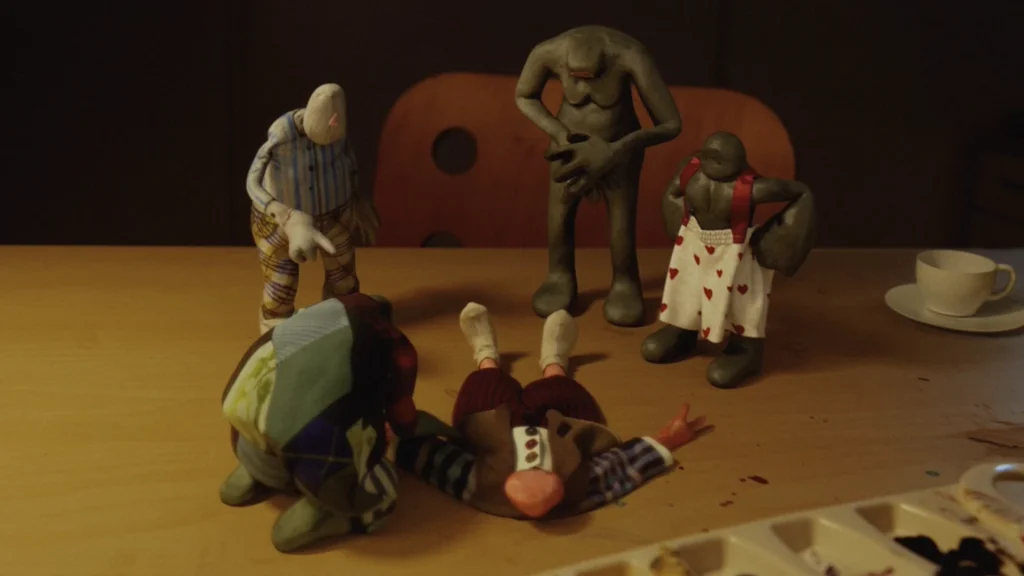
A programme where creativity, visual culture and technological skills come together to transform ideas, characters, environments and narratives into moving images.
Design, vision, innovation
You will become a professional capable of managing the entire creative process, combining art and technology and driving visual innovation with expertise, creativity and critical thinking.
You will study 3D animation techniques, visual effects, compositing and motion design, while maintaining a strong connection with drawing, craftsmanship, storytelling and artistic design. The course will guide you in developing a complete method: from concept development to storyboard creation, from modelling to final rendering, through to managing schedules, roles and production processes.
Through projects, workshops, masterclasses and original productions, you will build a professional portfolio capable of expressing your creative and technical identity. At the end of the two-year programme, you will be able to work as a 3D modeller, texture artist, lighting technician, animator, TD rigger, compositor, director, storyboard artist, concept artist or cartoonist.
Study areas
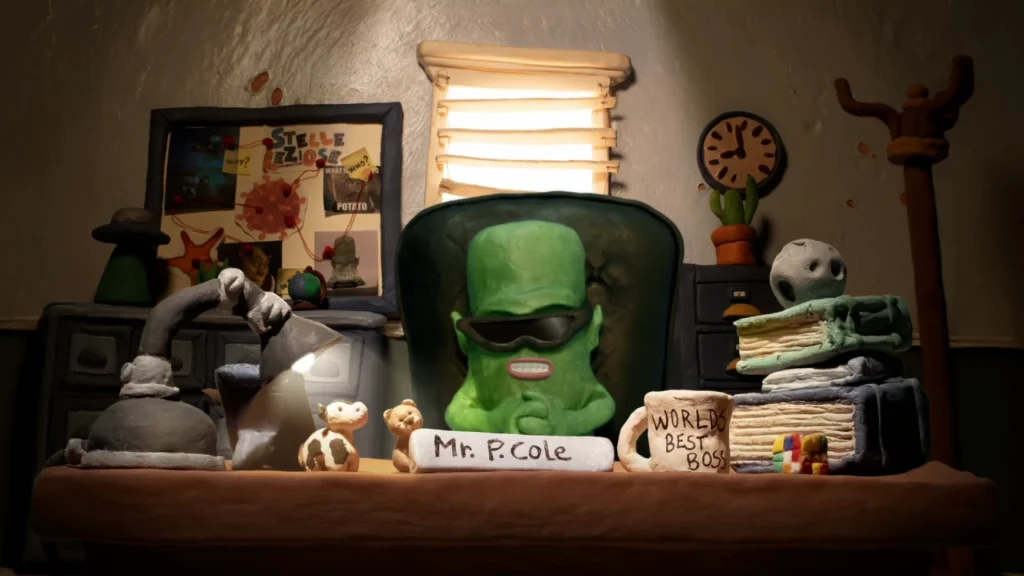
3D ANIMATION, CHARACTERS AND DIGITAL WORLDS
In this area, you will learn to design and animate characters, environments and digital objects, developing skills in 3D modelling, character design, movement and the narrative construction of space. Animation is approached as a visual and design language, not merely as a technique: every formal choice contributes to defining atmosphere, rhythm, identity and narrative. Through professional software, exercises and applied projects, you will develop the ability to bring believable, imaginative worlds to life, consistent with the project’s artistic vision.
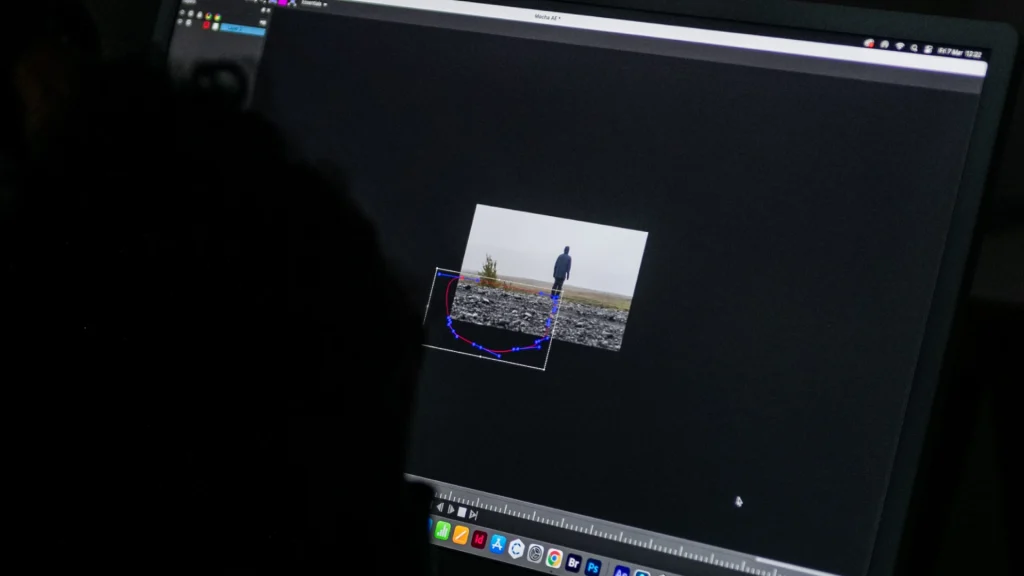
VISUAL EFFECTS (VFX), COMPOSITING AND POST-PRODUCTION
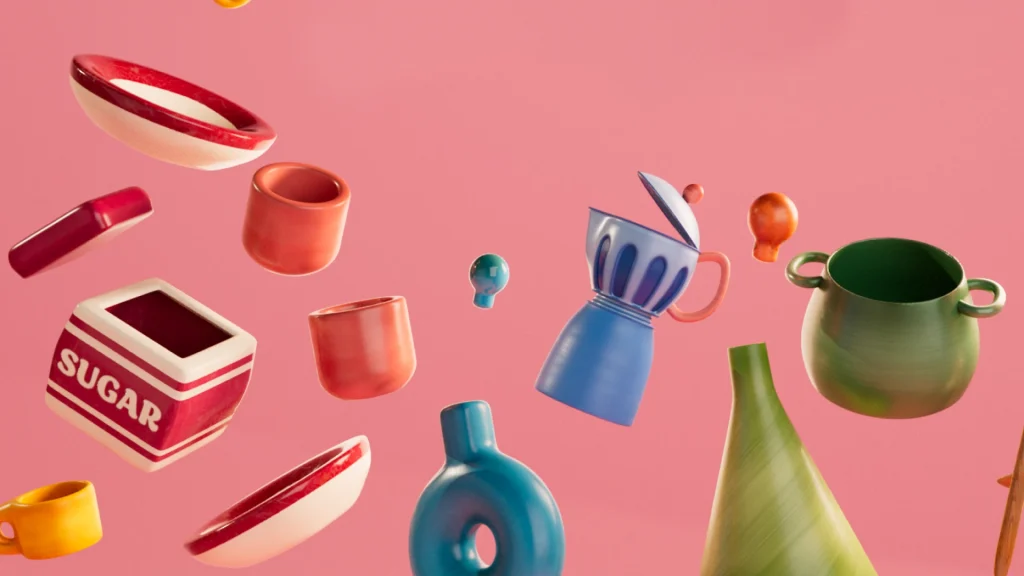
The area dedicated to Visual Effects allows you to explore the techniques required to create complex images, integrate real and digital elements, build visual effects and work on the post-production of animated or audiovisual sequences. You will study 2D compositing, 3D tools, lighting, textures, special effects and image finalisation processes. The aim is to learn how to make visible what does not yet exist, transforming visual effects into a fundamental narrative, aesthetic and production component for cinema, series, advertising, music videos and digital content.
STORYTELLING, DIRECTING AND PROJECT PRODUCTION
The course also guides you through the complete management of an animated or audiovisual project, from the initial idea to the final outcome. You will explore storyboarding, directing, visual writing, film history, visual culture and creative workflow organisation. You will learn to work in stages, coordinating content, roles, schedules and objectives, developing a professional mindset aligned with the real processes of contemporary productions. This area helps you transform technical skills and artistic vision into a finished product that can be presented to festivals, competitions, companies and creative studios.
QUALIFICATION
Master’s Degree
120 CFA
FUTURE CAREERS
- Animation Director
- Concept Artist
- Storyboard Artist
- Animator
- Cartoonist
- VFX Artist
- Compositor
- 3D Artist
- 3D Modeller
- Texture Artist
- Lighting Technician
- Technical Director (TD Rigger)
- Motion Designer
MAIN DISCIPLINES
- Character Design
- 3D Animation
- Motion Design
- Directing
- Special Effects
- Traditional Animation
A study method designed for you
LEARNING BY DOING
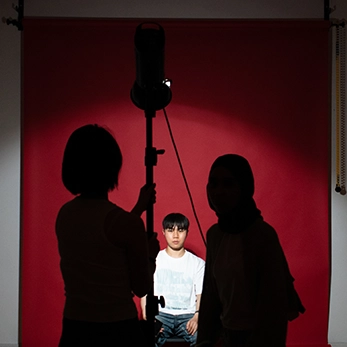
In RUFA, you learn by doing. Alongside the solid foundation of a university-level education, you will develop a hands-on approach that allows you to work on real projects, experiment, and build immediately applicable skills. Each course helps you transform ideas into prototypes, artworks, videos, concepts, installations, or products.
EXTRA DIARY
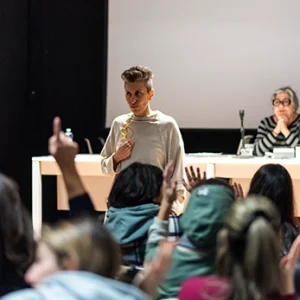
Workshops, laboratories, exhibitions, talks, and collaborations with companies are an integral part of the learning experience. The classroom opens up to the professional world and becomes a space where you engage every day with professionals, creative directors, artists, and designers. This allows you to understand how the industry you want to grow in truly works.
RESEARCH AND CROSS-POLLINATION
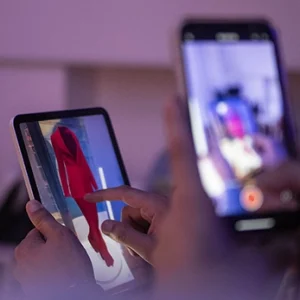
Every discipline becomes a space for experimentation. RUFA encourages you to blend languages, visions, techniques, and tools, combining artistic tradition with technological innovation. Here, you can explore, experiment, create connections, and find your own creative identity.
Requirements
ITALIAN STUDENTS
- Bachelor’s degree or equivalent qualification
- Portfolio
EU AND NON-EU STUDENTS
- First-cycle degree valid within the Italian education system
- Portfolio
- B2 certificate in the language of the course
Following admission, NON-EU students will be required to begin the procedure for obtaining a study visa.
Study plan
The RUFA Master of Arts requires students to earn 60 academic credits for each academic year. To obtain the qualification, students must complete the entire study programme, earning a total of 120 CFA (Academic Credits).
Attendance is compulsory for all classes at RUFA’s campuses.
| SUBJECT | ECTS | HOURS |
|---|---|---|
|
Module 1, 2D animation: the story of movement. The twelve rules: squash & stretch, anticipation, staging, straight ahead & pose to pose, follow through & overlapping, slow in & slow out, strings, secondary action, timing, exageration, solid drawing, appeal. Traditional and digital animation through the use of Toon boom software. Module 2: first approach to 3D animation on maya focus on interface and specific tools. Analysis of a Rig and its correct use. Practical exercises of verification.
| 10 | 125 |
|
Study of the main 2D and 3D compositing tools. Acquisition of knowledge, through NUKE software, of some of the basic tools such as advanced cleanup, color correction, 3D pass compositing, fundamental to combine different visual elements from different sources and create the illusion of verisimilitude, cleaning, improving and editing videos already shot.
| 6 | 75 |
|
First approach to 3D design software: study of the MAYA interface and basic tools. The realization of a 3D environment through non-organic polygonal modeling, through the study of UV, texturing, shading and lighting. The modeling of an organic figure, addressing the basics of the Rig, in order to elaborate a bone structure and move and pose the character.
| 6 | 75 |
|
The development of a character: character design. From the preliminary phase with the research and concept elaboration to the executive phase with the turn around, face expression, pose/attitudes and shape construction, to the study of movement. Creation of a storyboard and a videoboard of a short subject.
| 6 | 75 |
|
Direction and artistic direction as an ideative and design glue so that the skills acquired during the course of study are transformed into finished works, providing students with an authoritative approach and a portfolio of works.
| 6 | 75 |
|
The evolution of visual culture in terms of style, content and message with a focus on the influence of the media world in the process of image over speech. The fundamental contribution of technology: technical analysis of the media, in their characteristics and in their use, for the understanding of contemporary imagery.
| 6 | 45 |
|
From pre-cinema to the latest digital animation techniques: analysis of authors, techniques and products for the understanding of contemporary animation in the light of the proliferation of new media and the evolution of the audiovisual market in an interactive key. The evolution of animation from its origin to today enriched by a theoretical-practical reflection on the fundamental elements of dramaturgy applied to the animated product.
| 6 | 75 |
|
Study and development of technical and artistic skills in order to make quick, prepared and creative choices in the process of film narration. The study of cinematographic photography with the aim of acquiring shooting and lighting techniques, to create appropriate atmospheres based on pre-production, production, post-production scenes.
| 6 | 75 |
| Elective educational activities | 6 | / |
| Language skills - Internships - Workshops | 2 | / |
| SUBJECT | ECTS | HOURS |
|---|---|---|
|
In-depth knowledge of Maya 3D design software: creation of teams to realize a real CG production. Based on the propensities and skills developed, we will develop a modeling department, one for rigging, texturing and shading, animation, lighting and rendering up to the finalization of the product with the final compositing.
| 6 | 75 |
|
The animation of characters in 3D aimed at telling a story: deepening the principles of animation, the mastery of time, the expressiveness of body and face and knowledge of audiovisual language. Particular attention to the planning of the scene, the study of body mechanics, the analysis of the dialogue, the choice of golden poses, up to the finishing phase of the animation.
| 8 | 100 |
|
Interdisciplinary integration aimed at the realization of the animated short film for the thesis, a moment of palpable representation of the acquired expertise: from the writing, characterization of the characters, development of the graphic part and the storyboard, to the production and post-production phase.
| 10 | 125 |
|
Deepening of the compositing skills acquired during the first year, through a more in-depth use of Nuke software, put in an increasingly close relationship with the 3d elaborations. The development of the look will be addressed through compositing and complex shots of integration between live shot elements and computer graphics.
| 8 | 100 |
|
Study of motion graphics language as a communication tool for complex concepts. Analysis and use of after effects software for the creation of visual effects. Focus on case histories to be used as inspiration and reference. Acquisition of different techniques, from video editing to graphic layout, from 2D/3D animation to sound design, aimed at practical exercises.
| 6 | 75 |
|
The basics of physics to understand sound as an acoustic phenomenon and first approach to audio editing software. Study of recording, editing and mixing techniques, and analysis of the instruments most commonly used by sound designers (Eq, Compressors), through practical exercises.
| 6 | 75 |
| Language skills - Internships - Workshops | 6 | / |
| Thesis | 10 | / |







Community Voices
Computer Animation and VFX – The Coordinator presents the programme.
Exclusive Masterclasses during the Academic Year
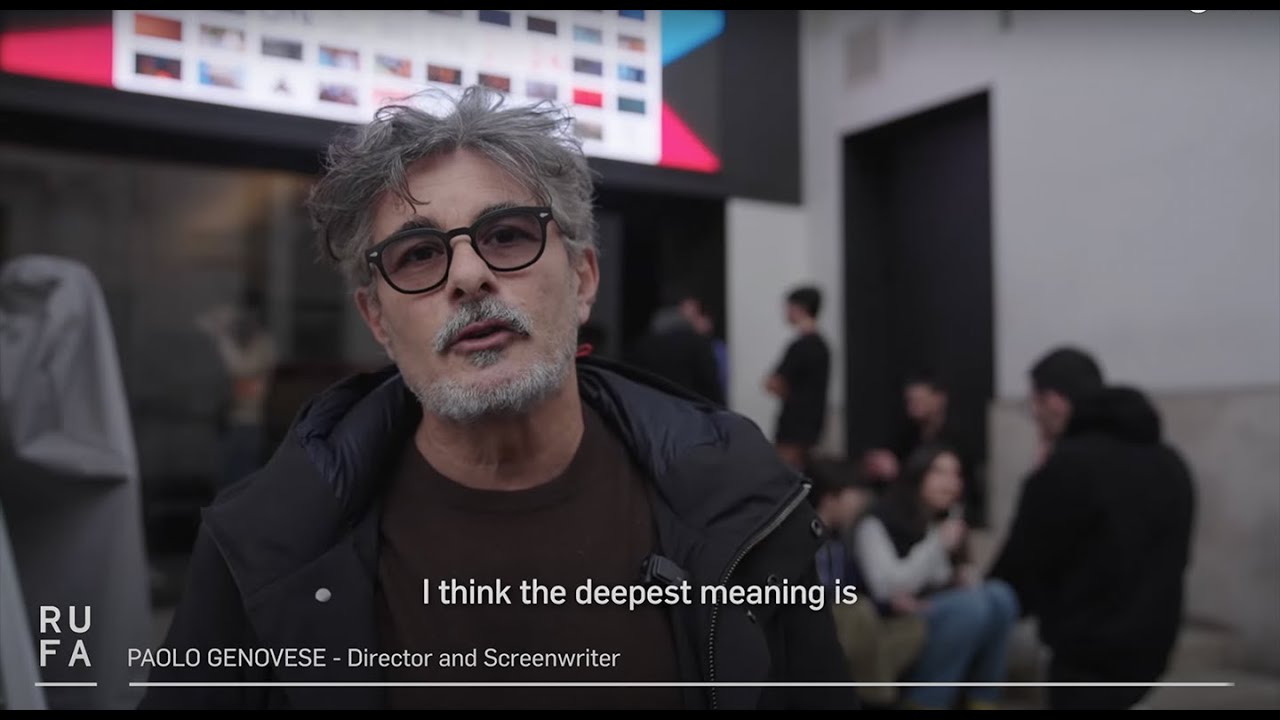
Animated Short Films at Cinema Troisi: RUFA ON SCREEN





Request information
News and Events
-
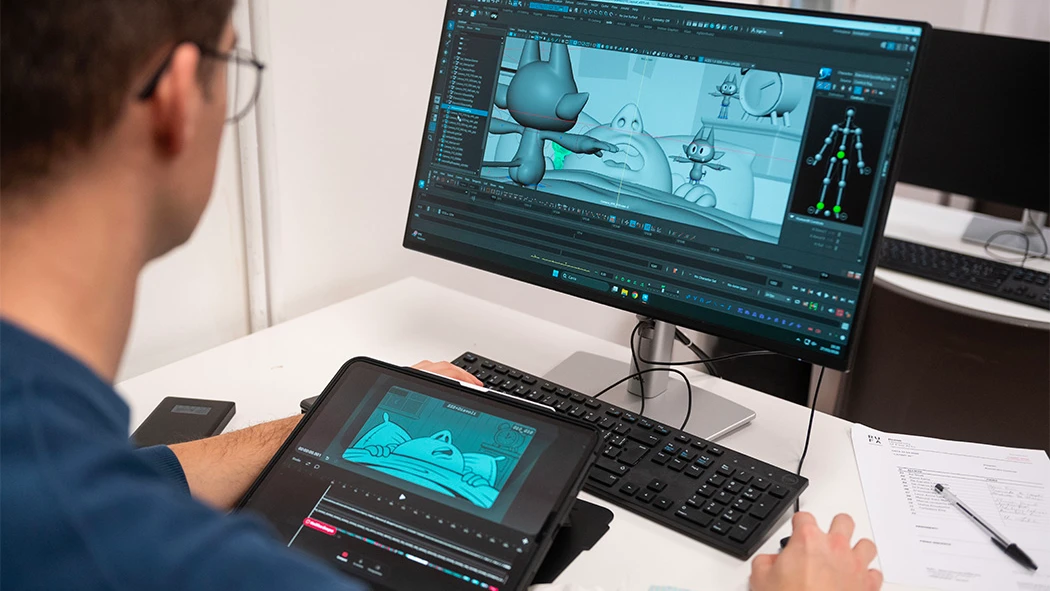
3D Layout Masterclass with Alessandro Contenta
-
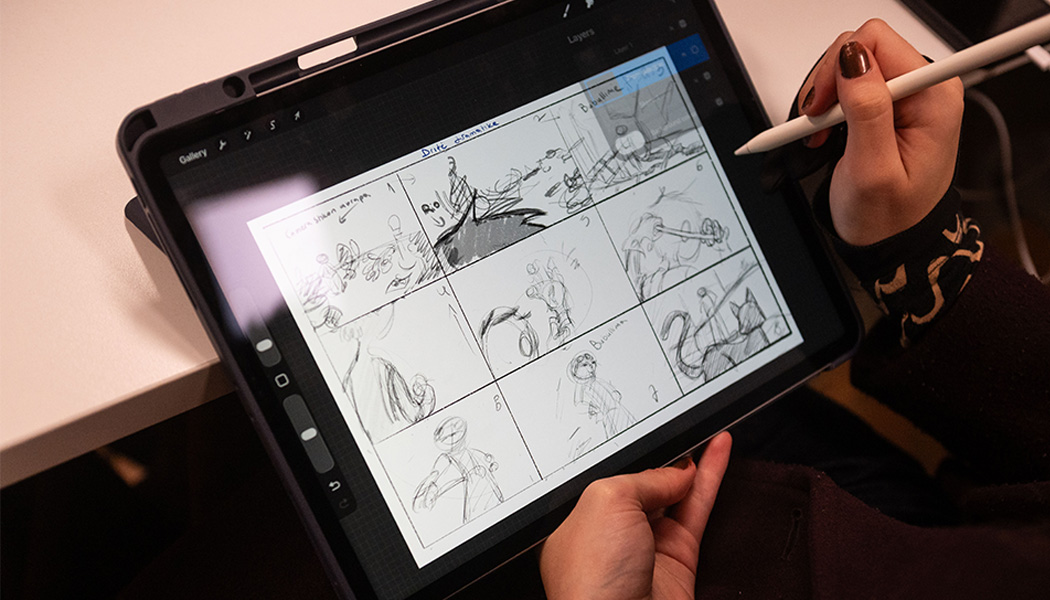
Storyboard and Visual Storytelling – The Masterclass with Marco Zanoni
-
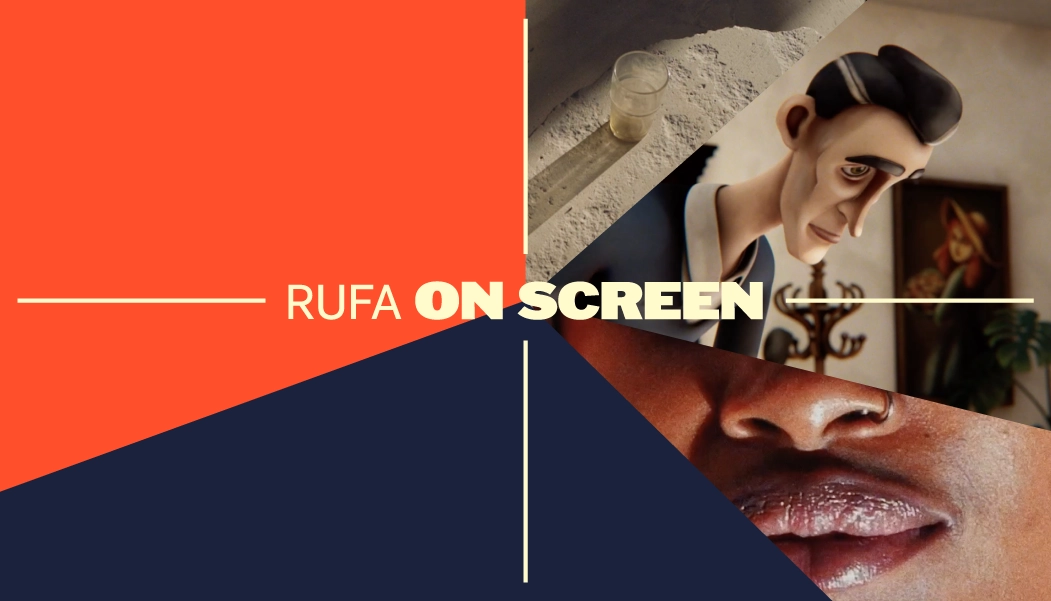
RUFA ON SCREEN 2026 – IL BANDO
-
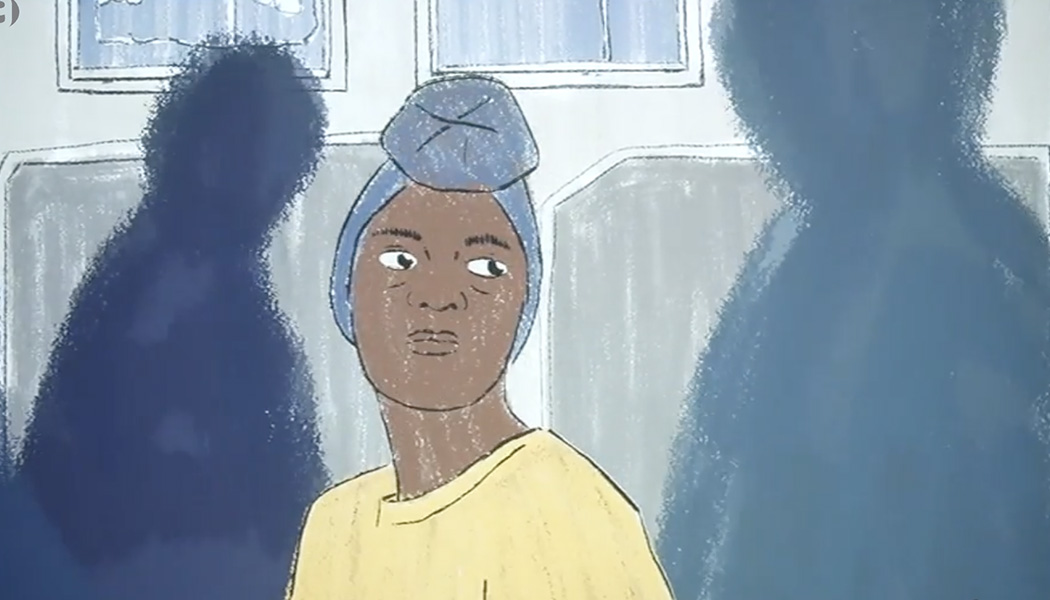
“Il Nome di Hope”: RUFA Students at the 82nd Venice International Film Festival
-
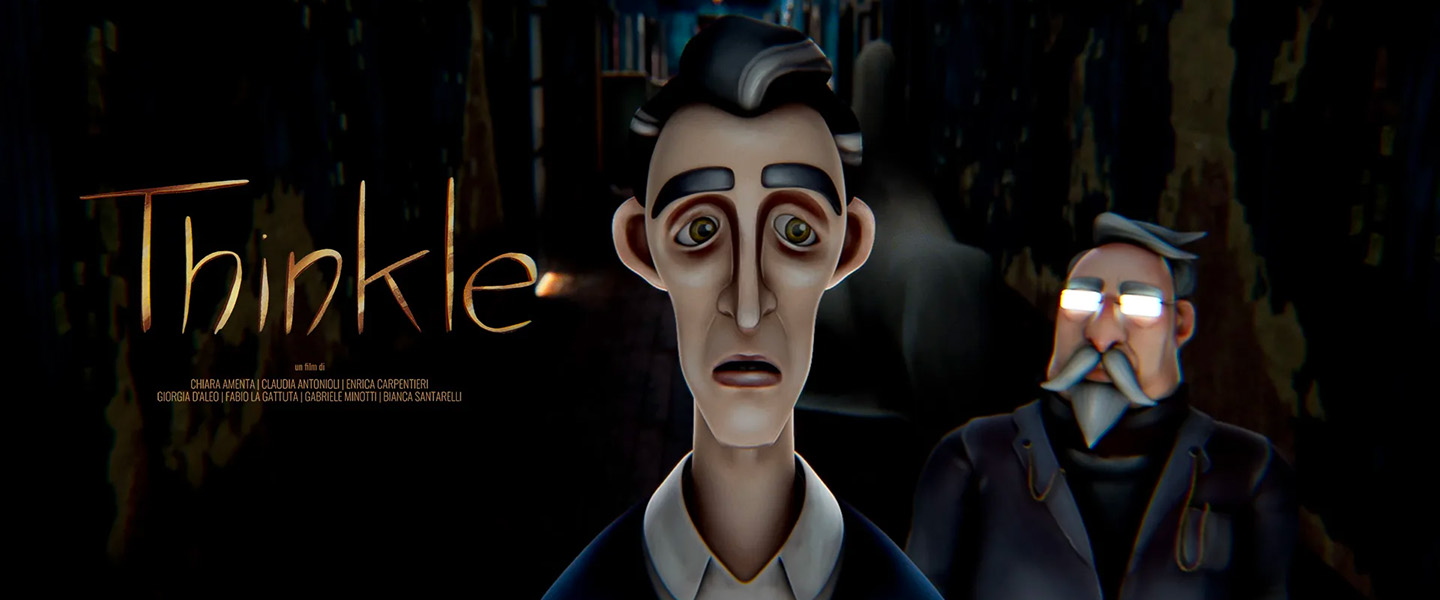
RUFAlumni Showcase: screening of THINKLE
-
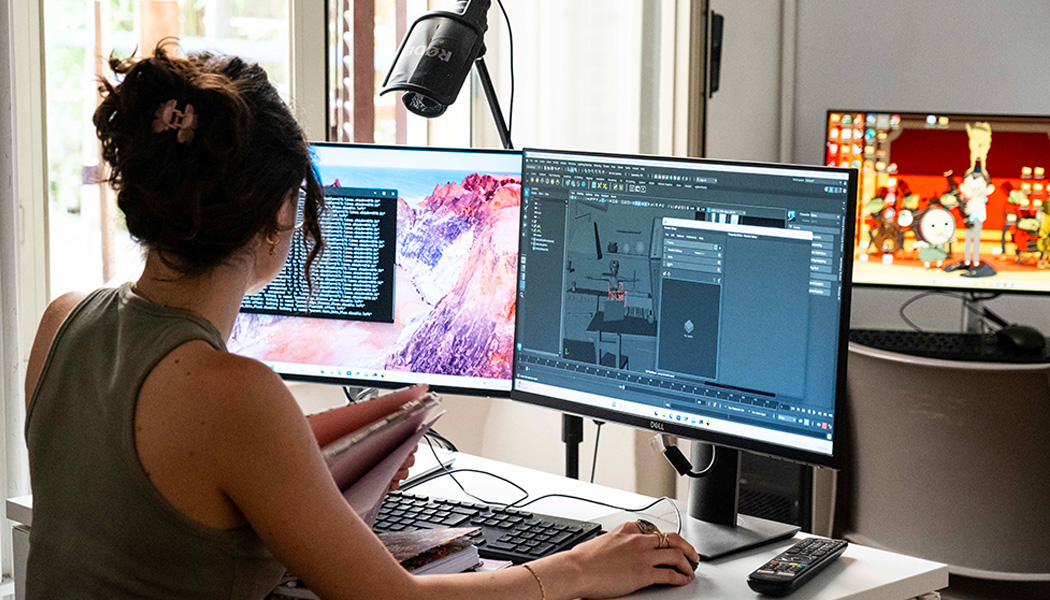
Masterclass with Yahor Palishchuk: Compositing as a Creative Key to CGI Animation
Hai domande sul mondo RUFA? Siamo qui per orientArti!
Il nostro team orientamento è qui per te tutto l’anno, pronto a rispondere ad ogni tua domanda.