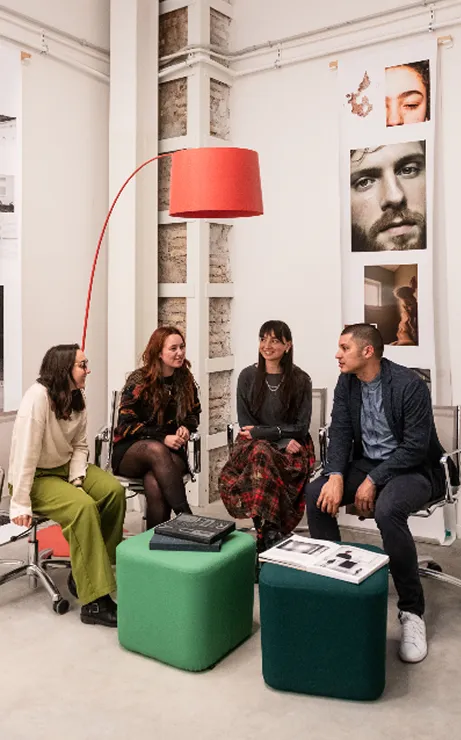
Fundamentals of Sculpture
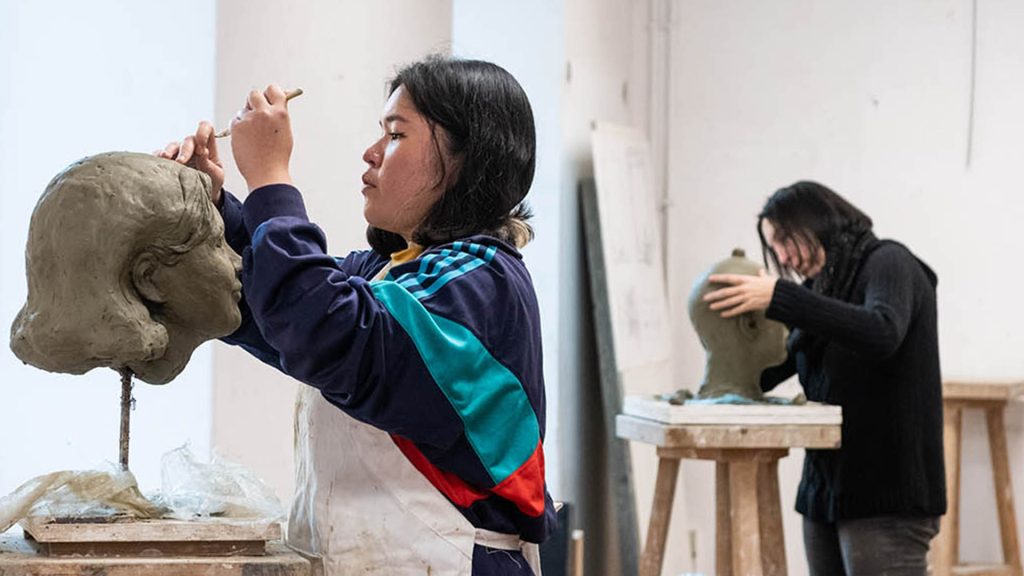
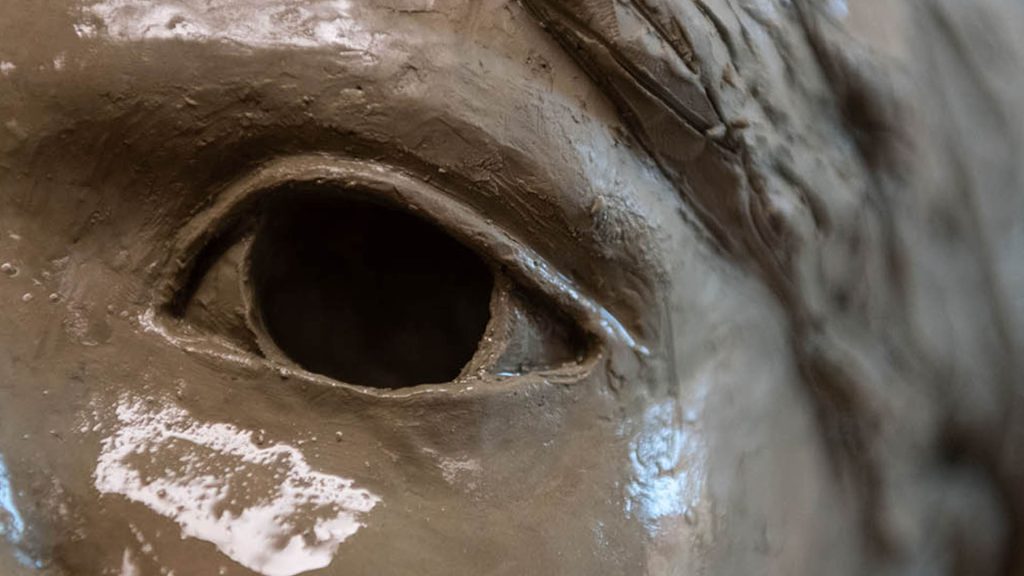
Because sculpture is a space for thought even before it becomes form. Through direct engagement with matter, weight, volume and emptiness, participants develop a personal sculptural language in which technique and idea become part of a single design experience.
Matter as language
The course does not aim for reproducibility or utility, but rather for the exploration of a personal, critical and contemporary language. Matter is not an end in itself, but a means through which to question space, gesture and meaning.
For technical reasons, ceramic techniques are not included.
At the end of the course, participants will receive a certificate of attendance, which may be used for the possible recognition of 1 CFA academic credit.
Who is the short sculpture course for?
The short sculpture course is aimed at those who want to approach three-dimensional artistic practice with an informed perspective. It is designed for visual arts students, emerging artists, creative professionals and enthusiasts who want to develop an authentic relationship with matter.
Advanced technical skills are not required. What matters instead is curiosity, openness to experimentation and a willingness to embark on a journey that combines workshop practice, theoretical reflection and individual research.
Course type: group – in person
Participants: Max. 15
Attendance: weekly, Saturdays from 2.30 pm to 6.30 pm
Duration: 8 lessons – 32 hours total
Cost: €490.00 – in the event of payment by instalments, a €100.00 deposit is required upon enrolment
Materials: to be purchased by the student
Requirements/materials: none
Language: Italian
Lecturer: Davide Miceli
Campus: RUFA – Via Degli Ausoni, 7 Rome
Scheduled annual sessions: Spring Session > 13 March – 15 May 2027
The short sculpture course guides students through a practical and intensive journey dedicated to clay modelling, beginning with observation of a live model and progressing towards the creation of personal works. Through the study of volumes and proportions, together with an introduction to plaster mould techniques, the course provides fundamental tools for understanding the sculptural process. The programme is enriched by a special contribution from Davide Dormino, RUFA lecturer and visual artist, on sculpture as public art, and concludes with a free-subject project designed to encourage individual research and expression.
COURSE STRUCTURE: First lesson
Lesson with a live model.
Students will work on observing the subject, beginning with its representation through drawing and photography: these will serve as reference material for the subsequent lessons dedicated to sculptural portraiture.
Second and third lessons
Beginning of clay modelling for the portrait.
Students will have time to develop and explore their sculptural work in greater depth.
Fourth lesson
Special contribution by Davide Dormino on art and activism.
Followed by: final refinements to the clay portrait and concluding reflections on the works produced.
Fifth and sixth lessons
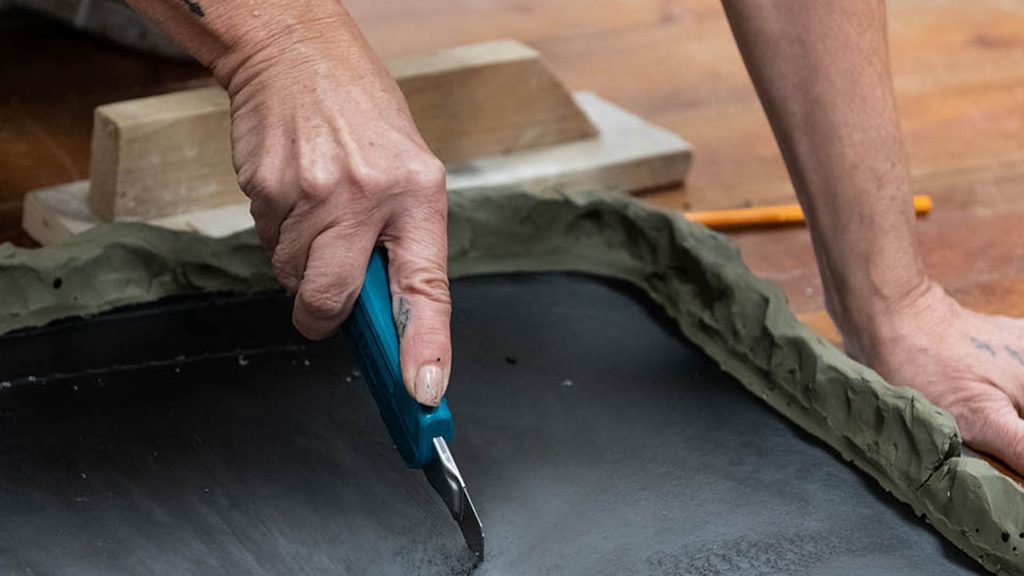
Practical demonstration of the plaster mould technique.
Students will then create small objects with simple forms or bas-reliefs, from which they will produce an openable mould to obtain one or more copies.
Seventh and eighth lessons
Free subject.
Each student will propose their own subject (person, animal or object) to reproduce in clay, putting into practice the skills acquired during the course.
MARCH
13/03/2027
20/03/2027
APRIL
03/04/2027
10/04/2027
17/04/2027
24/04/2027
MAY
08/05/2027
15/05/2027
A Rome-based artist active in the fields of sculpture and printmaking, Miceli trained at RUFA, where he earned a degree in Sculpture (2023) and in Printmaking (2024). His artistic research moves naturally across different disciplines, with a career that includes solo and group exhibitions, artist residencies and participation in high-profile competitions. He has collaborated as a specialised technician with internationally renowned artists including Giuseppe Gallo and Adam McEwen. Alongside his artistic practice, he is active in academia at RUFA, where he assists Davide Dormino in the Sculpture department and Maria Pina and Gianna Bentivenga in the Printmaking department. In 2024, he led the Roman Post-Cards workshop, focused on synthetic lithography, for a class from the American Academy in Rome. With RUFA Short Courses, he officially begins his teaching activity. He collaborates regularly with the Lorcan O’Neill gallery, where he oversees the installation of exhibitions and works by internationally renowned artists.
RUFA Students and Alumni: 50% discount
Former RUFA Short Courses and Summer Academy students: 10% discount
University students: 5% discount (upon presentation of a valid university student record)
Course packages/groups/families: contact corsibrevi@unirufa.it for tailored solutions and free guidance on the best combination of courses for each semester
Request information
Hai domande sul mondo RUFA? Siamo qui per orientArti!
Il nostro team orientamento è qui per te tutto l’anno, pronto a rispondere ad ogni tua domanda.