XL CYCLE
Film and New Media Technologies (PhD)
RUFA’s programme in Cinema and New Media Technology is part of the PhD in Cultures, Practices and Technologies of Cinema, Media, Music, Theatre and Dance, with administrative headquarters at Roma Tre University.
An interdisciplinary project that brings together theoretical research, artistic practices and audiovisual technologies. Cinema, photography, music, performance and digital media become fields to observe, experiment with and transform.
RESEARCH
3 YEARS
CAMPUS
ROME
SCHOLARSHIPS AVAILABLE
2 – 24/25 procedure concluded
LEAD INSTITUTION
ROMA TRE UNIVERSITY
Between audiovisual media and performing arts
Cinema moves beyond the screen and encounters photography, sound, digital environments and performance. The PhD explores these transformations through an interdisciplinary approach, connecting humanities, audiovisual technologies and artistic research.
Educational project and course objectives
The PhD brings together theories and practices from audiovisual media and the performing arts. PhD students develop original projects, select appropriate methodologies and acquire the tools needed to produce, document and communicate advanced research findings.
The programme analyses transformations in cinema, photography, sound, digital media and performance. Research examines works, production processes and media contexts through historical-critical, theoretical, technological, performative and socio-cultural perspectives.
Particular attention is devoted to the ways in which images and sounds modify the perception of spaces, construct experiences and generate new forms of audience participation.
Research explores the history, languages and transformations of cinema, photography, television, music, theatre and dance.
Works are studied alongside the cultural, political, social and production contexts in which they were created, distributed and brought to audiences.
The creative process can become an integral part of the research method. Films, installations, performances, sound productions and multimedia narratives complement theoretical reflection. Artistic practice thus becomes a tool for formulating questions and generating new knowledge.
The programme explores the relationship between digital tools, audiovisual production and artistic experimentation. Technologies are studied both as means of production and as devices capable of transforming languages, creative processes, environments and modes of engagement.
Each research project may integrate film studies, media studies, musicology, sociology, performance studies, cultural history and digital humanities.
The choice of method depends on the research question, the objects being analysed and the outcomes the project aims to produce.
An archive is never static. Films, photographs, sound recordings, documents, choreographies and records of performances can be preserved, interpreted and made accessible through new digital tools. Research explores the relationship between tangible and intangible heritage. It also examines practices of cataloguing, archiving, documentation and access to cultural content.
The objective is not simply to preserve. It is to reactivate memory, make it open to enquiry and create new opportunities for knowledge for scholars, institutions and different audiences.
Sound defines the identity of a place. It moves through architecture, guides listening and changes people’s experience.
The PhD enables students to study the physical, environmental and cultural components of the soundscape. Research may focus on the acoustic quality of spaces, listening practices and the relationship between sound and image.
These skills can be applied in theatres, museums, installations, urban spaces, audiovisual productions and cultural regeneration projects.
Skills, research areas and professional prospects
The PhD provides the skills required to carry out highly qualified research activities at universities, AFAM institutions, public bodies and private organisations.
The PhD spans a range of fields while maintaining a central focus on the relationship between cultural production, research and innovation. Its research lines move beyond the separation between individual disciplines. Humanities, audiovisual technologies, artistic practices and performing arts studies converge in the development of new interpretative models.
| SUBJECT | ECTS |
|---|---|
|
The panorama of generalized communication: the tools useful to draw a map of the present and consciously and critically conceive one's work. Analysis of the anthropological transformation that crosses our time that gives value to communication and imagination, with focus on the figure of the knowledge worker.
| 6 |
|
Writing a subject for a feature film: description of the main character, what is the difference between plot and subplot and why it is important that they proceed in parallel.
| 6 |
|
Study and development of a method for the realization of the cinematographic product: from observation and documentation, through writing, staging, photographic technique, direction of the actors, sound reproduction and finally editing and post-production. Creation of a narrative short film divided into acts.
| 12 |
|
The Aesthetics articulated in art and cinema. The general meaning of the concept of Aesthetics with focus on the theoretical aspects related to knowledge by object and subject. The decline of the concept of style and the advent of the technical age. Analysis of the poetics of artists such as Manet, Cezanne, Klee, Mondrian, Malevic, Picasso, Duchamp, Pollock, Bacon, De Chirico, Rothko, Burri, Warhol.
| 6 |
|
The complex relationship between reality and its representation through the study of the narrative structures of the theatrical and cinematographic language. Analysis of the most important directors of the genre and the various modes of representation: the poetic, thematic, observational and narrative approach. Realization of documentary projects with the participation of all students.
| 8 |
|
Stimulating and refining the sensitivity and aesthetic taste towards sound with particular attention to the audiovisual product, as well as acquiring the technical notions necessary to be able to work independently. Recording, editing and mixing techniques, with the use of the main tools available to a sound designer (eq, compressors, reverbs ...) will be the subject of practical exercises.
| 6 |
| Further language and interpersonal skills, internships, etc. | 4 |
| Elective educational activities | 4 |
| Thesis | 8 |
The qualification can support access to careers in public administration and complement professional pathways characterised by a high degree of innovation.
The programme also prepares graduates to take on artistic and administrative positions of responsibility within cultural institutions. It provides the tools needed to assess the acoustic quality of spaces and study the soundscape.
Professional prospects also include an academic career and, subject to the applicable requirements, teaching in lower and upper secondary schools within the relevant teaching classes for audiovisual and music disciplines.
Associated institutions
The PhD brings together universities, academic institutions and cultural organisations active in the fields of audiovisual media, music and the performing arts:
- Università degli Studi Roma Tre
- Fondazione Centro Sperimentale di Cinematografia
- Fondazione Roma Tre Teatro Palladium
- Accademia Nazionale di Danza
- Conservatorio di Santa Cecilia
- Conservatorio di Brescia
- Università degli Studi di Teramo
RUFA PhD students
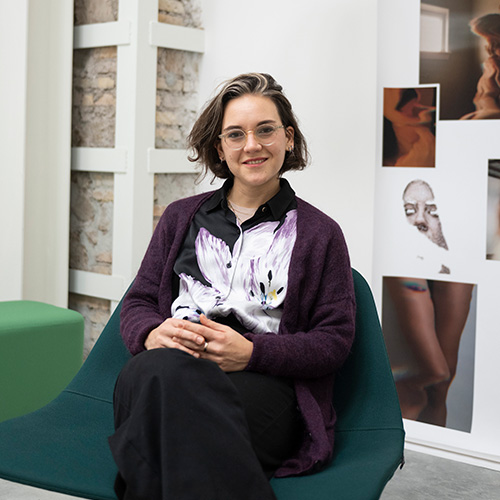
CATERINA CRESCINI
Director
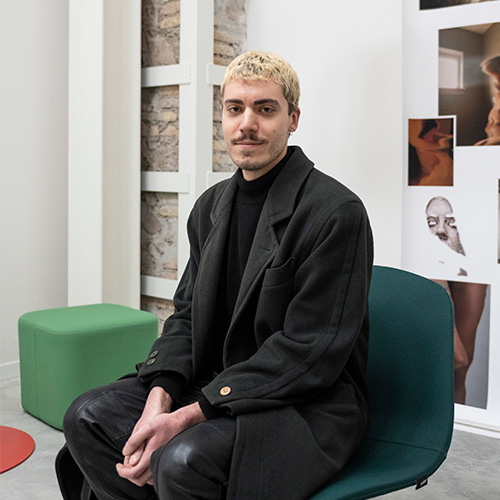
DANIELE FALCHI
Multimedia artist, curator
Hai domande sul mondo RUFA? Siamo qui per orientArti!
Il nostro team orientamento è qui per te tutto l’anno, pronto a rispondere ad ogni tua domanda.