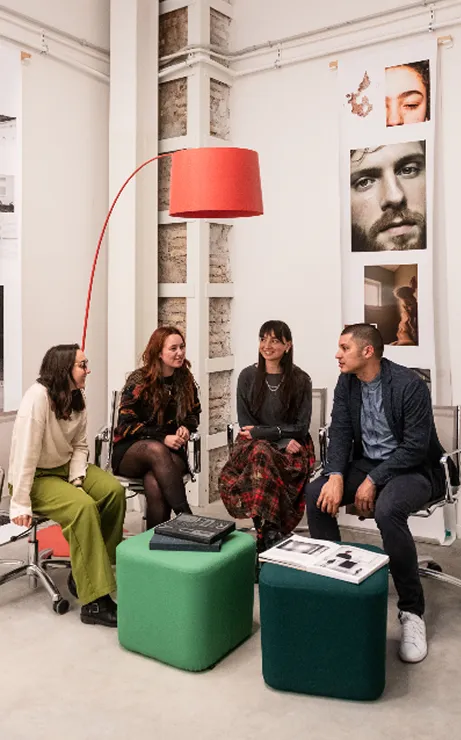
L’espressione artistica come mezzo di comunicazione più efficace delle parole – Elisabetta Trevisan
D.S.A rte
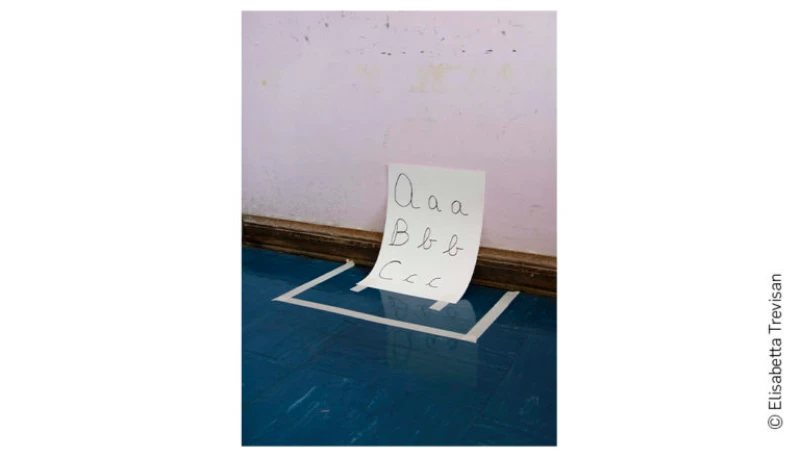
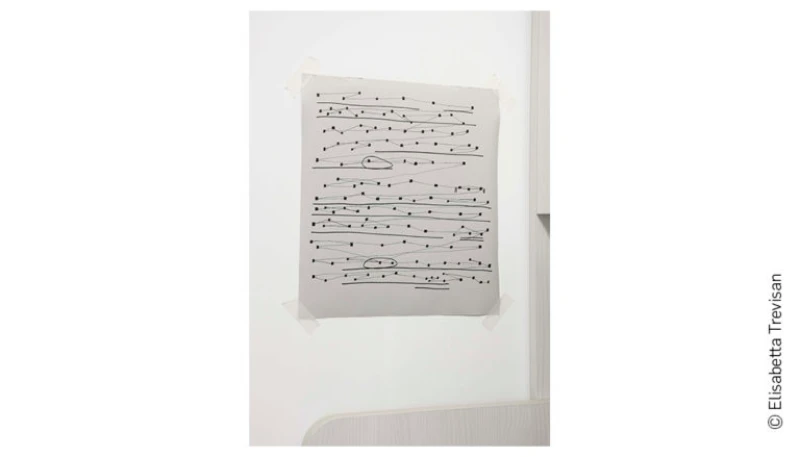
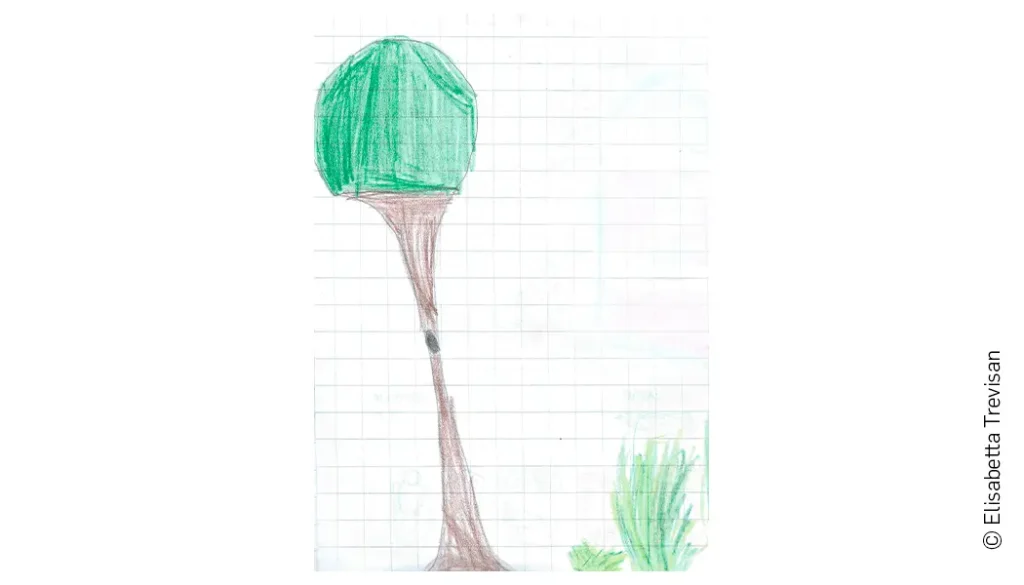
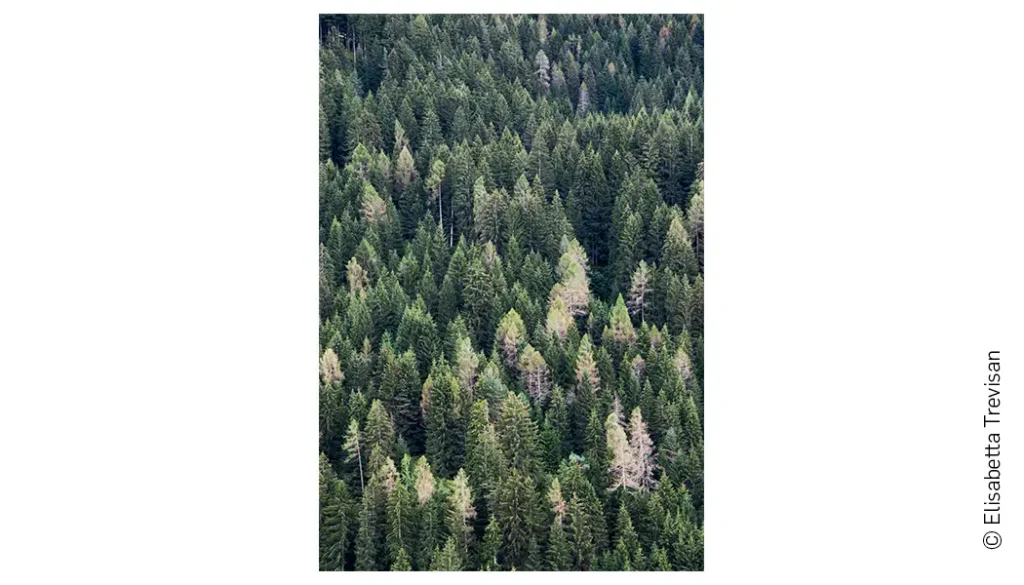
How do art and dyslexia relate to one another? When I was diagnosed with dyslexia, I was 10 years old. After a long and difficult series of tests, the speech therapist explained what my difficulties were and what it meant to be a student with a specific learning disorder. That testing session was followed by numerous appointments during which a specialist taught me a study method considered effective for dyslexic students like me. It was based on organising the concepts to be learned into diagrams containing arrows, symbols and colours. Over the years, I realised that I had a photographic memory: the more I internalised the diagrams, the more I memorised.
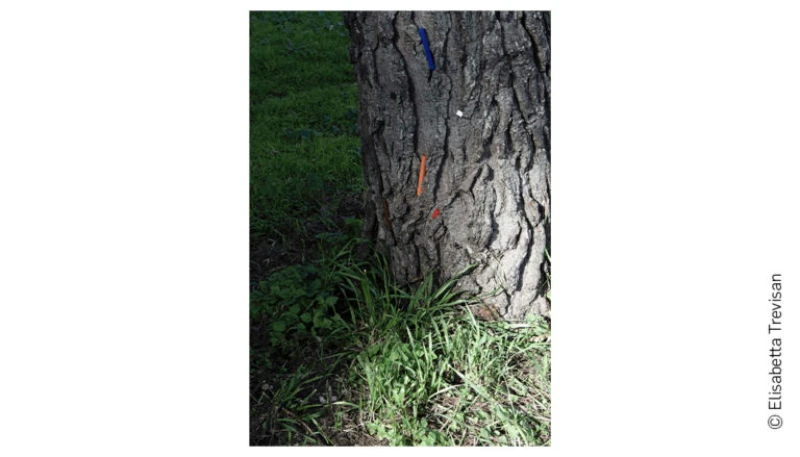
This project began by chance, by following an instinct. I started photographing the woods as an unfamiliar place where I did not know which direction to take. But why the woods? When I rediscovered my primary school notebooks, from the years in which I received my first diagnosis, I found that I drew only trees, often accompanied by a solitary female figure.
Today, I am giving a voice back to that little girl who was unable to tell her own story.
Words are important and are the means of communication we are taught from the very beginning, but when you do not know how to use them, when they feel hostile to you, how can you make yourself understood? What if art were the true universal means of communication?
Do you have questions about the RUFA world? We are here to guide you!
Our guidance team is here for you all year round, ready to answer all your questions.