Fabiana Scattarreggia
Nelle tue selve tacite urla
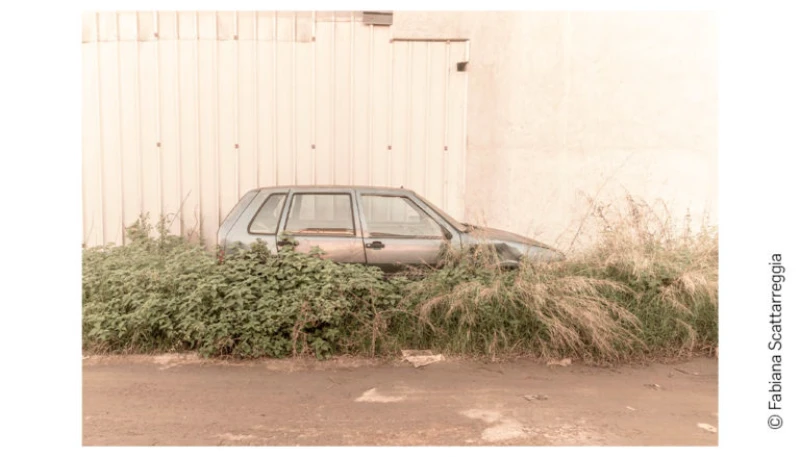
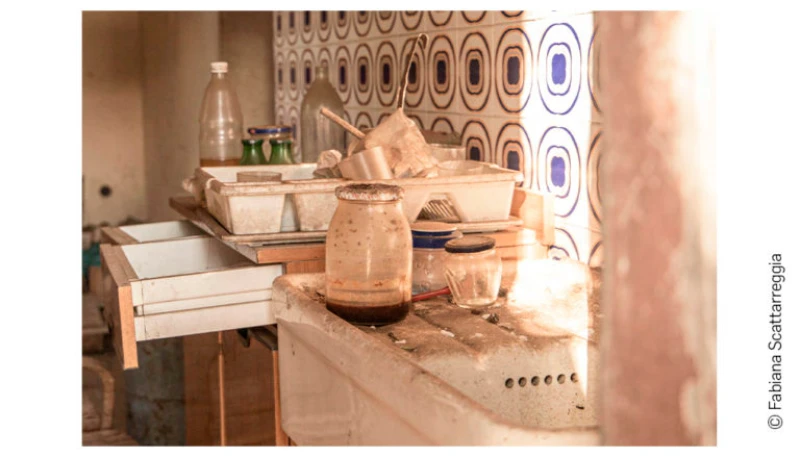
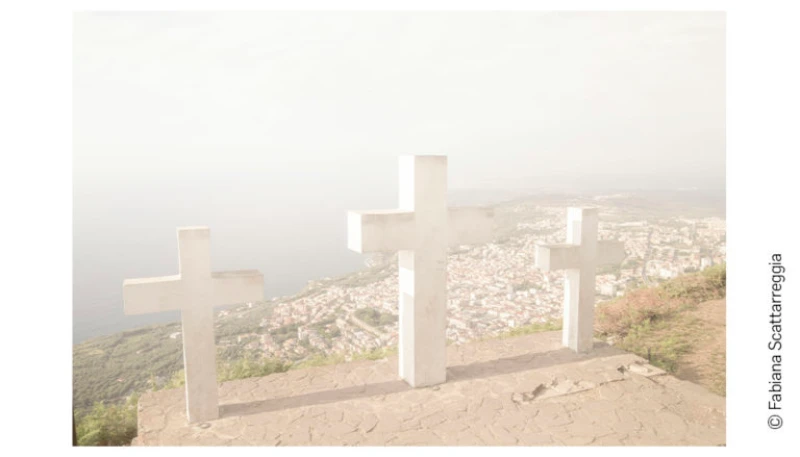
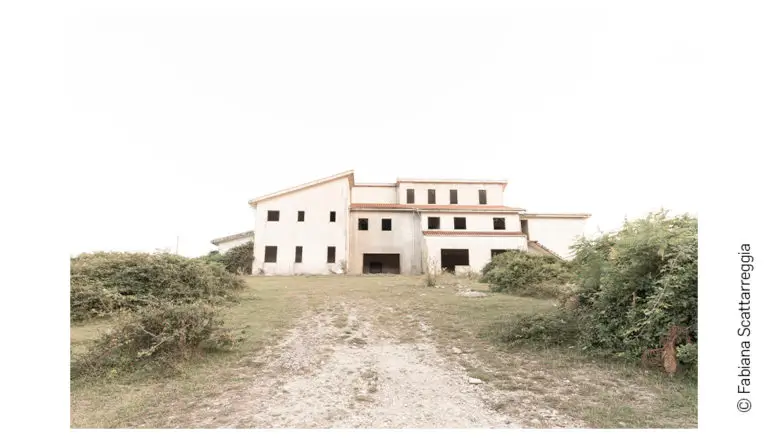
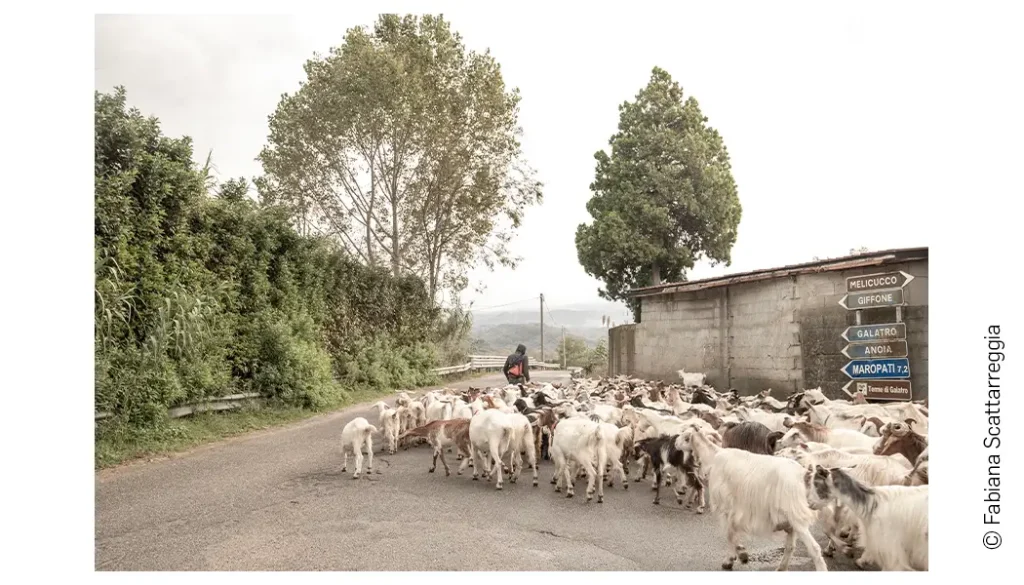
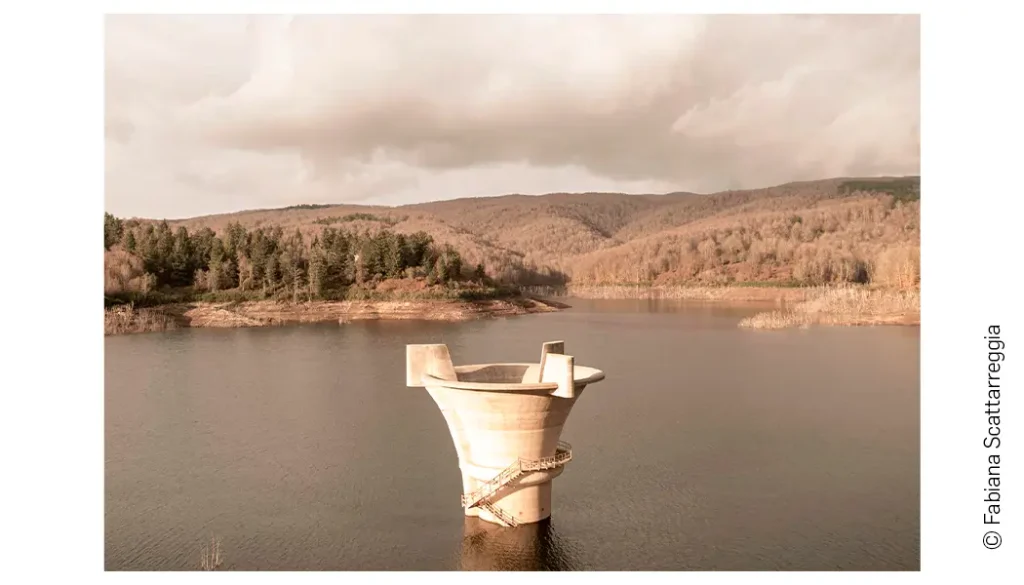
The thesis project stems from the strong connection that photographer Fabiana Scattarreggia has with her native land, Calabria, and from the desire for rebellion that led her away from it. “Calabria is harsh beauty, it is a bitter land, contaminated by savages. Today, Calabria is presented as a territory that many define as welcoming, but which often becomes the scene of inconceivable violence. A country devastated by crime and abandoned by the State.
It has many wounds that have never been healed; for this reason, I felt the need to experience it, to tell its story, losing myself in the eyes of its people and in its boundless nature.
My gaze was ‘distant’ in everything I photographed, starting from nature and reaching more difficult subjects such as the ‘Ndrangheta. My goal is to make anyone who views the project reflect on the conditions of Calabria.”
The South has always suffered from denigration that has shaped a message, often untrue, that is still alive among new generations today—latent but constant.
Southern territories are described as hopeless lands, at risk of permanent underdevelopment, with imminent industrial desertification. The prejudices of foreign travellers are still present today: they describe the people living in these regions as warm and welcoming, but with no desire to work; they depict breathtaking landscapes but inadequate infrastructures; they tell of untouched, burned, and abandoned lands.
There are no happy lands; very often, the blame is placed on a scapegoat. It is necessary to fight to obtain justice and rights, and only through the power of culture will we be able to fight for the South and for these regions. In Calabria, not everything is lost, despite the indifference of many. Many people believe in a new Calabria, in its improvement. To believe in this territory, we must denounce wrong actions and become aware of what we truly want to be.
Only in this way will we return to live in our native lands, no longer being called “terroni”, but the children of the Greeks.
Do you have questions about the RUFA world? We are here to guide you!
Our guidance team is here for you all year round, ready to answer all your questions.