An unfinished thing leaves the freedom to imagine whatever one wants, making room for a new way of seeing, because it frees the mind from the barriers we are used to: the familiar.— Anna Piffer
Non l’ho finito
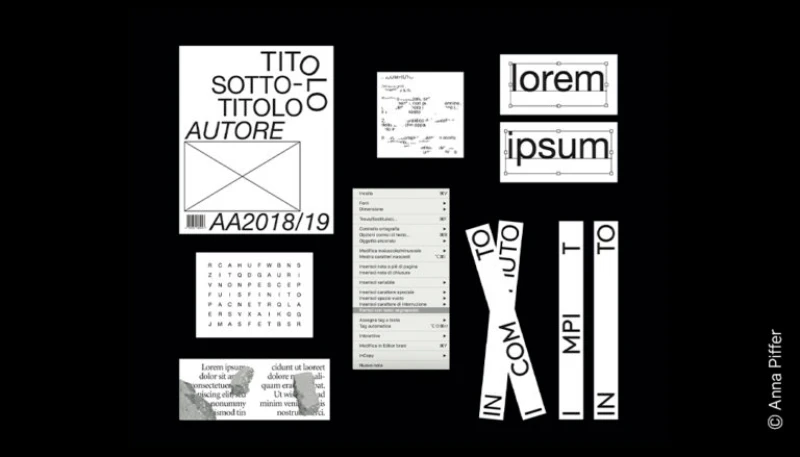
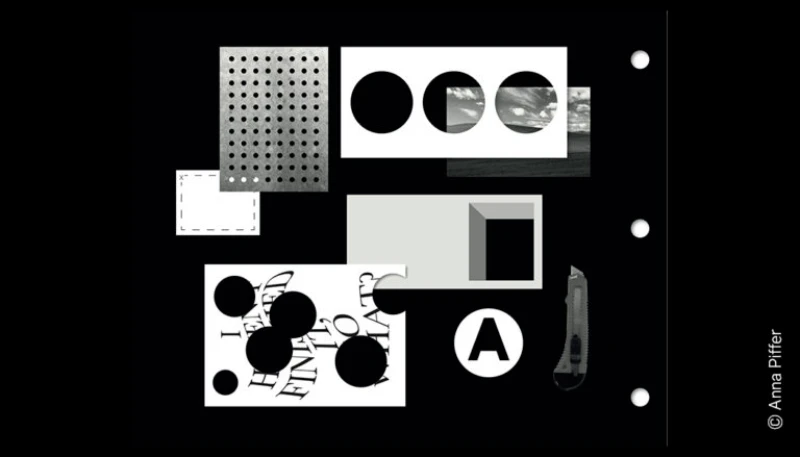
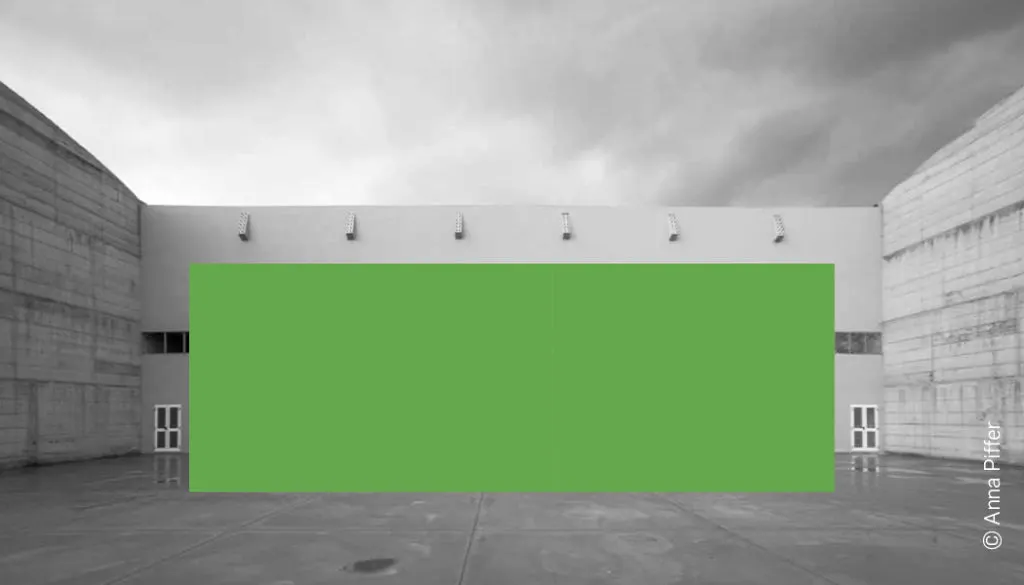
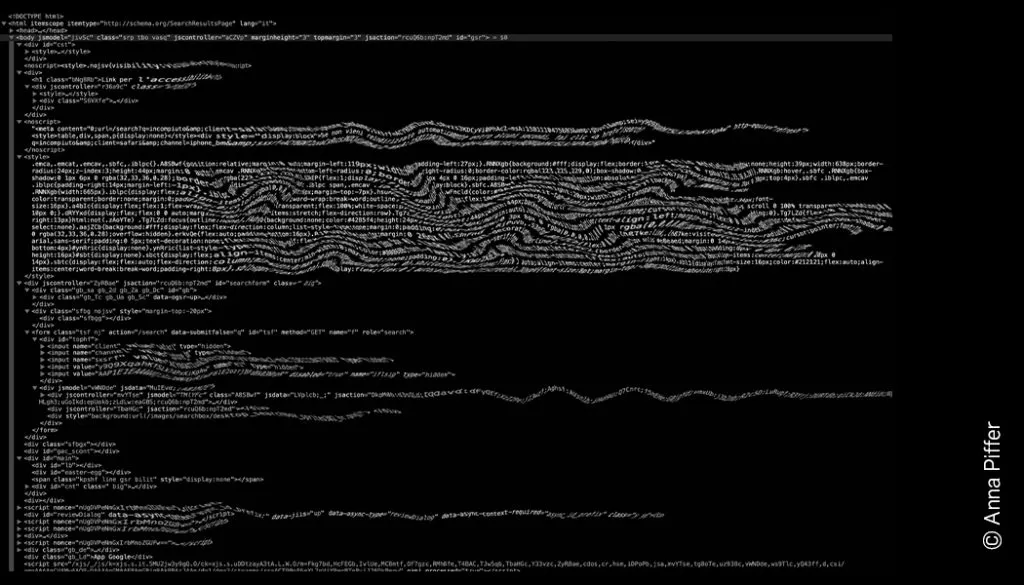
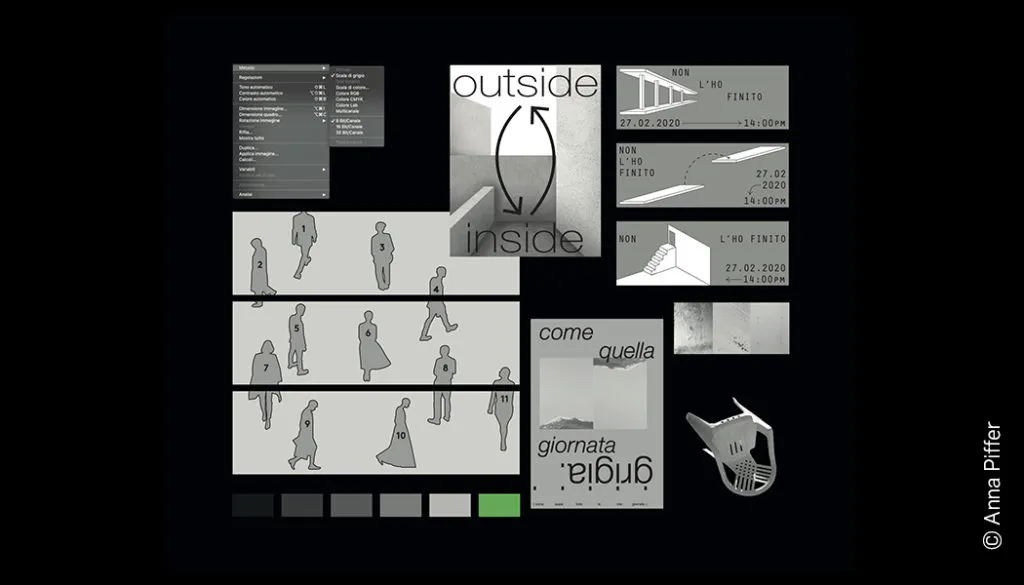
In my room, I think there are more things left unfinished than completed. Pieces of something that was meant to be, but never became. Piles of material that were supposed to turn into definitive works, but remained as scattered sketches on the floor. A puzzle full of missing pieces.
Trash to many, suspended ideas to others.
Some describe it as a condition, perhaps laziness, but leaving things unfinished is more common than one might think.
We see these half-realities as structures of something definitive, useless in themselves. They remain there, suspended in space and time, without an identity because they “were supposed to be, but are not”.
The anxiety of finishing, but also the fear of not succeeding, clash in a struggle that very often ends in surrender. Putting things away and avoiding them is easier than drawing a conclusion.
The voice in our heads tells us: you will finish them, maybe, in the future, not today, I have something better to do.
Perhaps some fresh air can help find the idea, a break and then back to work.
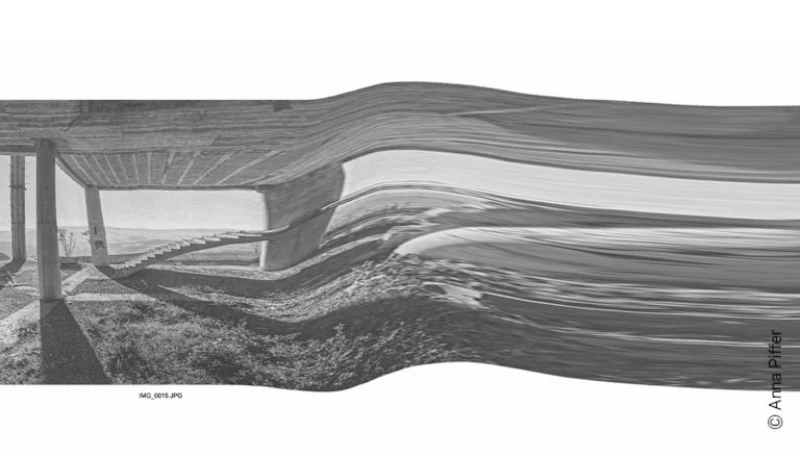
I also perceive this incompleteness in the streets. Houses missing roofs, windows without glass, walls without doors, rooms without walls: they have not collapsed, they are not ruins of the past, they have remained suspended halfway, unfinished projects, architectures that had their own identity on paper, but changed their appearance on the street and remained there, between being and not being.
They become the result of a lack in the eyes of those who look at them, ghosts of what they could have been.
People look at them with negativity, defining them as the remains of an incapable administration.
We try to imagine what they would have become, what those houses would have looked like if people lived inside them, how children would have played in that park or how cars could have travelled along that road. We see what should have been, but not what is.
We cannot imagine a house without walls or a swimming pool without water inside it, because our preconceptions have created an idea of what things should be, and we cannot free ourselves from this limitation; we cannot perceive them in a new way.
Maybe living in a house without a roof gives us the freedom to see the sky.
Opening our minds and seeing space with new eyes, without holding on to the idea of what it could have been.
They are no longer ruins of a future that will never happen, but new places, born to be this way.
An unfinished thing leaves the freedom to imagine whatever one wants, making room for a new way of seeing, because it frees the mind from the barriers we are used to: the familiar.
So yes, they are not incomplete, but created to be this way, parts of a new identity.
I have tried to see these unfinished works in a new way and go beyond what they appear to be. To see them for what they are and appreciate them precisely for their “strangeness and diversity”, valuing them as independent works rather than construction sites or abandoned ideas.
The idea behind this project is to create a true movement that includes any kind of artefact that has remained, so to speak, halfway, and to understand it for what it is: to enhance its imperfection not as a flaw, but as an added value, an opportunity to become something new and therefore acquire a new function.
A much broader style, which sees architecture as its greatest expression, but also includes any lesser-known or less visible form of art or artefact.
But also a form of life, because who is truly complete? Who can define themselves as finished and final?
To value absence as a strength rather than a defect.
A work that could be defined as experimental, strange, or perhaps even absurd, or by others who read it as “the waste of time of someone who did not know what to talk about”, but a work that gives anyone the opportunity to try to see things differently, not to be influenced, and to understand that not everything is created to exist in only one way.
And perhaps feeling incomplete is not only a form of discomfort that limits us in our daily lives, but a way to value ourselves precisely because of those “gaps”.
Do you have questions about the RUFA world? We are here to guide you!
Our guidance team is here for you all year round, ready to answer all your questions.