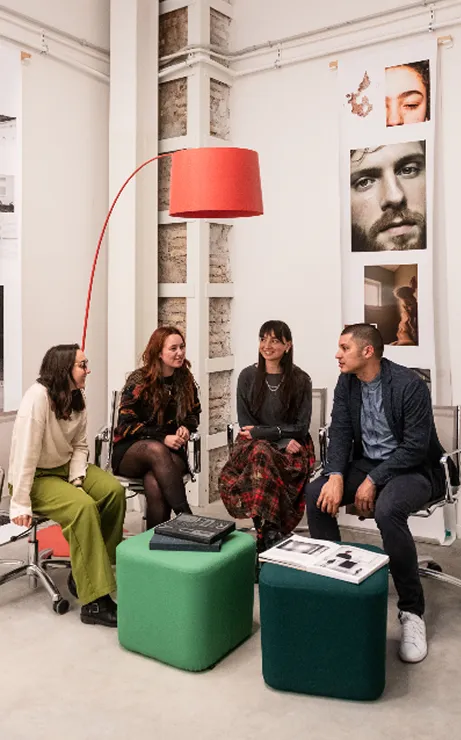
You will discover how to shape your creativity to tell stories and visual content that can inspire, inform and engage. Through photographic techniques, audiovisual techniques and artificial intelligence tools, you will develop a personal and critical perspective, learning to transform ideas and visions into effective narratives for the different languages of contemporary communication.
Photography and Audiovisual
DURATION > 3 YEARS
LANGUAGE > ITALIAN
COURSE START > OCTOBER
LOCATION > ROME
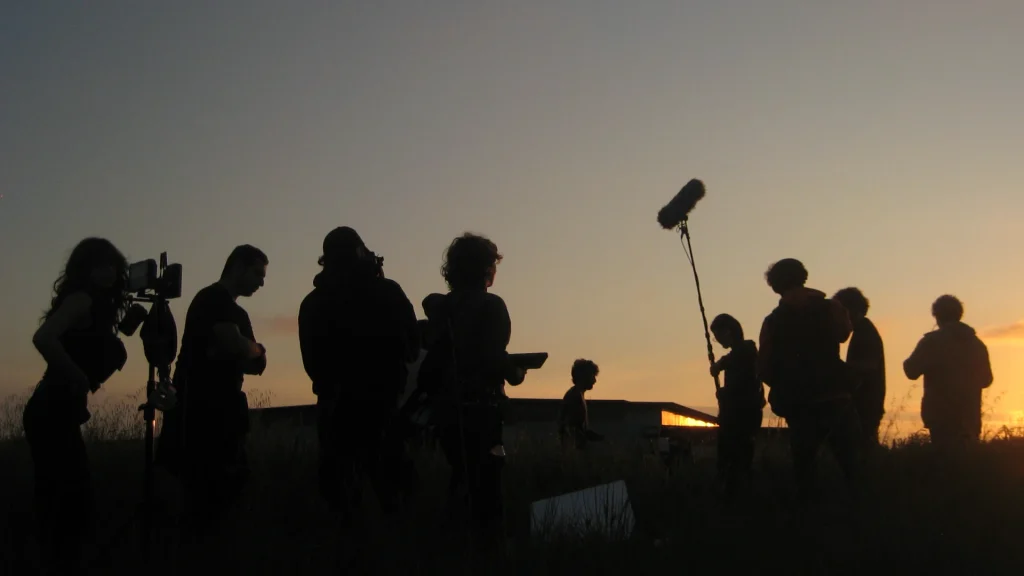
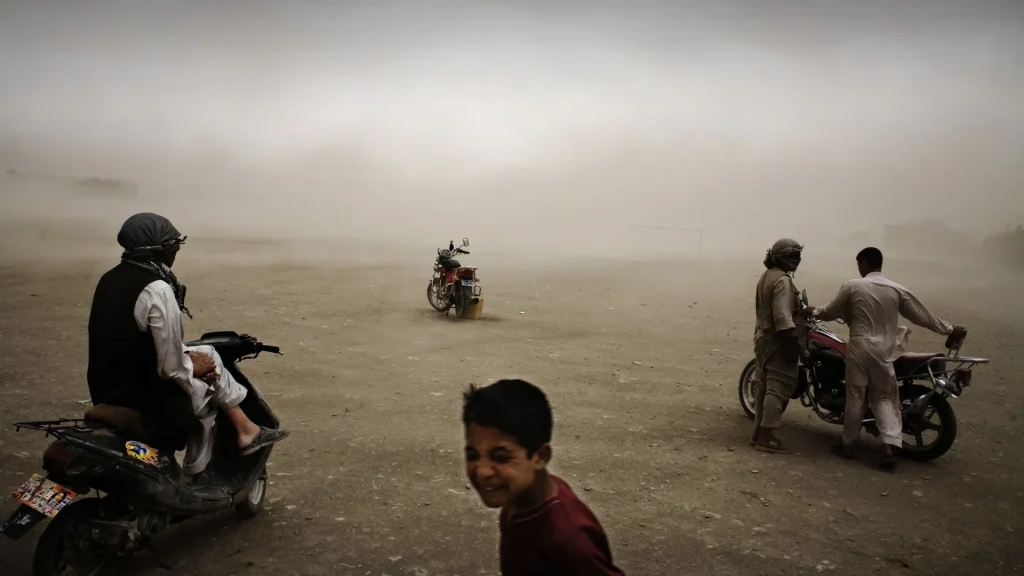
Storytelling Through Images
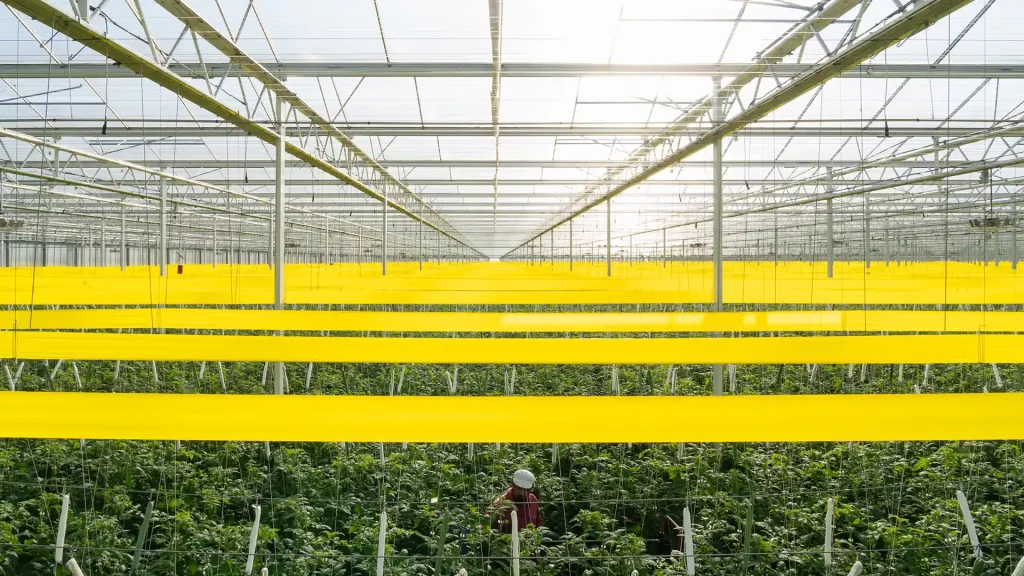
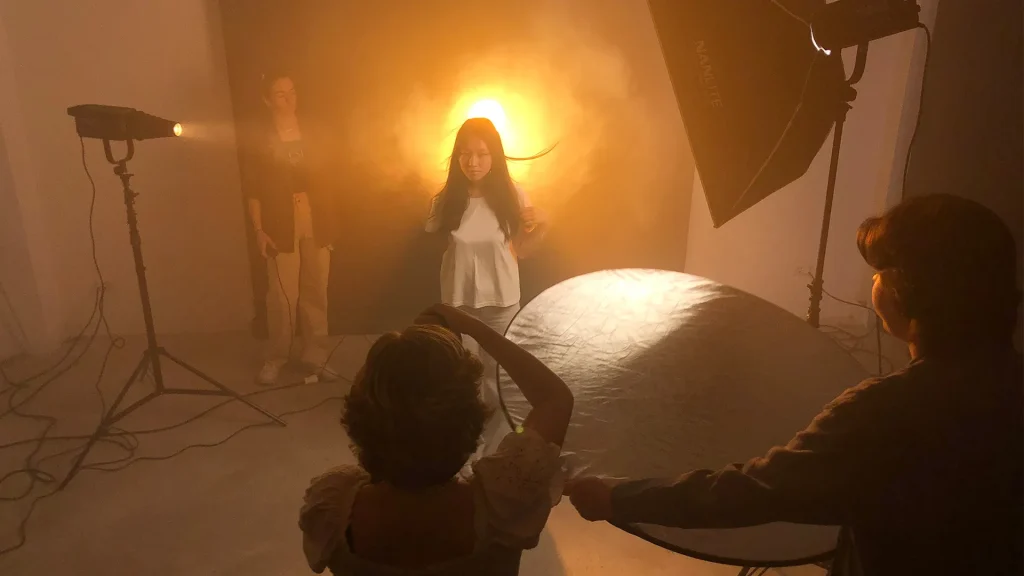
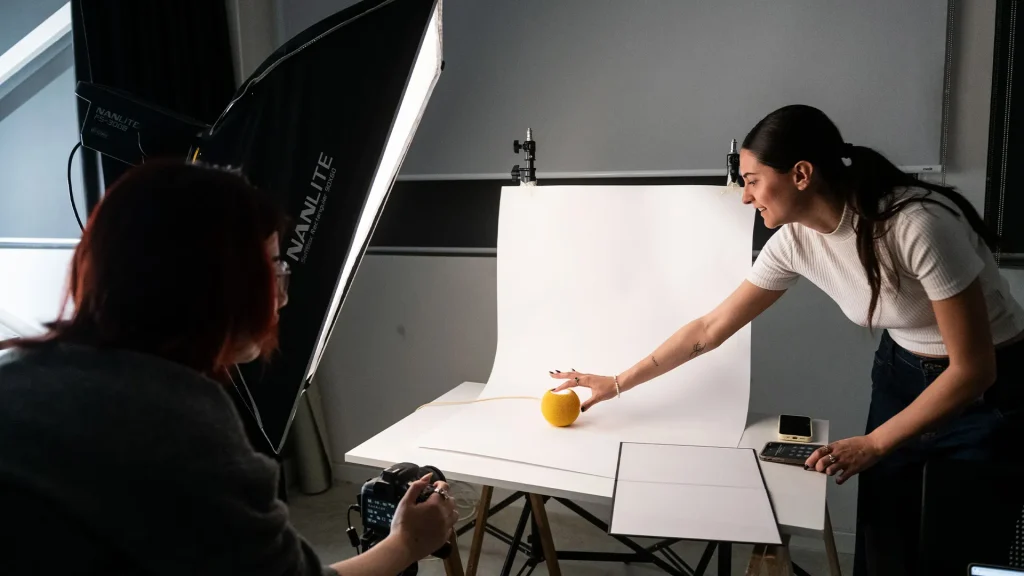
Here you can explore the world of visual imagery through photography, video and digital storytelling, experimenting with the creative potential of new technologies and artificial intelligence. You will learn to combine technique, vision and critical awareness, developing a multidisciplinary approach capable of transforming ideas and content into effective visual narratives.
New Visual Languages
You will become a professional capable of creating, producing and distributing innovative projects that combine image, sound, AI and contemporary communication. Guided by lecturers active in the fields of art, media and communication, you will develop technical and narrative skills that will enable you to stand out as a photographer and visual storyteller on the international scene.
Fields of Study
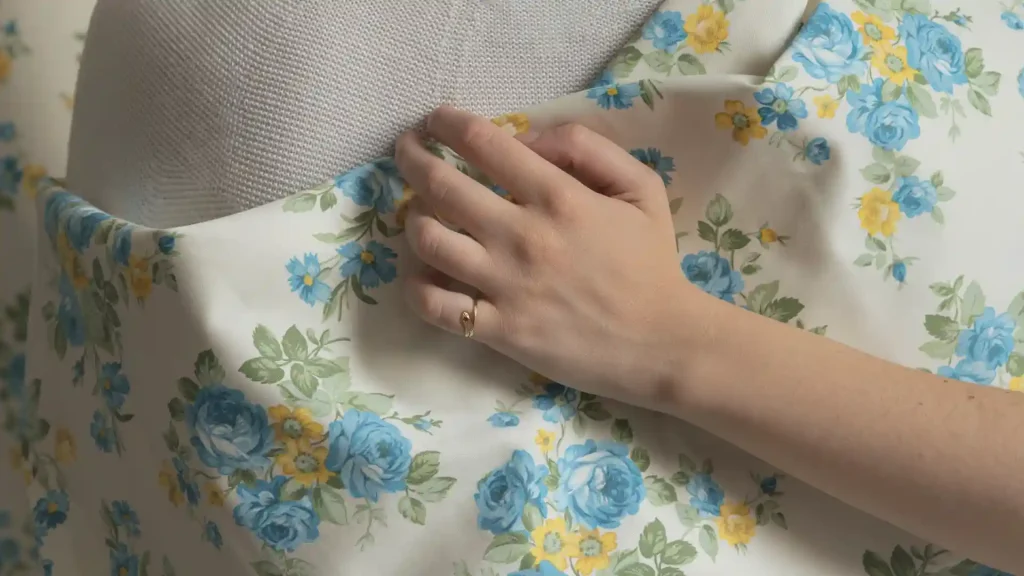
PHOTOGRAPHY AND STORYTELLING
You will learn to observe and tell the story of reality through a personal perspective, combining fine art photography, reportage and digital storytelling. A programme that intertwines visual language and artistic research, enabling you to develop projects capable of communicating with authenticity and contemporary sensitivity.
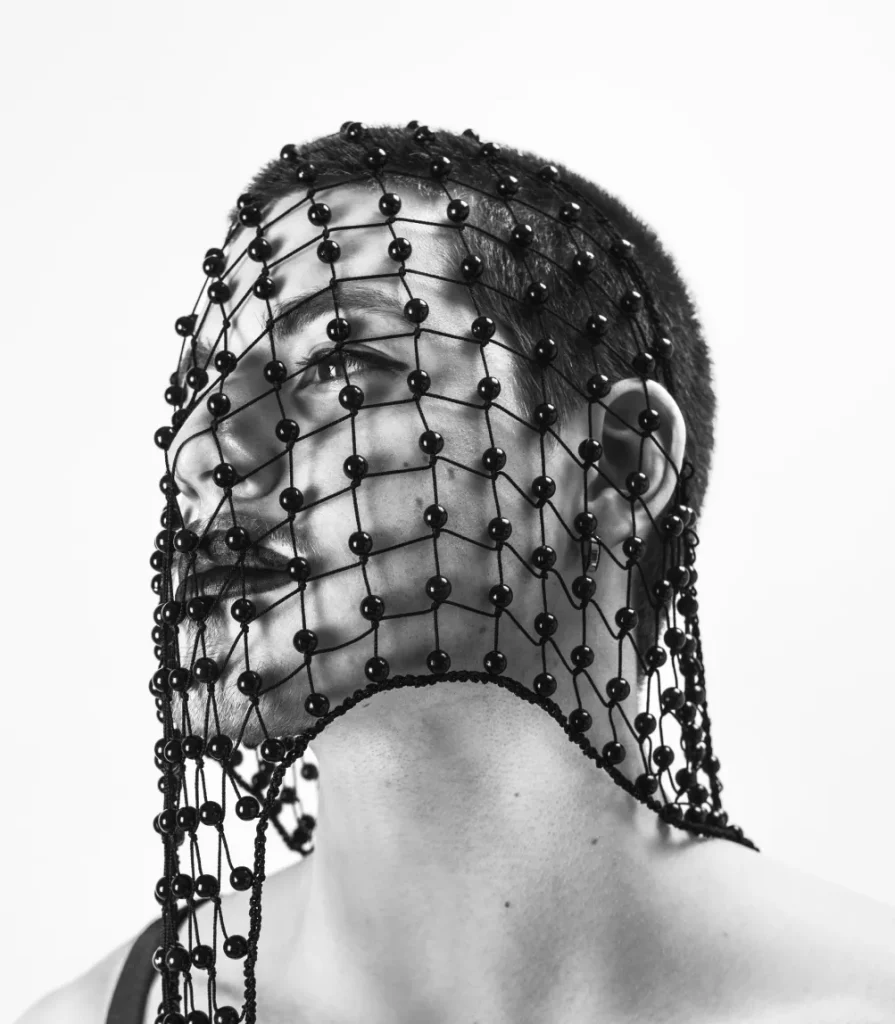
AUDIOVISUAL AND FASHION
You will experiment with the power of storytelling through moving images, creating short movies, fashion films and advertising content. Through audiovisual practice and visual direction, you will develop a distinctive artistic language capable of blending art, communication and innovation.

NEW MEDIA AND AI
You will discover how new media and artificial intelligence can expand the expressive possibilities of imagery. From visual creation to brand identity, you will learn to integrate photography, video and generative AI to develop original languages and cutting-edge projects.
QUALIFICATION
Bachelor of Arts
180 CFA credits
FUTURE CAREERS
- Professional Photographer
- Videomaker
- Photojournalist and Visual Storyteller
- Photo Editor
- Content Creator
- Creative Technologist and AI Content Specialist
MAIN SUBJECTS
- Photography
- Digital Video
- Digital Image Processing
- Advertising Communication
- Integrated New Media Techniques
- Generative AI
A study method designed for you
LEARNING BY DOING
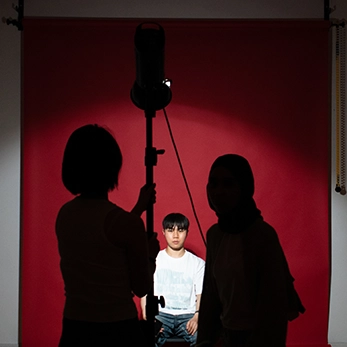
In RUFA, you learn by doing. Alongside the solid foundation of a university-level education, you will develop a hands-on approach that allows you to work on real projects, experiment, and build immediately applicable skills. Each course helps you transform ideas into prototypes, artworks, videos, concepts, installations, or products.
EXTRA DIARY
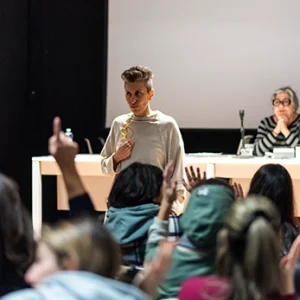
Workshops, laboratories, exhibitions, talks, and collaborations with companies are an integral part of the learning experience. The classroom opens up to the professional world and becomes a space where you engage every day with professionals, creative directors, artists, and designers. This allows you to understand how the industry you want to grow in truly works.
RESEARCH AND CROSS-POLLINATION
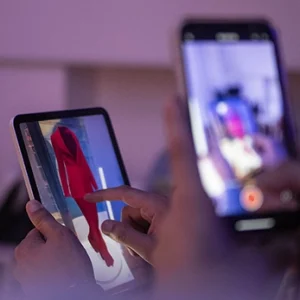
Every discipline becomes a space for experimentation. RUFA encourages you to blend languages, visions, techniques, and tools, combining artistic tradition with technological innovation. Here, you can explore, experiment, create connections, and find your own creative identity.
Requirements
ITALIAN STUDENTS
- High School Diploma
EU AND NON-EU STUDENTS
- High school diploma valid for the Italian higher education system
- B2 certificate in the language of the course
Following admission, NON-EU students will be required to start the procedure for obtaining a study visa.
Study plan
The RUFA Bachelor of Arts requires the acquisition of 60 academic credits for each academic year.
To obtain the qualification, students must complete the entire study programme, achieving a total of 180 CFA (Academic Formative Credits).
Attendance is compulsory for all classes at RUFA’s campuses.
| SUBJECT | ECTS | HOURS |
|---|---|---|
|
Un percorso formativo che guida dall’acquisizione digitale al fotoritocco professionale: livelli, maschere, colore e compositing. Un laboratorio dinamico per padroneggiare strumenti e workflow, arricchito dalle nuove prospettive offerte dall’intelligenza artificiale applicata all’immagine.
| 6 | 75 |
|
The course examines styles, schools of thought, and visual practices from the postwar period to the present, focusing on the image as a central theme, the recent history of art photography, and video art. Students are guided toward a critical understanding of the languages, styles, and theories that have defined and transformed the landscape of contemporary visual arts.
| 6 | 45 |
|
Historical and critical knowledge of photographic languages: the photographic arts as the terrain in which the experimentation of languages and the avant-garde intertwine.
| 6 | 45 |
|
Module A – In the first semester, students acquire the fundamental technical skills for using photographic language. Through studio and outdoor exercises, they experiment with the potential of light and composition, discovering photography as a tool for expression and storytelling.
Module B – The course introduces the basic techniques and skills of photography, explored as a creative and expressive medium. Students begin to develop their own visual language and experiment with personal approaches, laying the groundwork for the projects and storytelling they will pursue in the following years. | 12 | 150 |
|
Audiovisual Shooting and Editing: the course provides the technical and theoretical tools needed to develop professional skills in shooting and editing. Through a path that combines hands-on laboratory practice with critical analysis of the works produced, students learn to use audiovisual language in its purest form, discovering their own way of seeing and communicating.
| 10 | 125 |
|
The basic techniques to manipulate light, the tools and normative references to design and build lighting systems for a film, television or theatre shooting/scenography, taking care of their assembly on the set/stage and their operation during the shows.
| 6 | 75 |
|
The course invites students to reflect on their personal relationship with the work of art. Starting from an inner and authentic exploration, the instructor guides them through a process of discovery and liberation from prejudice, fostering a deep and conscious passion for art in all its forms.
| 6 | 45 |
|
The course includes lectures dedicated to acquiring the fundamentals of using Adobe InDesign layout software, complemented by theoretical sessions on the history and structure of the photographic book and editorial design. Practical exercises guide students in independently managing the complex editorial architecture of a photographic project, combining technical skills with design sensitivity.
| 4 | 50 |
| Elective educational activities | 4 | / |
| SUBJECT | ECTS | HOURS |
|---|---|---|
|
In-depth study of advanced Photoshop tools and techniques to manage photographic post-production in the correct way. Analysis of the image according to the retouching: how to realize, how to harmonize colours and tones and how to take care of details in compliance with the rules of photographic composition.
| 6 | 75 |
|
The course represents the evolution of the first Fundamentals of Informatics module. Building on previously acquired skills and introducing new theoretical foundations and practical techniques, it deepens the use of digital technologies applied to the image. The aim is to engage students, both collaboratively and independently, in the creation of photographic and multimedia projects, developing narrative, organizational, and design abilities connected to visual sequencing and the language of the photobook.
| 6 | 75 |
|
In-depth study of the blend of video art and cinema, focusing on the evolution of the audiovisual sector: from Gene Youngblood's Expanded Cinema to computer art, virtual reality, live media performance and live cinema.
| 6 | 45 |
|
Module A – The course addresses the question, “How can an idea be transformed into an image and a story?” Students are guided in defining their personal vision while exploring narrative approaches such as artistic, conceptual, and documentary photography. Emphasis on sequencing, image selection, and final presentation makes this an in-depth experience in visual storytelling. Group critique and the study of master photographers foster awareness and originality.
Module B – The course focuses on the languages of portraiture, encouraging students to develop a personal and recognizable style. Through the analysis of both technical and narrative aspects—from lighting to composition, from subject choice to context—it explores different modes of representation, spanning from artistic and personal expression to commercial and commissioned work. | 12 | 150 |
|
The course provides students with the tools to independently design and produce a photographic narrative of documentary value. From subject research to narrative development, students learn to structure a coherent and communicative project, cultivating a personal vision through workshops and group critiques.
| 6 | 75 |
|
The study of cinematographic photography through the following themes: the interpretation of a subject, the filmic language, the creative development of a visual atmosphere, the research of environments, the composition of the crew, light, shots and point of view, shooting, post-production.
| 6 | 75 |
|
The course explores photographic language as a tool for interpreting a creative brief. The acquisition of technical and theoretical knowledge enables students to develop analytical and art direction skills for campaigns across different media. The goal is to provide method and critical awareness to navigate visual culture and stimulate creativity.
| 6 | 75 |
|
Acquisition of a solid knowledge of the history of cinema from its beginnings to the present day and extensive information on the current debate in various areas of philosophical-historical research.
| 6 | 45 |
|
Study and deepening of themes and topics concerning the artistic field with the use of different linguistic registers and styles to improve one's communication skills in English.
| 4 | 30 |
| Further language and interpersonal skills, internships, etc. | 2 | / |
| SUBJECT | ECTS | HOURS |
|---|---|---|
|
The course delves into advanced tools for editing and retouching, adopting an integrated approach to complex workflows that combine professional software and artificial intelligence. Students learn to optimize visualization, printing, and color management while experimenting with generative AI in project work and practical applications. The goal is to develop both technical and creative skills for an evolved and contemporary approach to image production.
| 6 | 75 |
|
Within the landscape of contemporary communication, the course provides theoretical tools to construct a critical map of the present and to approach media-related professions with awareness. The analysis of the anthropological, aesthetic, and artistic transformations of our time highlights communication as a form of knowledge and creativity, with particular attention to emerging professional roles and the cultural processes that redefine the figure of today’s knowledge workers.
| 6 | 45 |
|
The course guides students through the development of their final project, with particular attention to narrative construction and photographic storytelling. From concept to the production of the photobook, every stage of the process is approached critically and professionally. Supported by industry experts, the course aims to strengthen project autonomy, visual coherence, and authorial awareness.
| 12 | 150 |
|
The Aesthetics articulated in art and cinema. The general meaning of the concept of Aesthetics with focus on the theoretical aspects related to knowledge by object and subject. The decline of the concept of style and the advent of the technical age. Analysis of the poetics of artists such as Manet, Cezanne, Klee, Mondrian, Malevic, Picasso, Duchamp, Pollock, Bacon, De Chirico, Rothko, Burri, Warhol.
| 6 | 45 |
|
The training course aims to investigate the techniques of photojournalistic communication and multimedia storytelling, raising students' awareness of the power of effective storytelling.
| 8 | 100 |
| An elective subject to be chosen between: | ||
|
The course offers an overview of the main theoretical and critical movements in photography across different periods, also examining the theoretical contributions developed by artists and photographers. Through the comparison of key moments in the history of photography, contemporary art, and the technological evolution of the image, students develop a critical awareness that enables them to understand photography as a constantly evolving language.
| 6 | 45 |
|
Curation, design, and visual storytelling are at the heart of the course, which guides students through the completion and presentation of photographic projects. The artist’s book, exhibition, and digital formats become tools to give solidity and coherence to visual research. The goal is to provide professional, critical, and design skills, guiding each student from image sequencing to the public presentation of their work. The acquired abilities enable students to enhance their projects and position them effectively within both artistic and commercial contexts.
| 6 | 75 |
| Further language and interpersonal skills, internships, etc. | 2 | / |
| Elective educational activities | 6 | / |
| Thesis | 8 | / |
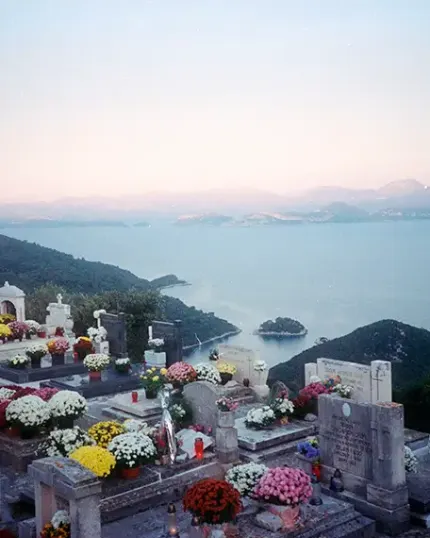
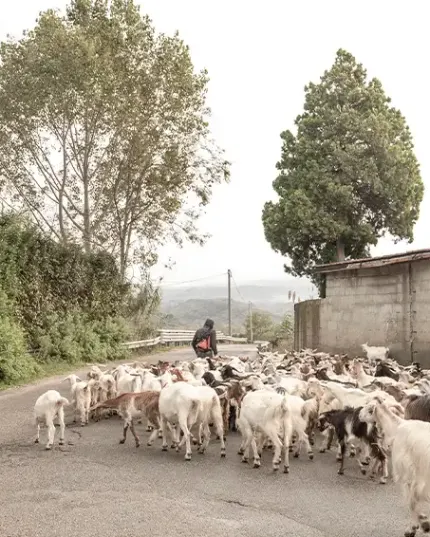
Student Projects
Faculty
-
Professor
Massimo Berruti
-
Professor
Alessandro Carpentieri
-
Professor
Stefano Compagnucci
-
Professor
Genny Di Bert
-
Professor
Giorgio Di Noto
-
Professor
Gianfranco Manzo
-
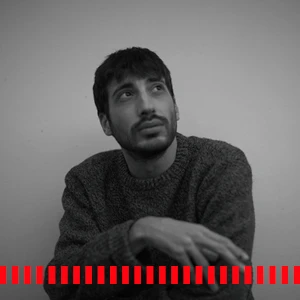
Professor
Michele Palazzi
-
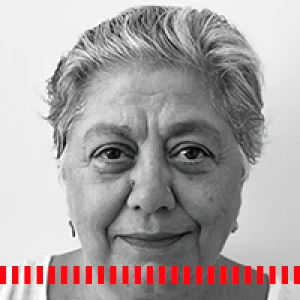
Professor
Lina Pallotta
-
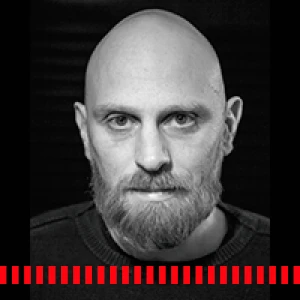
Professor
Francesco Pennìca
-
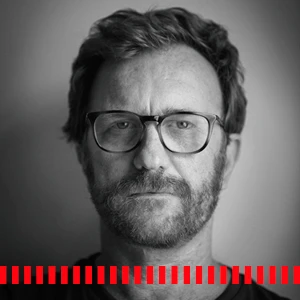
Professor
Lorenzo Pesce
-
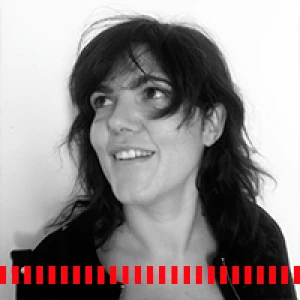
Professor
Fiorenza Pinna
-
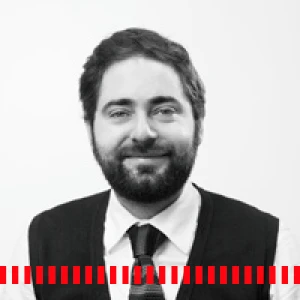
Professor
Christian Rizzo
-
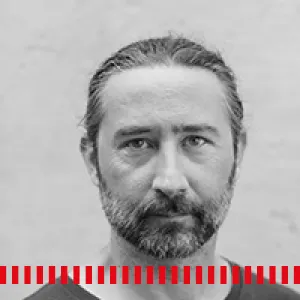
Professor
Fabio Severo
-
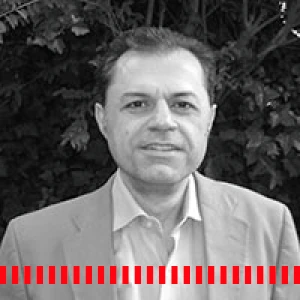
Professor
Raffaele Simongini
-
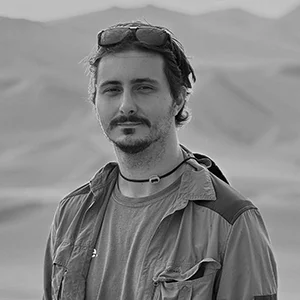
Professor
Lorenzo Squarcia
Community Voices
Prospettive. Photographing Palazzo Corsini
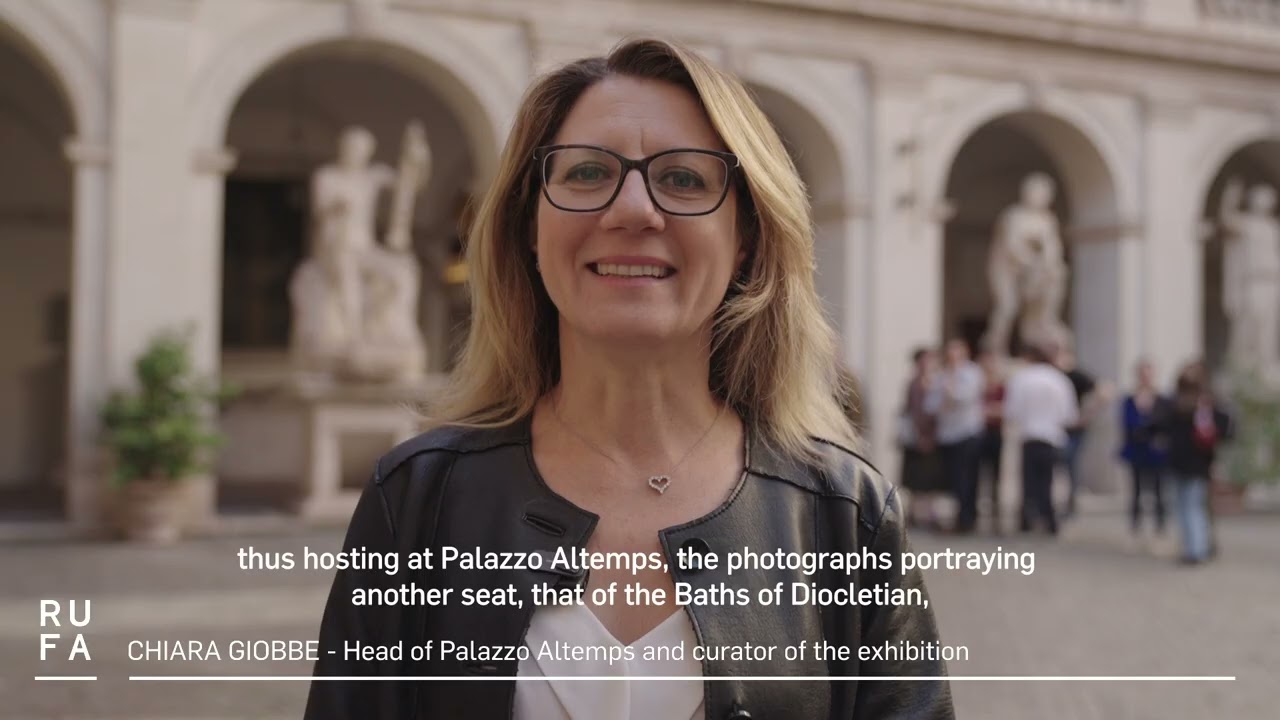
On Display at the Baths of Diocletian: Photographing the National Roman Museum

RUFA Students Exhibit at Galleria Spada



Request information
News and Events
-
RUFA Editorial Space
IN EDICOLA A VIA OSTIENSE
-
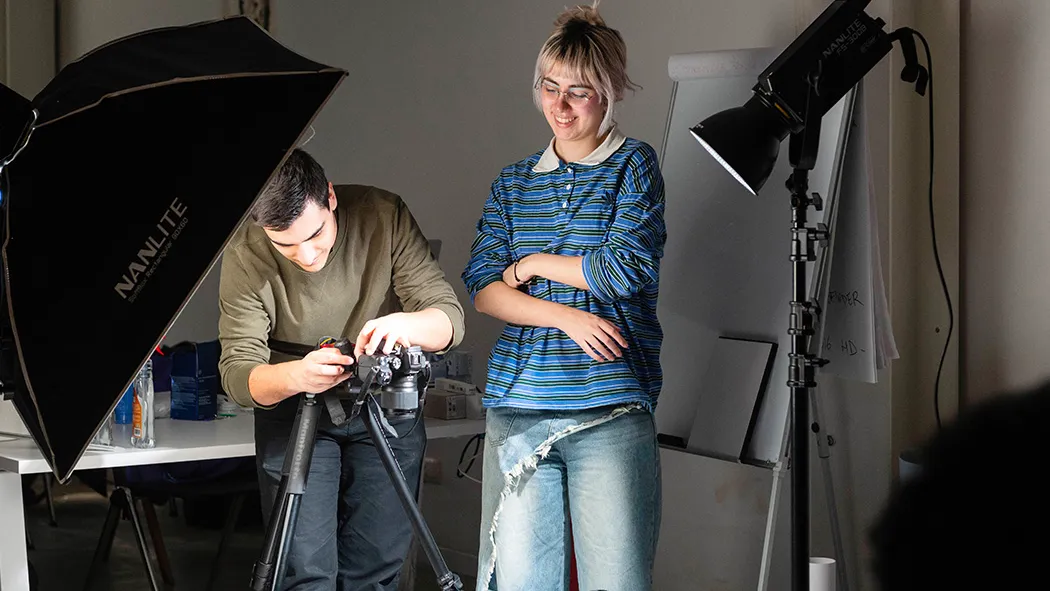
RUFA for Marie Claire Italia: students reinterpret the world of beauty
-
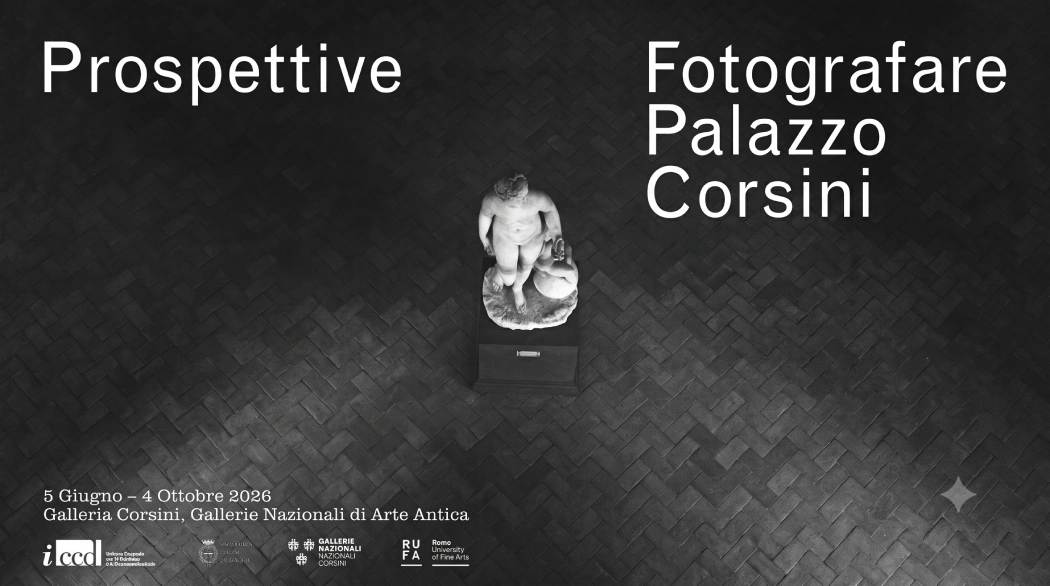
Prospettive. Fotografare Palazzo Corsini
-
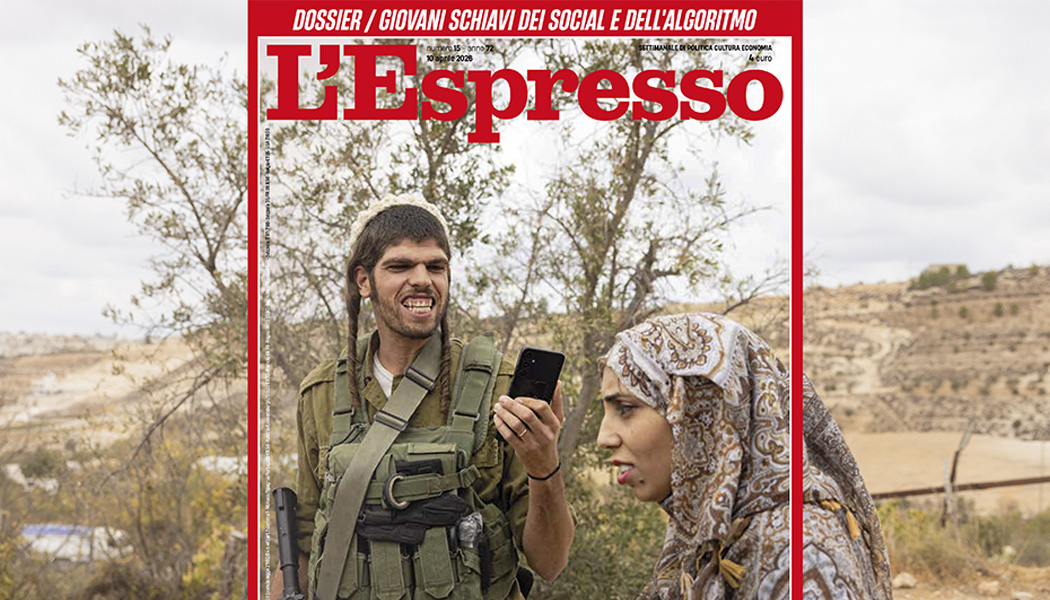
Reality on Trial. The Importance of the Document in the Age of AI-pochondria
-
Paper Roads – A Return to Analogue Identity
-
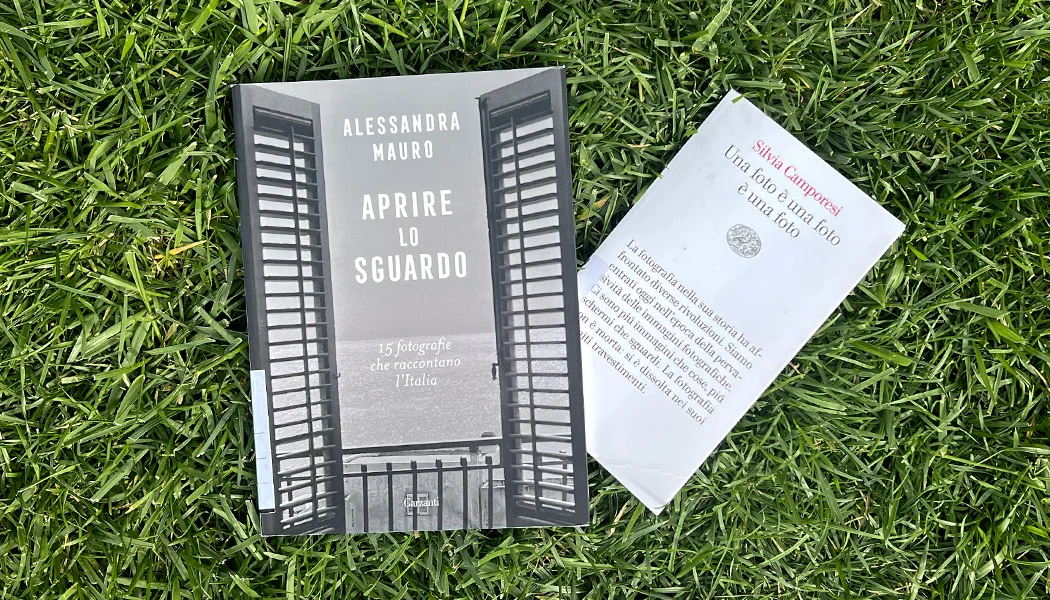
Understanding the World through Photography: a dialogue with Silvia Camporesi and Alessandra Mauro
Do you have questions about the RUFA world? We are here to guide you!
Our guidance team is here for you all year round, ready to answer all your questions.