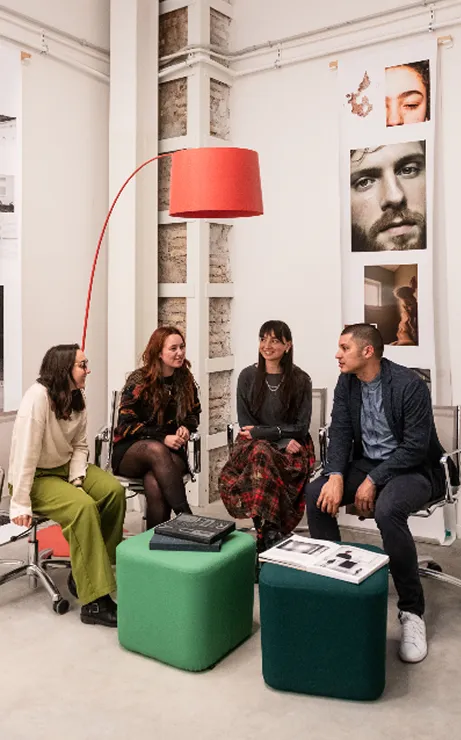
You will look through the camera to tell the story of the world. You will learn to write screenplays, direct, shoot, edit, and post-produce a variety of audiovisual formats, combining cinematic language and technical skills to transform your vision into visual storytelling.
Cinema
DURATION > 3 YEARS
ROME > ITALIAN or ENGLISH
MILAN > ITALIAN
COURSE START > OCTOBER
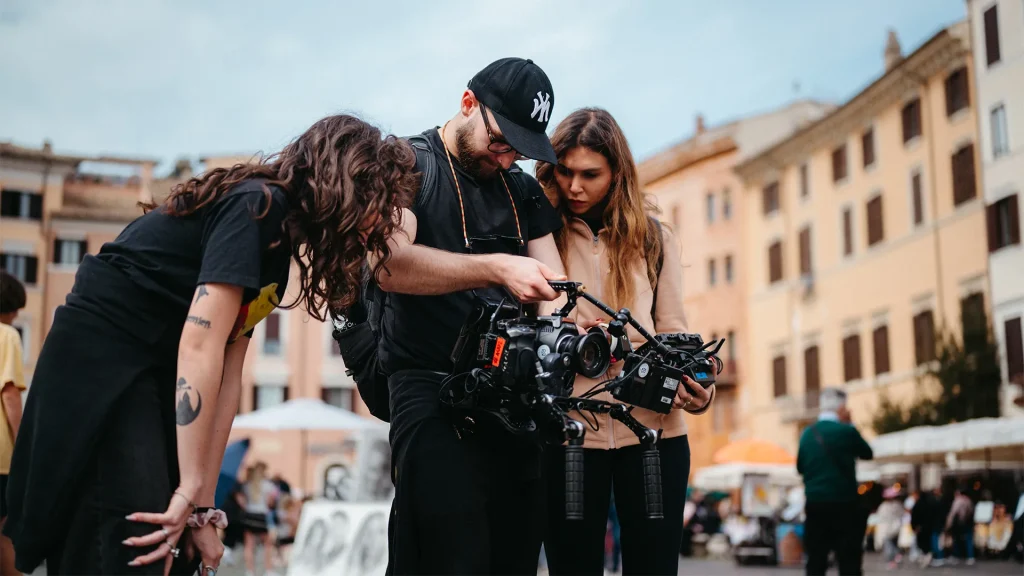
Vision and technique
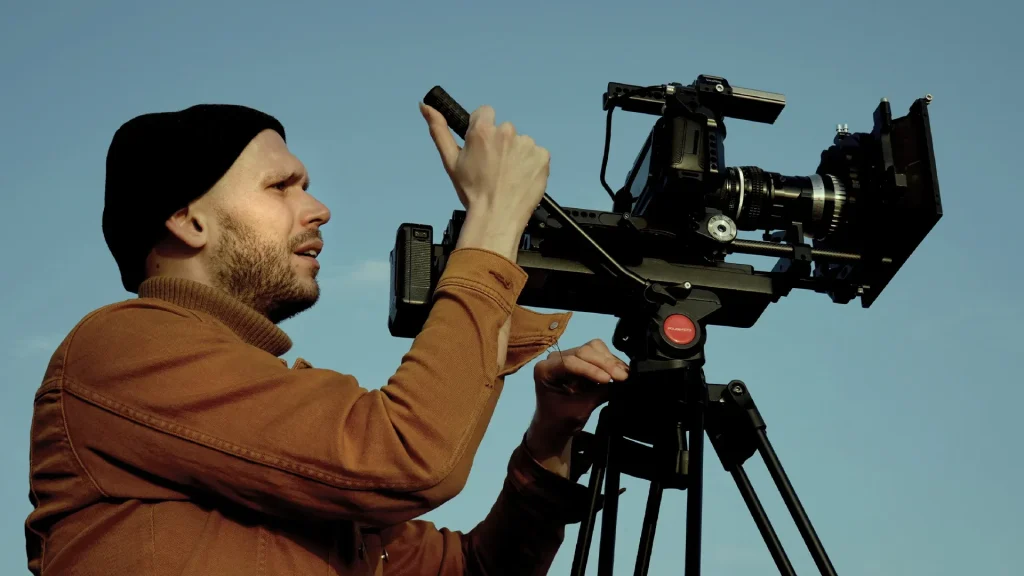
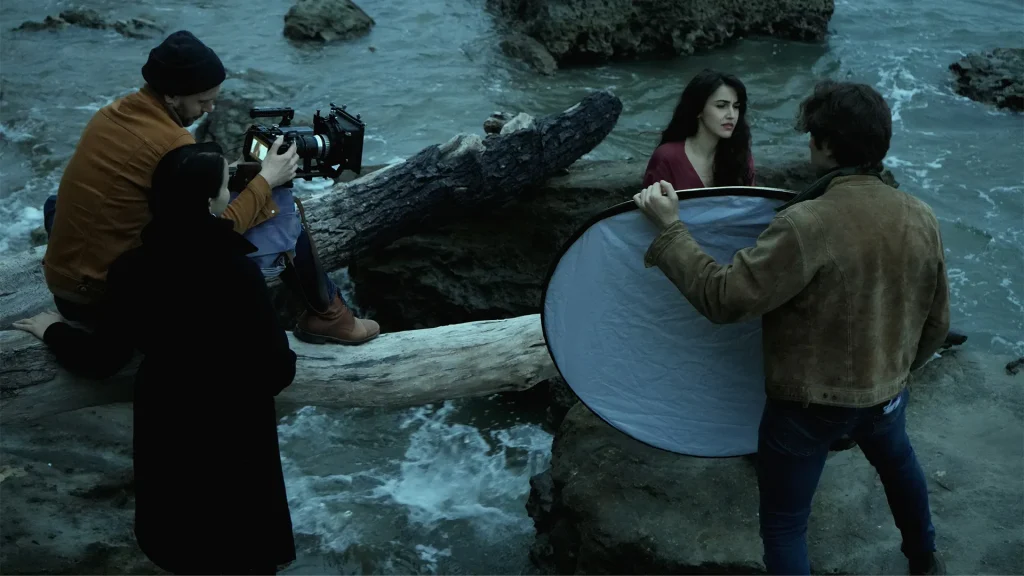
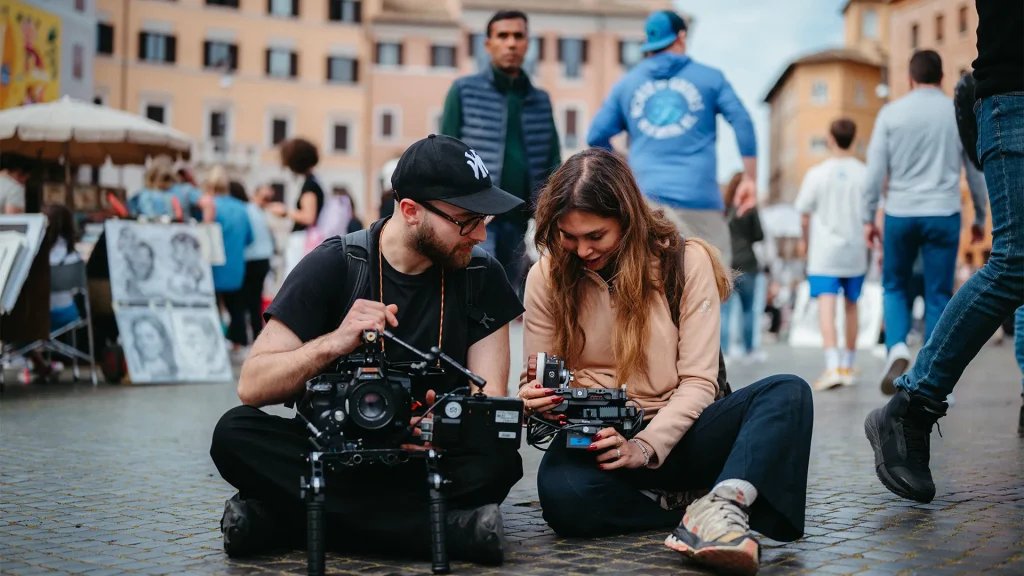
With the RUFA Cinema course, you will learn to transform your stories into images, combining creative vision and technical skills. You will write, shoot, edit, and produce short films, music videos, documentaries, and television productions, developing a personal and contemporary cinematic language.
Inside the production
Thanks to workshops and lessons held by industry professionals, you will acquire solid knowledge of direction, cinematography, editing, sound design and post-production. You will become an author capable of moving confidently in the world of cinema, television and visual communication, with a complete and competitive profile.
Areas of study
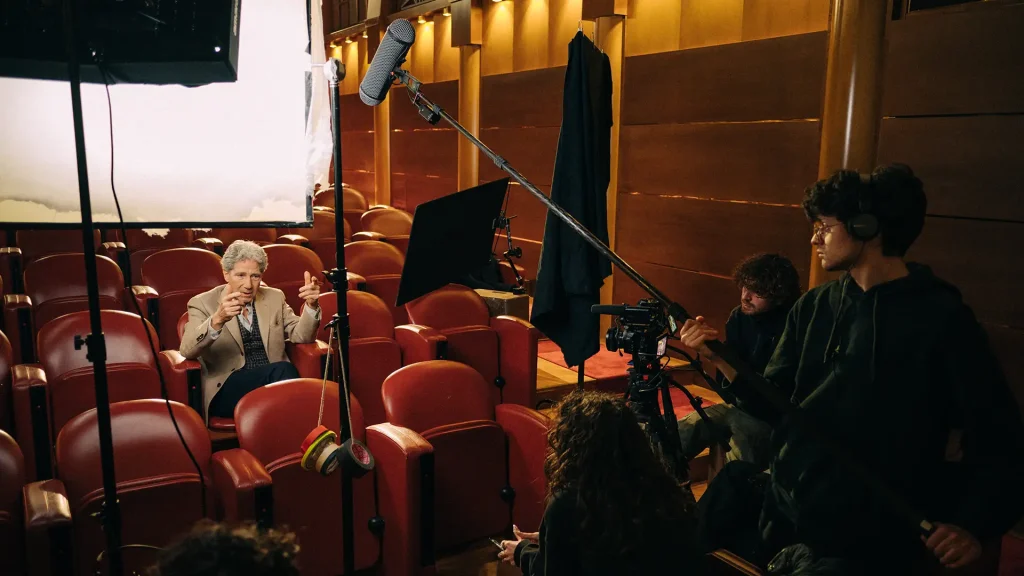
SCREENWRITING AND STORYTELLING
From words to images. You will learn to build a solid cinematic narrative, creating concepts, dialogues, and screenplays capable of engaging and communicating effectively. The study of writing techniques for cinema and television will allow you to develop a personal, distinctive, and contemporary language.
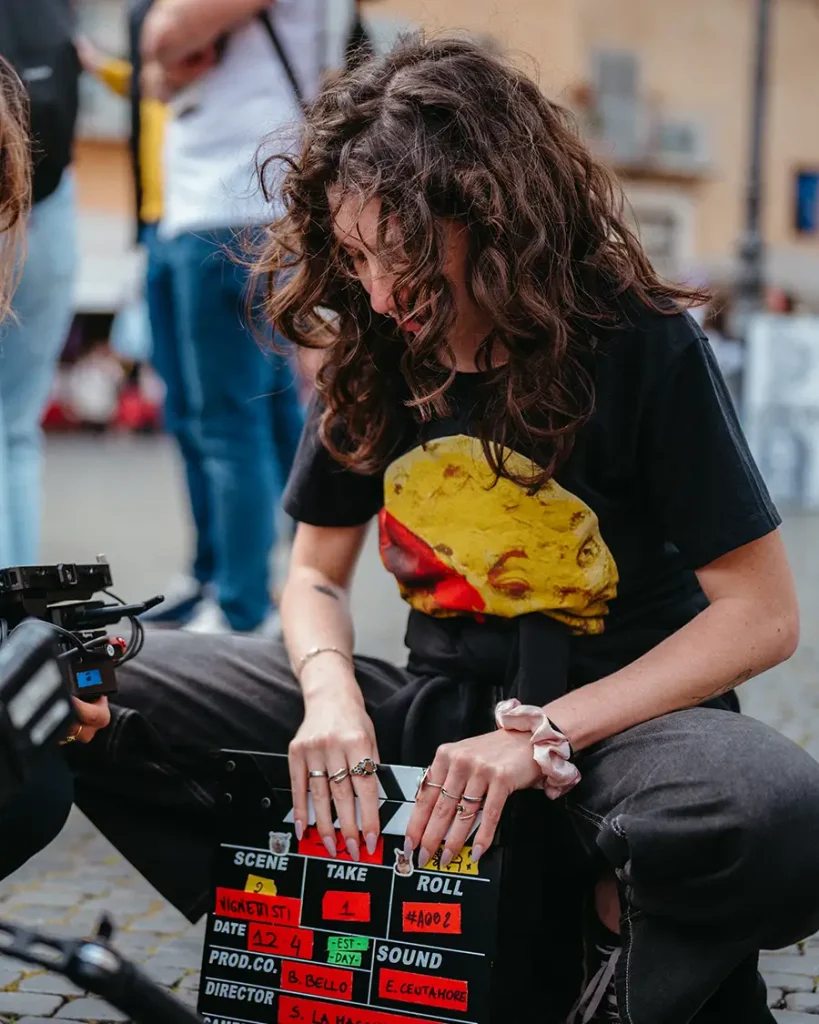
DIRECTING AND VISUAL LANGUAGE
Giving shape to a vision. You will explore directing techniques, actor direction, and scene construction, learning how to coordinate the work of the crew and different departments. Through workshops and practical labs, you will develop the ability to transform ideas into images, managing rhythm, light, and composition to tell the world through your own perspective.
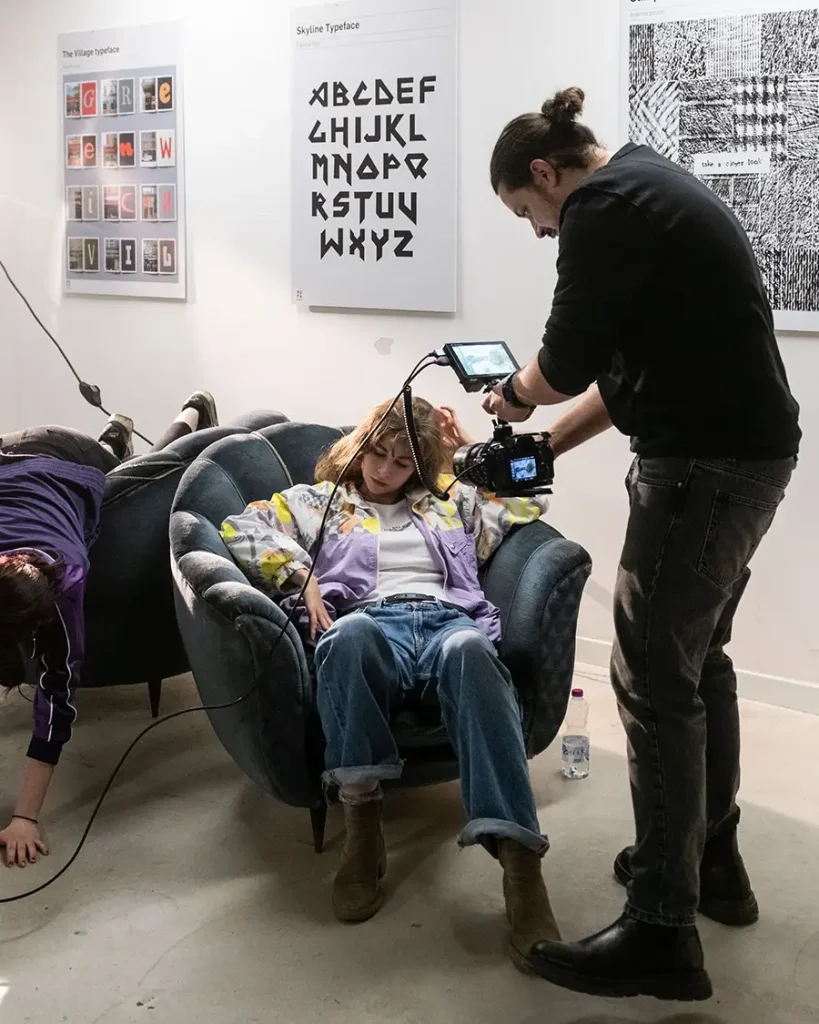
SHOOTING AND EDITING
Where technique meets emotion. You will study shooting, cinematography, and post-production techniques to master every stage of the audiovisual process. From the camera to editing software, you will learn to manage moving images, creating coherent, dynamic visual works ready for the big screen or new media.
QUALIFICATION
Bachelor of Arts
180 CFA
FUTURE PROFESSIONS
- Director
- Director of Photography
- Screenwriter
- Sound Technician
- Assistant Director
- Production Coordinator
- Collaborator in film festivals and museums
- Editor
MAIN SUBJECTS
- Cinematography
- Directing
- Shooting and editing techniques
- Audio and mixing
A study method designed for you
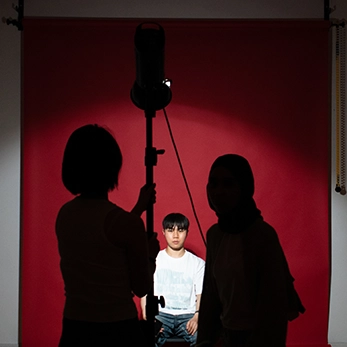
LEARNING BY DOING
In RUFA, you learn by doing. Alongside the solid foundation of a university-level education, you will develop a hands-on approach that allows you to work on real projects, experiment, and build immediately applicable skills. Each course helps you transform ideas into prototypes, artworks, videos, concepts, installations, or products.
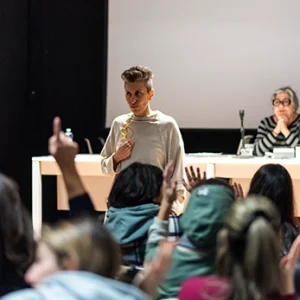
EXTRA DIARY
Workshops, laboratories, exhibitions, talks, and collaborations with companies are an integral part of the learning experience. The classroom opens up to the professional world and becomes a space where you engage every day with professionals, creative directors, artists, and designers. This allows you to understand how the industry you want to grow in truly works.
RESEARCH AND CROSS-POLLINATION
Every discipline becomes a space for experimentation. RUFA encourages you to blend languages, visions, techniques, and tools, combining artistic tradition with technological innovation. Here, you can explore, experiment, create connections, and find your own creative identity.
Requirements
ITALIAN STUDENTS
- High School Diploma
EU AND NON-EU STUDENTS
- High school diploma valid for the Italian higher education system
- B2 certificate in the language of the course
Following admission, NON-EU students will be required to start the procedure for obtaining a study visa.
Study plan
The RUFA Bachelor of Arts requires the acquisition of 60 academic credits for each academic year.
To obtain the qualification, students must complete the entire study programme, achieving a total of 180 CFA (Academic Formative Credits).
Attendance is compulsory for all classes at RUFA’s campuses.
| SUBJECT | ECTS |
|---|---|
|
Study of photographic theory and technique through selected photographs by various authors and artistic currents: image literacy, composition techniques, technique and theory of camera architecture, study of the various fields of photography, portrait photography, still life photography, landscape/geographic photography, narration and editing of the photographic story, self-portrait, contemporary collage, alter ego. Production of a final personal project.
| 8 |
|
The art of the twentieth century and the beginning of the thirteenth century: the romantic revolutions, the Avant-garde and their subsequent changes. The relations between the various art movements and the major protagonists of the period analysed. Analysis of the most significant social, philosophical, political and technological changes. In-depth analysis of the synergy between cinematographic art and other forms of visual art.
| 6 |
|
The history of cinema from its beginnings to the present day with a reinterpretation in the light of the current debate. The concept of cinema with a focus on the knowledge of inner and outer reality: the object and the subject. Mastery of terminology and methods of filmic analysis.
| 6 |
|
First approach to the expressive means of cinema and audiovisuals through the writing and design of a subject, treatment, screenplay, storyboard and the making of a short film or backstage video. Active participation in the shoot: students will play all the roles of the film crew.
| 12 |
|
The basic principles of film directing and an introduction to its language: the directing project, the writing of the subject, the treatment, the screenplay and the storyboard. The method for coordinating the various departments and the direction of the actors. The shooting plans and fields, camera movements, film continuity and editing.
| 6 |
|
Study of the technical preliminaries necessary to obtain qualitatively good images, the various shooting formats and knowledge of camera positioning to detail a scene with various shots and machine movements. Realization of multimedia projects through the use of digital editing technologies.
| 8 |
|
Acquisition of the basic skills necessary to design the sound narrative plot of an audiovisual project: phonogenics and dubbing, environmental location, appropriateness of locations, interaction with photography. Analysis of sound structures in relation to genres.
| 4 |
|
Digital processing to develop the expressive potential of the image: study of software for photo retouching and graphic design.
| 4 |
| Elective educational activities | 6 |
| SUBJECT | ECTS |
|---|---|
|
Film photography and the role of the director of photography. The study of the equipment available in relation to film needs. Lighting and related staging exercises: morning, day, evening, night, indoor, outdoor, natural or artificial lighting.
| 8 |
|
In-depth study of the blend of video art and cinema, focusing on the evolution of the audiovisual sector: from Gene Youngblood's Expanded Cinema to computer art, virtual reality, live media performance and live cinema.
| 6 |
|
To know the work of the scriptwriter in its various stages of development. To become familiar with the script from the point of view of the various professionals involved in the audiovisual product.
| 6 |
|
Study of the world of cinema according to a vision of cyclical and no longer linear development: the idea of eternal return and continuous inspiration from past stylistic elements. Thought, imagination and consciousness, the essence for the reading of modern cinema.
| 6 |
|
Through the analysis of classic and contemporary films, the dramaturgical techniques necessary for the development of a screenplay will be illustrated, starting from an idea, with the aim of consolidating the writing techniques. Creation of short films lasting a maximum of 10 minutes following all the production phases: from the research of the cue, the conception, the writing, the preparation, the staging, up to the editing, the post-production, the sound and also the distribution.
| 12 |
|
The study of various works by directors of the past and present within a path aimed at supporting their own personal artistic and technical research. Deepening of the personal author's look.
| 6 |
|
Study of the role of the editor and the editing styles to be put into practice with different materials that will be edited: continuous/discontinuous editing, narrative, discursive and matching editing. The practical part of the course will be carried out through exercises on editing software for the production of commercials, video clips, television series, films and documentaries.
| 6 |
|
Study of the production from the idea of the subject to the final realization of a film and its theatrical release: management of the screenplay from an organizational point of view, elaboration of a cost estimate and knowledge of financial dynamics, management of the technical path of the film project, management of the relationship with the director, the cast and the notion of copyright, knowledge of the post-production path and respect for legislative, union and economic regulations.
| 6 |
|
Study and deepening of themes and topics concerning the artistic field with the use of different linguistic registers and styles to improve one's communication skills in English.
| 4 |
| SUBJECT | ECTS |
|---|---|
|
The panorama of generalized communication: the tools useful to draw a map of the present and consciously and critically conceive one's work. Analysis of the anthropological transformation that crosses our time that gives value to communication and imagination, with focus on the figure of the knowledge worker.
| 6 |
|
Writing a subject for a feature film: description of the main character, what is the difference between plot and subplot and why it is important that they proceed in parallel.
| 6 |
|
Study and development of a method for the realization of the cinematographic product: from observation and documentation, through writing, staging, photographic technique, direction of the actors, sound reproduction and finally editing and post-production. Creation of a narrative short film divided into acts.
| 12 |
|
The Aesthetics articulated in art and cinema. The general meaning of the concept of Aesthetics with focus on the theoretical aspects related to knowledge by object and subject. The decline of the concept of style and the advent of the technical age. Analysis of the poetics of artists such as Manet, Cezanne, Klee, Mondrian, Malevic, Picasso, Duchamp, Pollock, Bacon, De Chirico, Rothko, Burri, Warhol.
| 6 |
|
The complex relationship between reality and its representation through the study of the narrative structures of the theatrical and cinematographic language. Analysis of the most important directors of the genre and the various modes of representation: the poetic, thematic, observational and narrative approach. Realization of documentary projects with the participation of all students.
| 8 |
|
Stimulating and refining the sensitivity and aesthetic taste towards sound with particular attention to the audiovisual product, as well as acquiring the technical notions necessary to be able to work independently. Recording, editing and mixing techniques, with the use of the main tools available to a sound designer (eq, compressors, reverbs ...) will be the subject of practical exercises.
| 6 |
| Further language and interpersonal skills, internships, etc. | 4 |
| Elective educational activities | 4 |
| Thesis | 8 |
Professors
-
Coordinator
Andrés Rafael Zabala
-
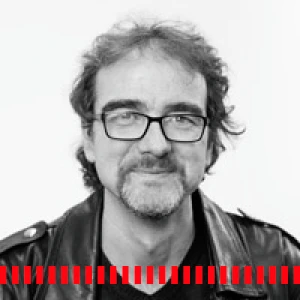
Tutor
Christian Angeli
-
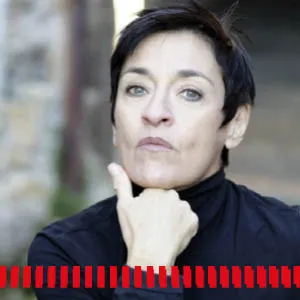
Professor
Bianca Alessandra Ara
-
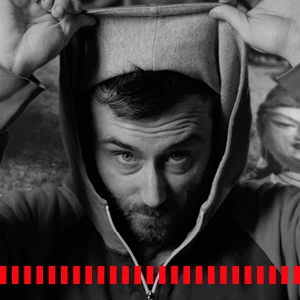
Professor
Sergio Basso
-
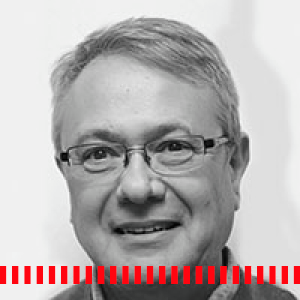
Professor
Alessandro Bencivenni
-
Professor
Amos Bianchi
-
Professor
Stefano Bianchi
-
Professor
Marianna Cappi
-
Professor
Anna Cianca
-
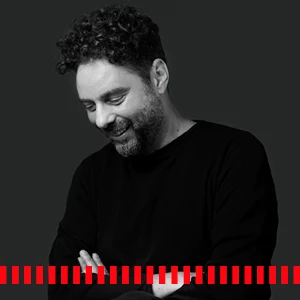
Professor
Stefano Compagnucci
-
Professor
Andrea Costantini
-
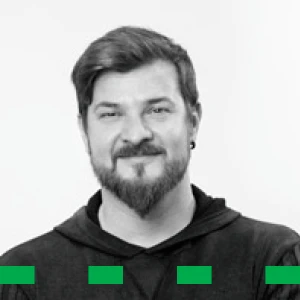
Professor
Alessio Cremisini
-
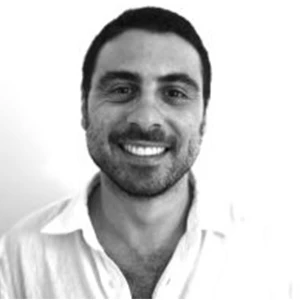
Professor
Emanuele Daga
-
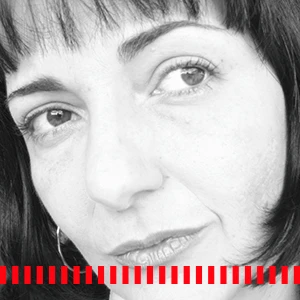
Professor
Franca De Angelis
-
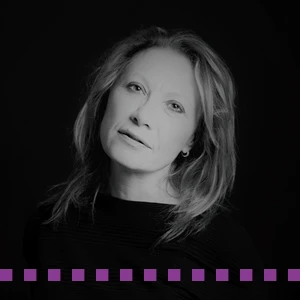
Professor
Genny Di Bert
-
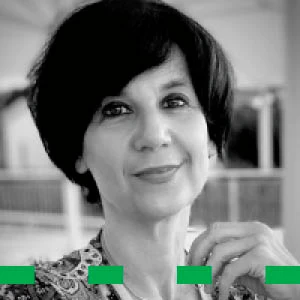
Professor
Caterina Di Rienzo
-
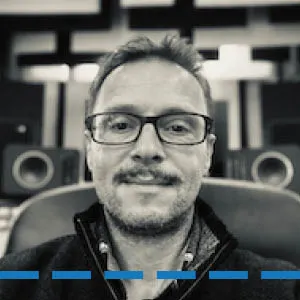
Professor
Andrea Fabiani
-
Professor
Alberto Gelpi
-
Professor
Massimo Intoppa
-
Professor
Federico Landini
-
Professor
Gianluca Lorenzini
-
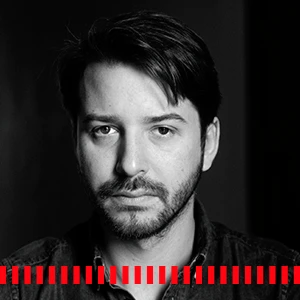
Professor
Manfredi Lucibello
-
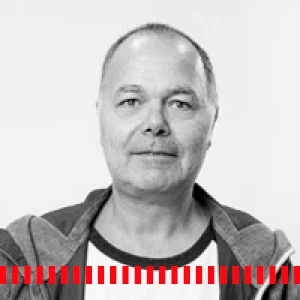
Professor
Gianfranco Manzo
-
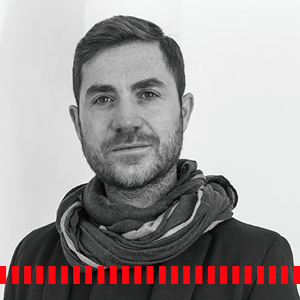
Professor
Alessandro Marinelli
-
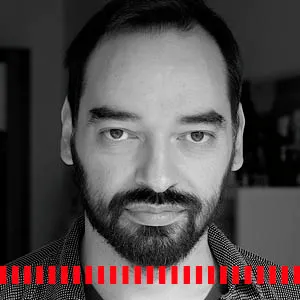
Professor
Alberto Mascia
-
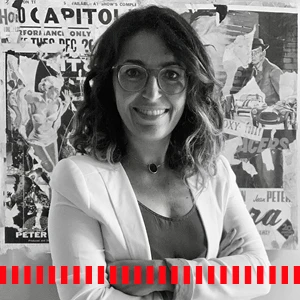
Professor
Francesca Romana Massaro
-
Professor
Tullio Morganti
-
Professor
Francesco Pennìca
-
Professor
Fabrizio Pizzuto
-
Professor
Simone Santilli
-
Professor
Raffaele Simongini
-
Professor
Lorenzo Squarcia
-
Professor
David Vernaglione
Community voices
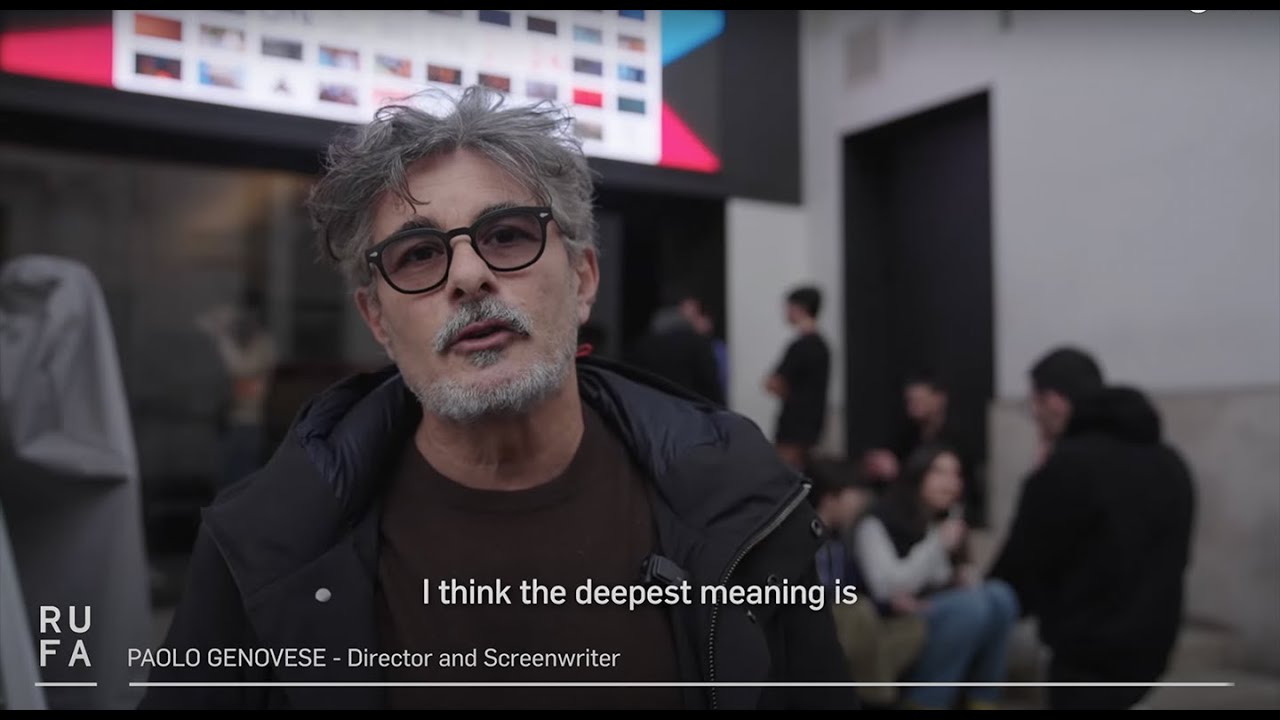
RUFA On Screen 2026

RUFA meet Milano Film Fest
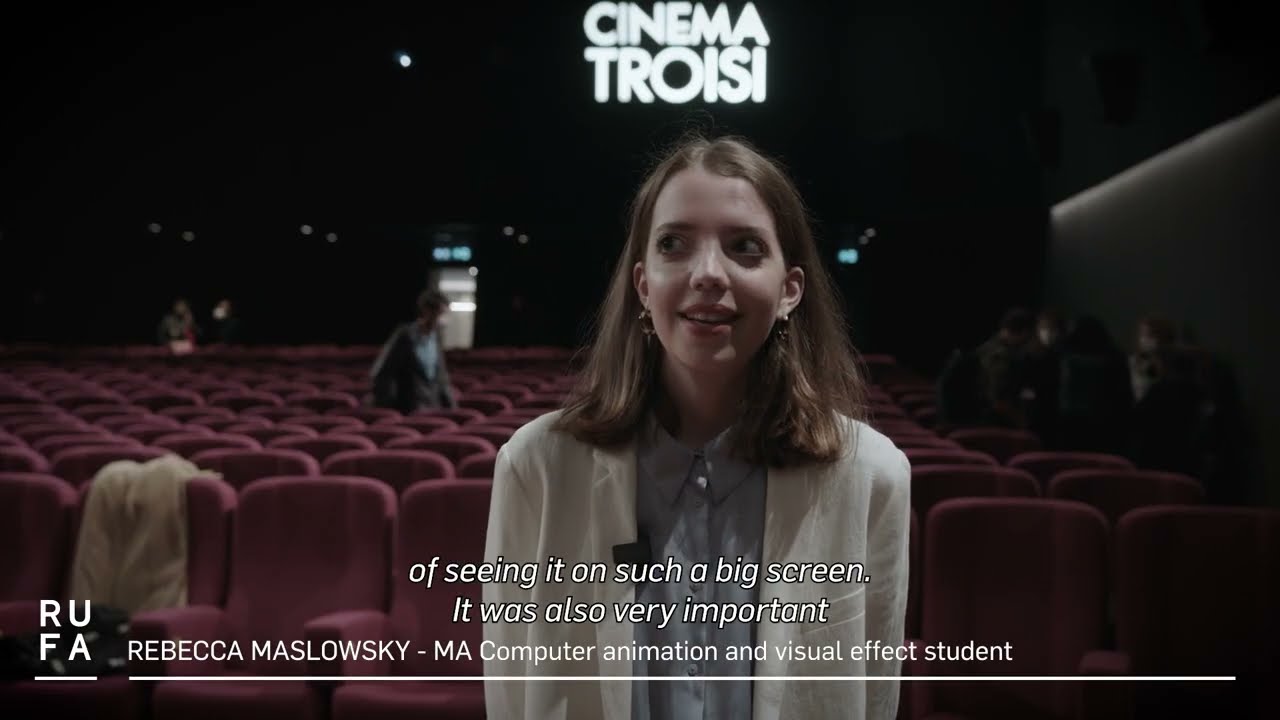
RUFA talents meet the big screen





Request information
News and Events
-
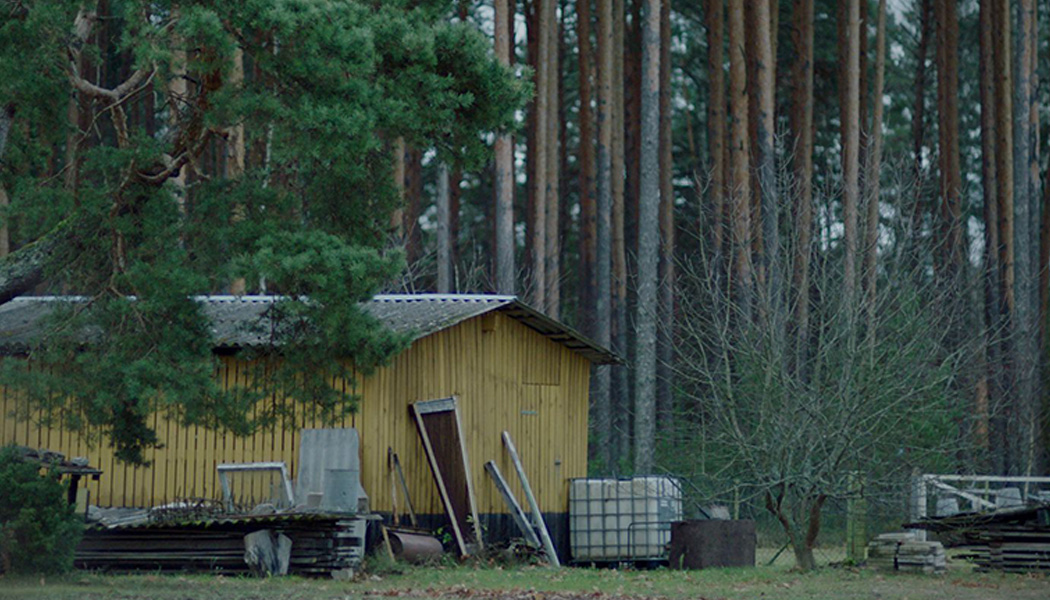
From RUFA to the Locarno Film Festival
Elia Canevascini’s journey with Lääne/Vostok
-
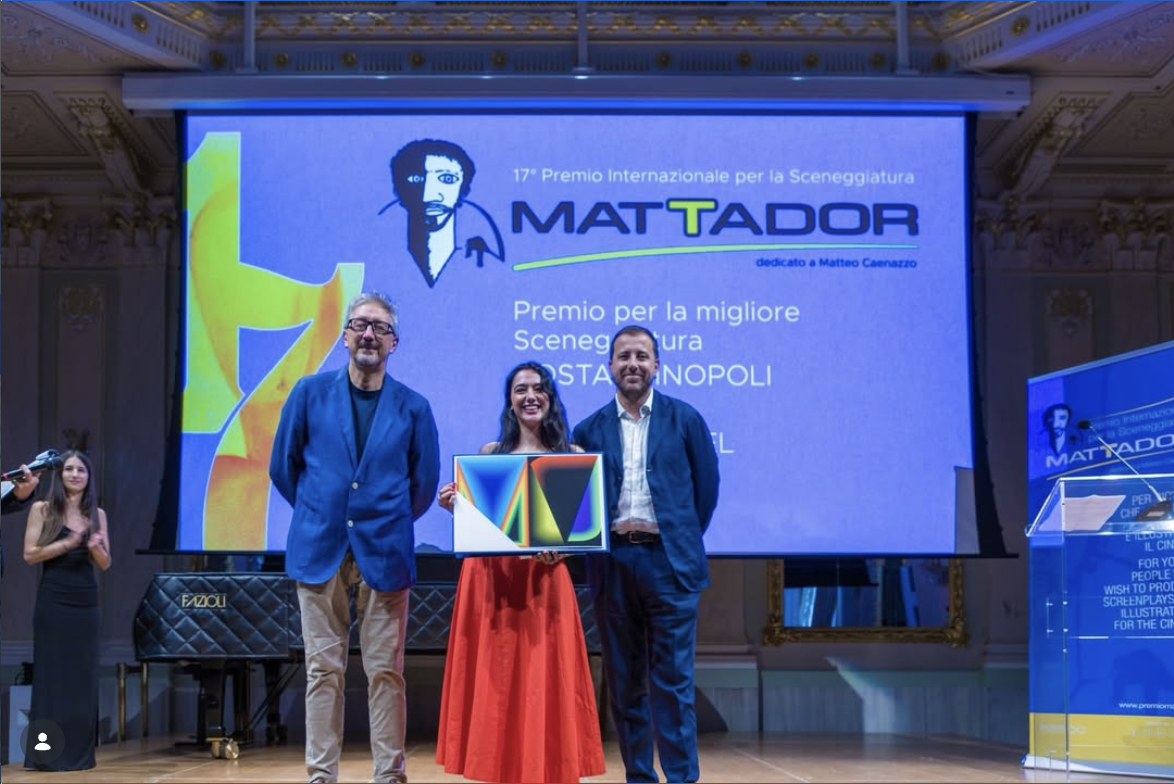
Sim Levi Tezel wins the Mattador Award
The screenplay by a RUFA Alumna awarded in Venice
-
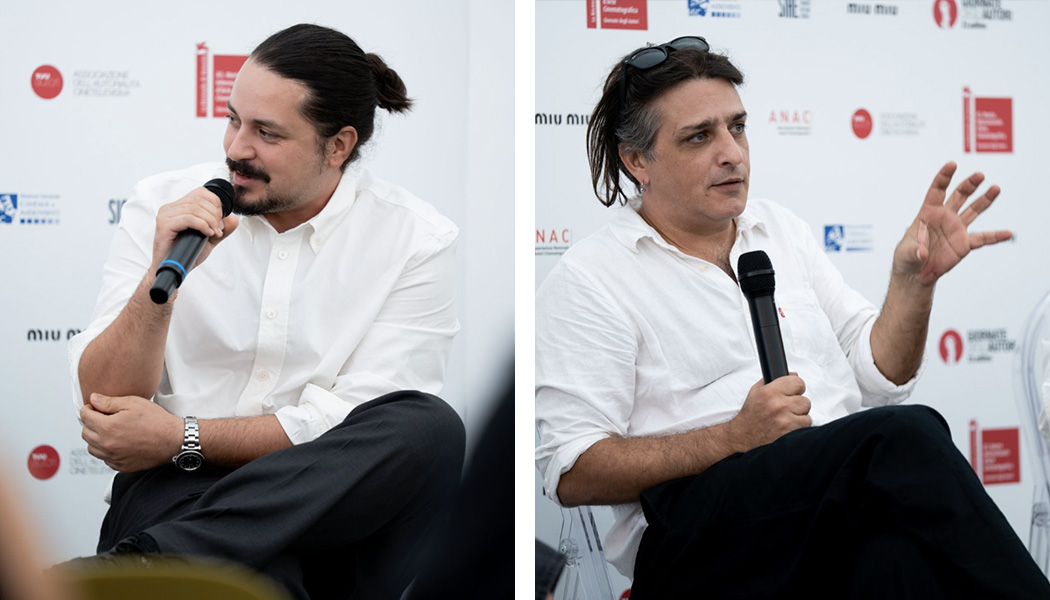
RUFA at Giornate degli Autori 2026
The talk “Sound Aesthetics in Cinema” in Venice
-
RUFA and Saint Louis: creativity comes Milan
BOVISA AL PLURALE: voices, spaces, stories
-
Elia Canevascini at the Locarno Film Festival
-
RUFA torna al Milano Film Fest 2026
Do you have questions about the RUFA world? We are here to guide you!
Our guidance team is here for you all year round, ready to answer all your questions.