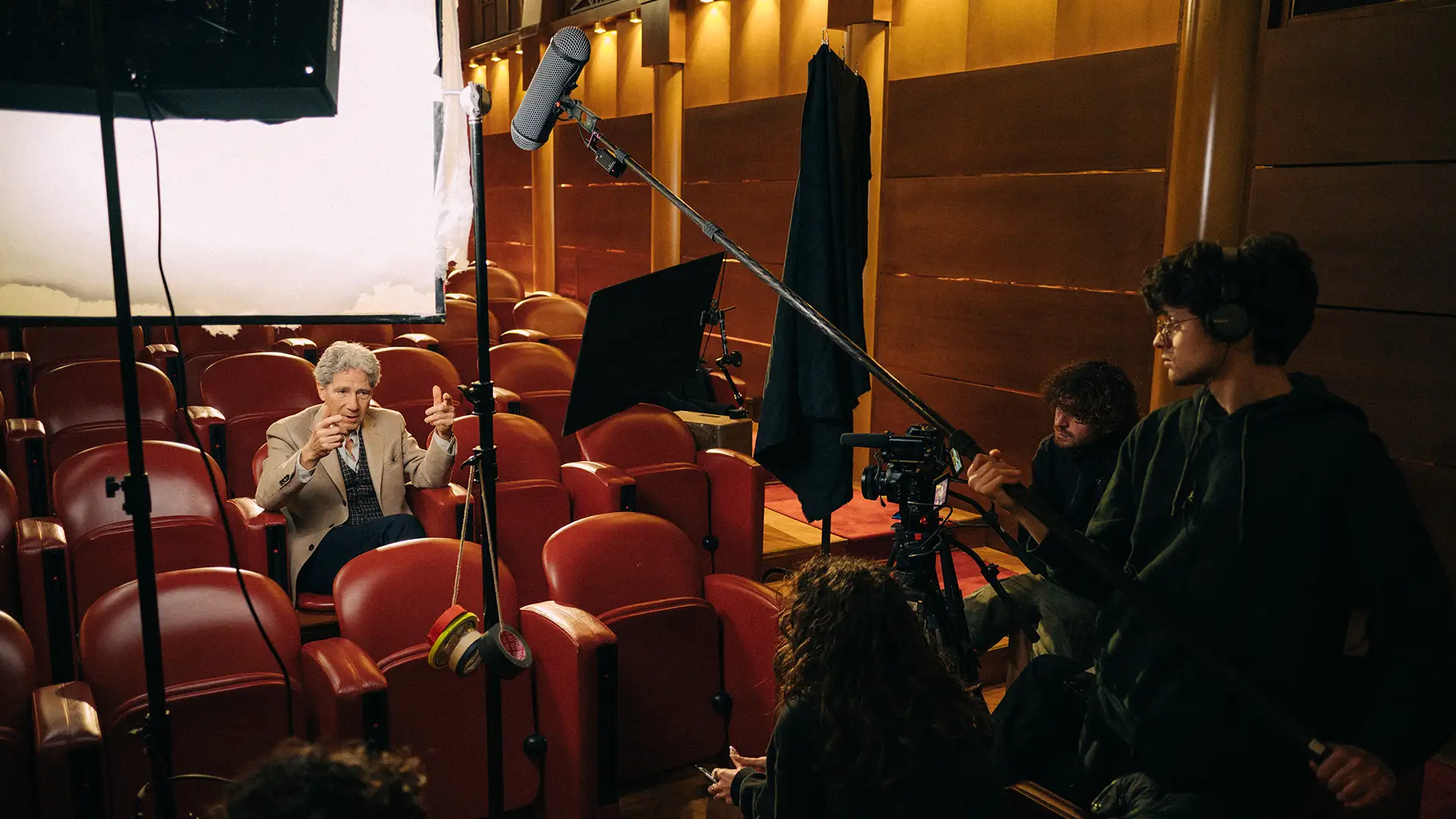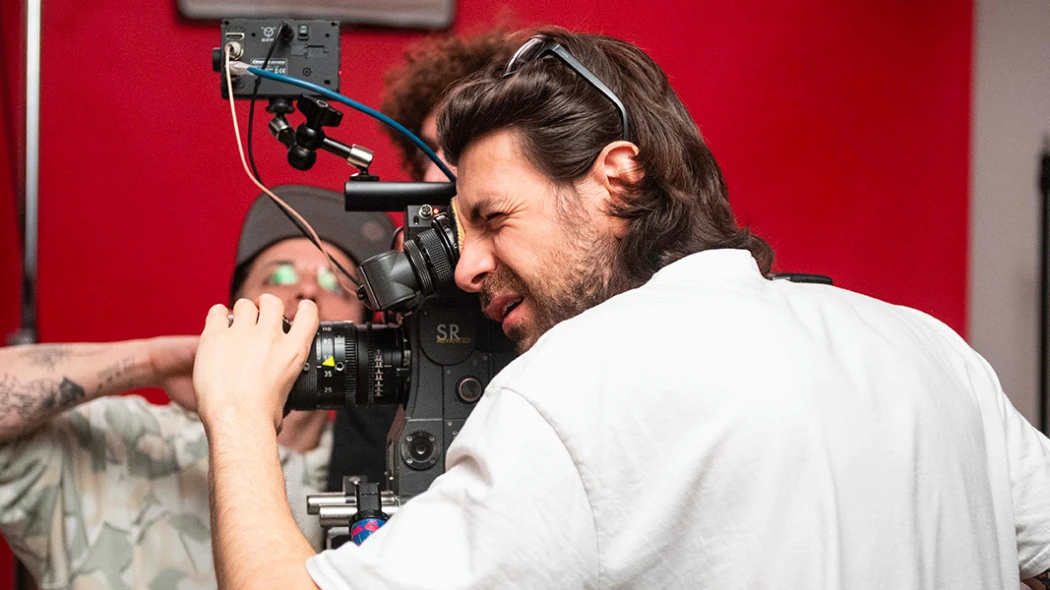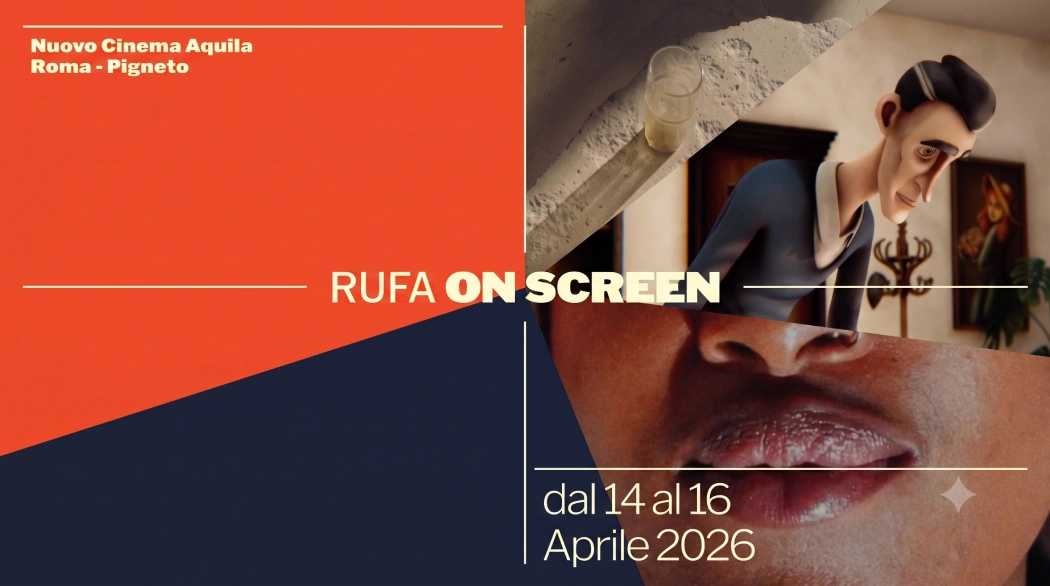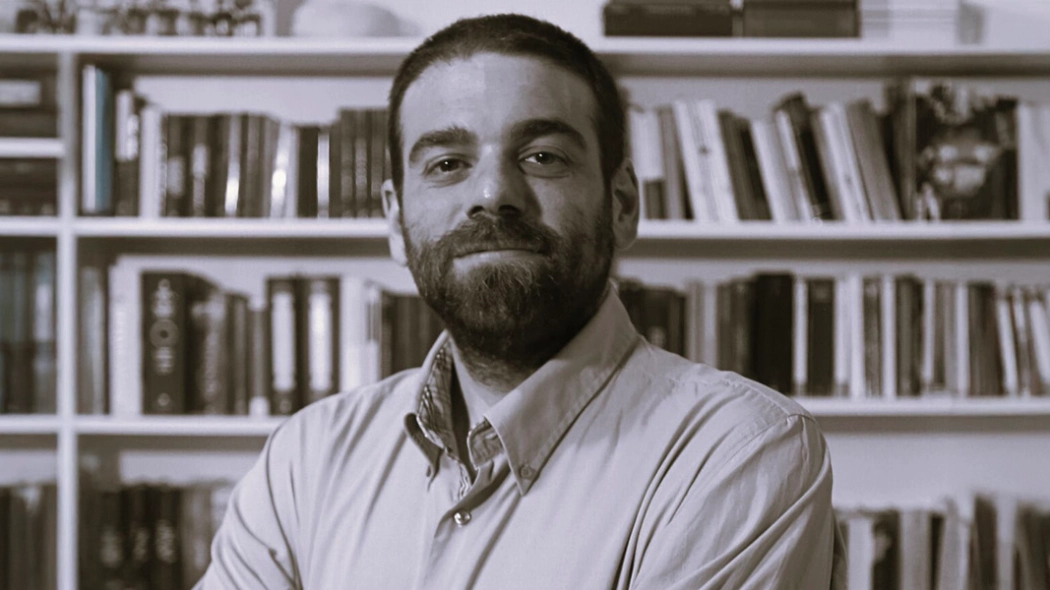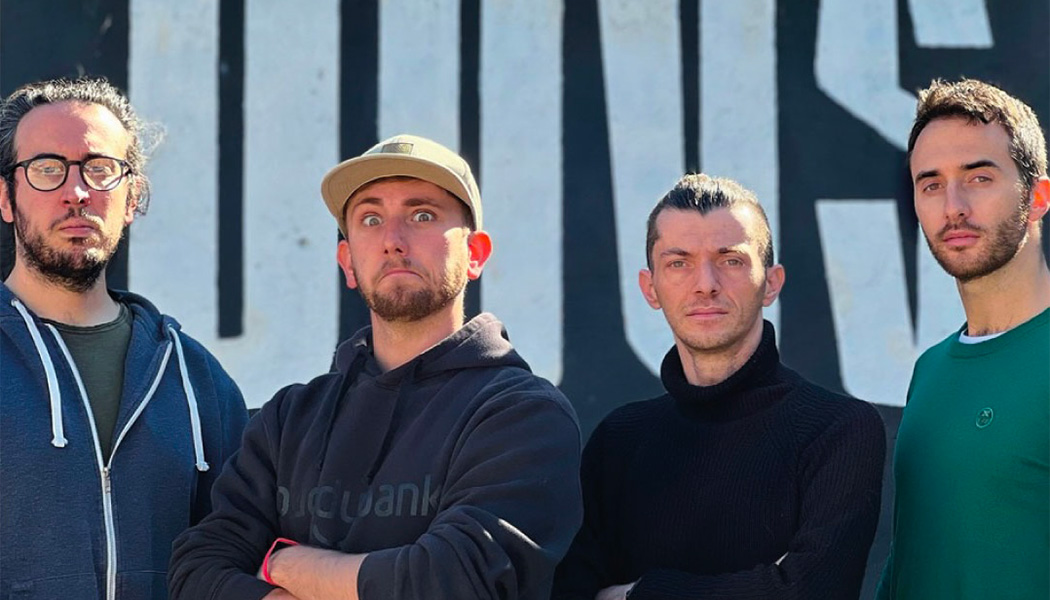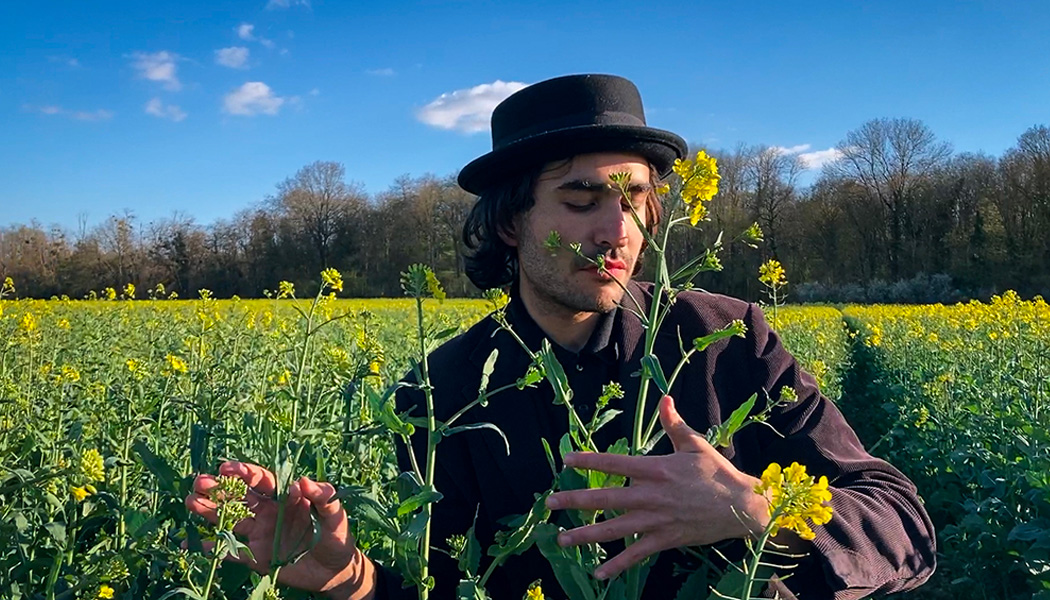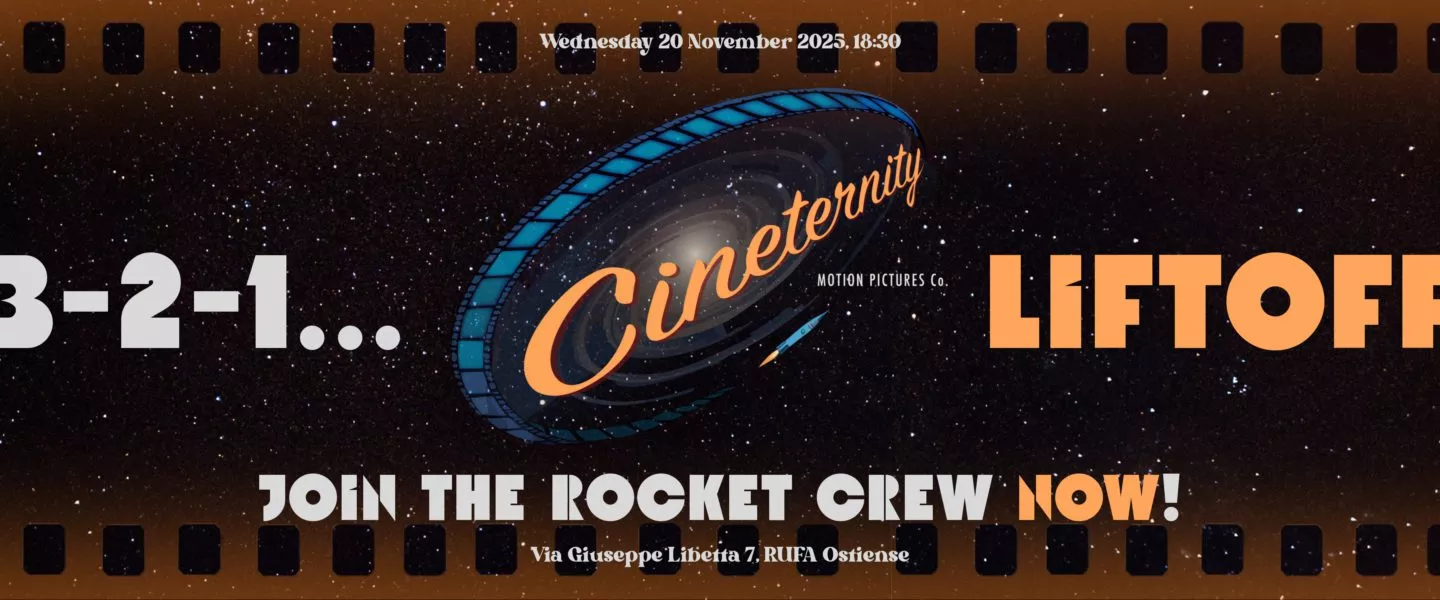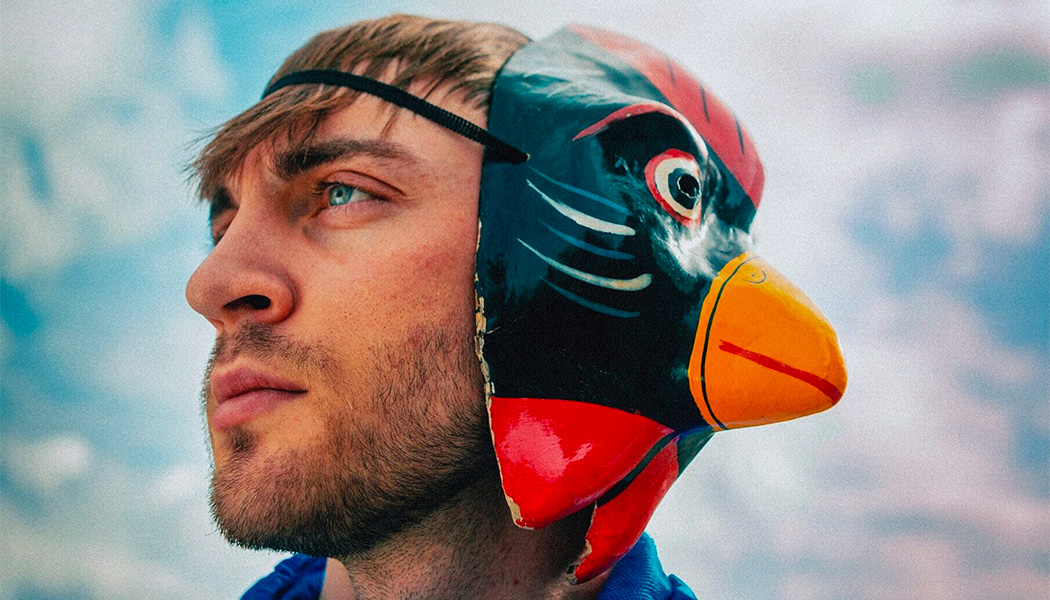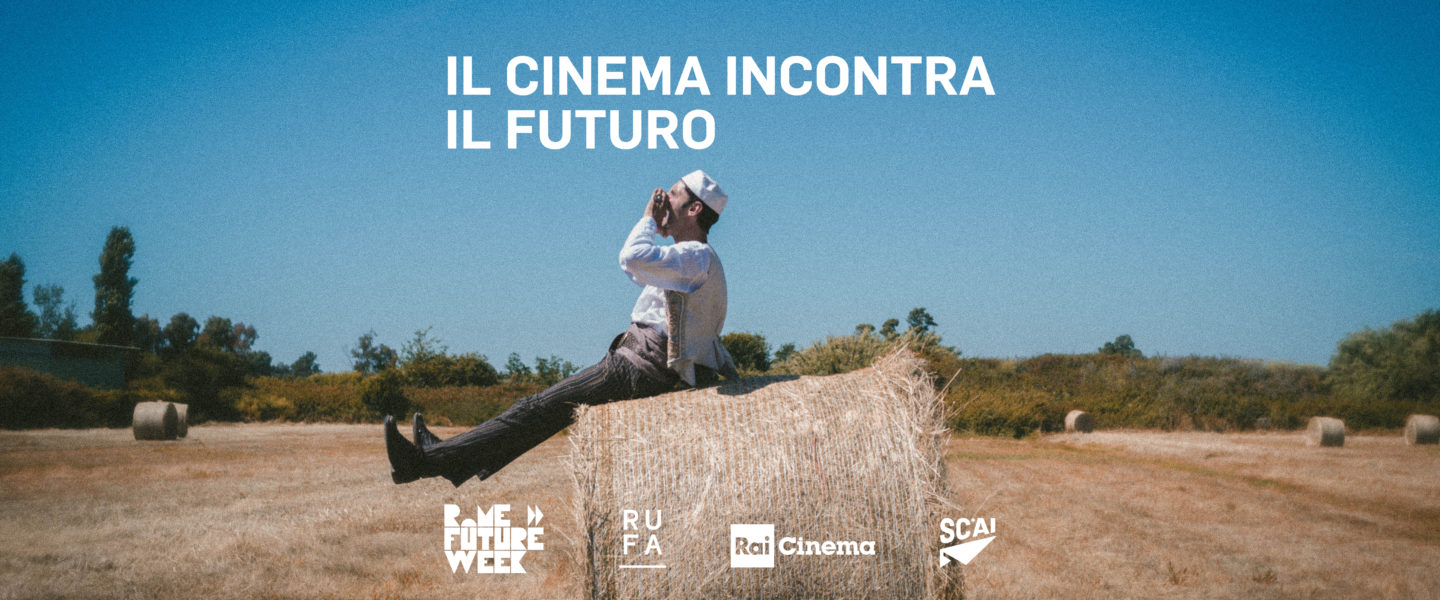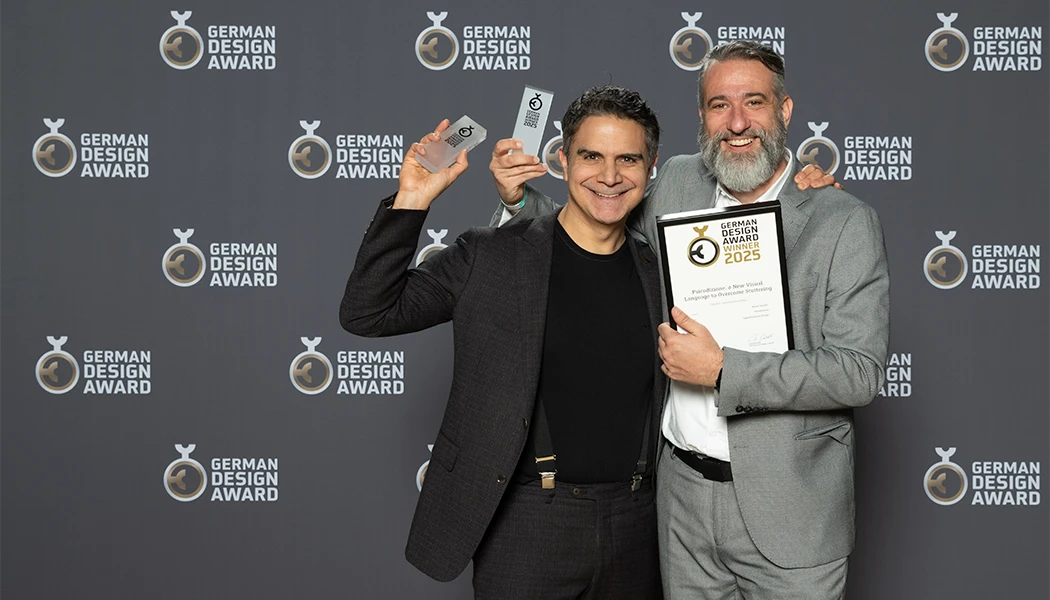
Riccardo Federico arrived in Rome in 2014 at the age of 18 to attend the Cinema programme at RUFA. During these years he met his closest work companions, relationships that would continue over time, and during these years he had the opportunity to work both within the Academy and outside it, producing short films, commercials, music videos and documentaries. In 2016 he produced “Fruscìo”, his first self-produced short film as a director, organised by members of the Centro Sperimentale del Cinematografia. However, 2017 was the year that changed me as a person, producing “Un mestiere qualunque” in March and “ ‘a Lampara”, my documentary, during the summer. “Un mestiere qualunque” was fundamental in allowing him and his colleague, classmate and friend Matteo Di Vincenzo to personally attend the Cannes Film Festival 2018 to promote and distribute the short film in cinemas, while at the same time the documentary was distributed throughout Italy and broadcast on television networks. After graduating, in 2019 he completed a Master’s in Film Production Management at LUISS Business School, which allowed him in 2020 (during the Covid period) to organise and produce, with the company MAESTRO SRL, most of the Italian music videos in circulation (Gazzelle, Ghali, Dardust, Emma Marrone etc.). I have currently finished the screenplay for my next short film and am looking for companies willing to produce it.
‘a Lampara. Come e perché ho girato a casa mia
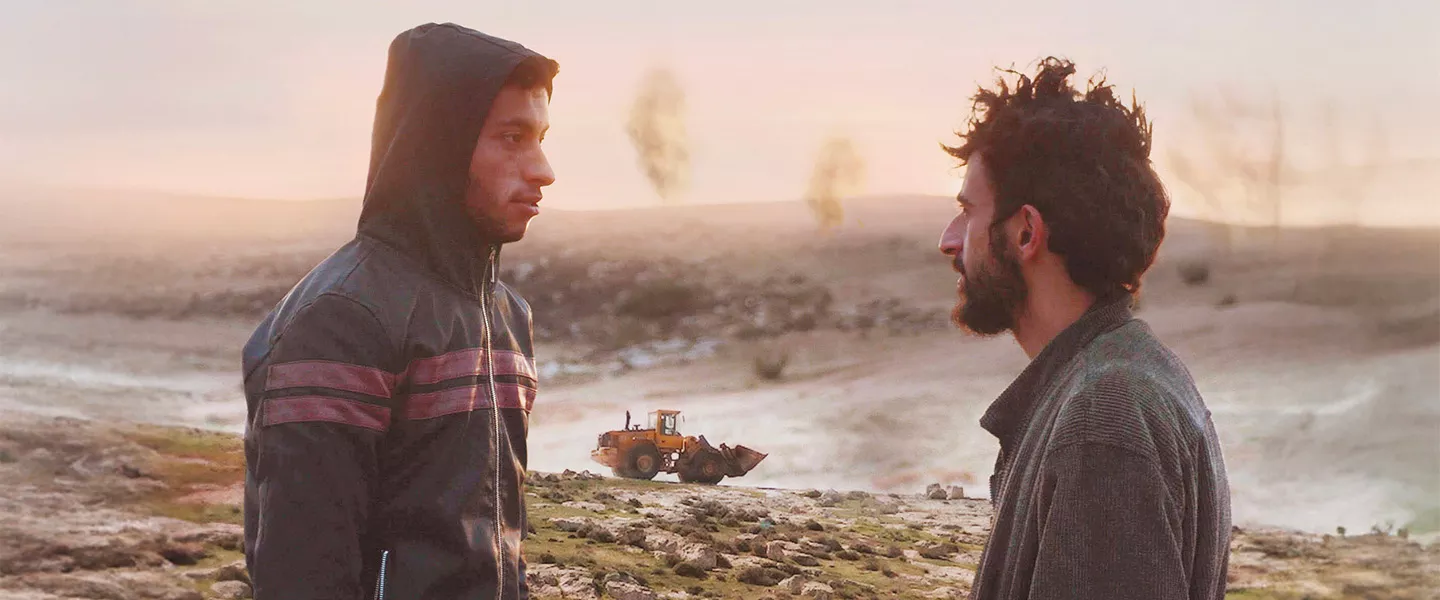
Documentary as an aesthetic choice, but also an ethical one, starting from the pioneering works of Vittorio De Seta, passing through Federico Fellini (and his younger brother Riccardo), and Werner Herzog. An autobiographical story that begins in Calabria and tells of a passion for image and sound. A sentimental and personal journey to tell the beauty of a fundamental genre that has made cinema history, but is too often underestimated.
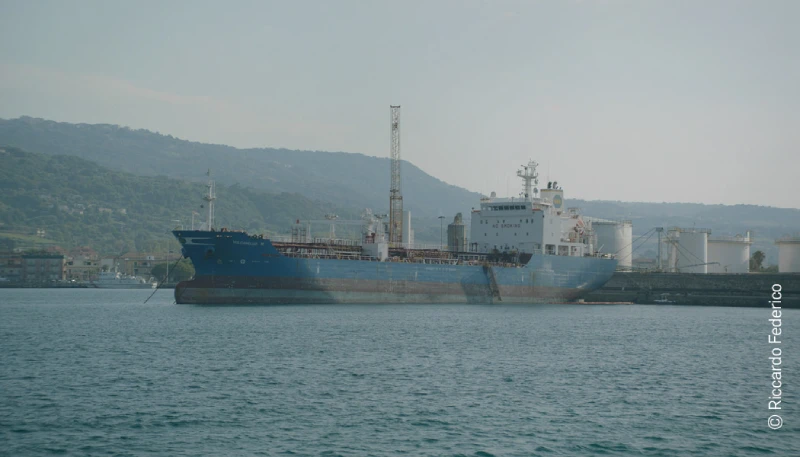
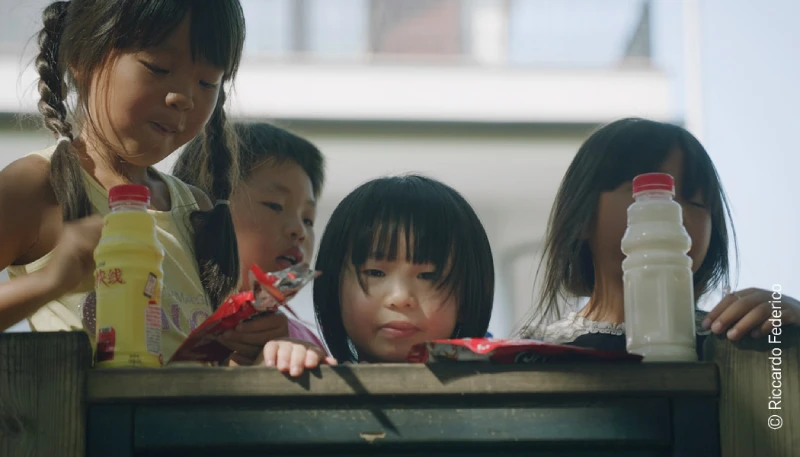
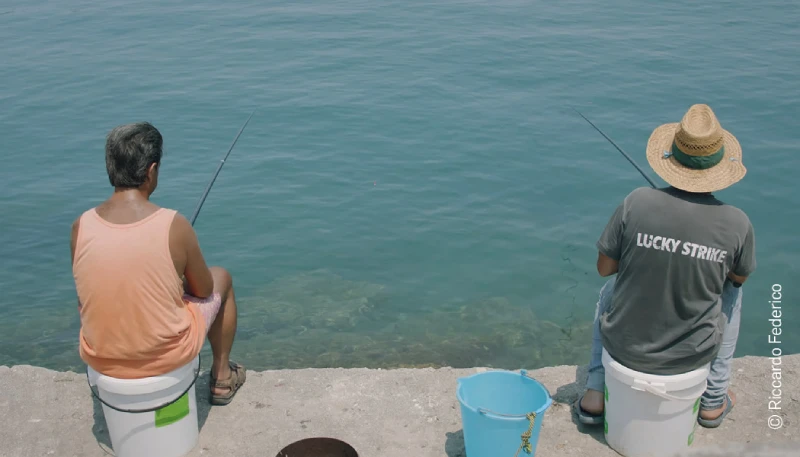
The subject of the documentary is the feast of the Santa Madonna del Rosario di Pompei, a religious ceremony with a strongly popular character that sees the town of Vibo Marina repopulated, otherwise abandoned by people who migrate to other cities.