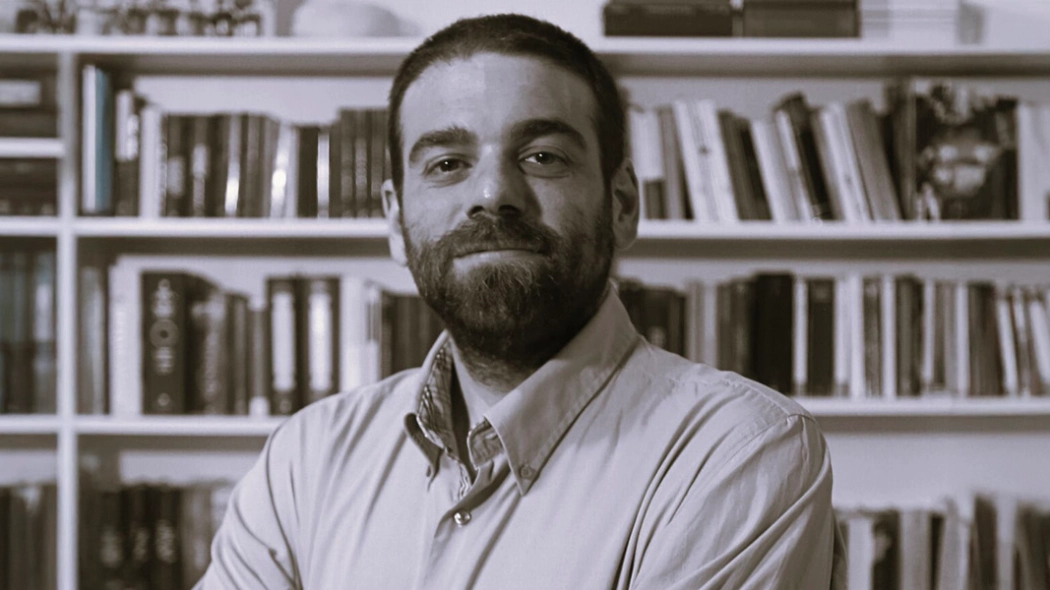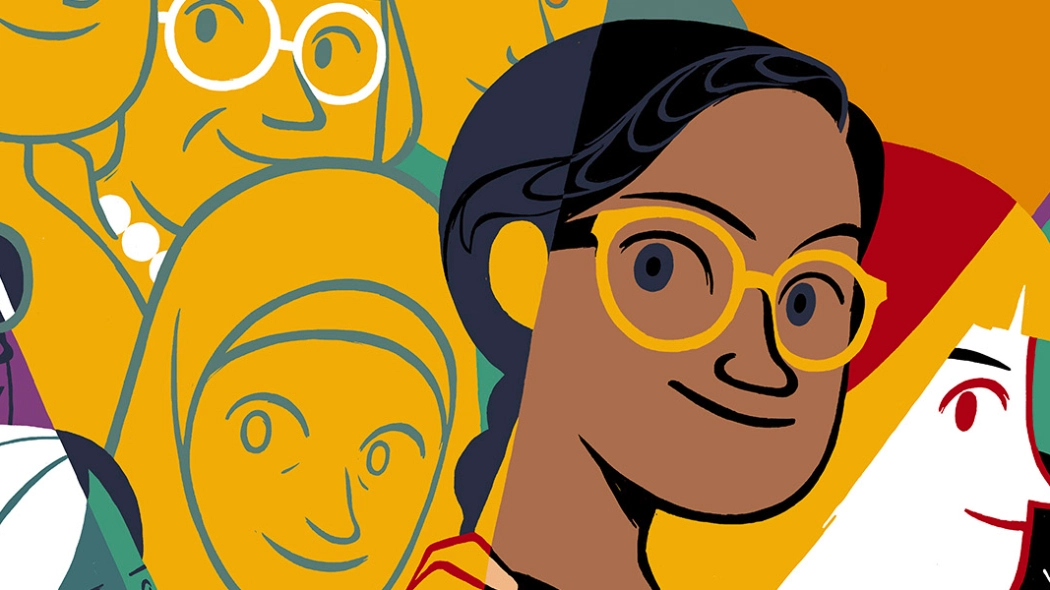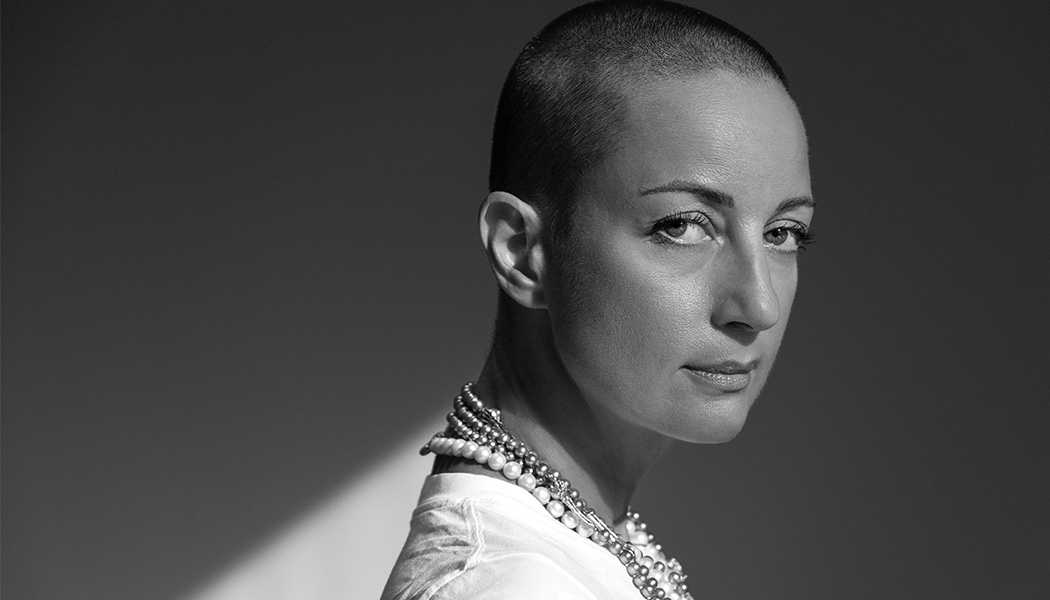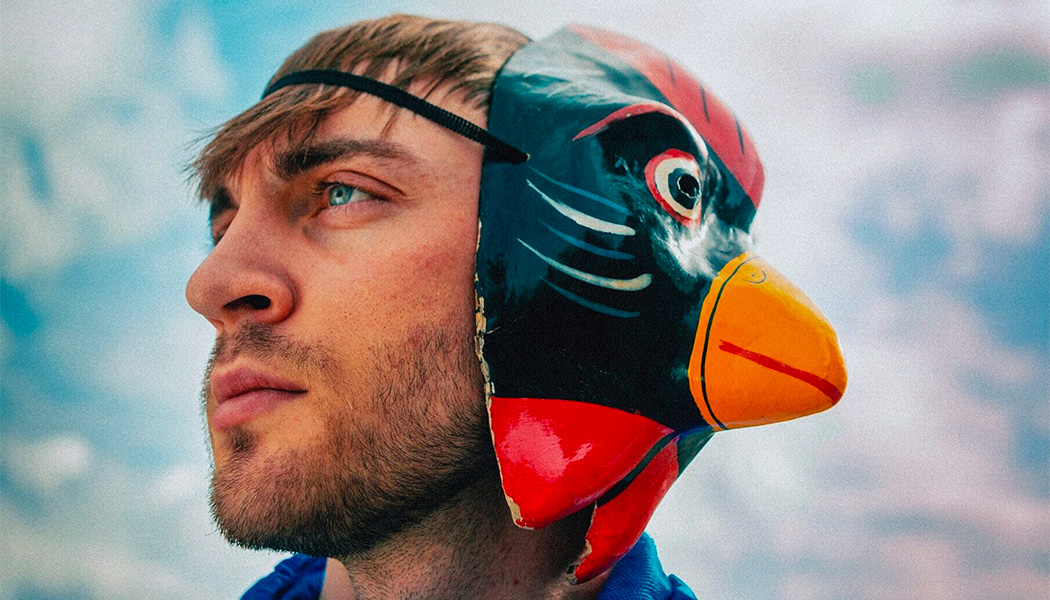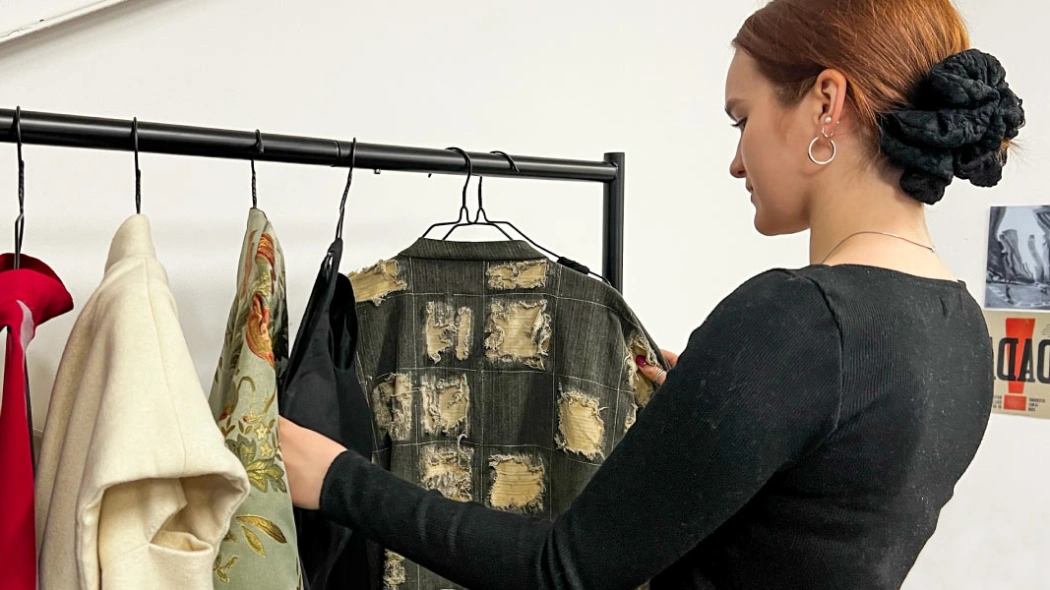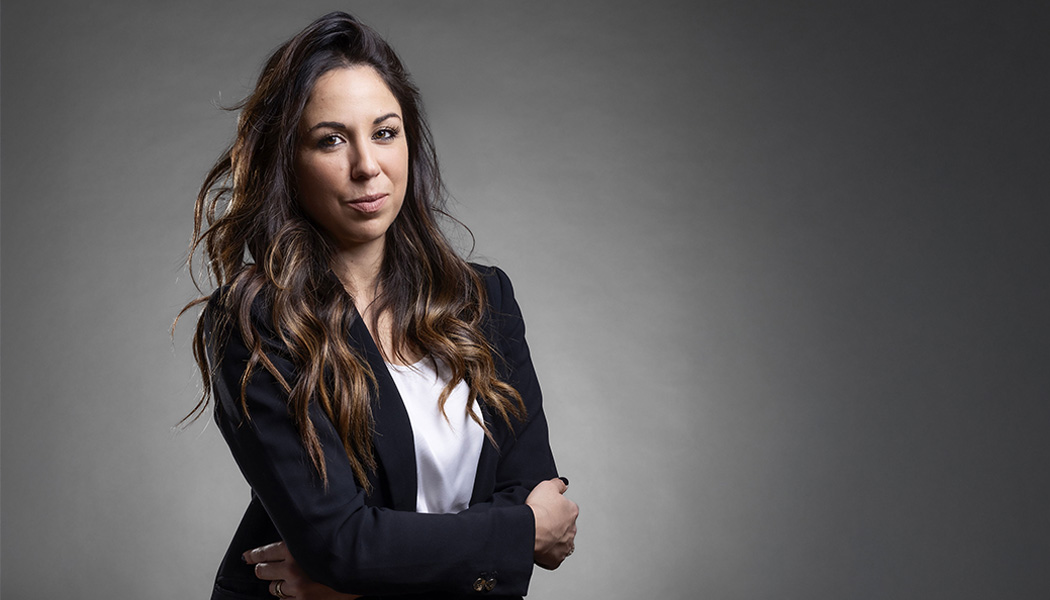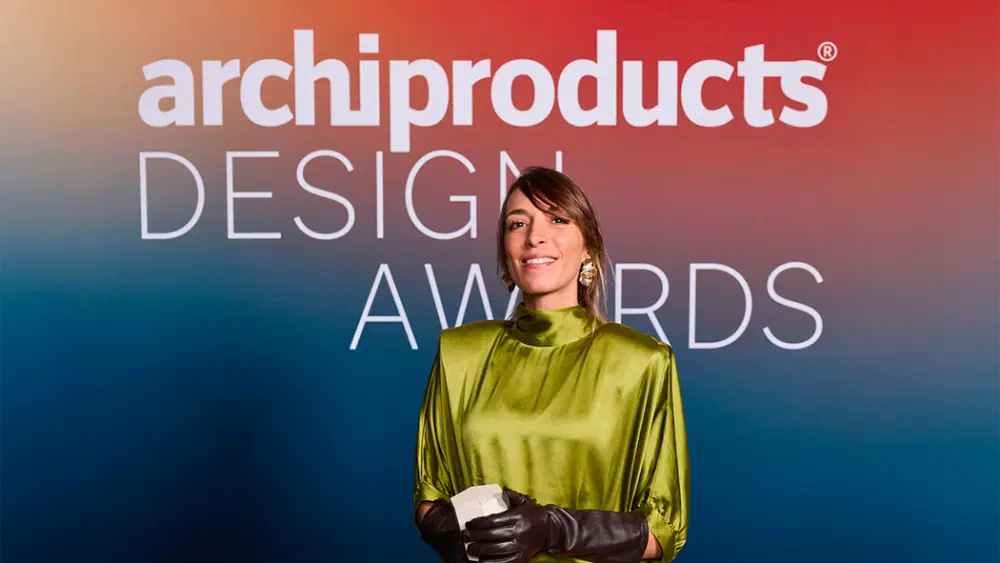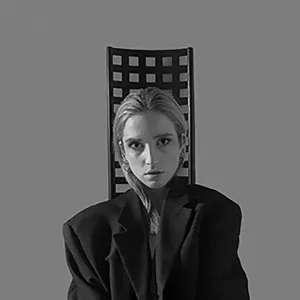
My name is Anna, I am 24 years old, with blurred vision and a confused mind.
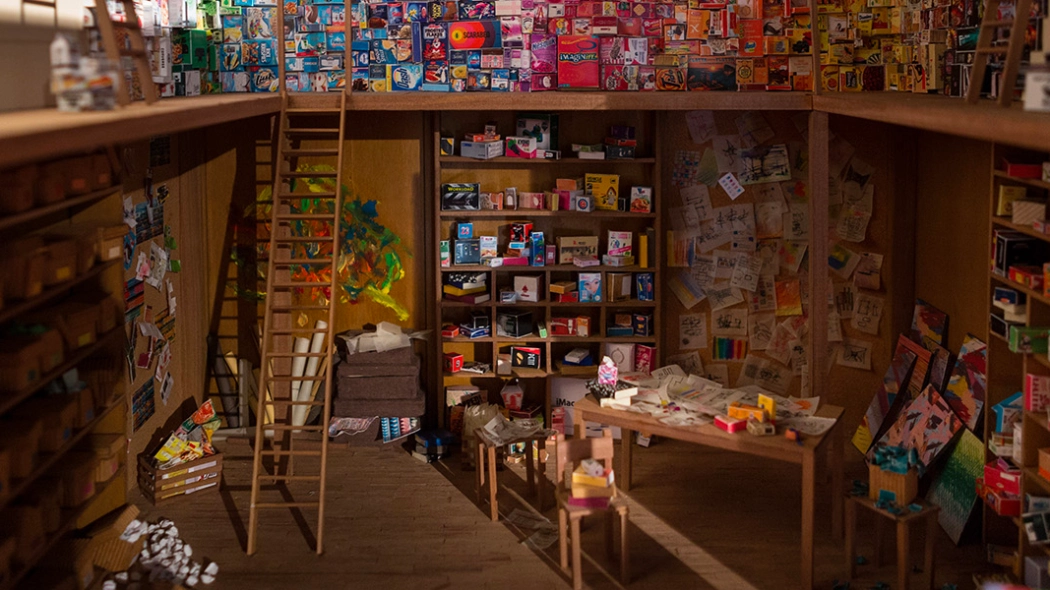
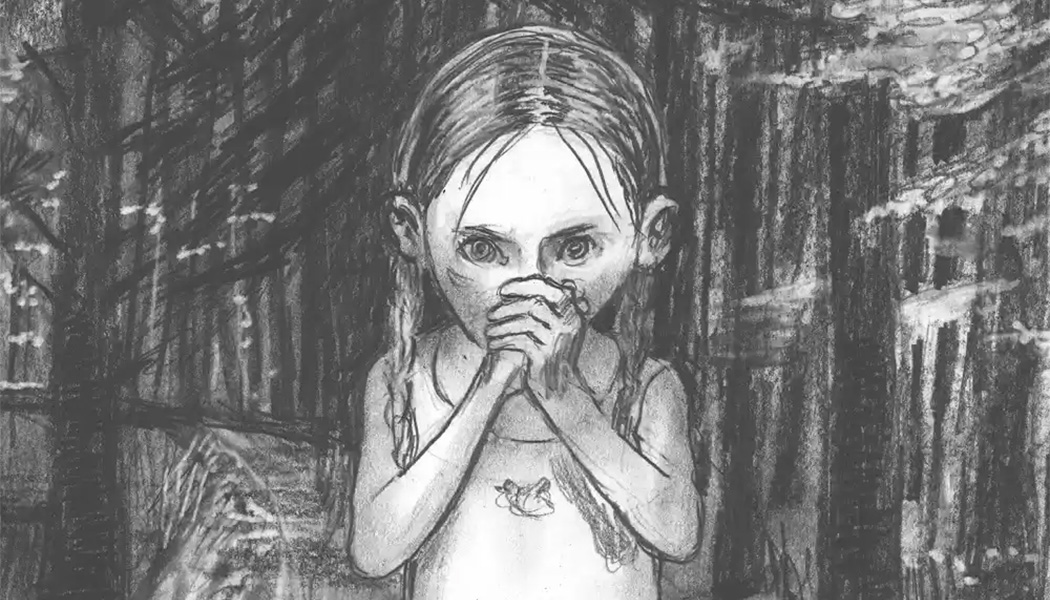
I live in a paper castle that falls with a breath of wind, but is rebuilt differently every day. I walk with my head down because I trip over ants. My head is full but my mouth is closed. I am not short of words, but they only come out at the right time. I drink coffee not because I like it, but because that is what people do. I sleep with one foot outside the covers, otherwise I risk being swallowed. I collect moments because I am afraid of forgetting. I wander without a destination. Hyperactive. If I stop, my planet stops spinning. I wait. I am always waiting, for what or for whom I do not know. I wait. I like places without an identity, places that can be everything and nothing. I always have a blank sheet in front of me. It often stays clean for days. I build in order to destroy. Isn’t that how it works? I start many games, but I never finish playing. I do not like the word end. In progress. If I put a full stop, I cannot pick up where I left off. I wish I already knew who I am, but who knows? I know what I like and what I hate. But that can change. My design approach pushes me to do this. I read a lot, sometimes too much because I want to know.
I digress, you can see that, but I have my own order. I should have introduced who I am and what I do, but I got lost in a glass of water.
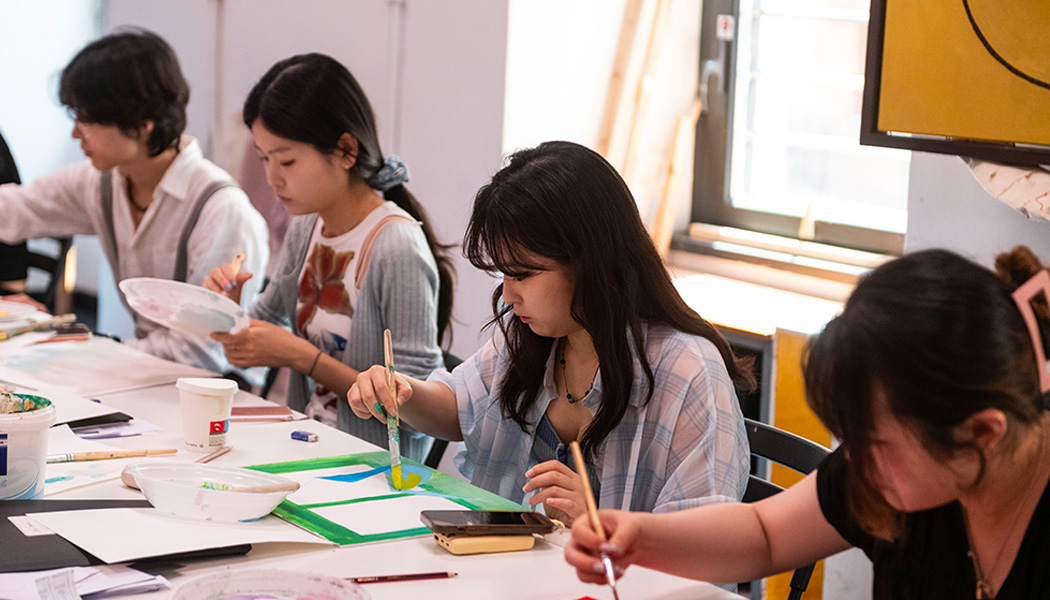
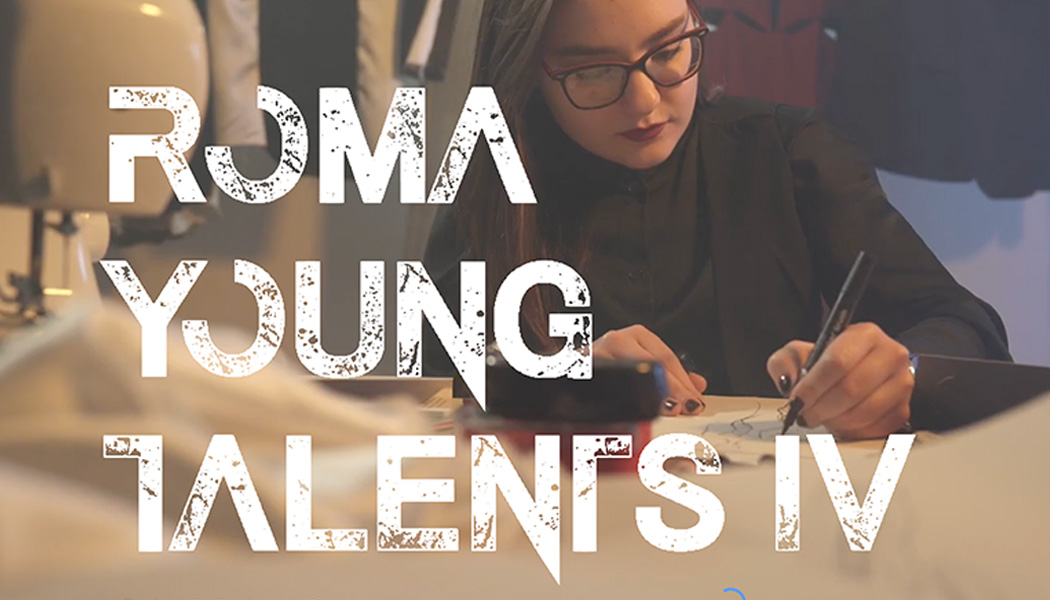
I am a graphic designer, graduated from Rufa, Rome Academy of Fine Art in February 2020, with a multifaceted approach shaped by constant influences. I then completed a Master’s training programme in Visual Communication for Fashion because I thought it was not enough. But this is only a small part of me, a fragment, not the whole. I am an explorer who has not yet discovered where to go.
I DIDN’T FINISH IT – The Aesthetics of the Unfinished
Perhaps a beginning (incipit)
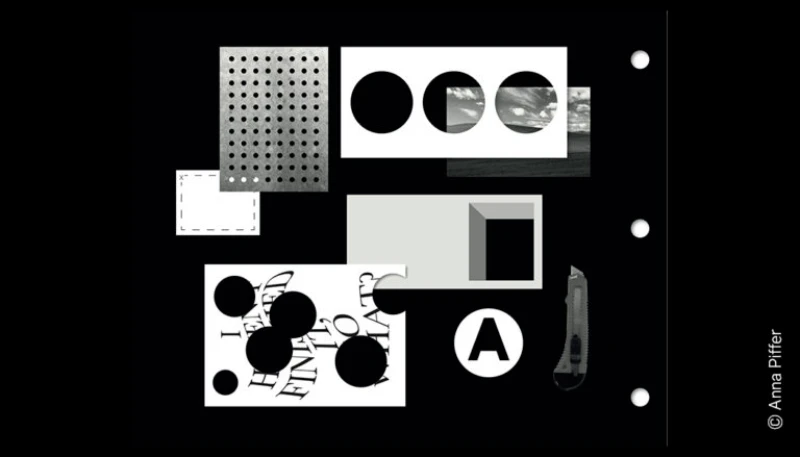
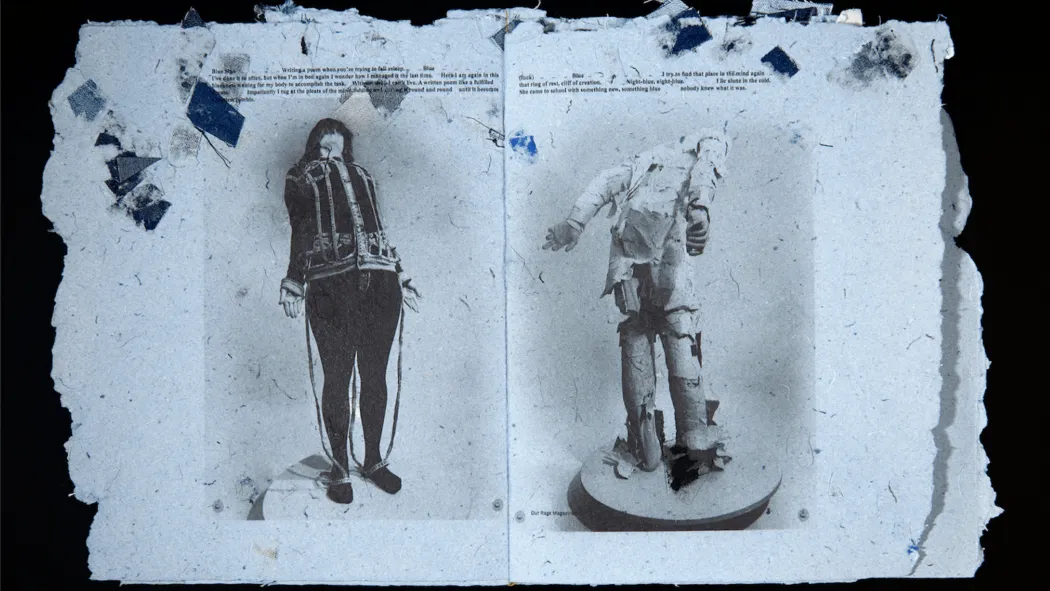
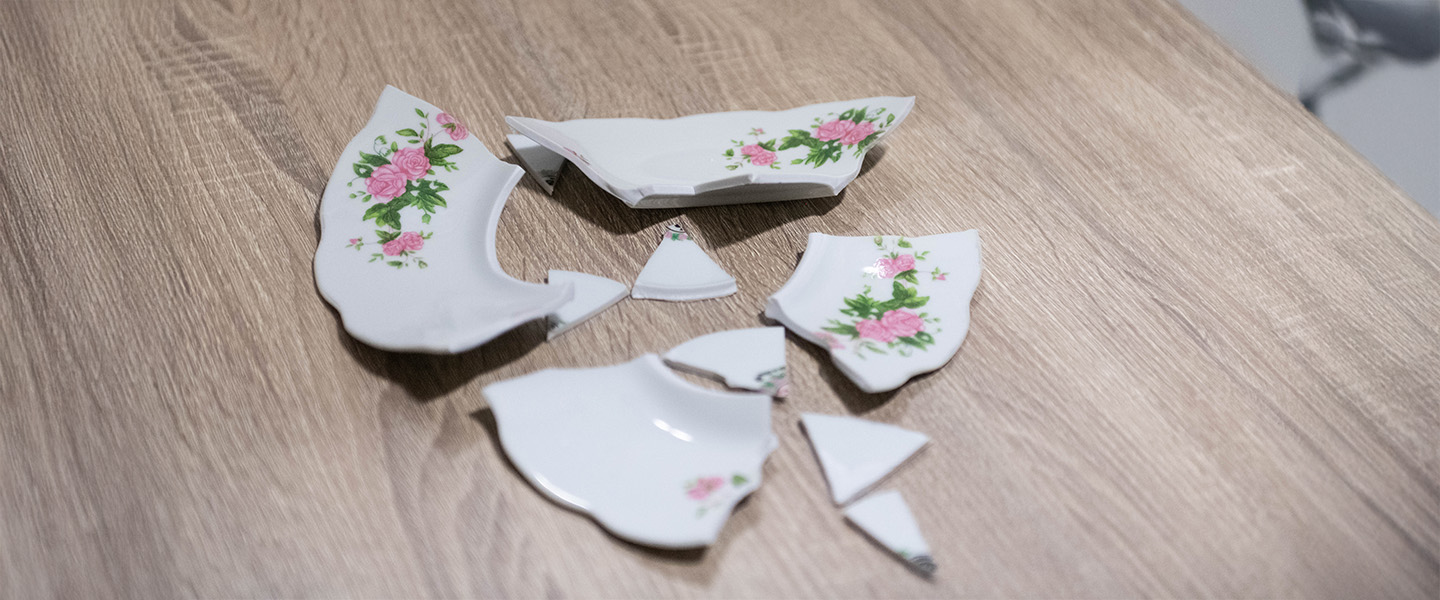
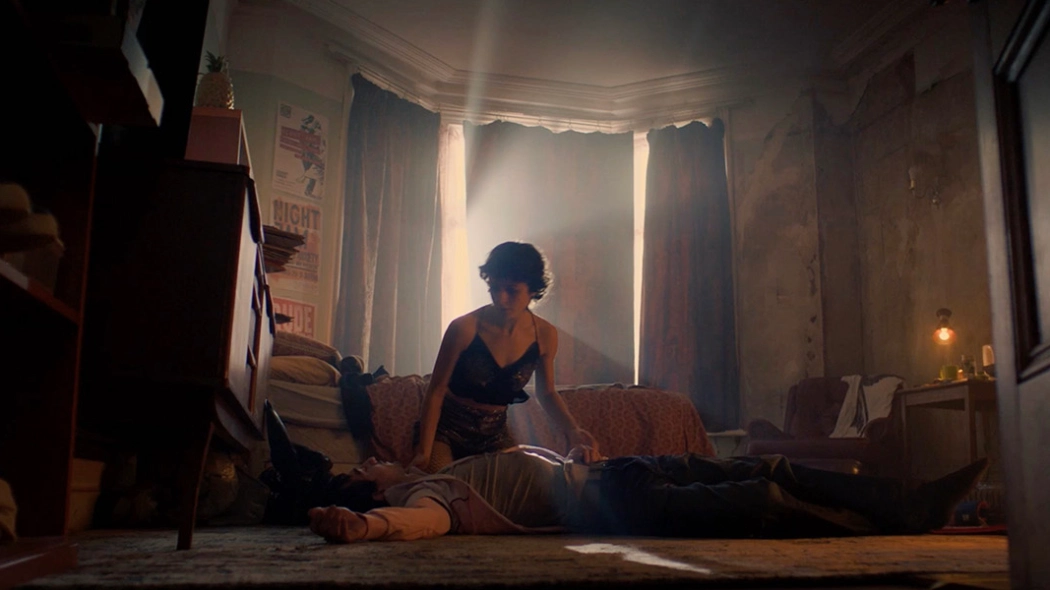
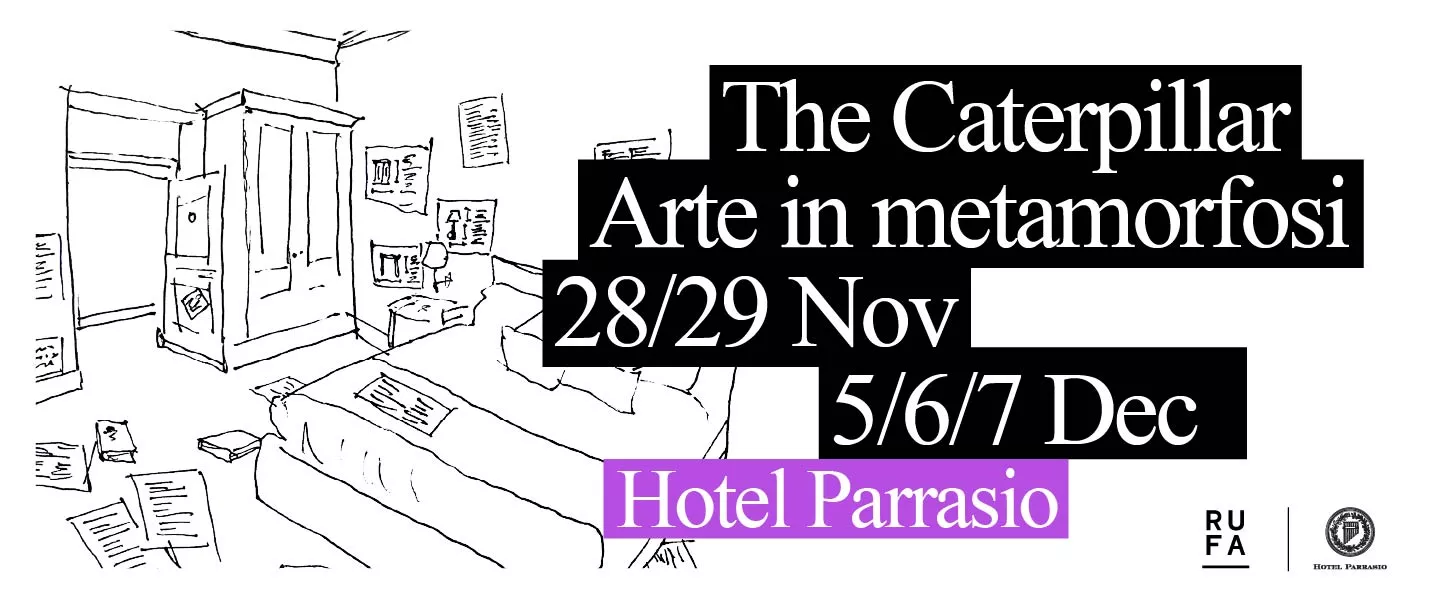
In my room I think there are more things left halfway than completed. Pieces of something that was supposed to be but is not. Piles of material that were meant to become finished works, but remained scribbles scattered across the floor. A puzzle full of missing pieces.
Rubbish to many, ideas left suspended.
Some describe it as a pathology, perhaps laziness, but leaving things halfway is more common than one might think.
We see these half-realities as scaffolding for something definitive, useless in themselves.
They remain there, suspended in space and time without an identity because “they were supposed to be but are not”.
The anxiety of finishing, but also that of not being able to, collide in a struggle that very often ends in surrender; putting something away and not seeing it is easier than putting a full stop.
The voice in our head tells us you will finish them, perhaps, in the future, not today, I have better things to do.
A little air may help you find the idea, a break and then back to work.
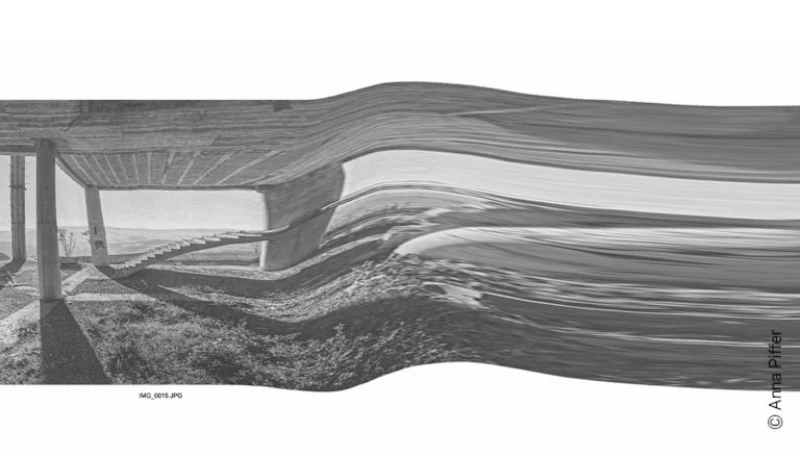
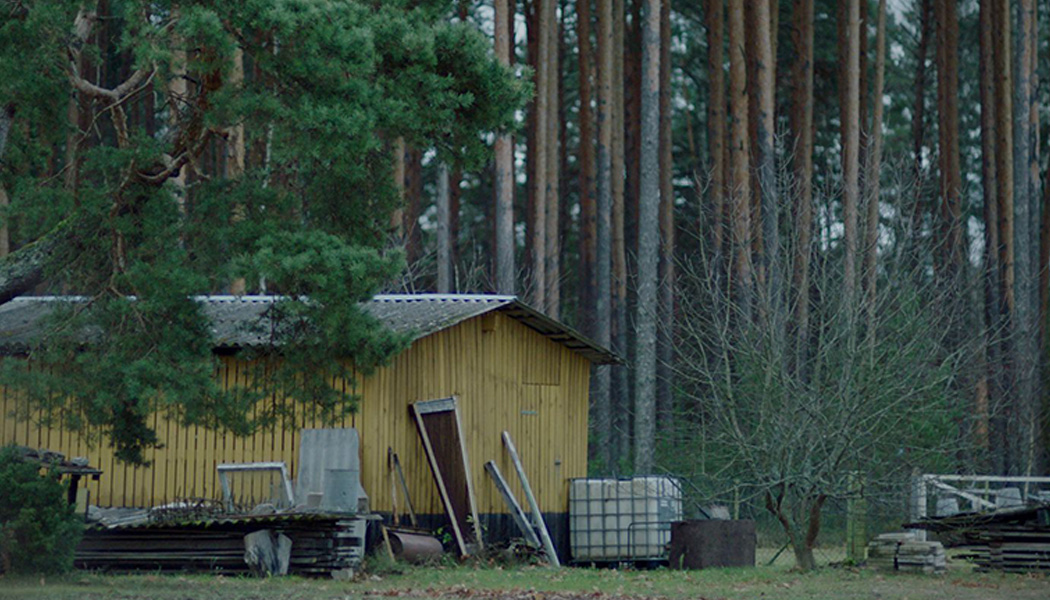
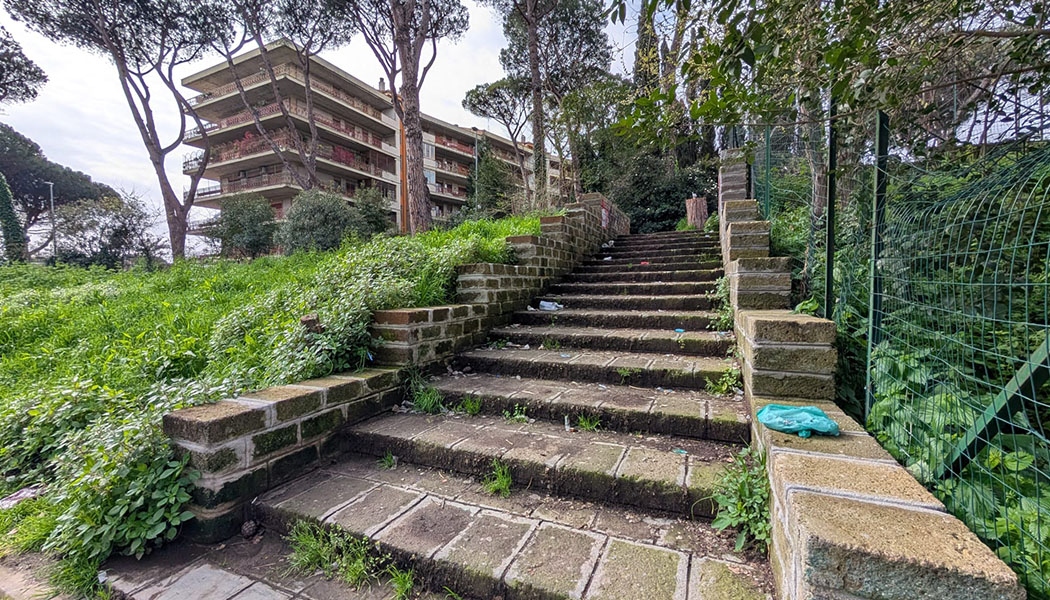
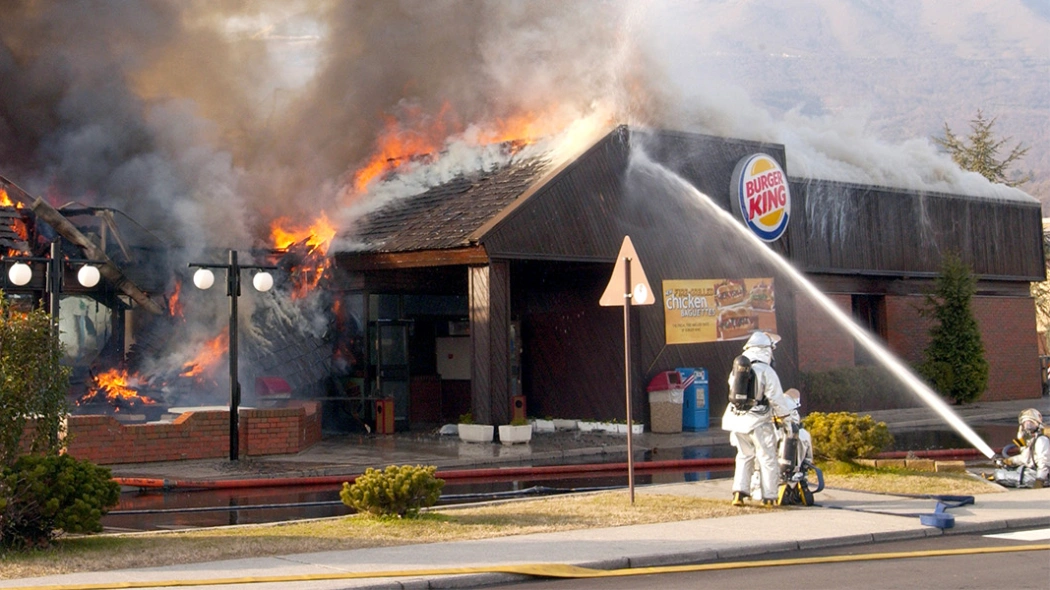
Even in the streets I perceive this incompleteness. A house missing its roof, windows without glass, walls without doors, rooms without walls; they have not collapsed, they are not ruins from the past, they have remained there suspended halfway, unfinished projects, architectures that on paper had their own identity, but on the street have changed their face and remained there, between being and not being.
They become the result of an absence in the eyes of those who look at them, ghosts of what they would have been.
People look at them with eyes full of negativity, describing them as the rubble of an incapable administration.
We try to imagine what they would have become, what those houses would have been like if people lived inside them, how children would have played in that park or cars might have travelled along that road; we see what should have been, but not what is.
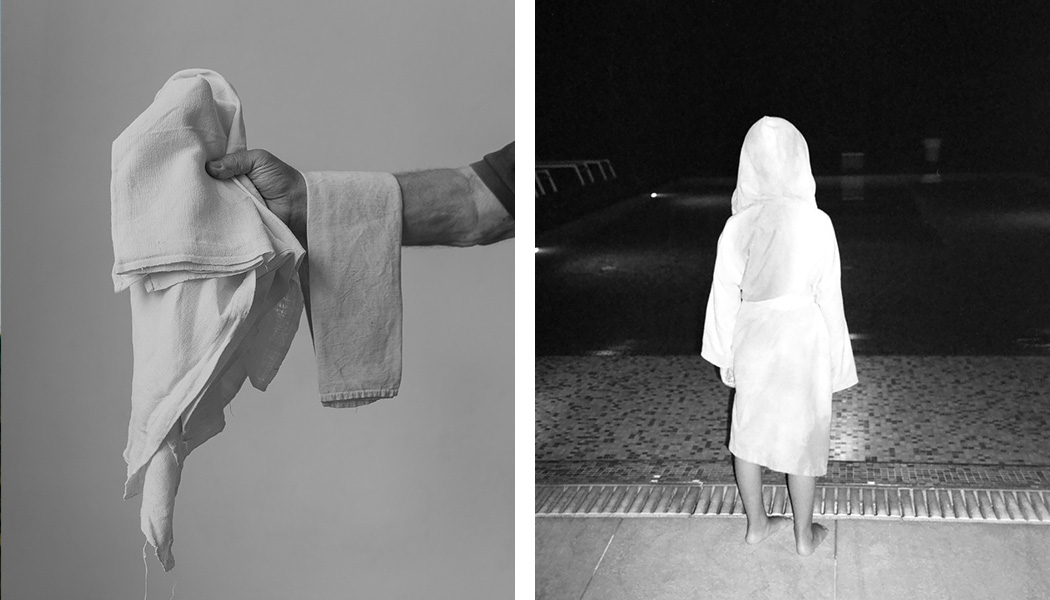
We cannot imagine a house without walls, or a swimming pool without water inside it, because within our preconceptions we have an idea of what it is and cannot free ourselves from this restriction, we cannot perceive it in a new way.
Perhaps living in a house without a roof gives us the freedom to see the sky.
Opening our minds and seeing space with new eyes, without clinging to the idea of what it might have been.
They are no longer ruins of a future that will never happen, but new places, born to be this way.
An unfinished thing leaves us free to imagine whatever we want, it leaves room for a new way of seeing, because it frees the mind from those barriers we are accustomed to, the known.
So yes, they are not unfinished, but made to be this way, parts of a new identity.
I tried to see these unfinished works in a new way and go beyond what they are.
To see them for what they are and appreciate them precisely for their “strangeness and diversity”, enhancing them as works in their own right and not as construction sites or abandoned ideas.
The idea behind this project is to create an actual movement that includes any type of artefact that has remained, let us call it halfway, and understand it for what it is, enhancing
its flaw not as such, but as an added value, the opportunity to become something new and therefore have a new function.
A much broader style, which sees architecture as its highest expression, but which includes any kind of lesser-known or less visible art or artefact.
But also a form of life, because who is ever truly complete, who can define themselves as finished and complete:
enhancing what is missing as a strength rather than a flaw.
A work that can be described as experimental, strange or perhaps even absurd, or by others who will read it as “the waste of time of someone who did not know what to talk about”, but as a work that gives anyone the opportunity to try to see things differently, not to be influenced and to understand that not everything is born to exist in only one way.
And that perhaps feeling incomplete is not only a form of discomfort that limits us in our daily lives, but a way of enhancing ourselves precisely through those “gaps”.