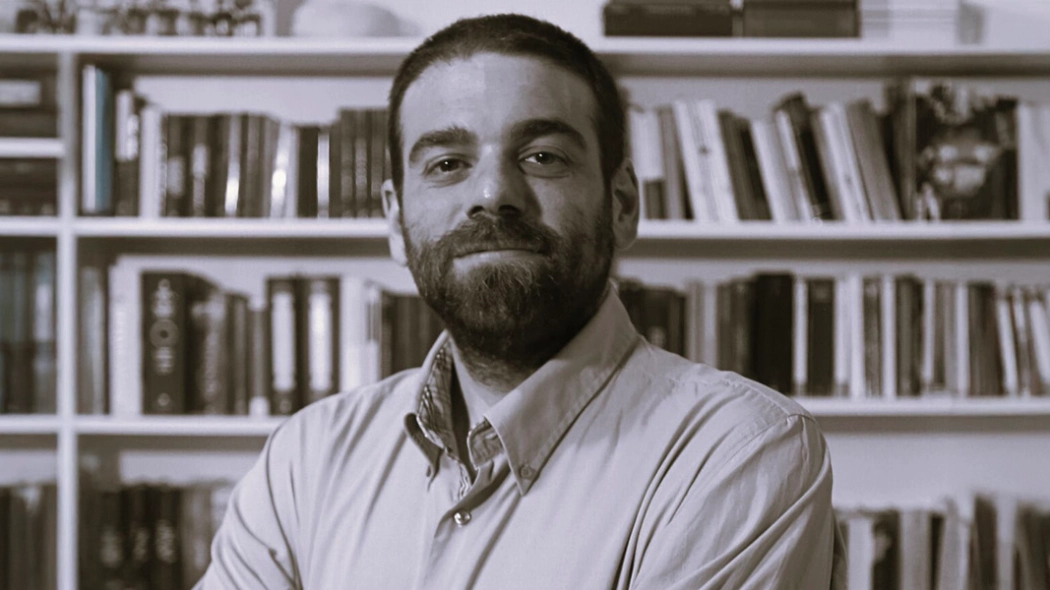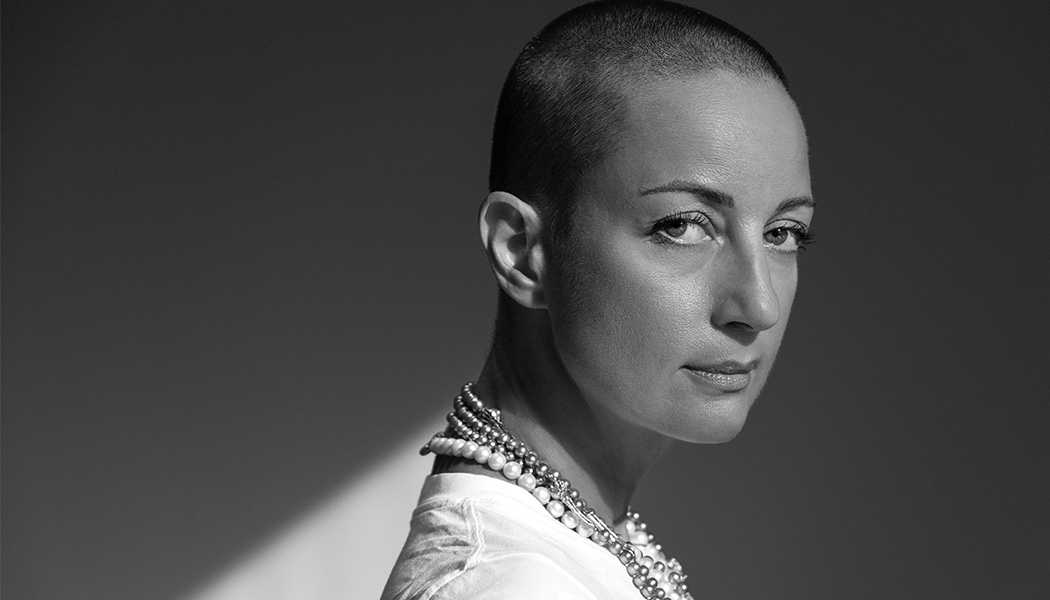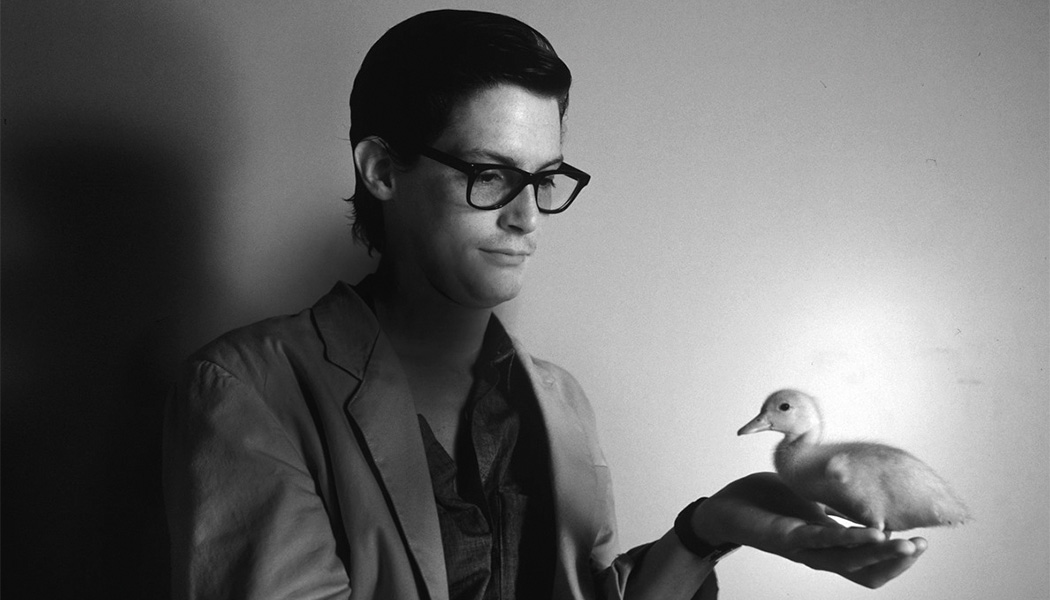
Claudia Matarazzi was born in Rome under the constellation of Aquarius. Astrology has never played a crucial role in her life, but being able to say that her elusive, creative, somewhat bipolar nature and the fact that she is always on another planet are due to this has helped her get out of many uncomfortable situations.
She attended a classical high school and, after graduating, decided to begin studying civil engineering. Only a few months passed before she made what was, for the time being, the most important decision of her life: to quit.
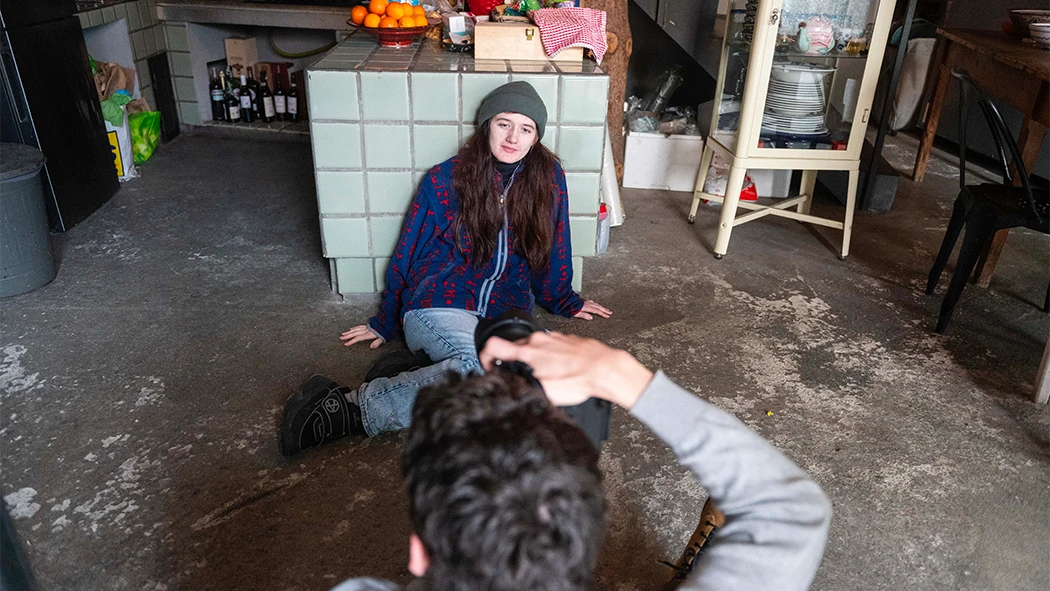
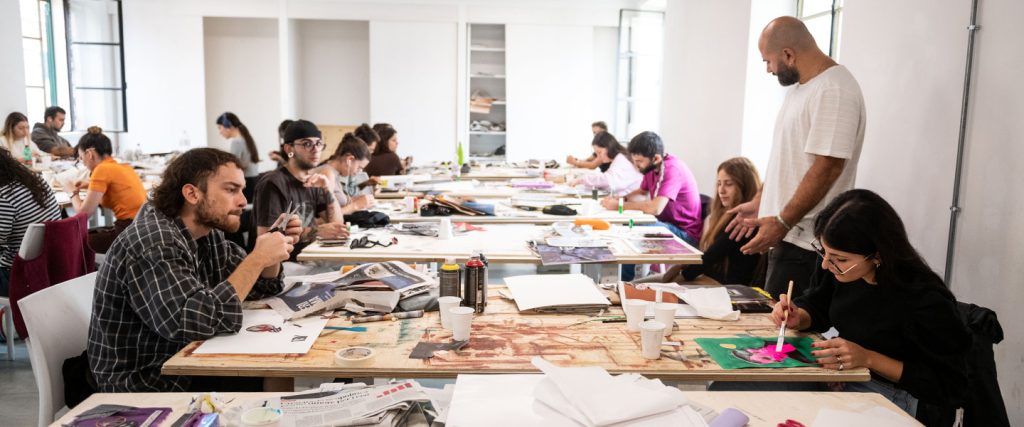
She decided to focus on some of her greatest passions: food and design. She began working in a kitchen and enrolled at Rufa.
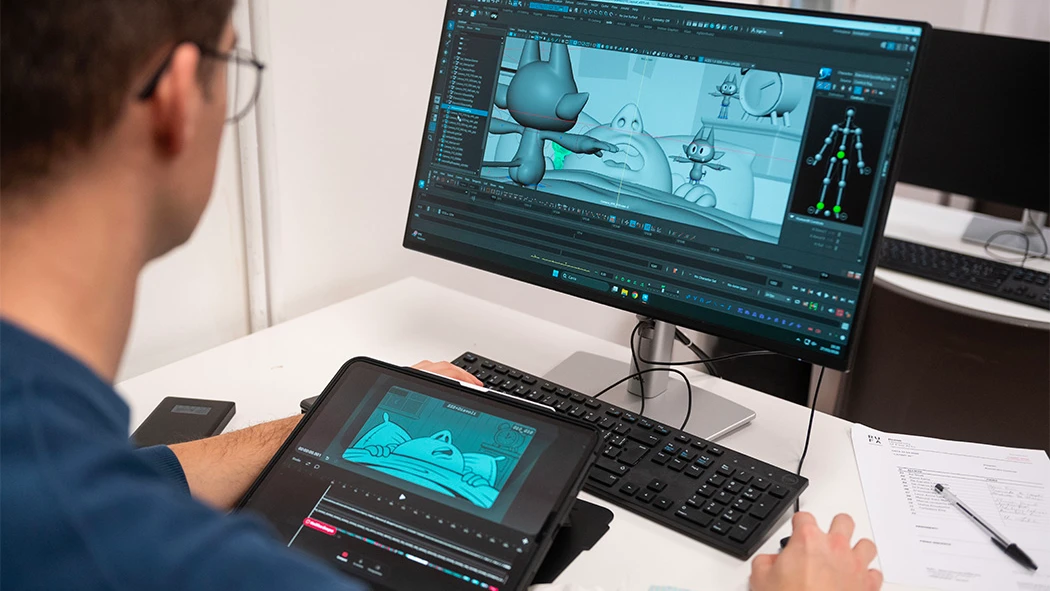
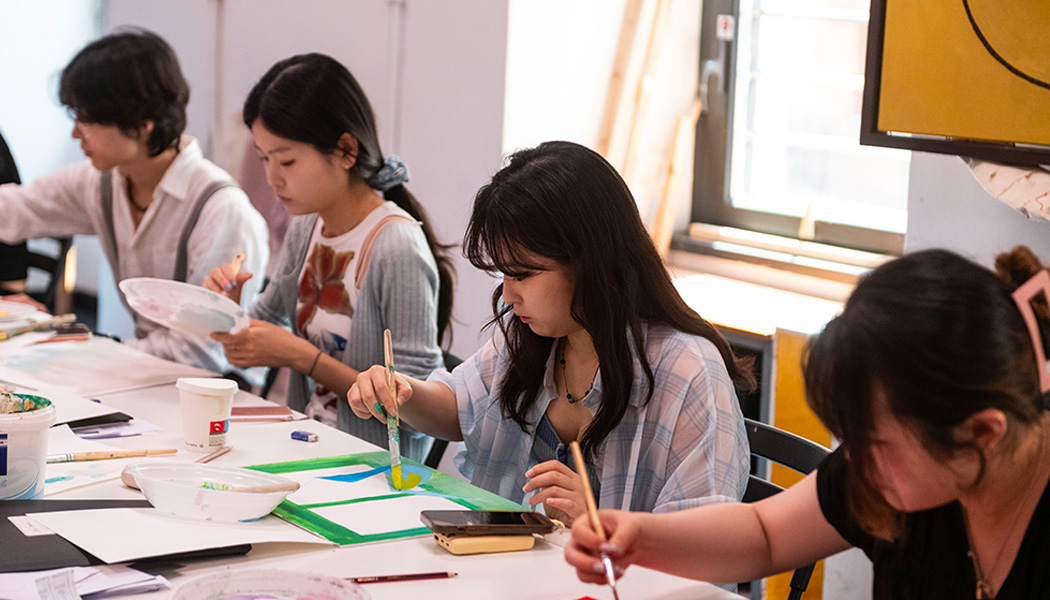
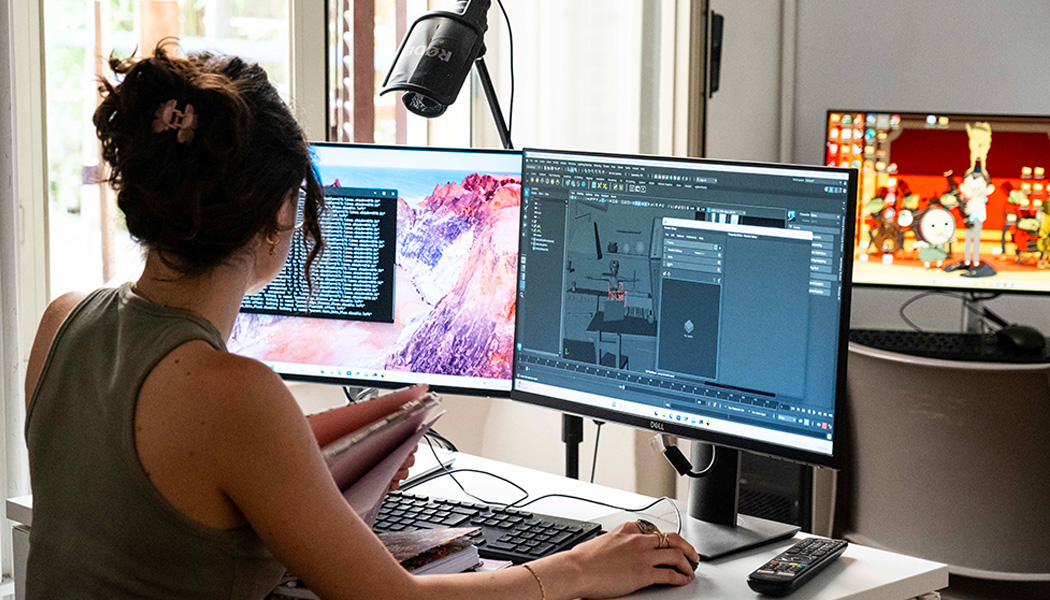
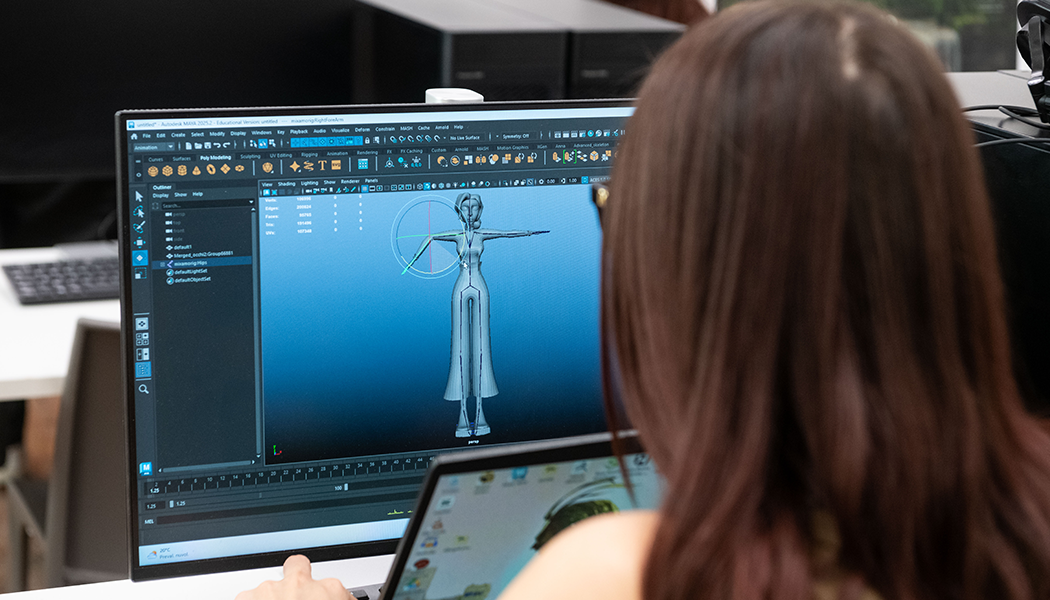
At the Academy she found herself. She developed a genuine passion for the history of design, design courses, and 3d modelling as a means through which to express herself. She became a bit of a nerd, and the Academy became her home. Her love for interior, but above all for exhibit design, took her to Milan, where, after attending a master’s programme and exporting the true carbonara recipe, she found work at a renowned event design studio where she works on interiors, but above all on haute couture fashion shows, international events and window and show-room installations. Claudia is happy, but she is exhausted.
Centonove: il segreto degli oceani
Centonove, Il segreto degli oceani was conceived as a journey of discovery in search of a new awareness, accompanied by images from National Geographic and colours from Pantone.
In this space, the public can touch, understand and immerse themselves in the seemingly distant underwater world of coral reefs and the ocean. With the aim of bringing people closer to, informing them about and raising awareness of the underwater heritage we are losing.
The event is set against the beautiful backdrop of the fishing village of Marzamemi, in Sicily, in its beating heart: the tonnara, Piazza Regina Margherita and the Balata.
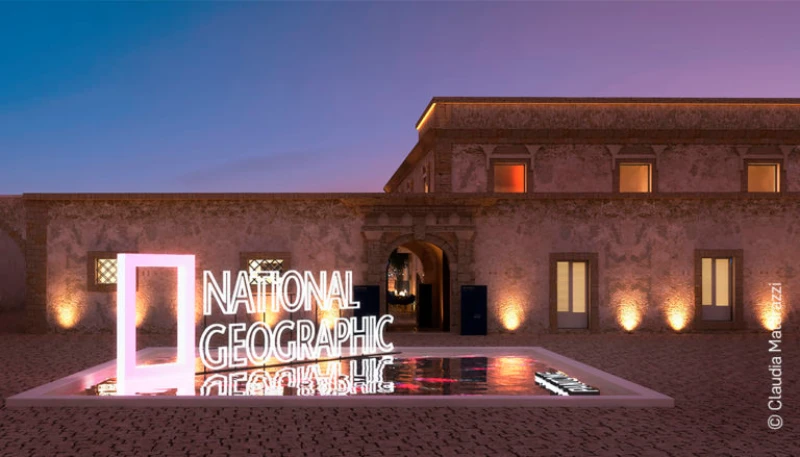
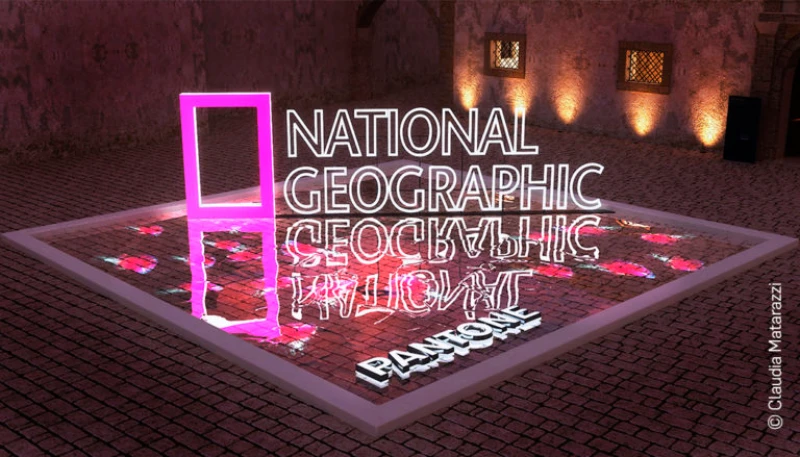
It begins in the village’s main square, where an installation was created architecturally from the graphic combination of the two logos. The lights of the National Geographic gateway recall the colours of the wonderful marine creatures projected onto the water of the fountain.
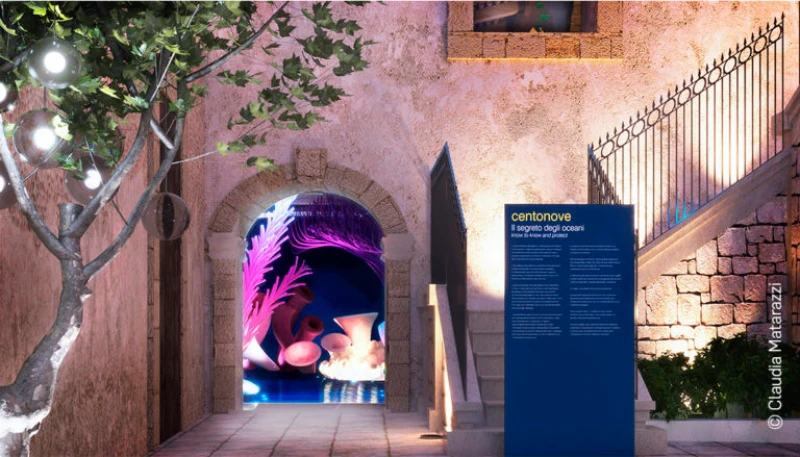
Once inside the Tonnara, visitors enter the inner garden, where a lounge area has been positioned before the actual entrance to the exhibition. Most of the furnishings are part of the Kartel love the planet collection.
The exhibition has been divided into four macro areas: Discover, Experience, Know, Understand. Following the route, the public is guided by the hand through the themes of each room. From stairways to installations, through plays of light and colour, the visitor is immersed in the emotion of Centonove.
Discover is the first area reached, it is dark and recreates the coral reef to scale. The majesty of the reef makes the visitor feel like a fish in its habitat, the corals are made of soft silicone, they move and can be touched, while the lights and sounds of water add realism to the environment.
Next, visitors encounter a thousand luminous bubbles, recalling ocean currents, which lead into three spaces where augmented reality makes it possible to swim with dolphins, sharks, manta rays and many other fish.
The third area is dedicated to the photographic exhibition of David Doubilet, an underwater photographer. The exhibition was conceived in a fluid and organic way, its form recalling the trail of waves and the lightness of water. At the centre of this area there is a water tank with a fragmented curved ledwall intersecting with a wooden frame that echoes the NatGeo logo.
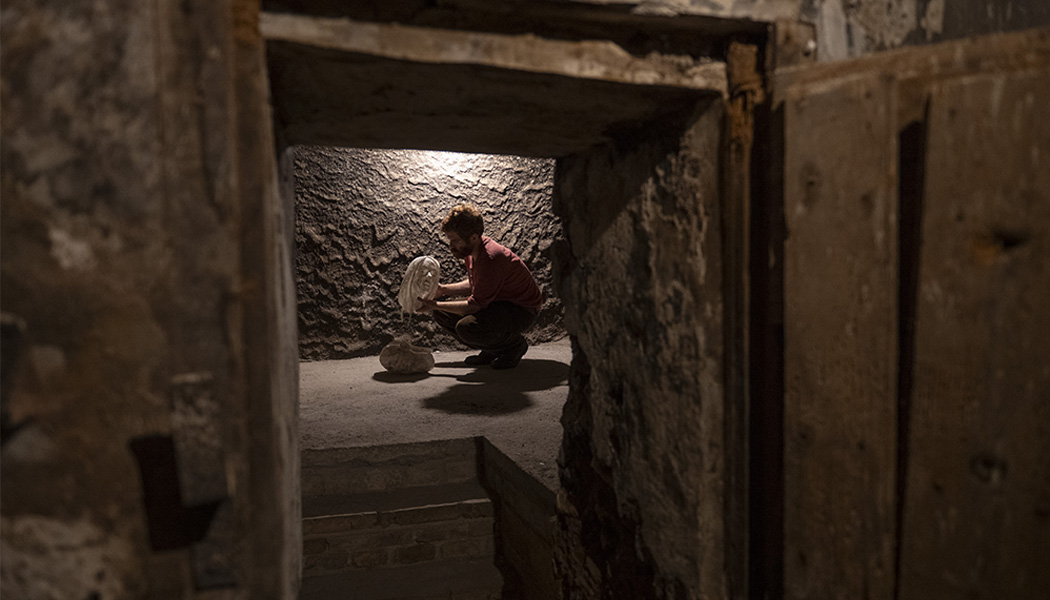
The final area, understand, was once again designed in darkness with a faithful reproduction of a reef on one side.
This reproduction is entirely white, made from Secore’s experimental bio ceramic, precisely to symbolise reef bleaching caused by climate change.
Through a touch screen, visitors can literally bring the corals back to life. This metaphor aims to raise visitors’ awareness of the need to change the course of events and remedy the environmental disaster we are causing.
The exhibition ends by returning to the central courtyard.
At the Balata harbour, in front of the entrance to the Tonnara, a National Geographic gateway has been positioned to frame the village. In the same location, for the opening of the exhibition, a charity dinner was also conceived, held beneath a carpet of stars by the sea.