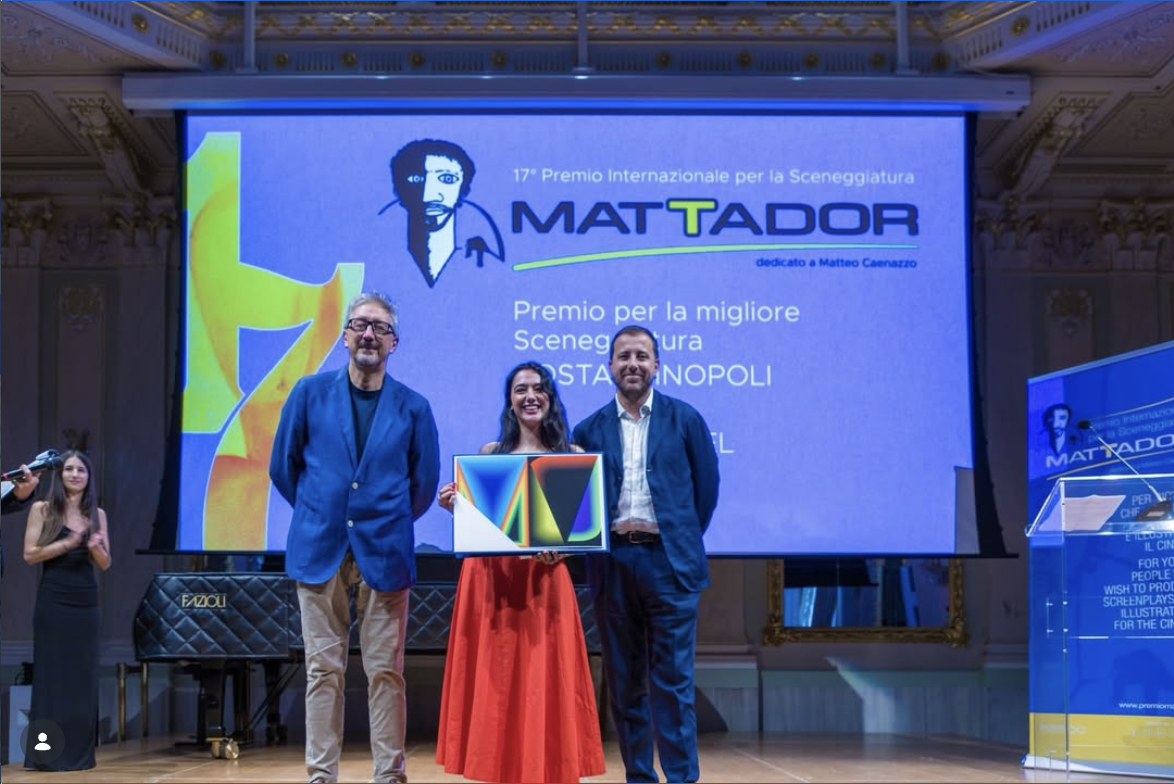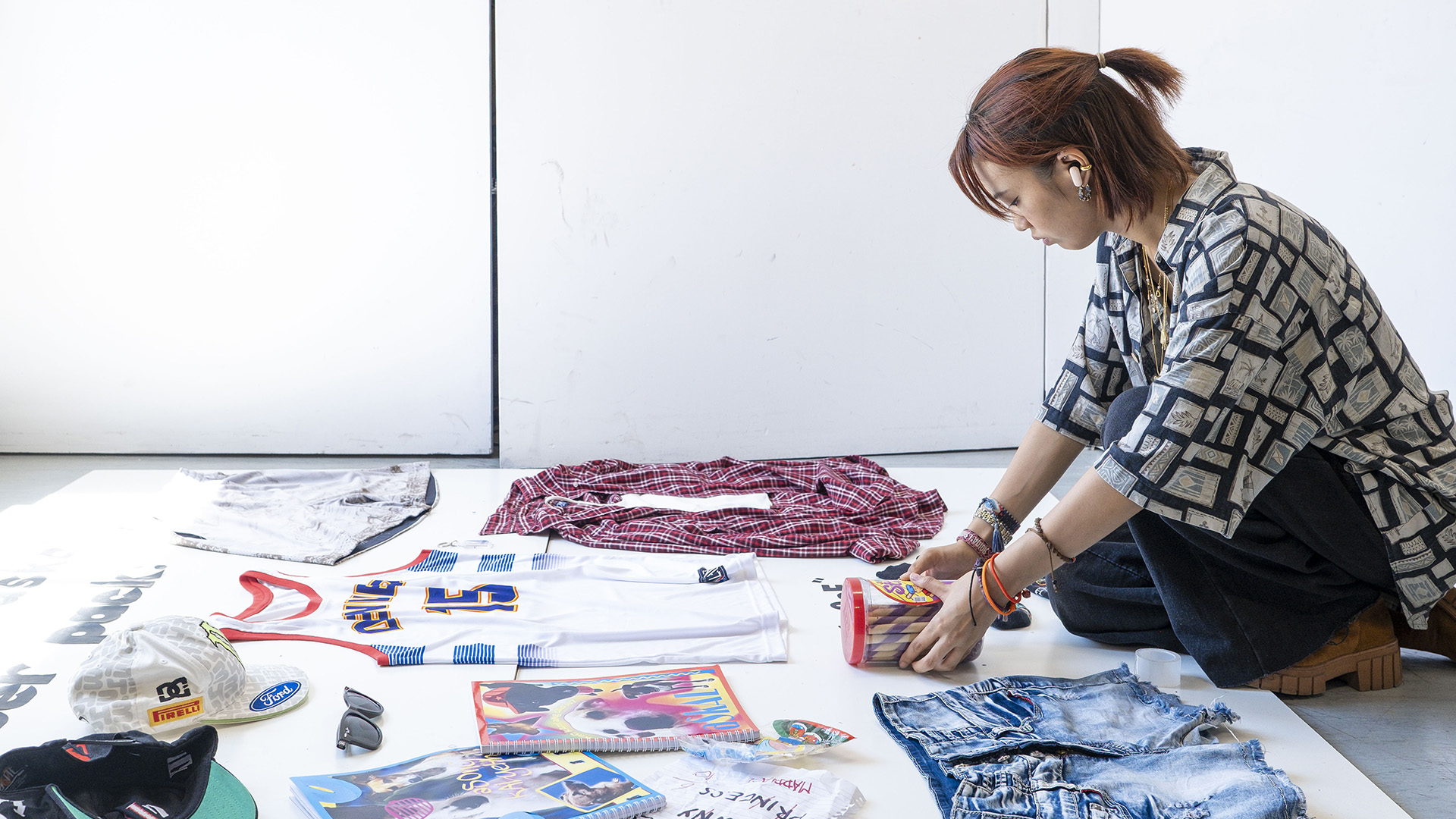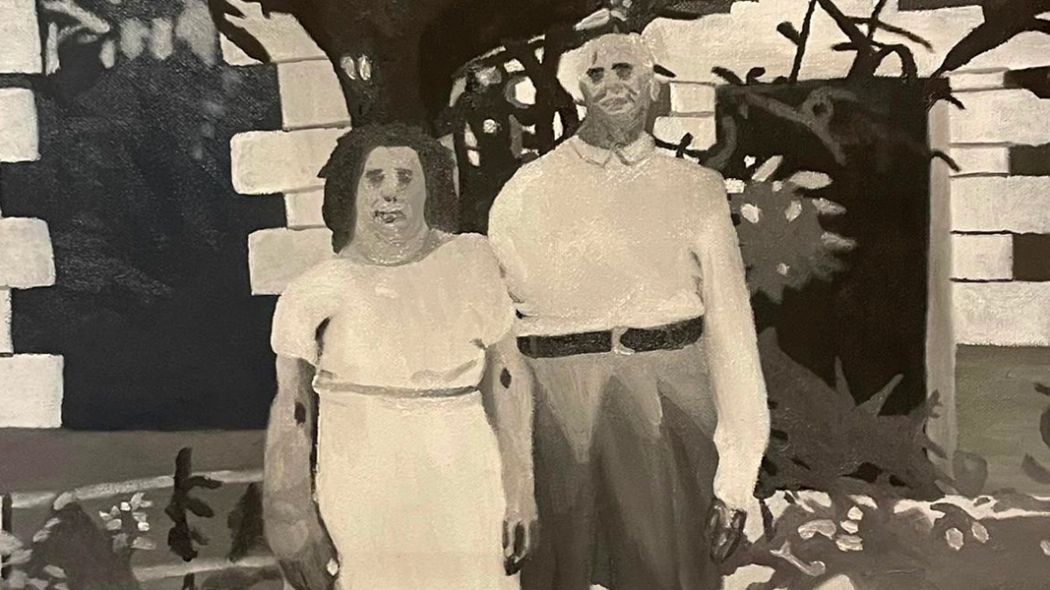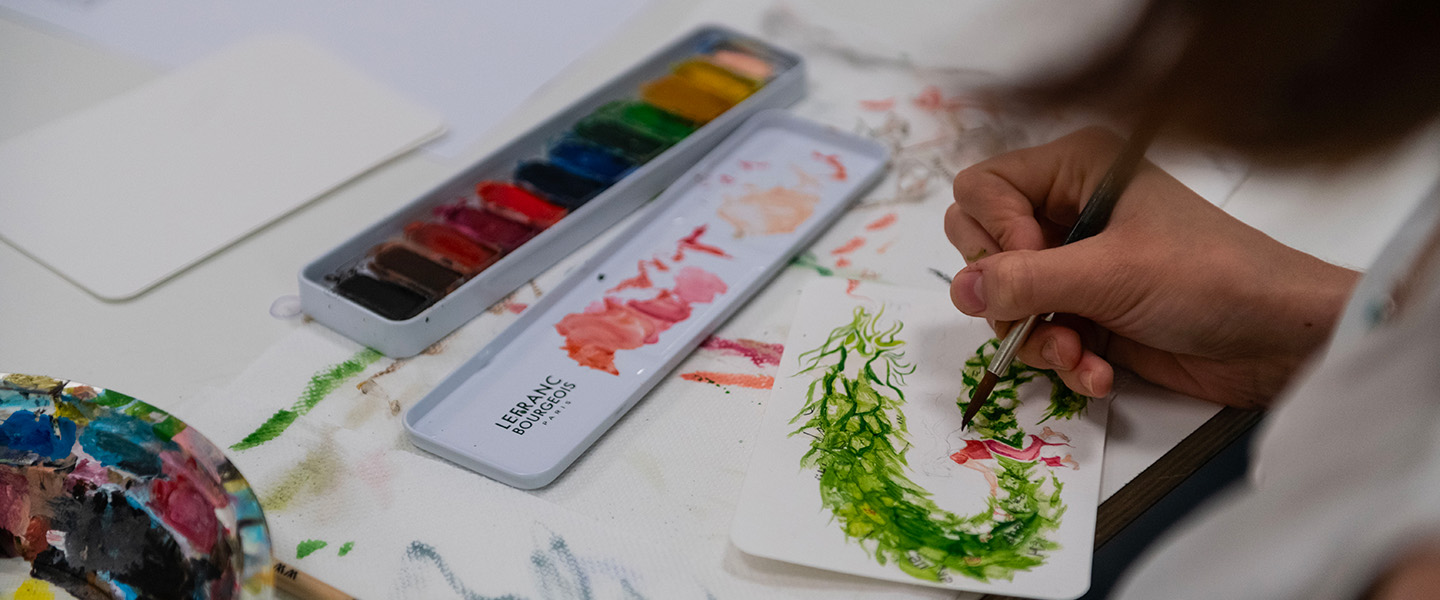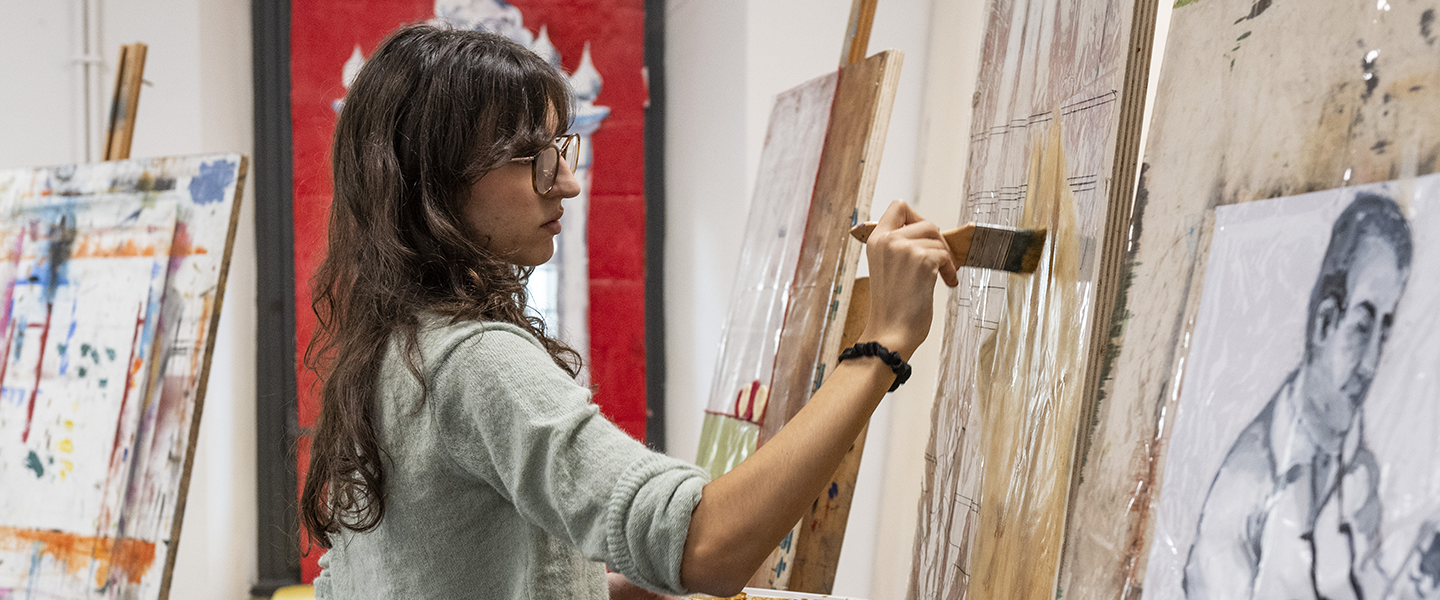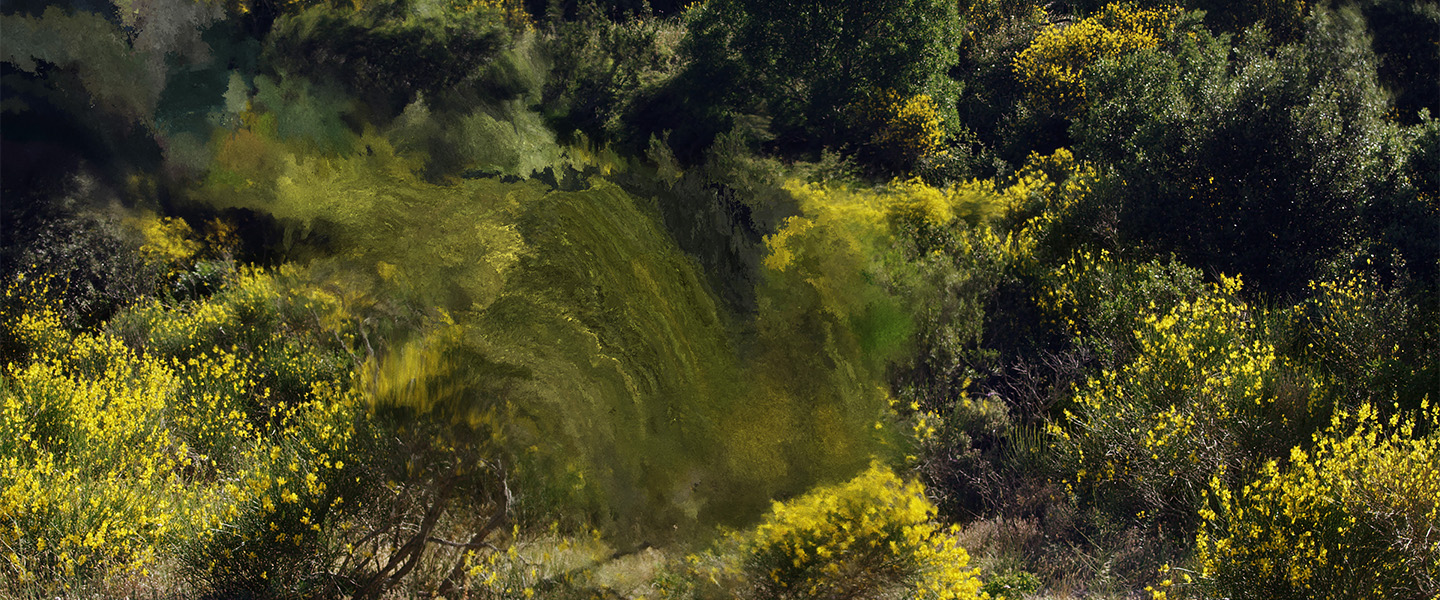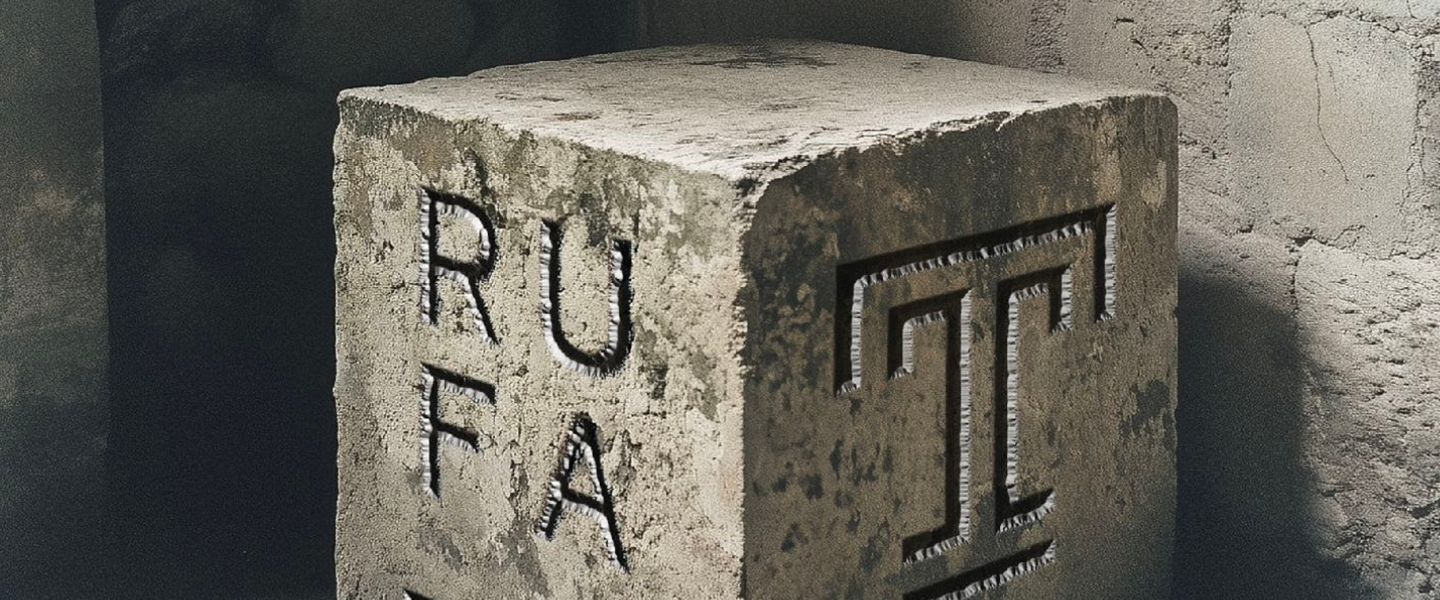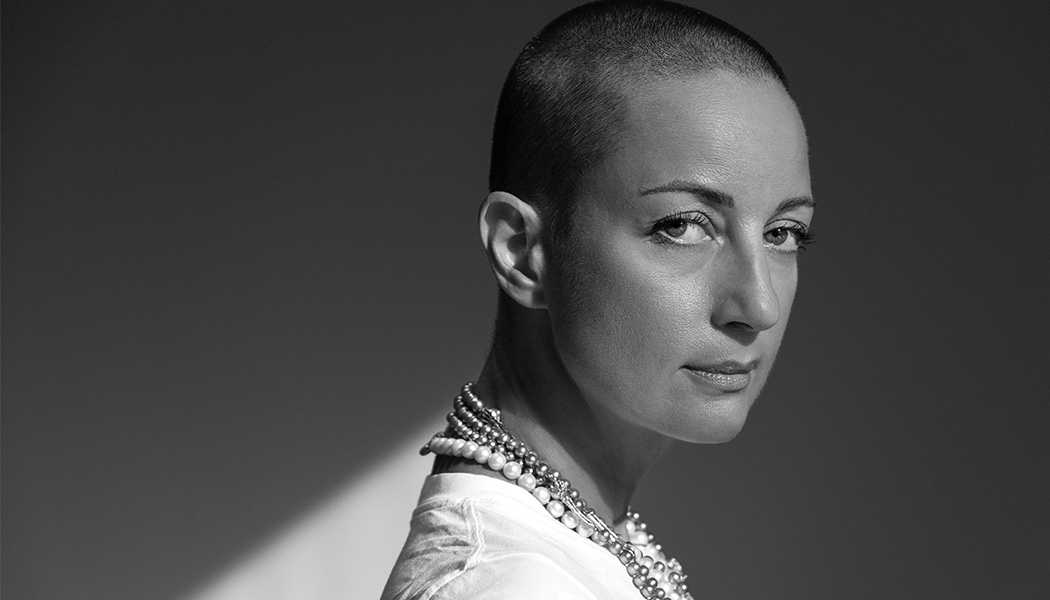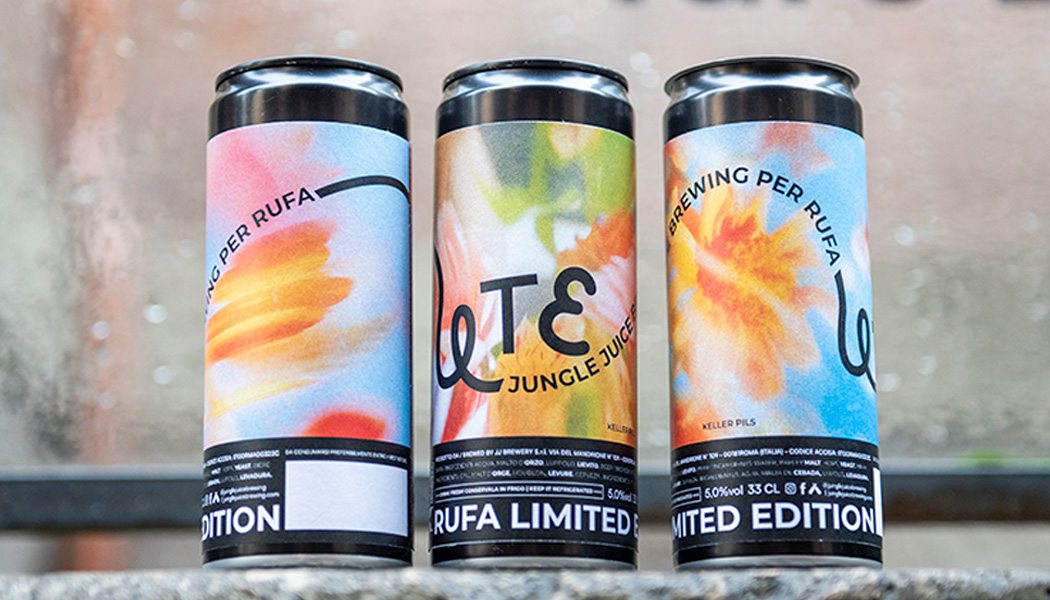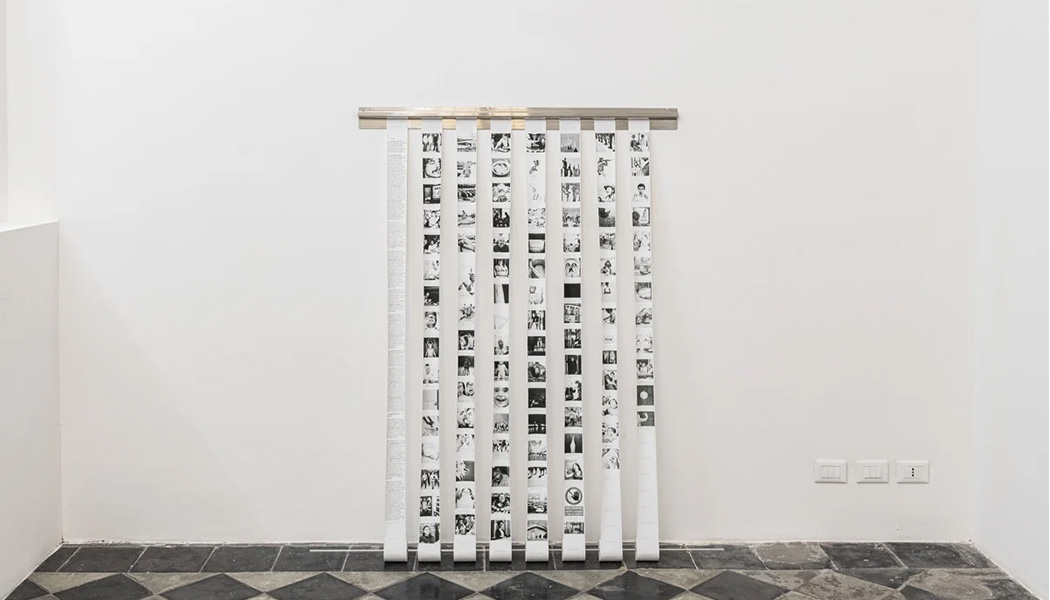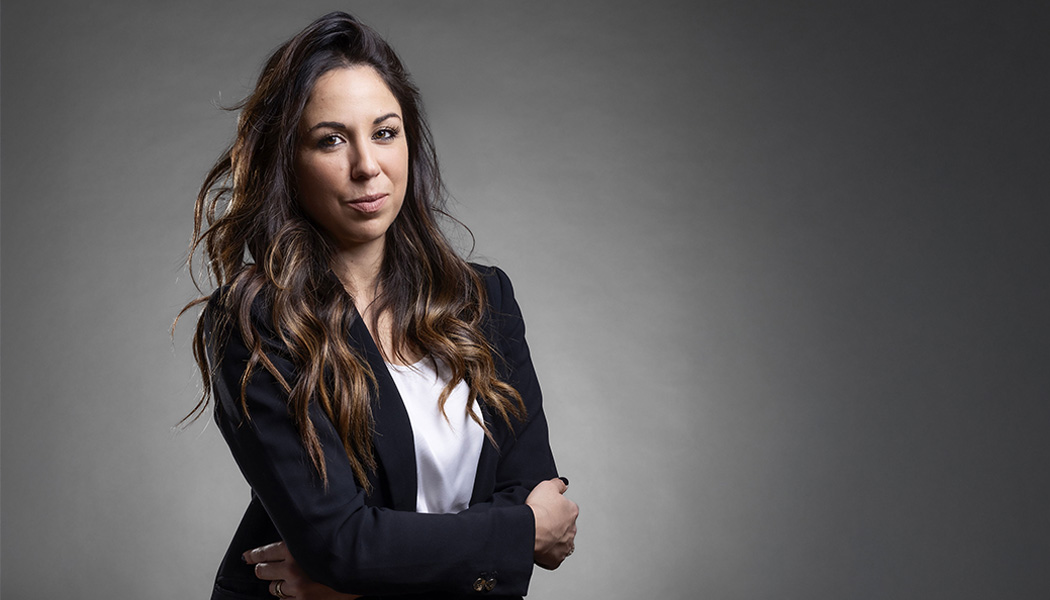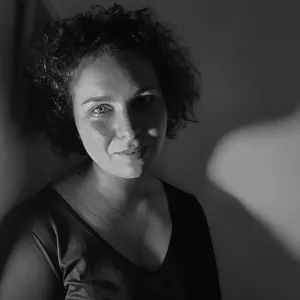
Maria Cavinato was born in Rome in 1996. Since 2017 she has been a student at RUFA Academy in Rome, where, in February 2021, she obtained a First-Level Academic Diploma in Painting. She studied Physics and Conservation of Ancient Books for two years. She is currently undertaking an apprenticeship with master printer Luigi Ferranti. She is one of the twenty-five finalists of the RUFA Contest 2020. Her latest solo exhibition, entitled Il cielo in terra , took place during November 2020 at the Blue Velvet Lounge Bar in Rome. She held a solo exhibition, Velocità statica, in 2019 at Bistrot Il Francese all’Alberone. She exhibited in the Concorso Catel 2018 and RUFA Contest 2018 exhibitions and in several other group exhibitions. She placed third in the Arte e Sport competition organised by AONI, held at the CONI headquarters in 2018. She has taken part in several courses with artists such as Stefano Ricci, Elena Tommasi Ferroni, Giovanni Mezzalira and Nico de Palo.
Sull’Astrazione: dalla sinestesia alla creazione artistica
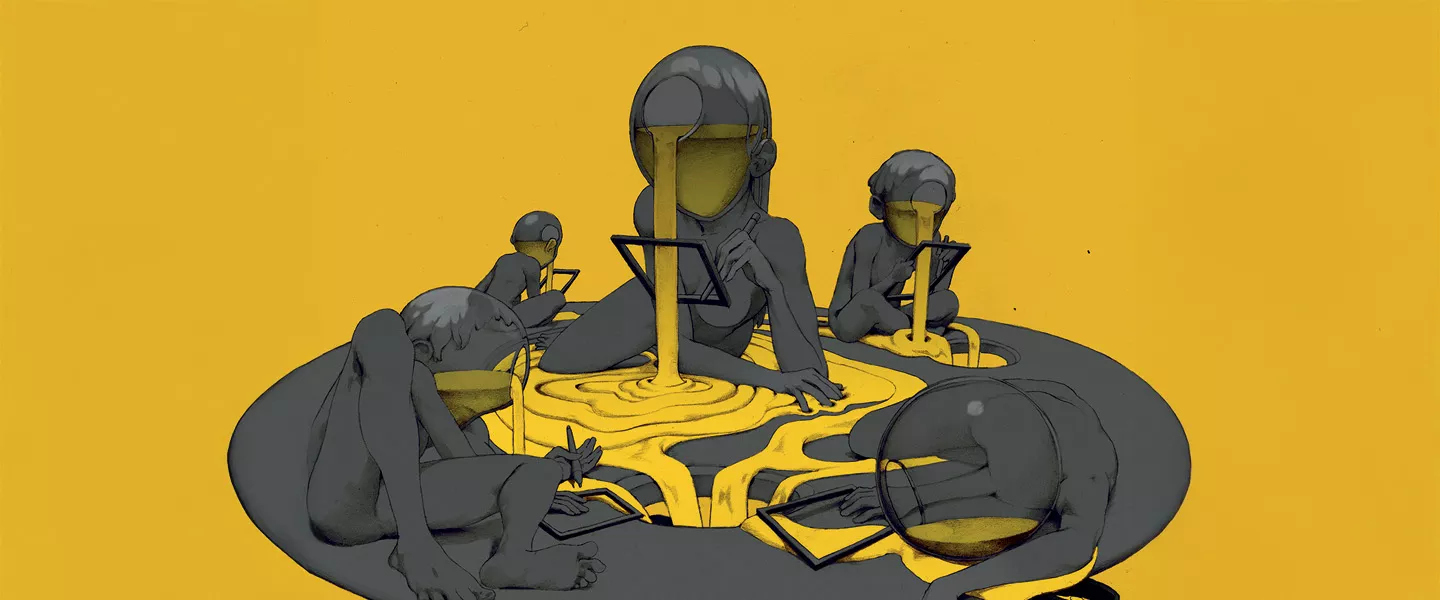
The perception of reality is a biased and partial process. The information that reaches us from the outside approaches the order of infinity, and therefore the mind is forced to make a more or less arbitrary selection. The artist’s inspiration lies in that small portion of signal that settles and endures, reappearing sporadically as a parameter for research into the details of the surrounding world. In this way, within artistic creation, all experiences in the field of art and in the perception of reality become layered and overlap.
There is, therefore, no actual difference between figuration and abstraction, since everything we bring onto the canvas involves a simplification of the infinity that surrounds and permeates us.
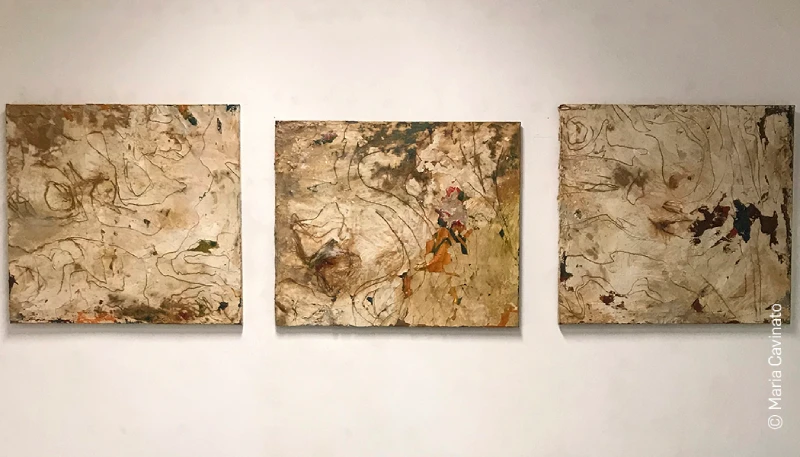
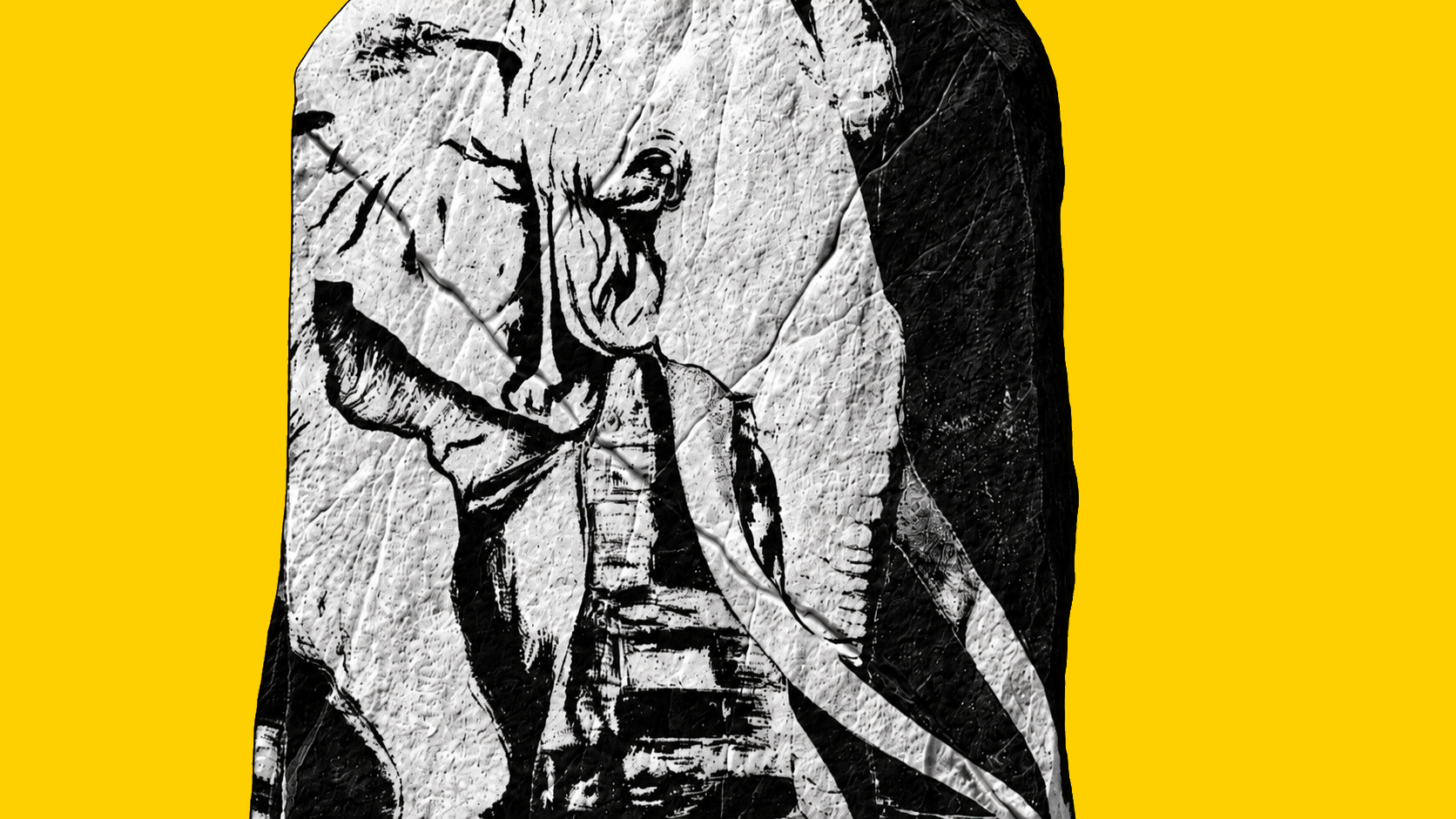
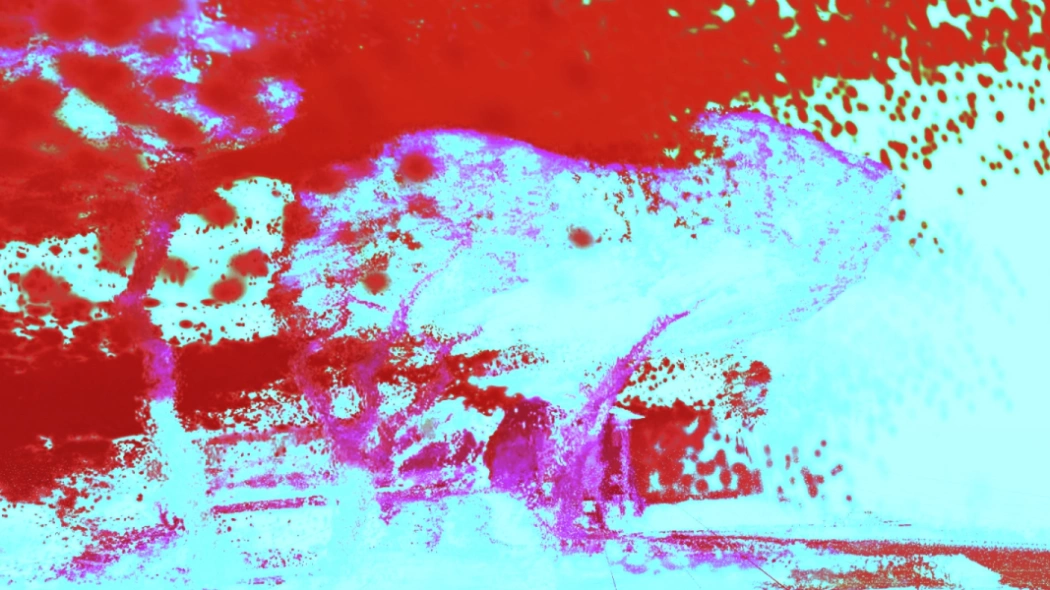
In the Sul muro series, I wanted to pay tribute to a statement by Leonardo da Vinci:
[…] if you look at certain walls stained with various marks or at stones of different mixtures. If you have to invent some setting, you will be able to see there resemblances of different landscapes, adorned with mountains, rivers, rocks, trees, broad plains, valleys and hills in different ways;
(Leonardo da Vinci, Trattato della Pittura).
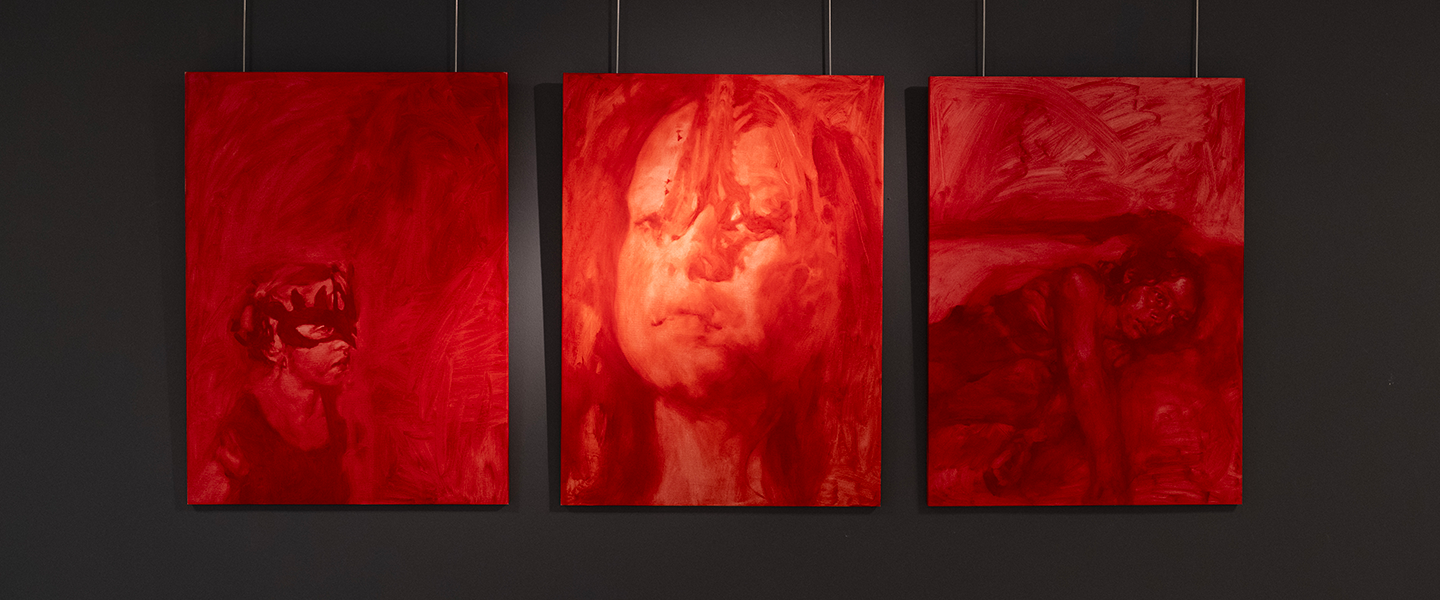
The artist expresses the importance of the human eye’s ability to perceive, even in peeling walls, references to art and landscape, allowing itself to be inspired by simplicity. In the triptych entitled Le fondamenta di Roma I wanted to create a parallel between the Eternal City, which appears to us as the exposure of the layers of history, and the very earth on which it stands, which over geological time determined its foundation.