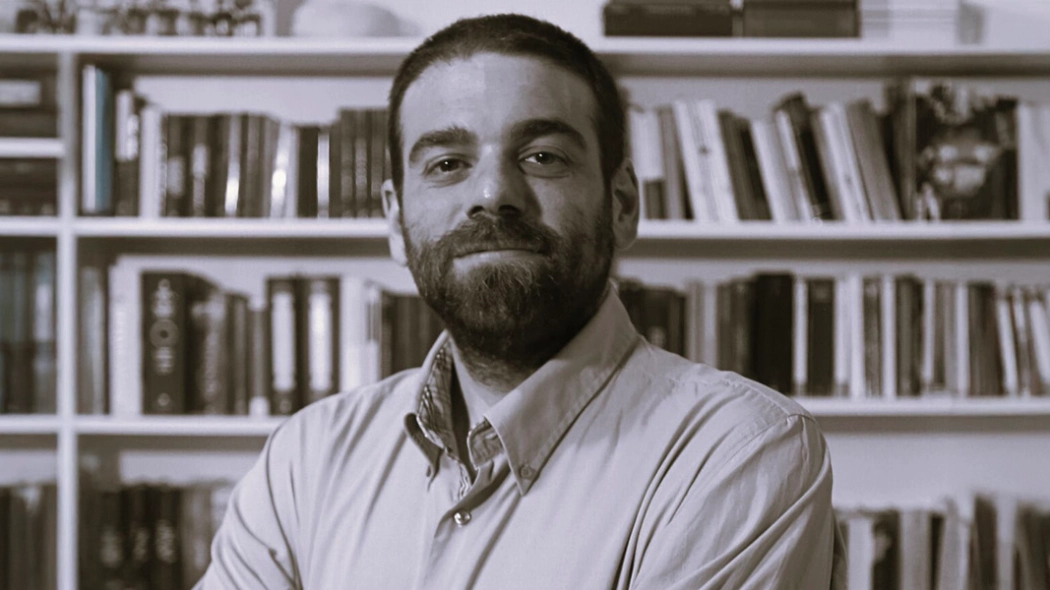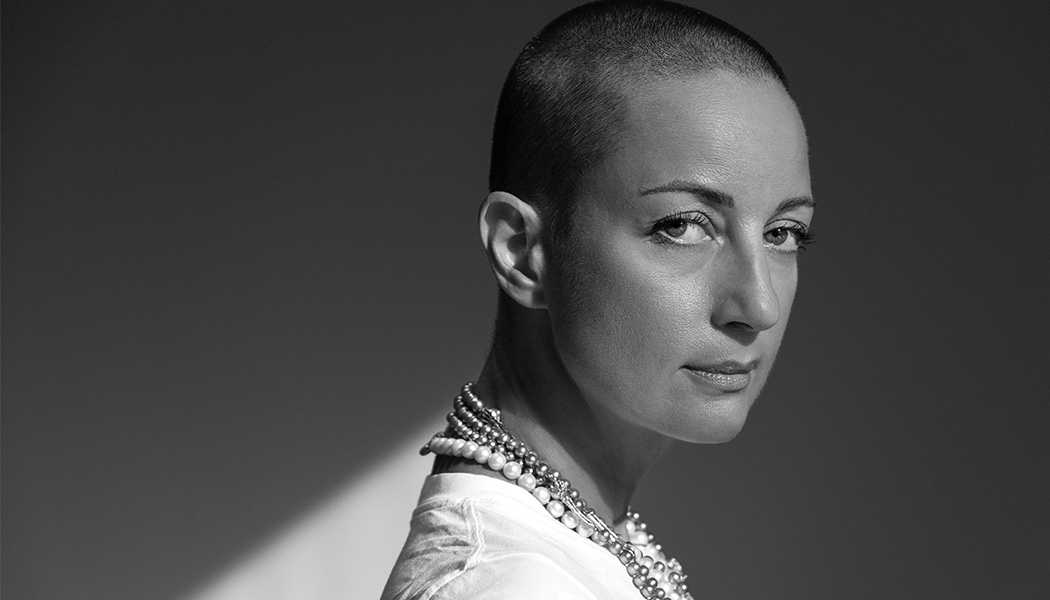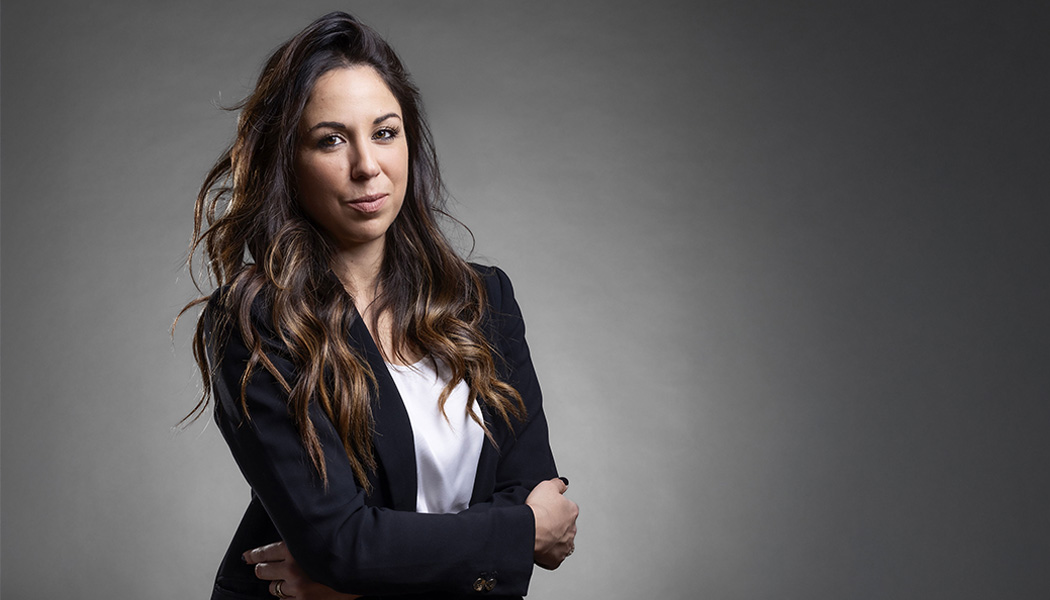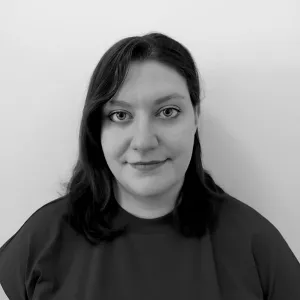
Interested in the world of art since childhood. She studies visual representation as a way of exploring the human psyche and innate thoughts, approaching different areas of art that she loves to combine in her projects.
Alice Russo was born on 10 March 1996 in Treviso and grew up in Mestre, Venice. She attended the Michelangelo Guggenheim Art High School, specialising in furniture, object and book design, where she worked for the Biennale Giovani, took part in exhibitions and exhibited one of her Murano glass projects at the Glass Museum in Venice. During those years she became interested in the world of graphic and technical design.
In 2015 she therefore decided to enrol at the Academy of Fine Arts of Venice in New Technologies for Art, specialising in visual communication and graphic design, where she encountered photography and digital media for the first time.
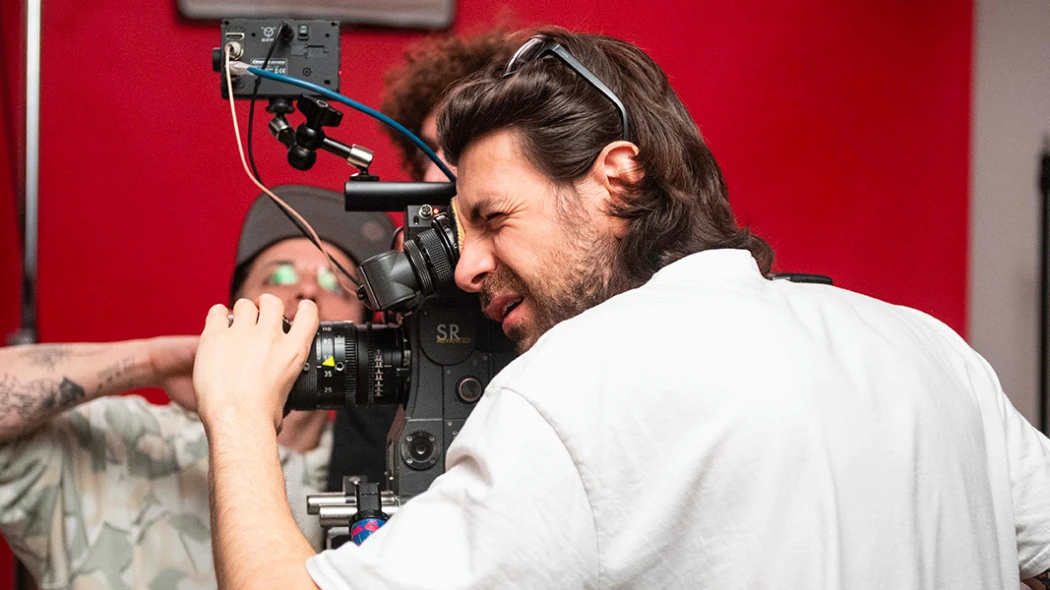
In the winter of 2017 she completed an internship at Cinemarental srl and Kublai Film in Marghera, where she began to familiarise herself with film cameras, lenses, lights and various other types of filmmaking equipment.
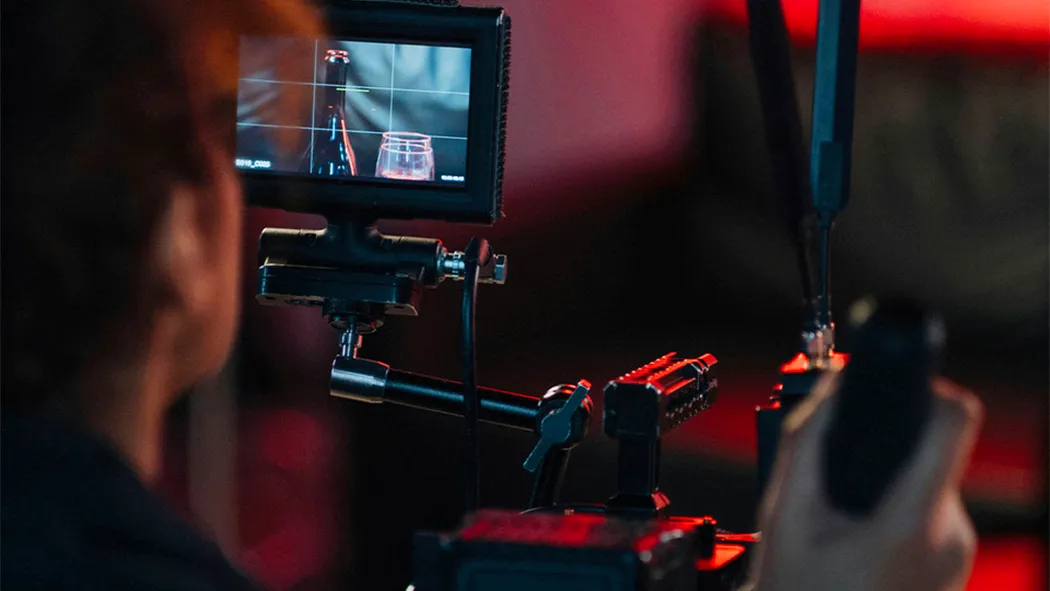
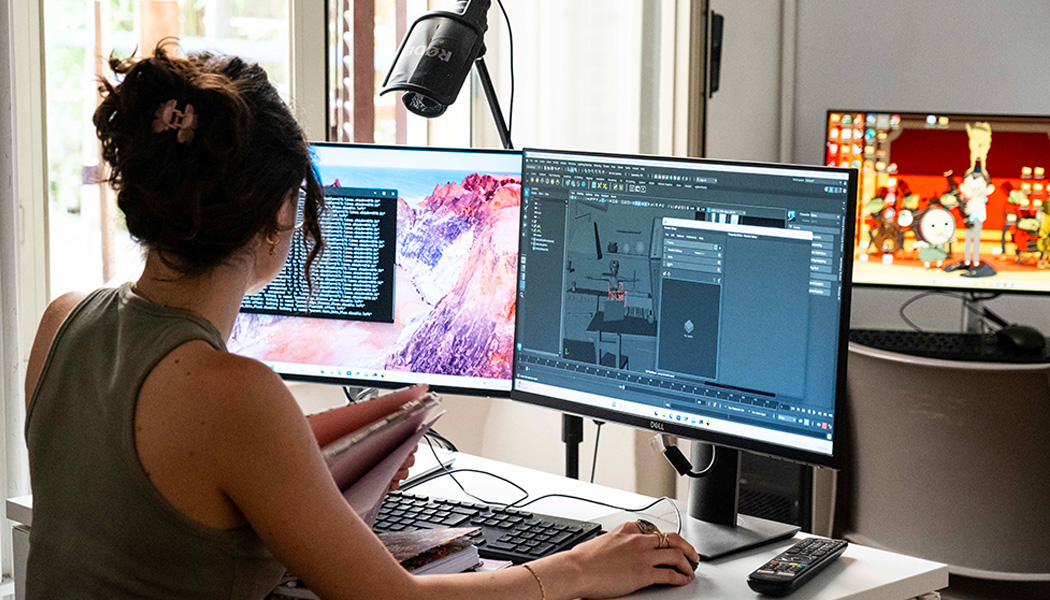
In 2019 she graduated and moved to Rome, where she began attending the RUFA (Rome University of Fine Arts) Master’s Degree Programme in Film Arts, where she found her path as a screenwriter, director and video editor, shooting four short films as screenwriter and director and taking part in various projects by other students, gaining experience in the different roles involved in creating a short film.
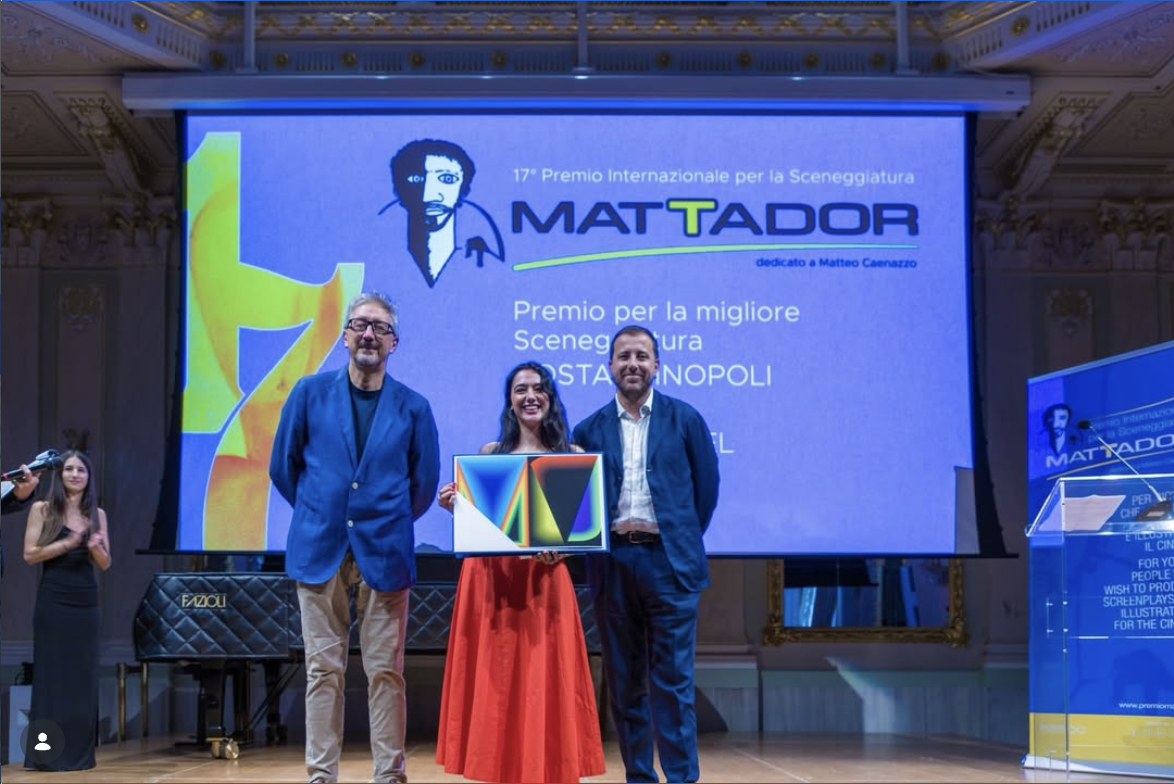
Through RUFA, Alice took part as a camera operator in TedX2019, and published her first documentary film in collaboration with Elena Palazzi and Teatro dell’Ascolto Roma on the Italian-French jazz festival “Una Striscia di Terra Feconda 2020”, screened at Casa del Jazz on 10 September 2021.
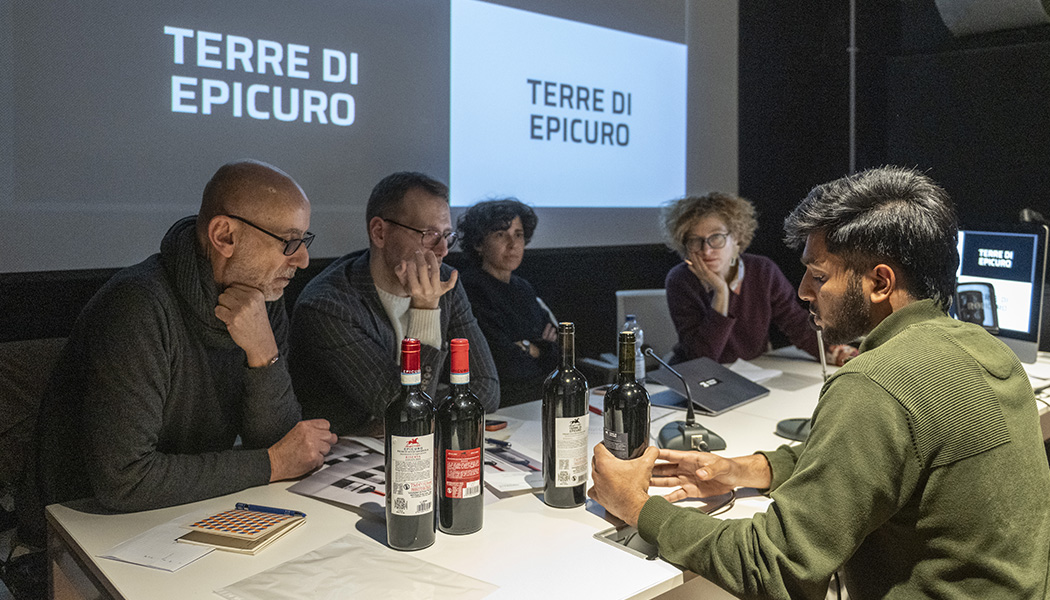
In summer 2021 she was hired as a video assist by Kublai for a documentary produced by Sky Arte in Milan, took part in the international workshop “Terre da Cinema” in Catania, where she shot a short film on film stock, and worked as a videomaker for various companies.
Character Imbalance
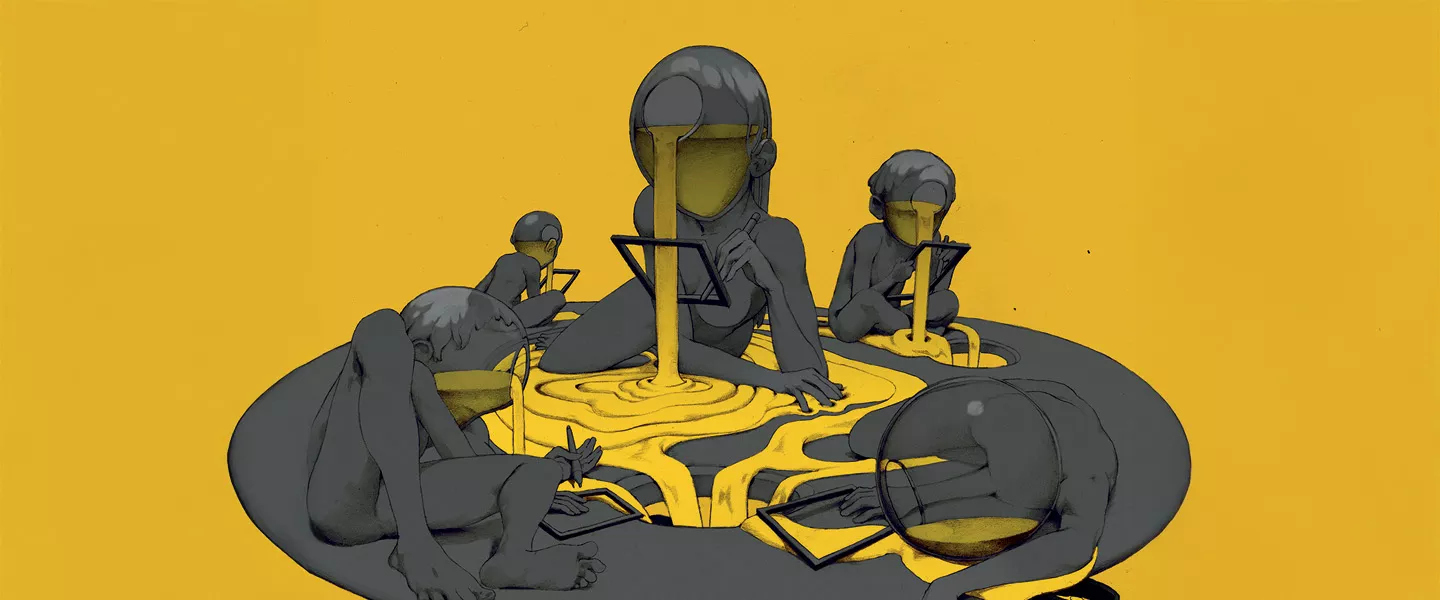
Representation of Mental Illness through Visual Perception
The thesis is mainly based on the innate thoughts of human beings, used by major directors to describe a character solely through actions, movements and words, but also through forms, symbols and colours, following the laws of Gestalt and speaking directly to the viewer’s unconscious.
One of the fundamental aims of a screenwriter is to create a character who is both interesting and formally complete. There are many screenwriting books that provide frameworks and rules to help writers create believable and complex characters, but how did the screenwriters and directors behind works now considered, in most cases, cult classics manage to portray the personalities of their protagonists with such depth?
Just think of Psycho, Memento, Shining, Shutter island, Fight club.
These are all works in which the protagonist’s troubled mind is not described in a didactic way, but can be perceived by the viewer through the character’s gestures, characteristics and actions.
I decided to focus my thesis on the madness of characters and on how this imbalance is represented through perception. My interest in this subject stems from a personal fascination with stories that portray the world in a dystopian way.
I found it fascinating to analyse how the point of view of an unconventional character, moving between hallucinations and dreamlike scenes, could be masterfully represented, and how visual perception can become a powerful means of conveying an inner universe through images, gestures and camera movements.
My aim is to explore and investigate these devices in greater depth, consolidating useful knowledge for the development of the final project and strengthening the range of skills that will accompany me in my desired professional career.
Starting from a definition of mental illness as a psychological and/or behavioural alteration relating to personality that leads to a condition of danger or disability, I wanted to broaden the concept by including in my study all those behaviours that, in common understanding, may generally be defined as disorder or madness.
In the first chapter of my thesis I focused on the structure of the character, investigating the various steps a screenwriter must go through in the process of creating and characterising a character. I also examined how the world surrounding the character influences their “birth”.
I then studied how the imagination is influenced in the creation of ideals and models, what visual perception is, the laws of Gestalt and how to analyse images.
I subsequently analysed a group of well-known films dealing with the theme of mental illness and the ways in which it was represented visually.
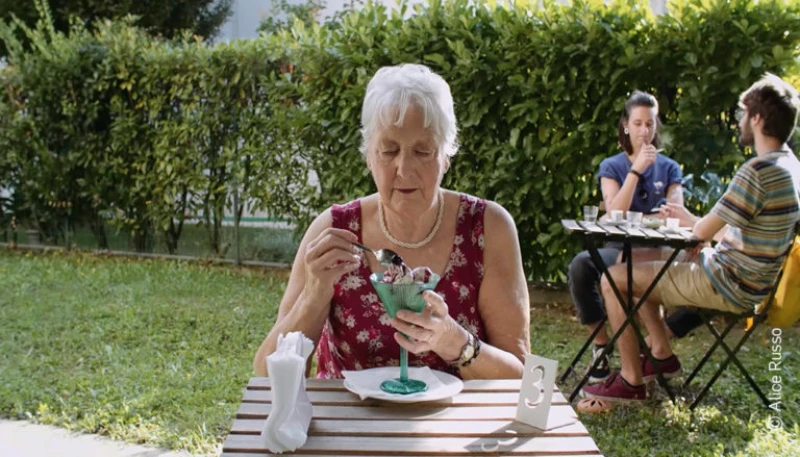
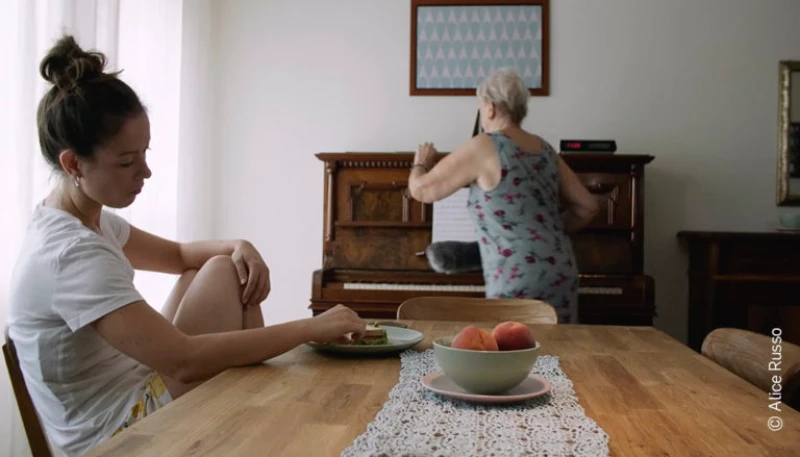
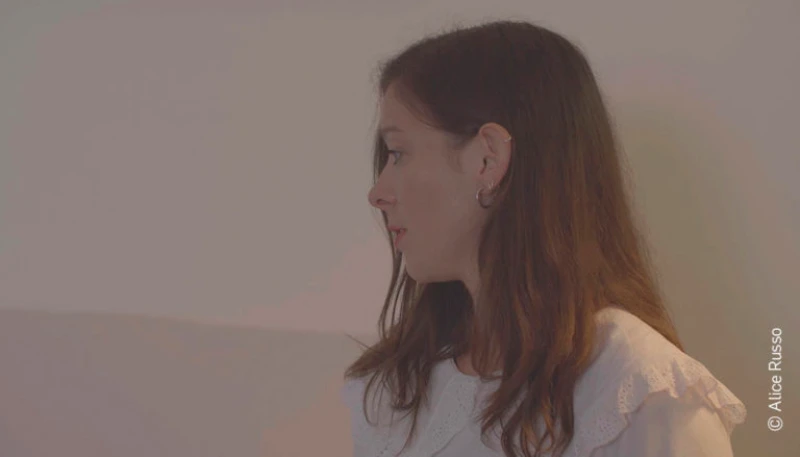
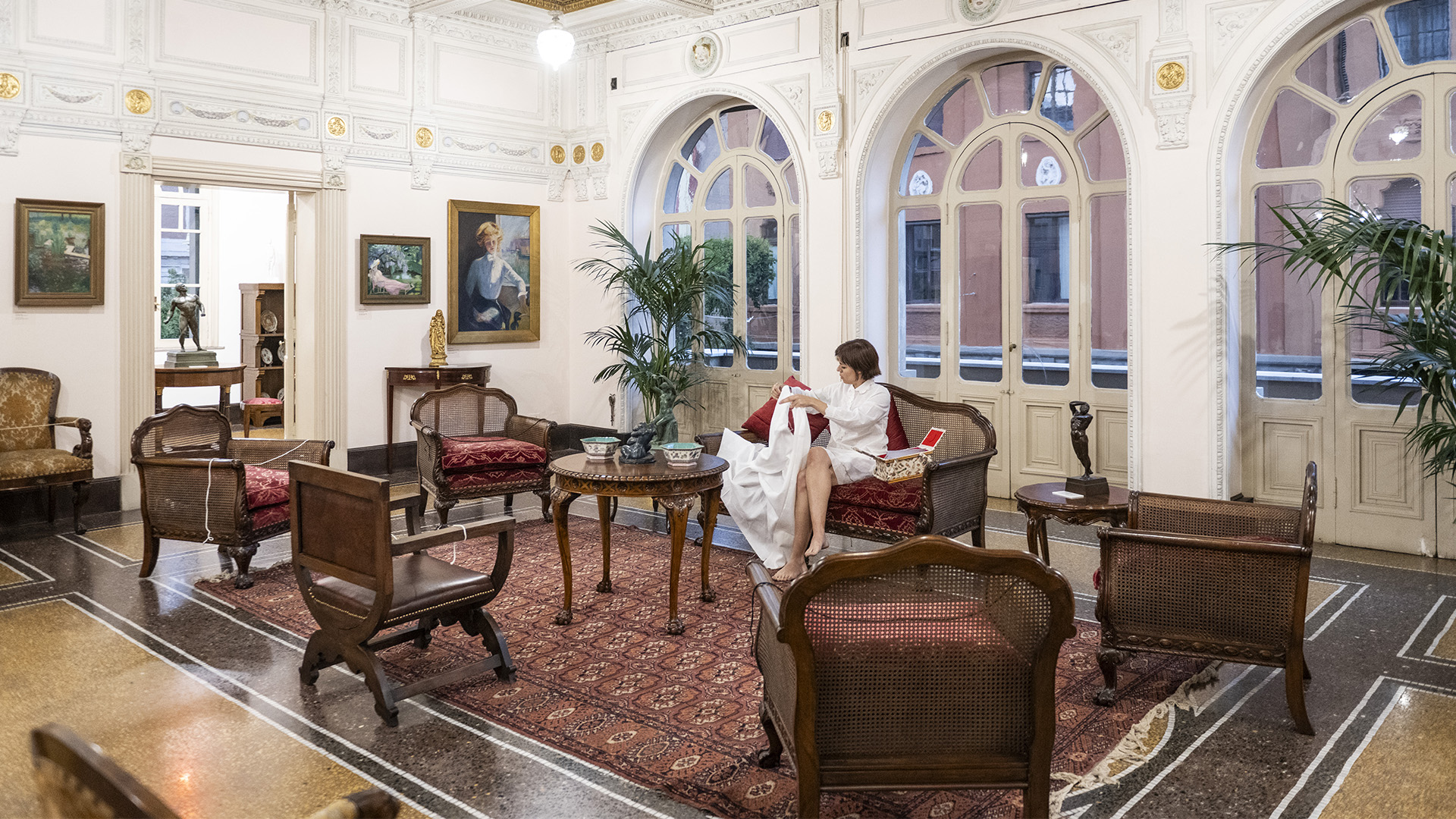
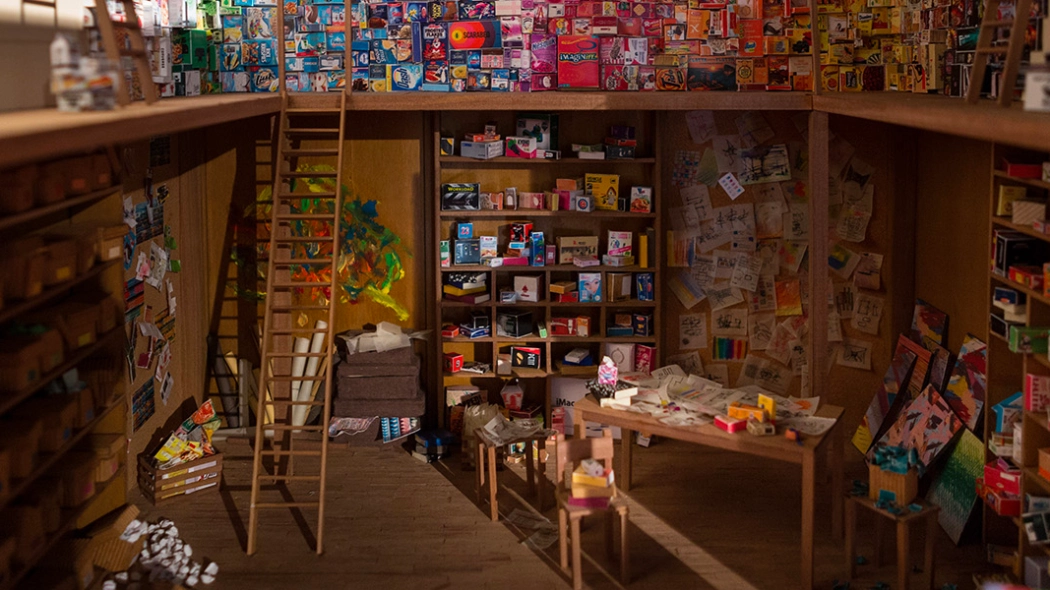
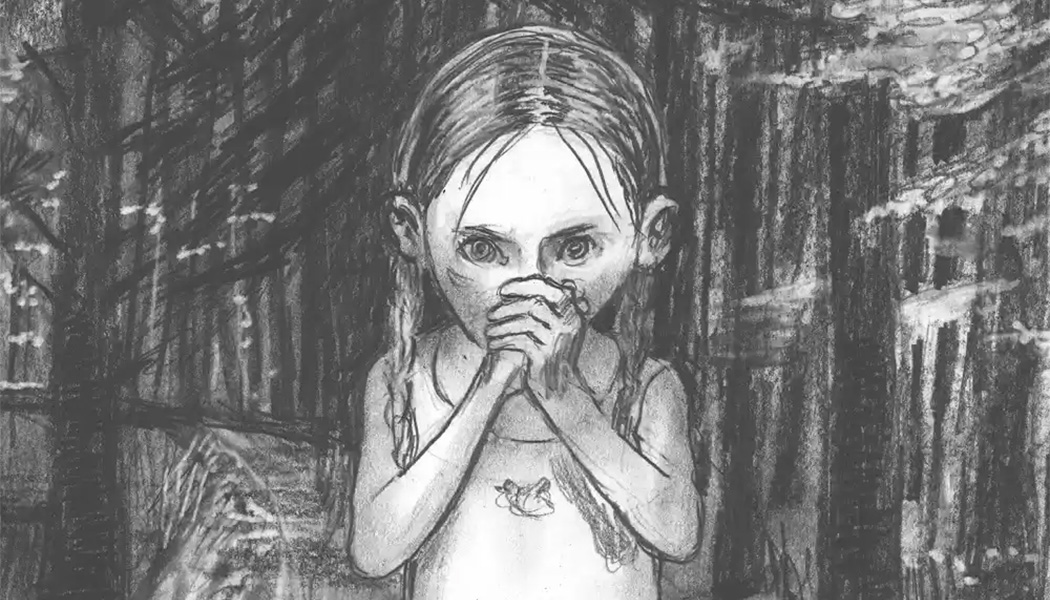
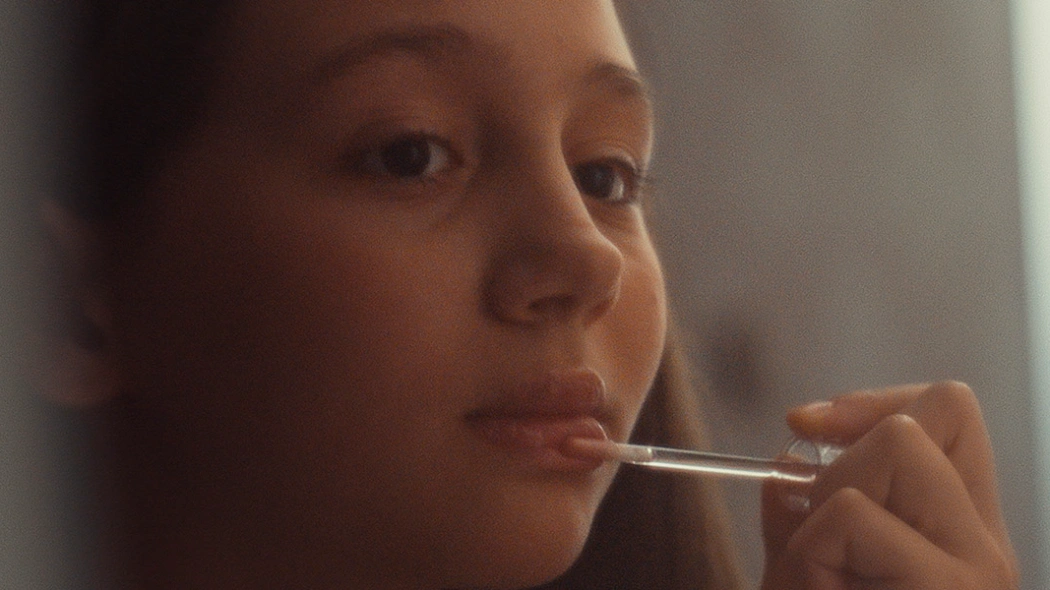
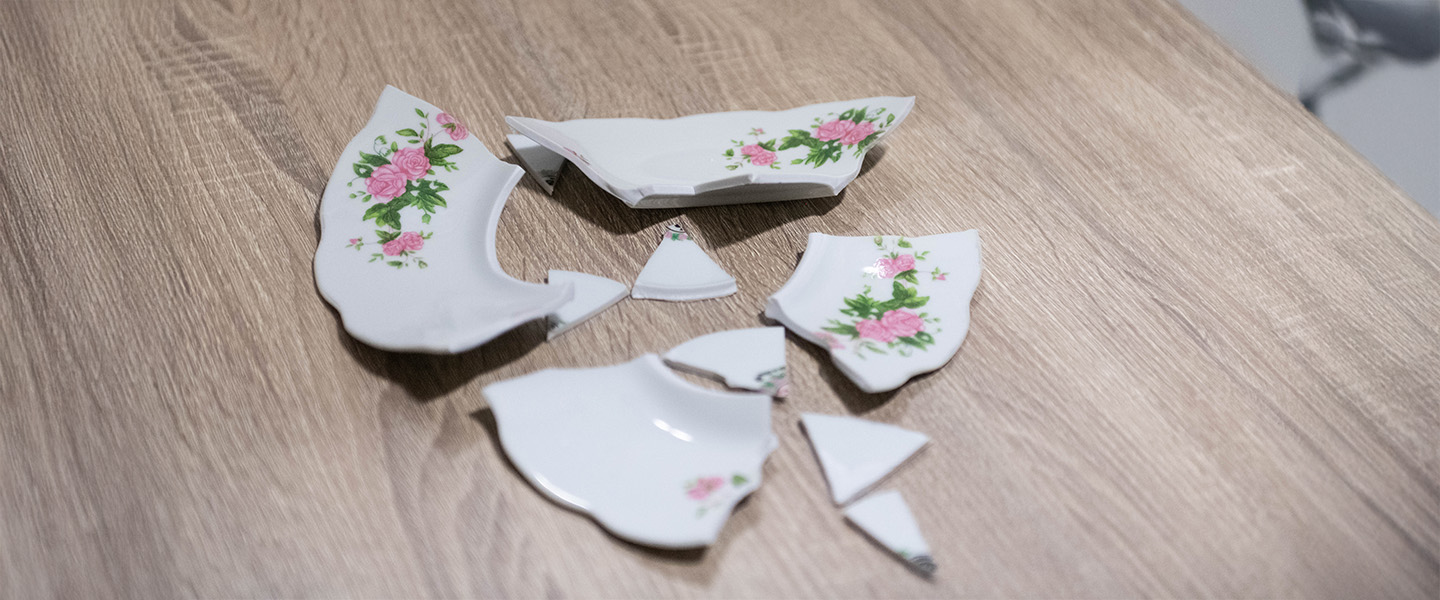
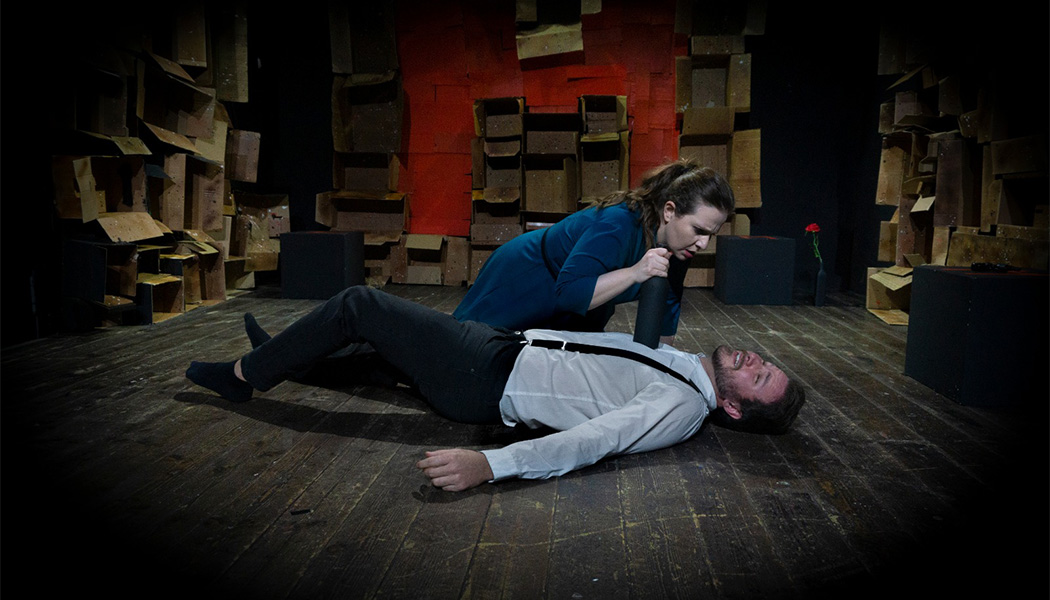
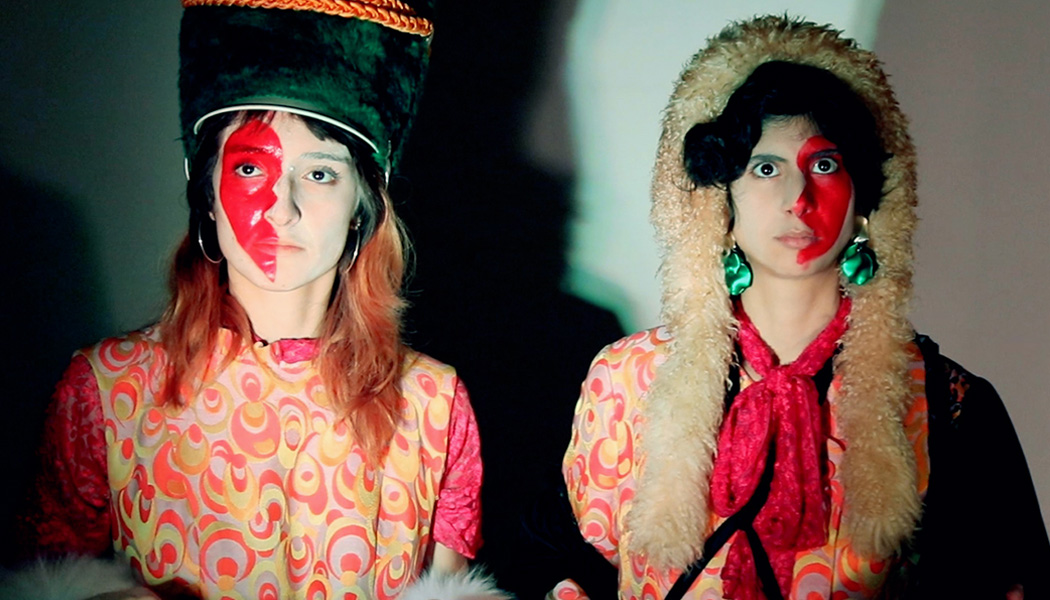
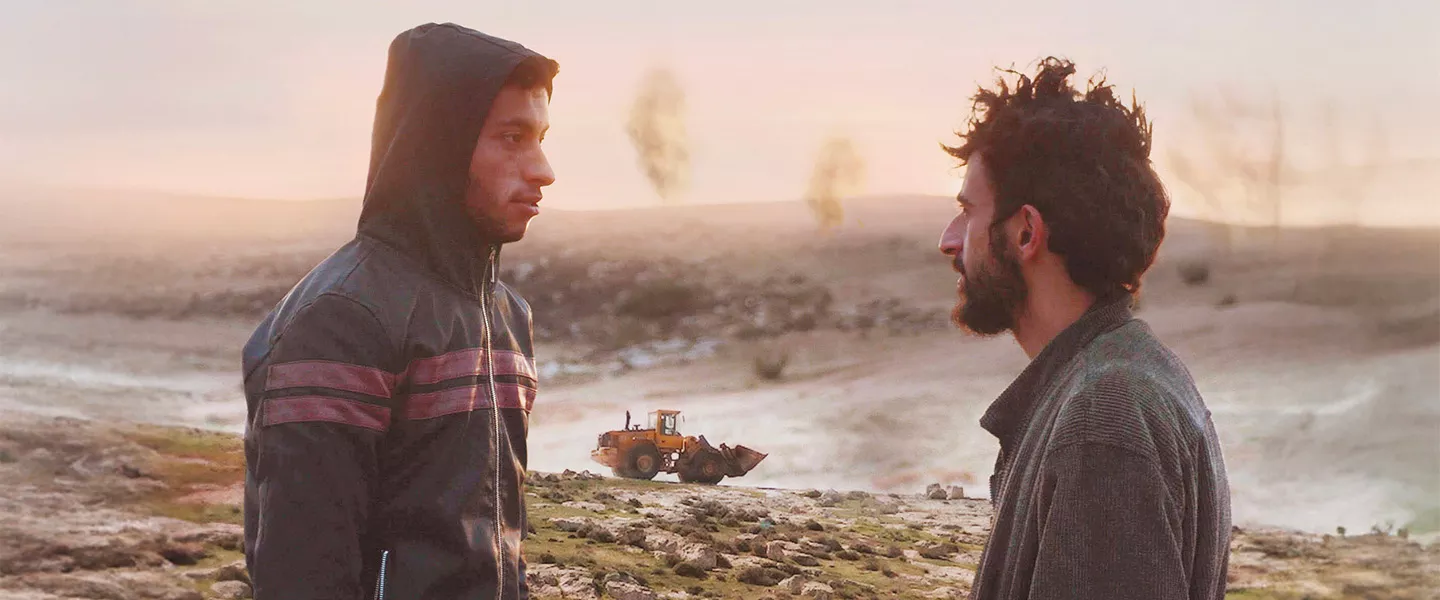
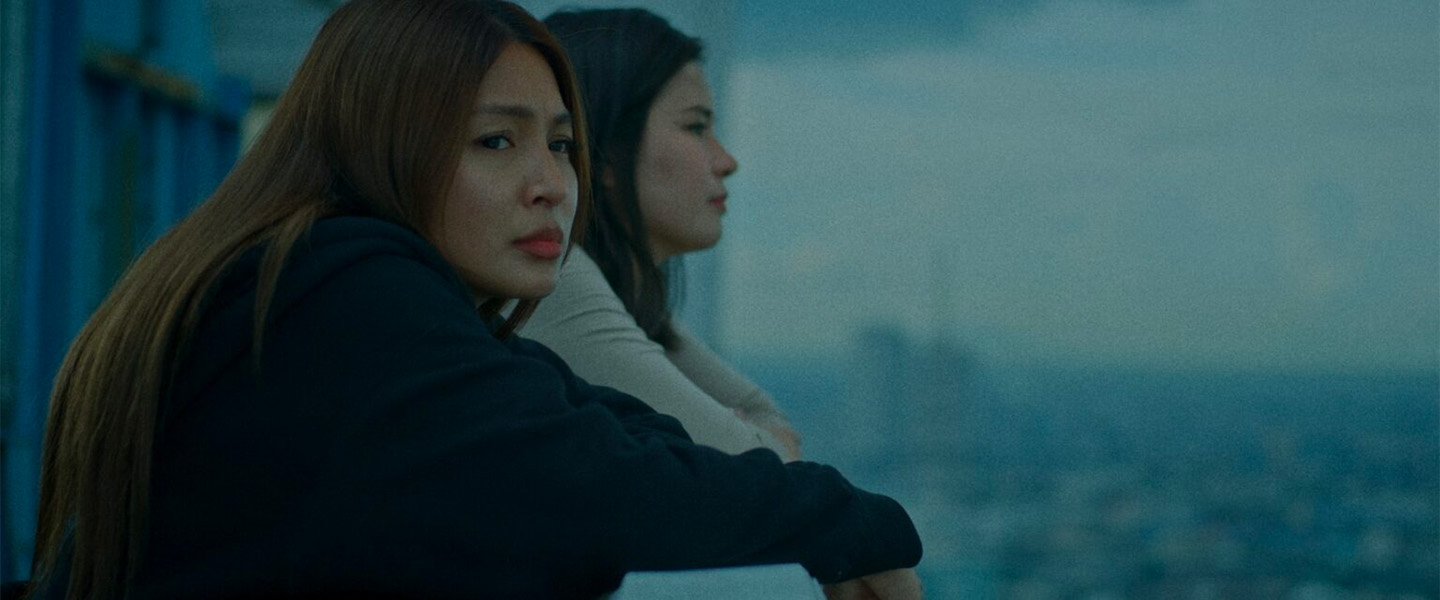
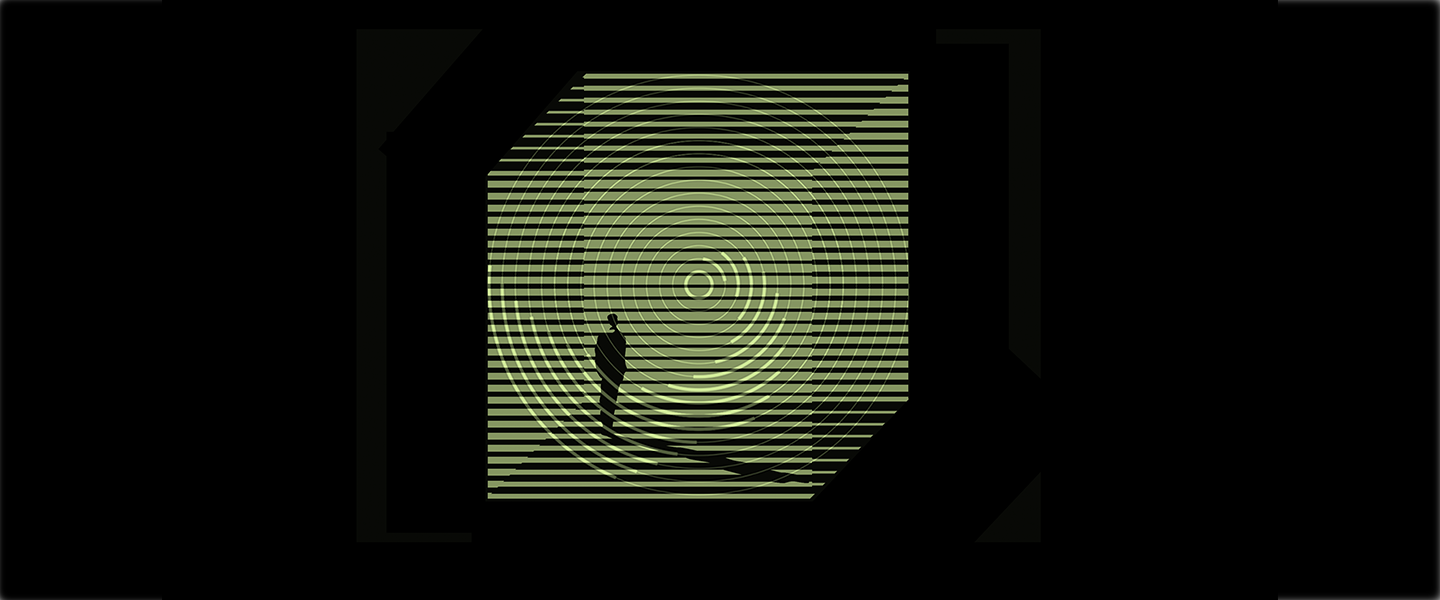
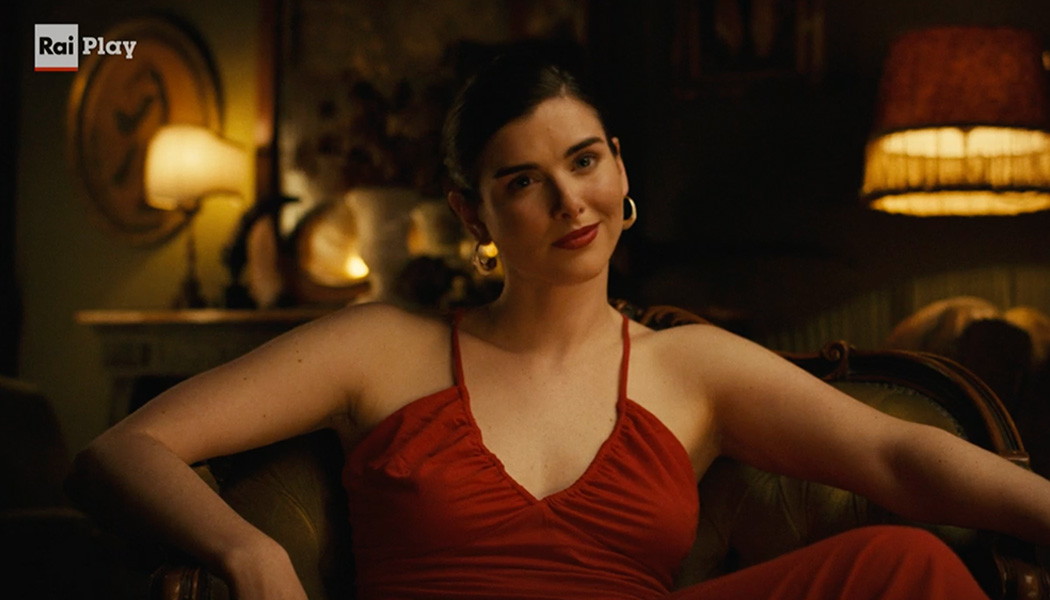
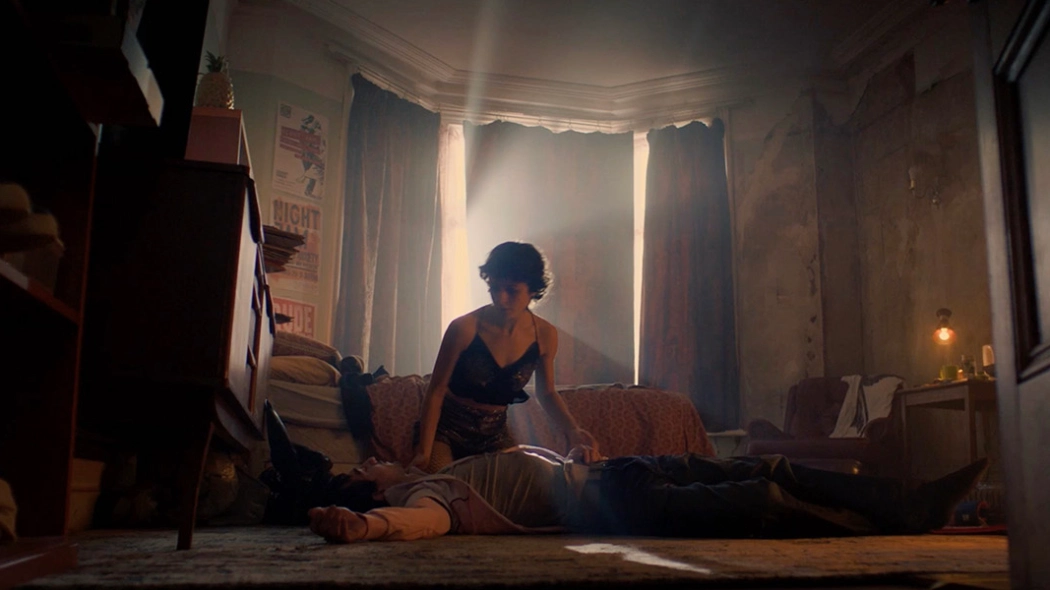
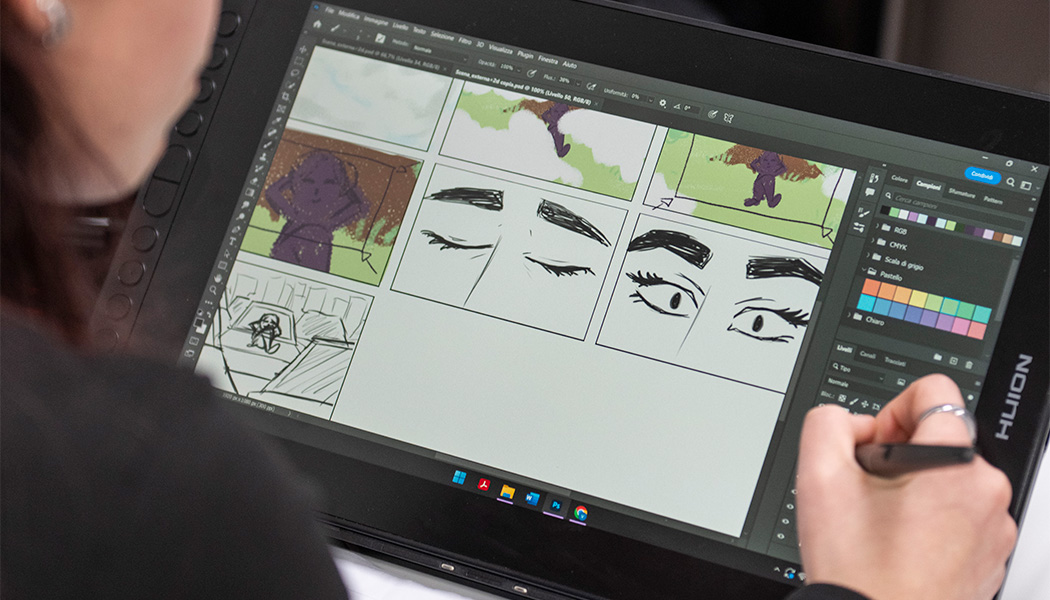
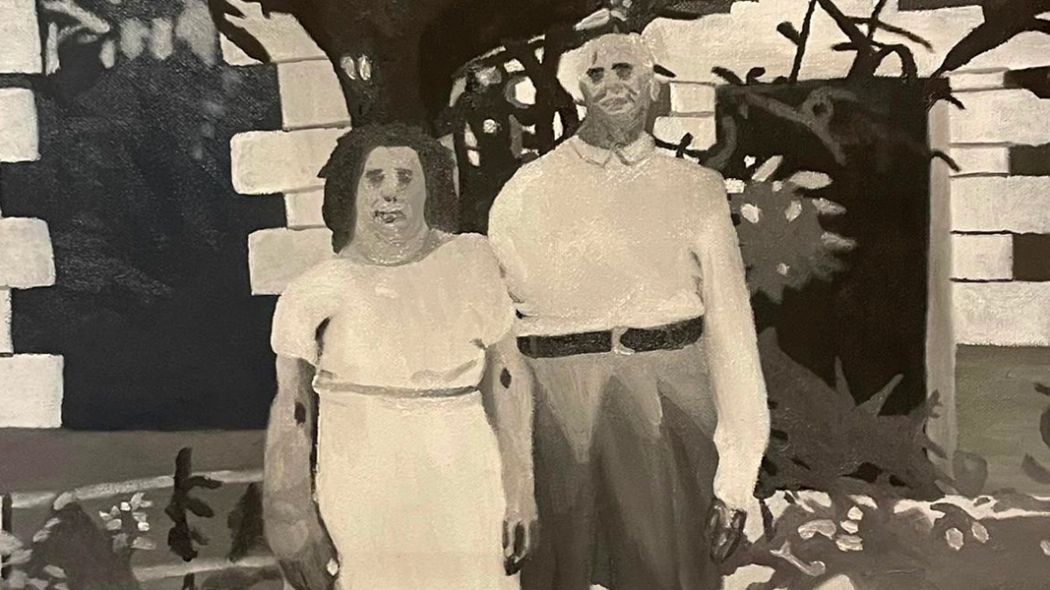
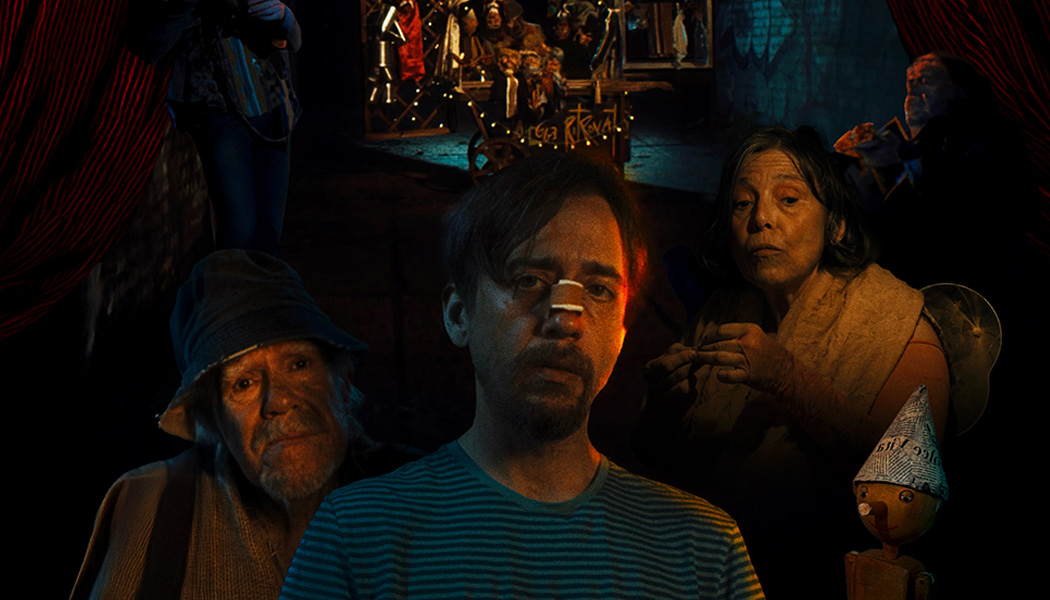
Finally, I wrote and directed a short film entitled “Anima di amarena” with the aim of representing the themes addressed in my thesis. I wanted to create a character who embodied imbalance through repetitive gestures, placed within an enclosed environment: a world bounded by four walls, emblematic of mental illness, with obsessively ordered furnishings and pastel colours.