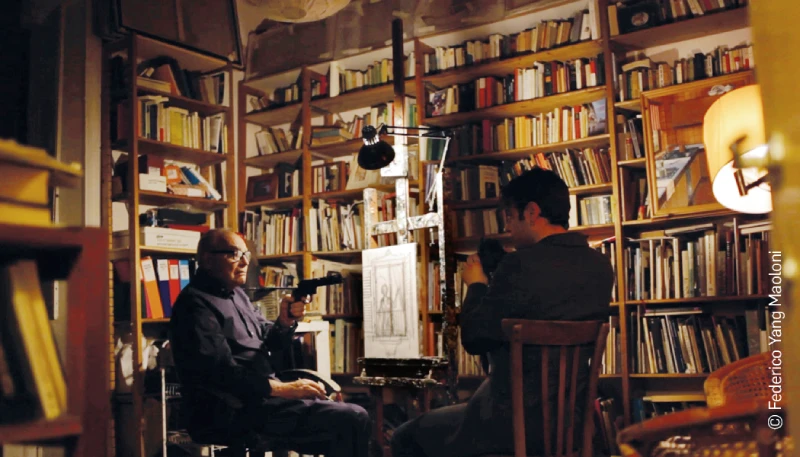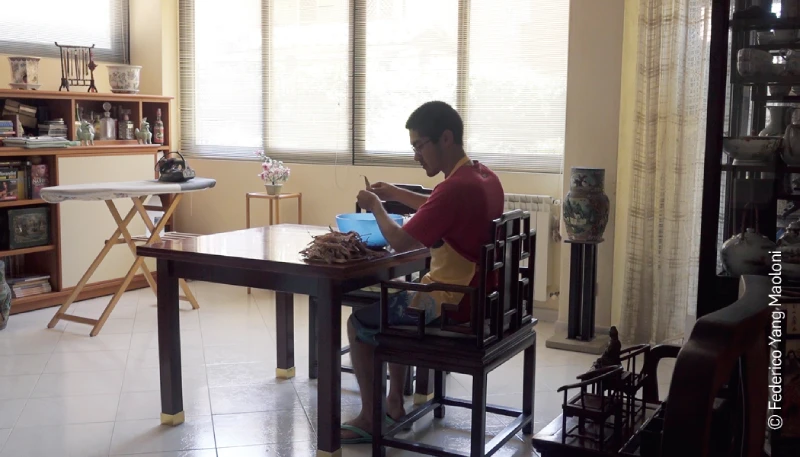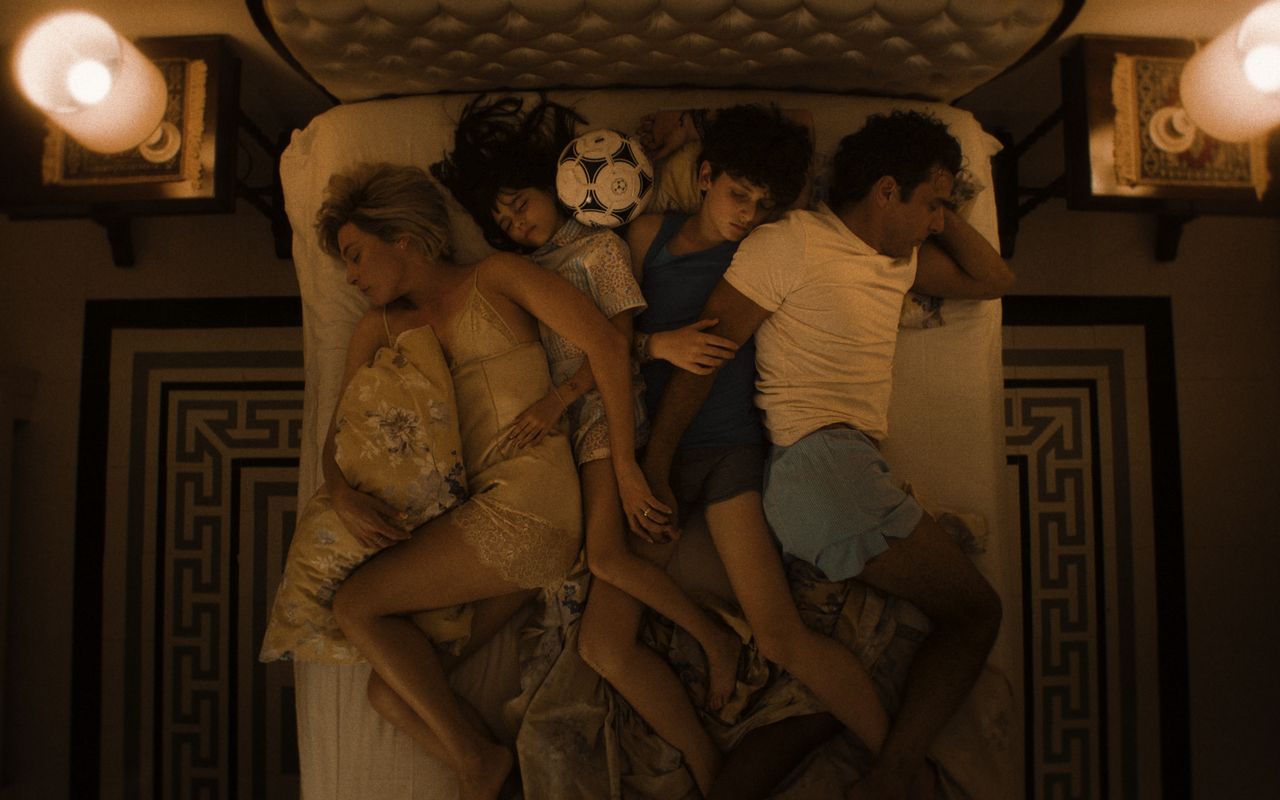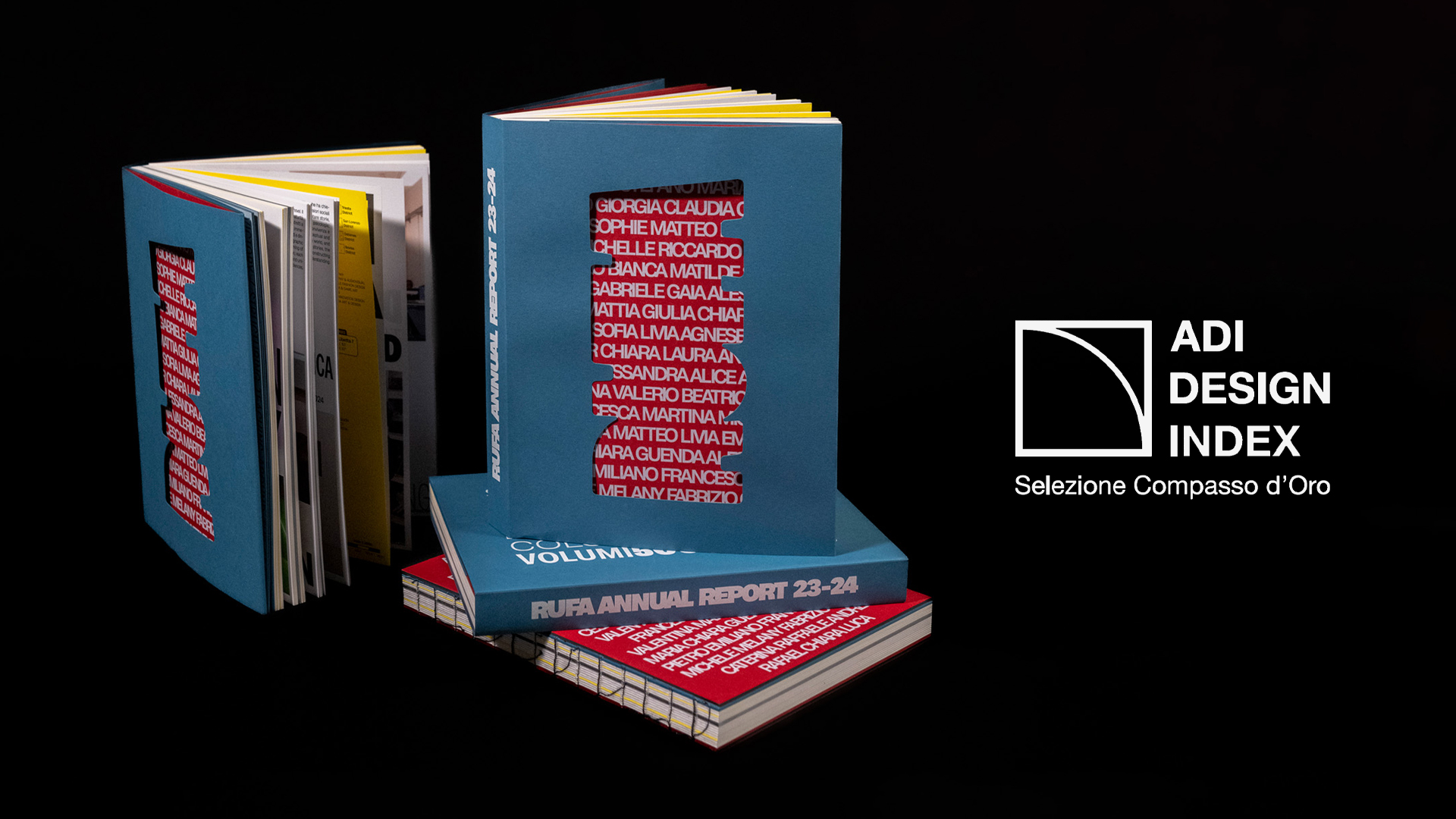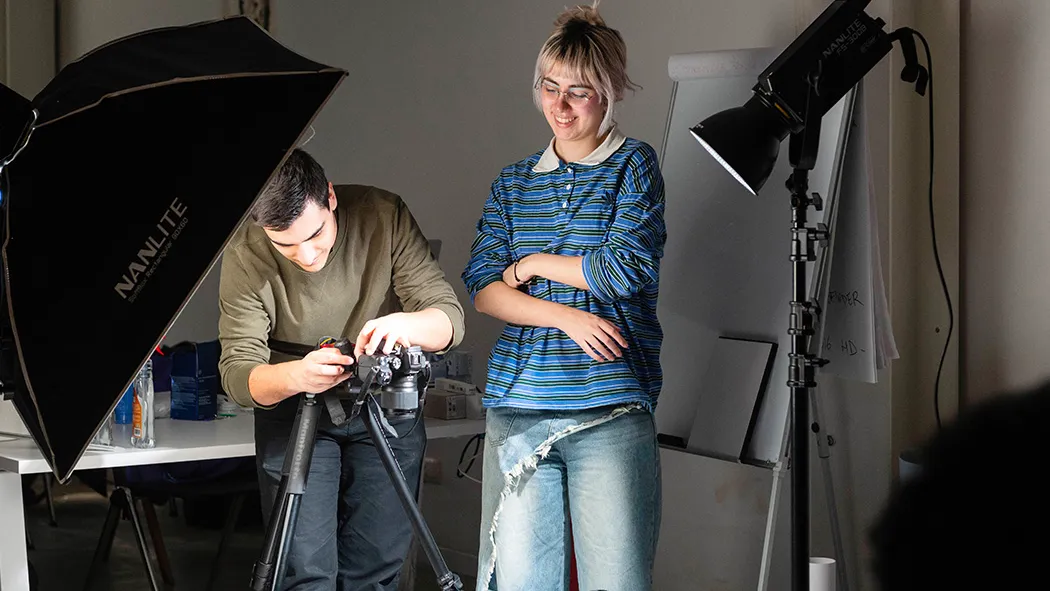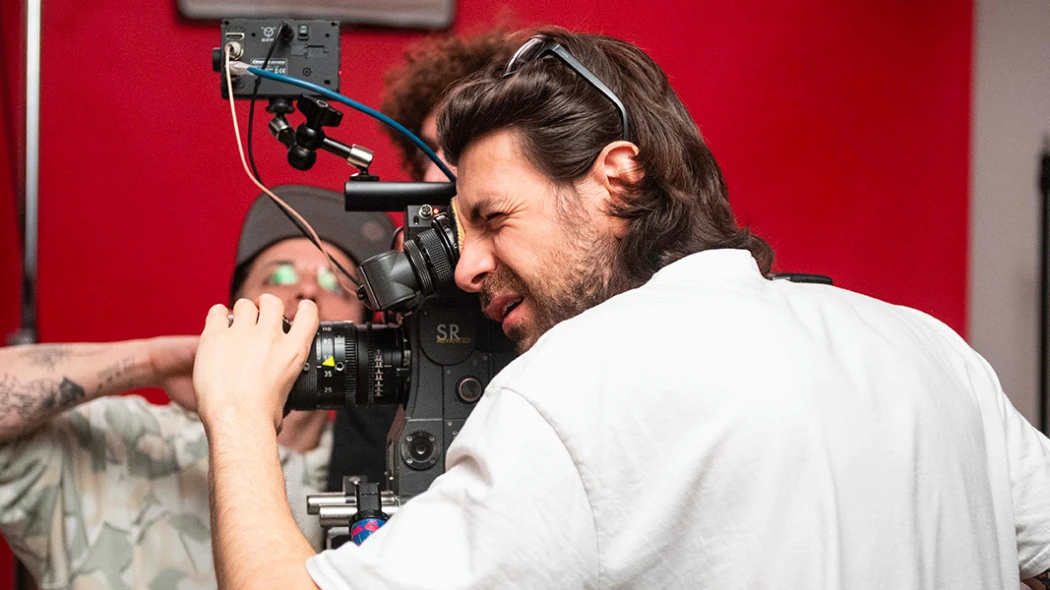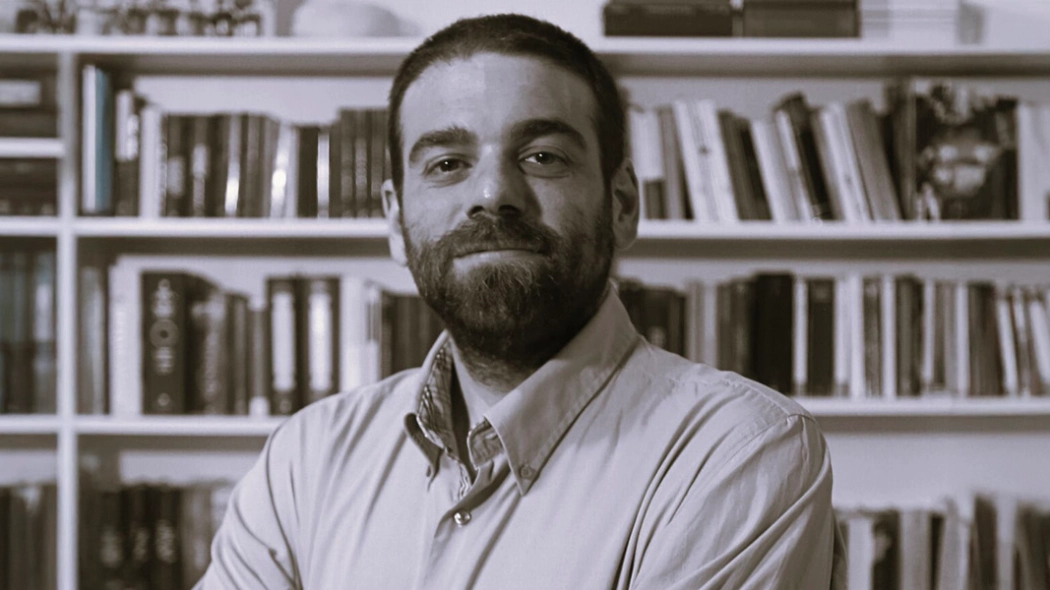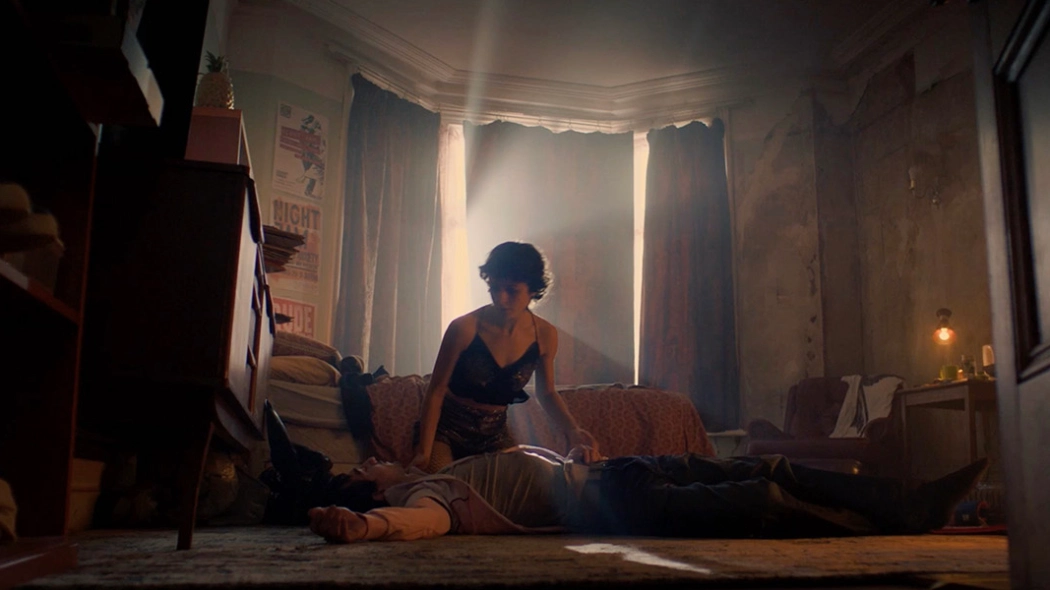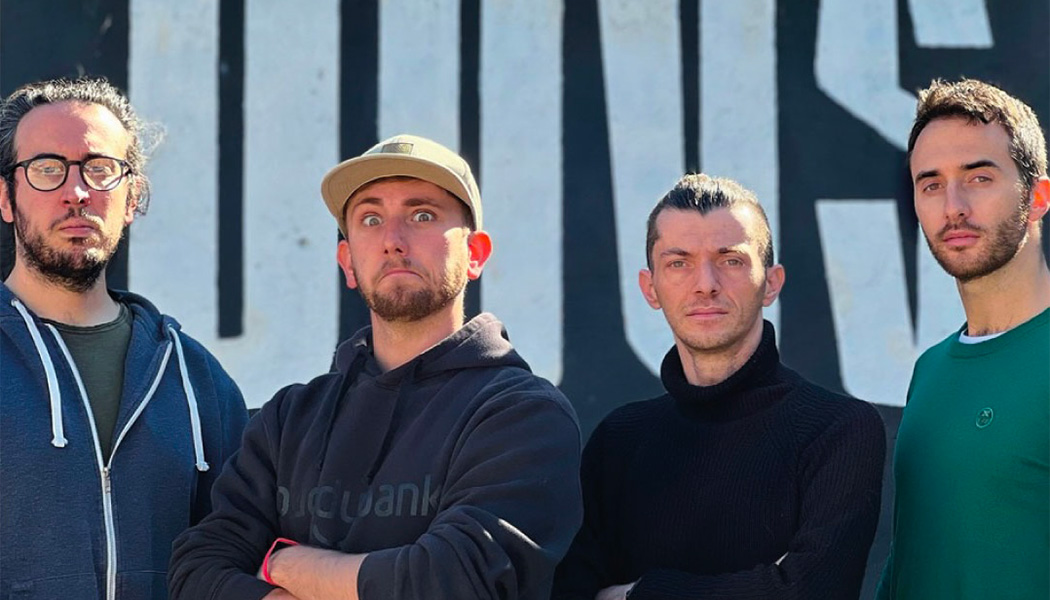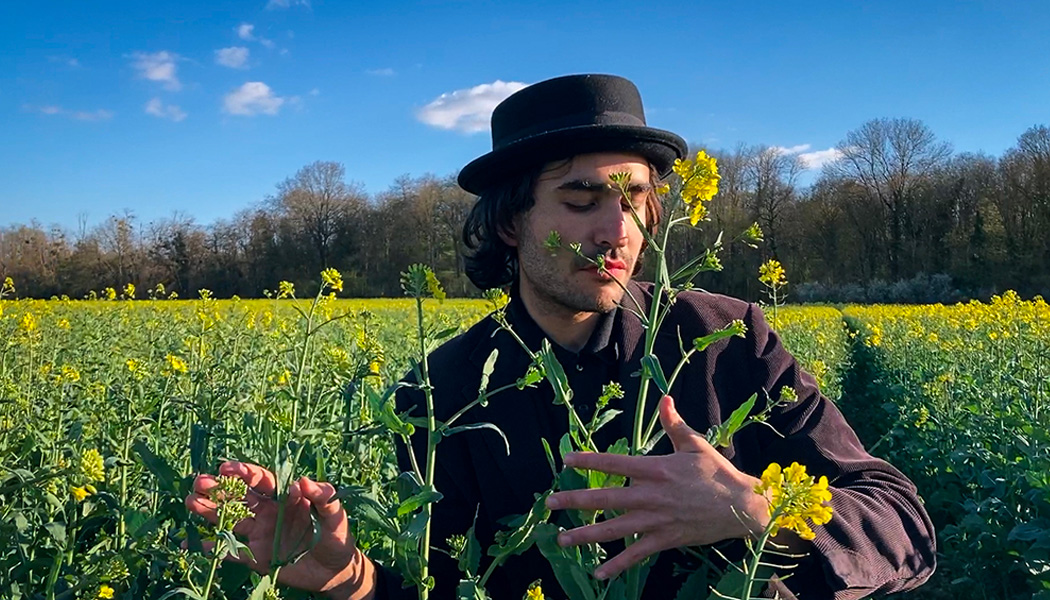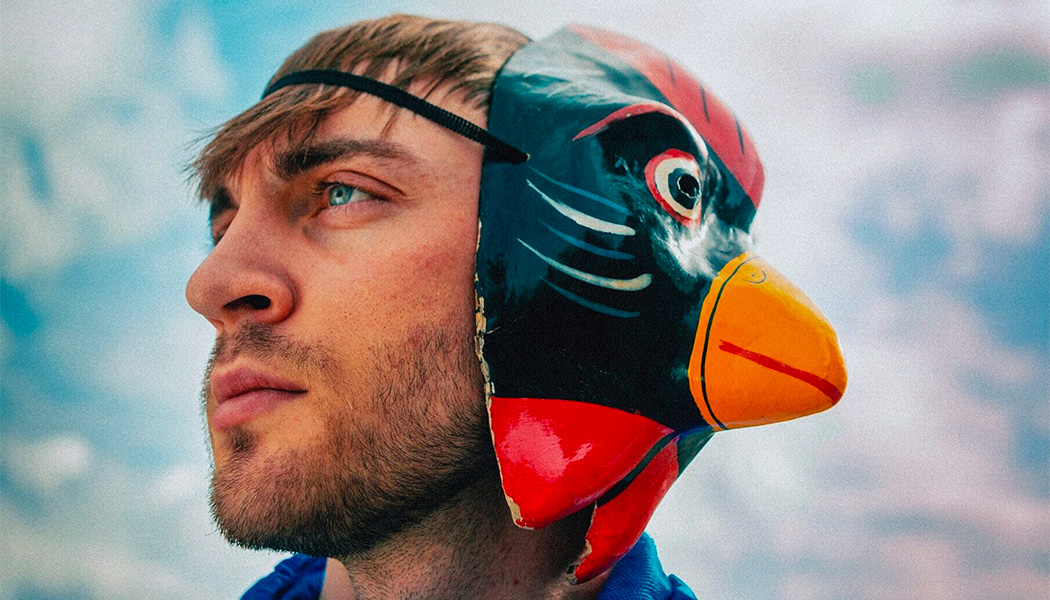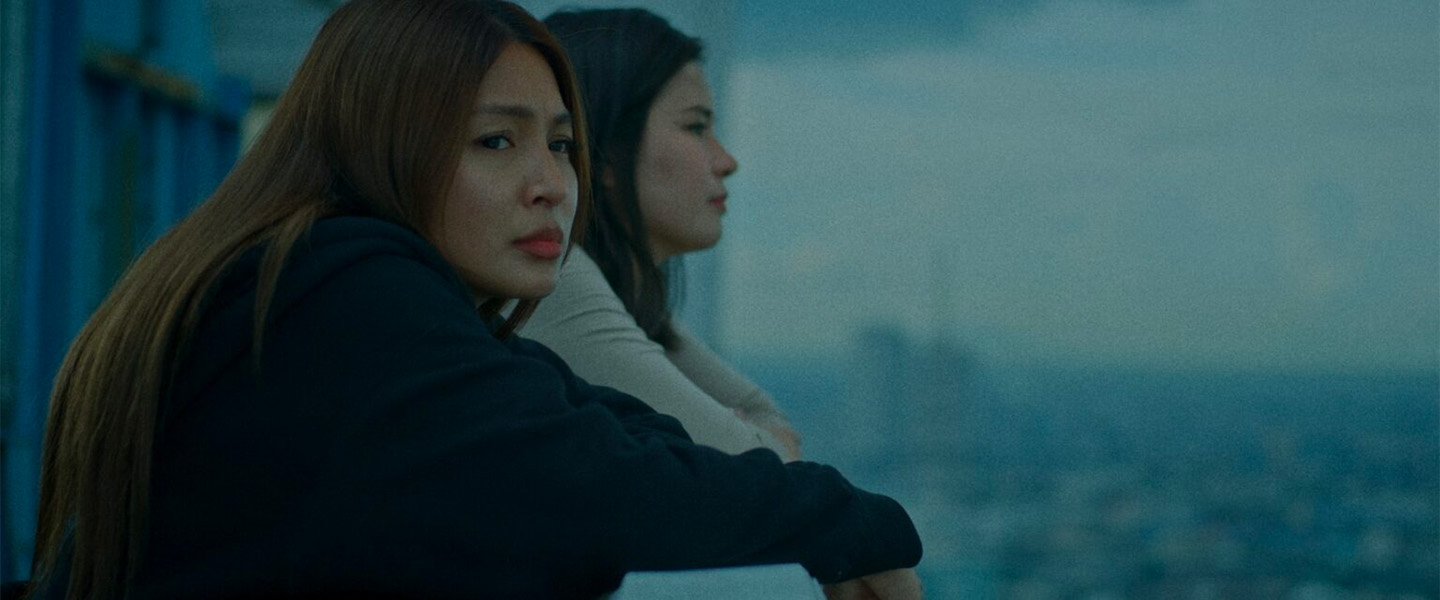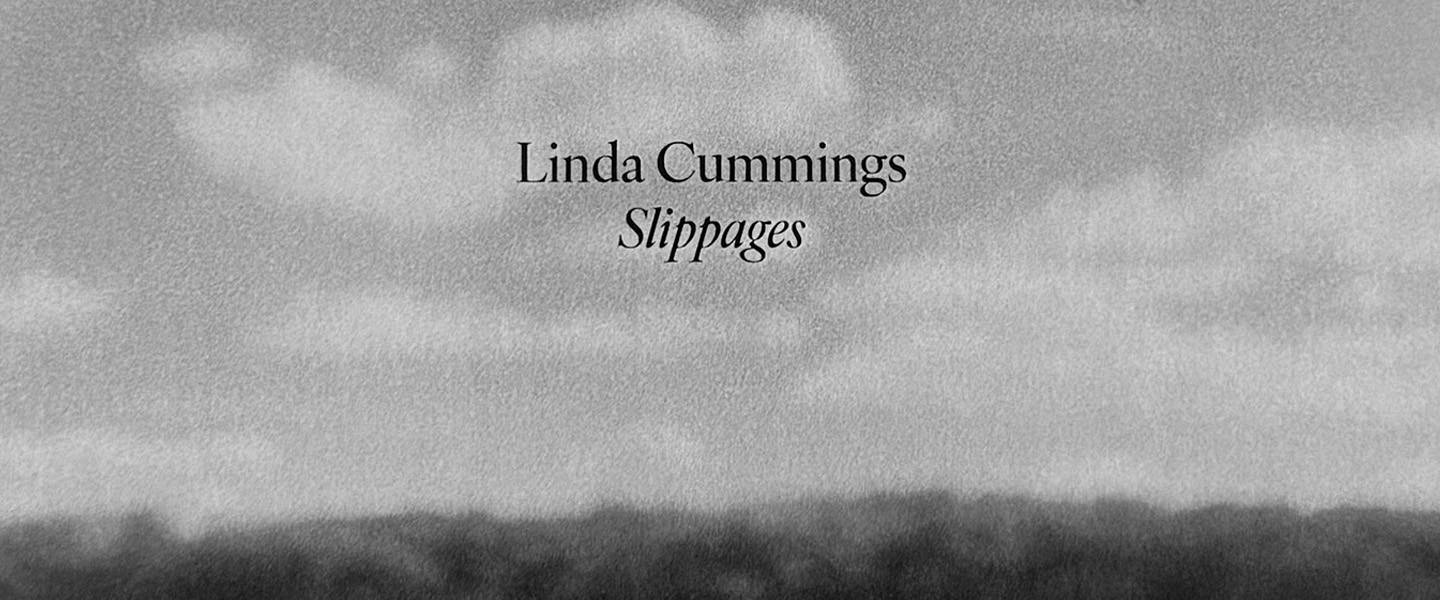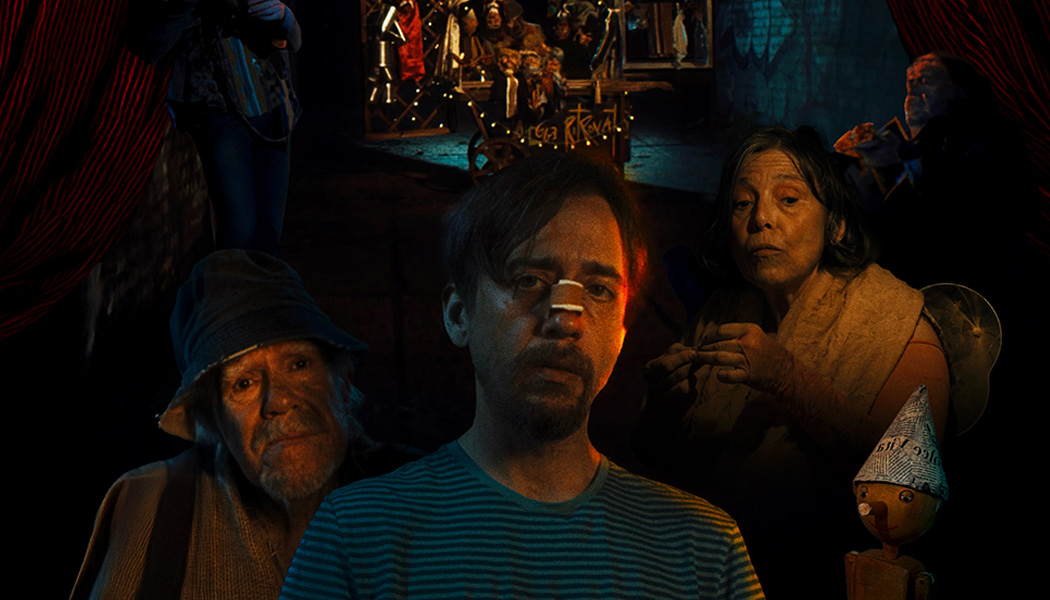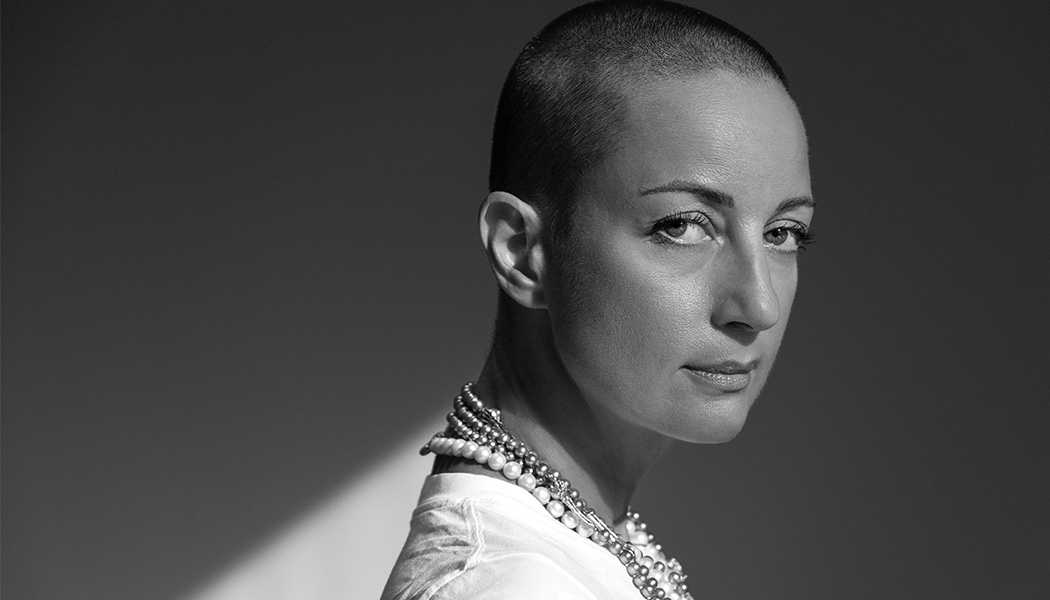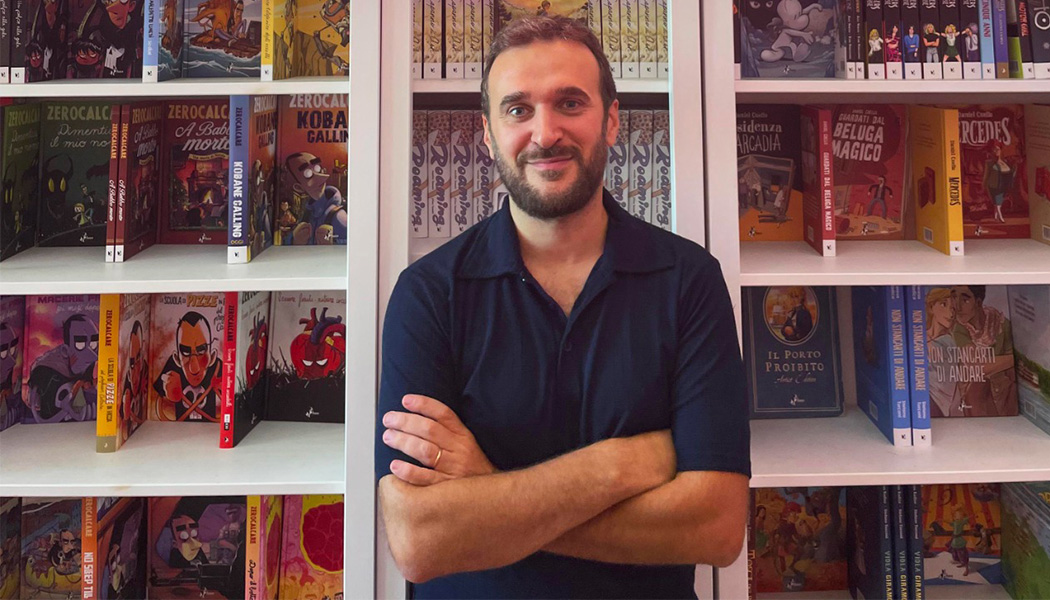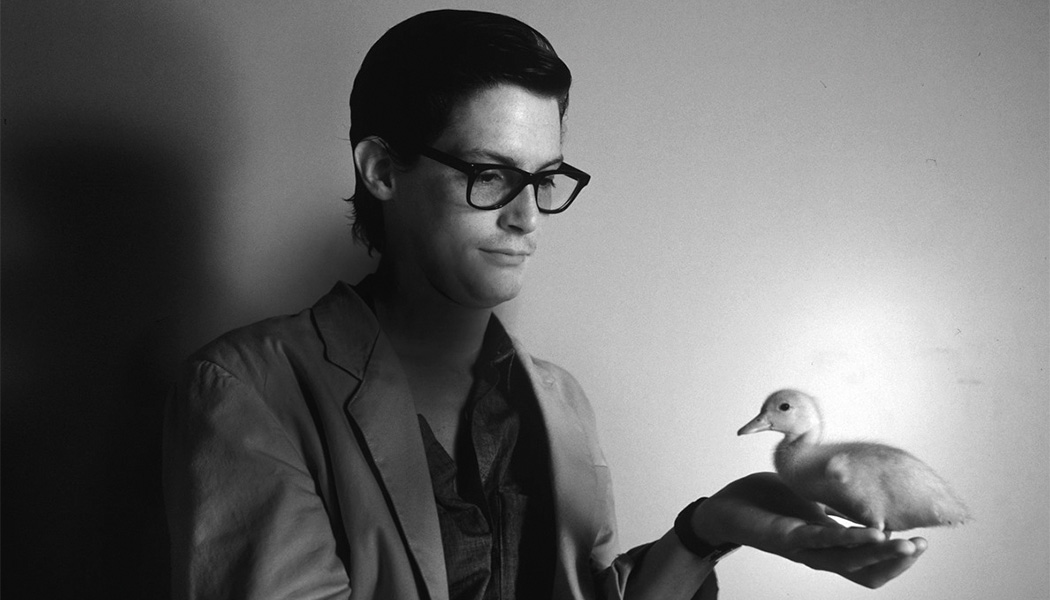
Born in Marino in ’93 to an Italian father and a Chinese mother, Federico Yang Maoloni had the misfortune of being struck by a passion for Cinema only during his first year of Law. Narrowly escaping a life spent signing contracts with ridiculously childish handwriting, he joined RUFA’s three-year Cinema programme. Forged in the fire of a thousand sets (I virtually shake your hand if you recognised the reference), he graduated with 110 with honours, presenting a very cheerful thesis on Cinema and the work of mourning. He continued his studies in America, entering the Master of Fine Arts in Cinema at San Francisco State University (they admit around 15 students a year, so allow me to gloat). At the moment – 2021 – he is developing a short film for his master’s thesis.
L’utilità sociale del cinema come lavoro anticipato del lutto
In the book “Lavoro del lutto, melanconia e creazione artistica”, by Massimo Recalcati, the following question is posed: what is the social, ethical message of a work of art?
The answer is that a work of art can have a social impact insofar as it bears witness to the existence of something that can never be integrated into the conformity of the reality principle, demonstrating that the ordinariness of what exists is a form of alienation.
By reworking Freudian and Lacanian theories, it is possible to derive a theory
on the social usefulness of art, and of cinema in particular, which this thesis attempts to develop. Neither with Plato, therefore, for whom the artist is an enemy of the polis, nor with those who argue that art is a comfort against individual anguish.