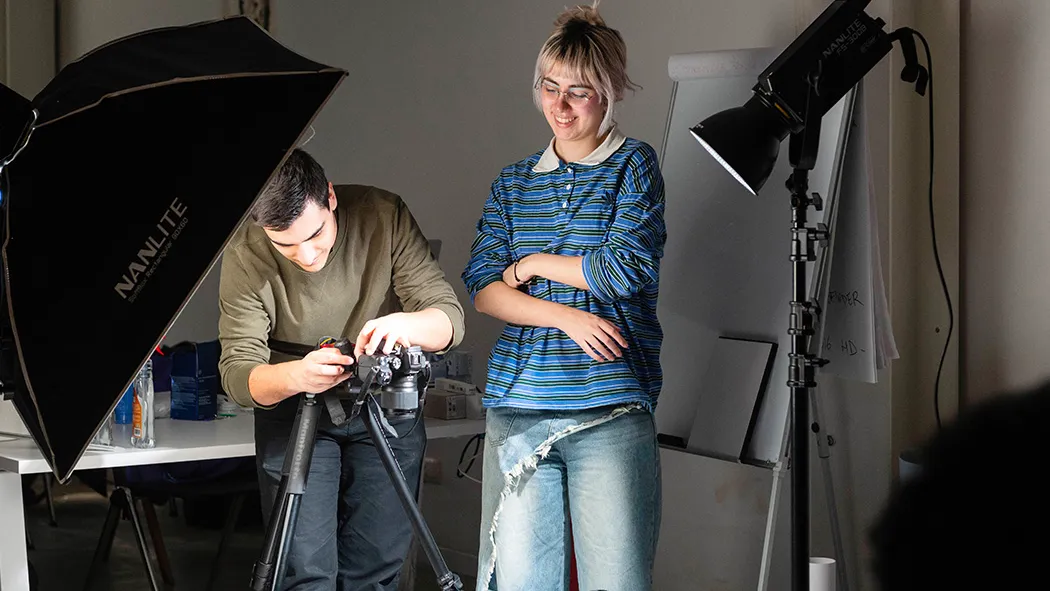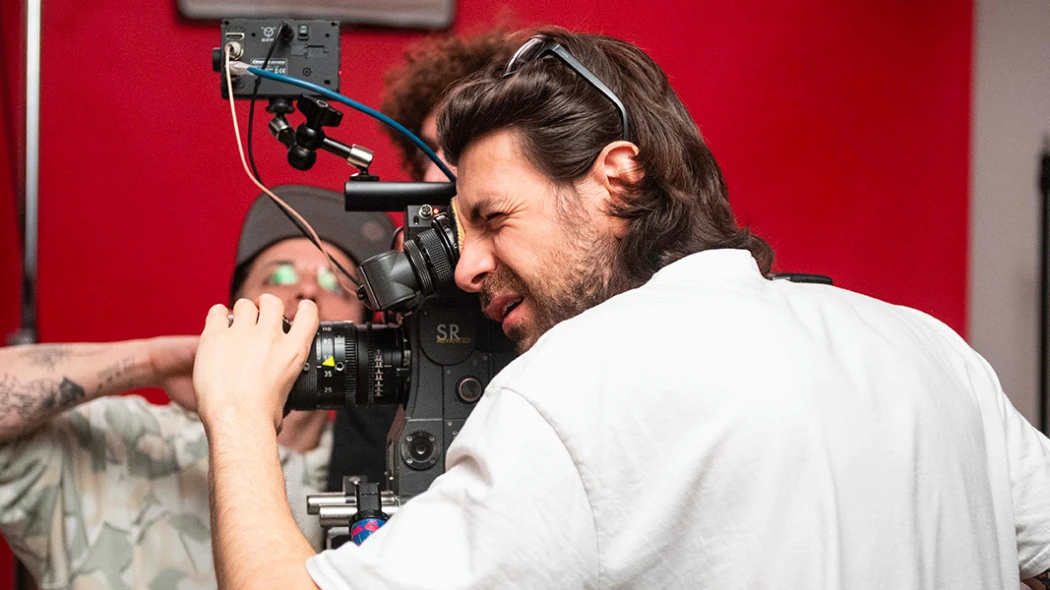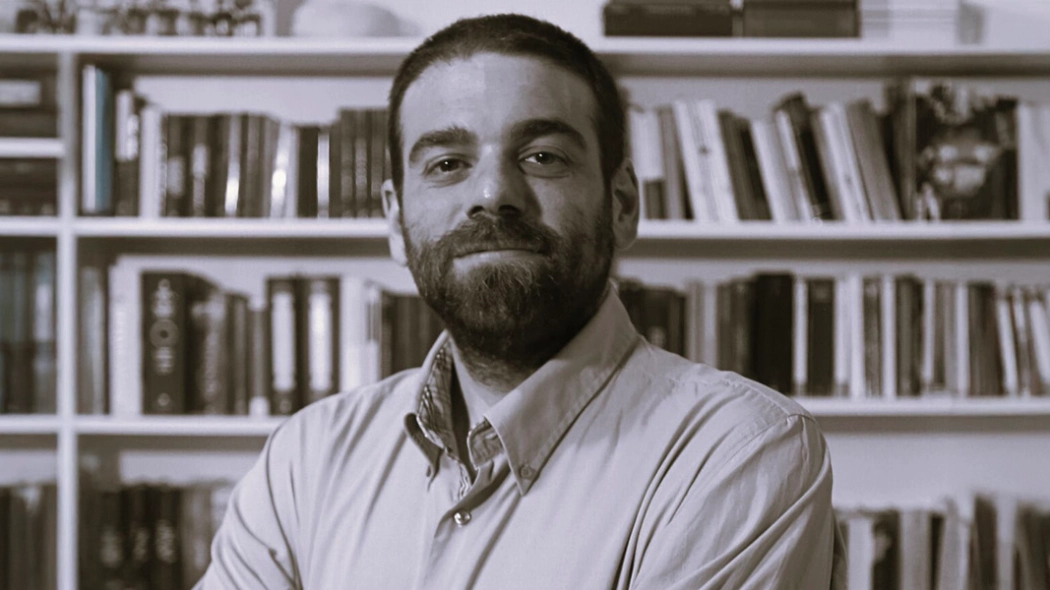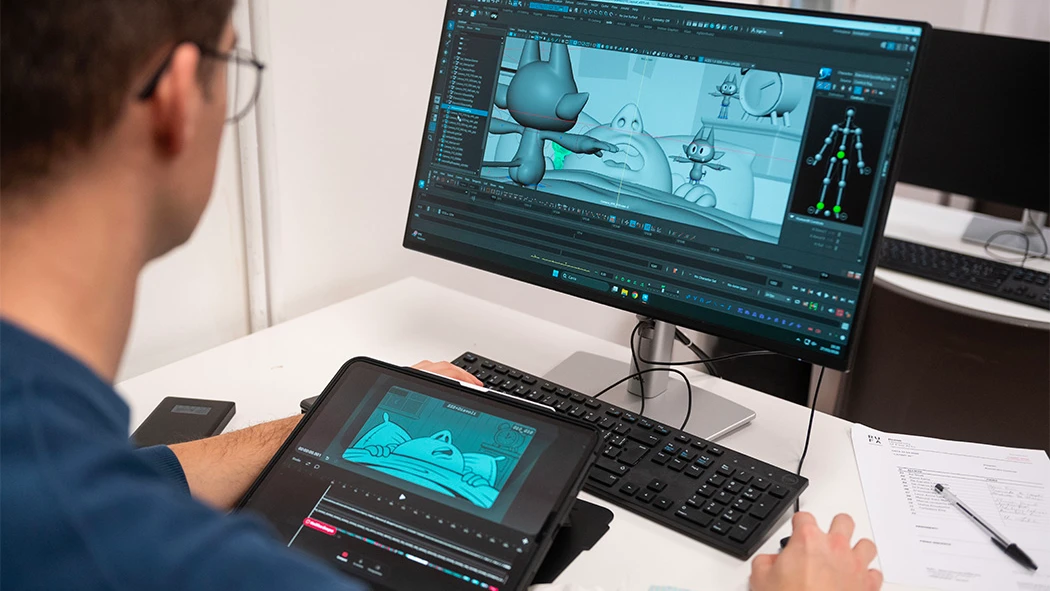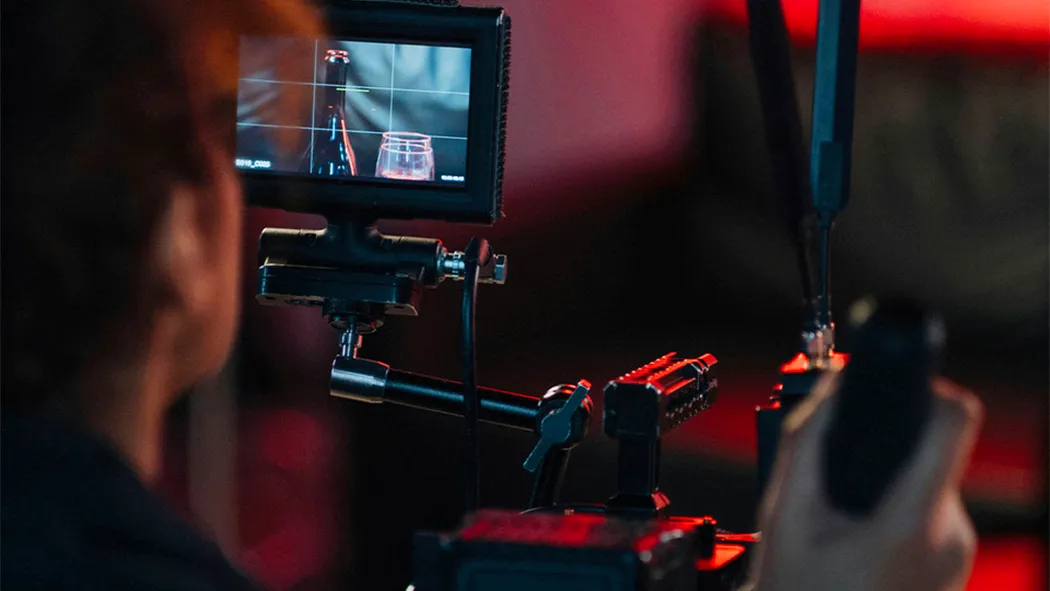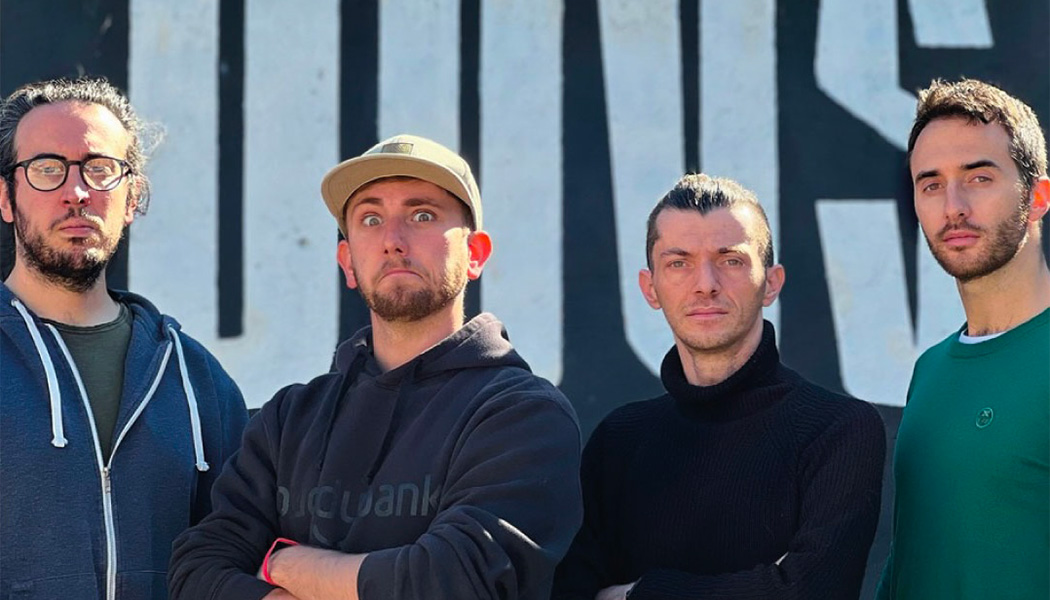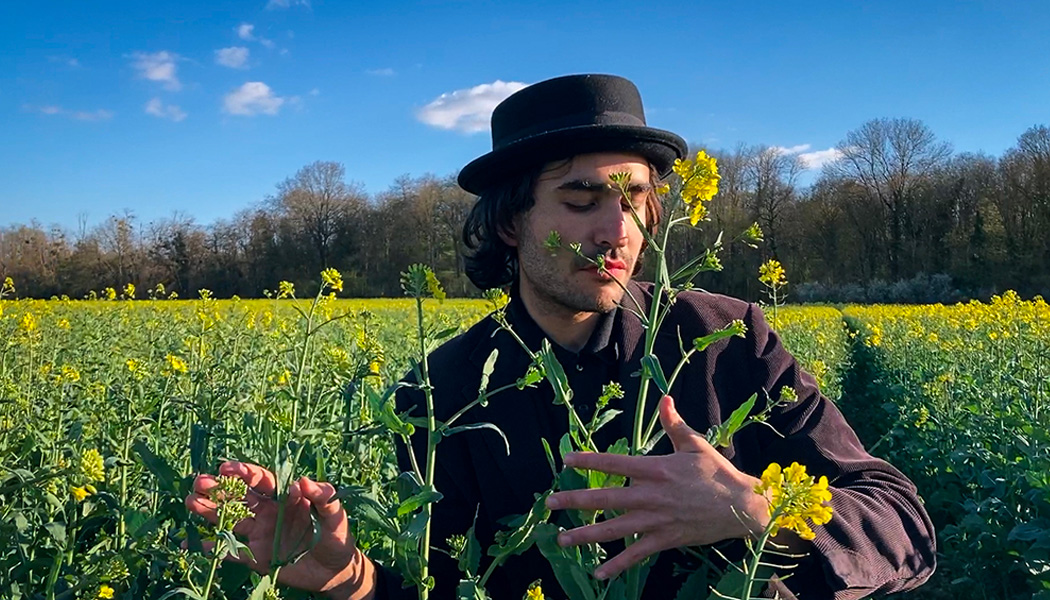
Born and raised in Naples, he moved to Rome in 2017 to attend the Cinema programme at RUFA (Rome University of Fine Arts). During the three-year programme, as well as encountering a vibrant artistic environment for the first time, he directed three short films and had the opportunity to gain a range of on-set experiences. He graduated in 2021 with 110 with honours, with a thesis/essay on the last twenty years of Italian cinema. He moved back to Naples in 2021, where he attended the two-year Cinema programme at the Accademia di Belle Arti di Napoli, alternating his studies with videomaking and on-set experiences.
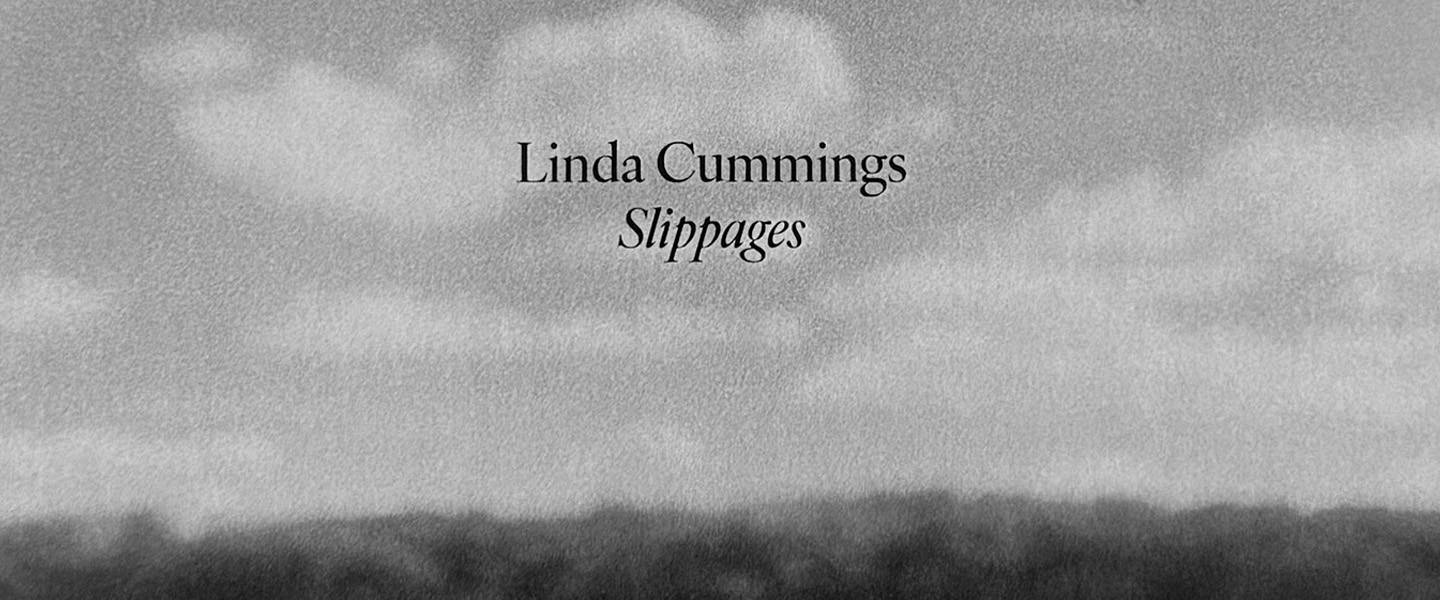
2000-2020: Venti anni di cinema italiano
When I decided to undertake a study of Italian cinema, it was mainly because this happens increasingly rarely and because Italian cinema is considered an incurable “patient”. There is no doubt that in recent years foreign film production has very often surpassed Italian production both industrially and qualitatively, but not talking about the problem is certainly not healthy either: on the contrary, it must be given great attention and analysed carefully if we are to imagine a possible solution. So what better way to understand the causes of the “illness” and look for a way out than to trace a path through Italian film production over the last twenty years. The path undertaken, however, is not intended to be “positivist” a priori, but simply a way of reflecting on what has been done well in order to enhance it and start again from there: a journey through the ruins that seeks to gather positive and constructive ideas for reflection in the name of a rebirth and reconstruction that seems increasingly distant and difficult, searching for the originality of certain films that have crossed these two decades of transition, often surrounded by a terrifying silence. There is no doubt that over the last twenty years Italian cinema has been undergoing major processes of change both from a qualitative and an industrial point of view and, at the same time, has once again begun to receive international critical acclaim, with several successes at festivals such as Cannes or Berlin. But how was this possible? Which processes and which trends have brought Italian cinema back to the attention of these venues after such a long time?
The first chapter explores the cinematic identity of these twenty years, starting from the more industrial aspect, then moving on to the relationship established with other media and concluding with the identification of the authors who guided the aforementioned processes and, in particular, of a key moment for this generation, before concluding with an analysis of the theoretical foundations on which its cinema is based.
The second and third chapters attempt to explain the two different approaches to form and content that have been dominant during this period, seeking to define them precisely and then analyse which films best express these approaches and which authors have adopted these modus operandi.
The fourth chapter is entirely devoted to the notion of genre, with a brief digression on the historical importance of this definition for Italian cinema, before moving on to how it has been used, hybridised or rediscovered over the last two decades; particular attention is devoted to documentary cinema, discussing the reasons for its rediscovery as well as the various experiments carried out with this specific type of language. Finally, the study identifies a genuine new genre that has emerged spontaneously from the distinctive characteristics of these new generations of filmmakers, examining both an auteur-oriented and a more commercial variation of it.
The final chapter broadens the discussion with a digression entirely devoted to the prospects facing global cinema in this highly turbulent era, in which society is constantly evolving and subject to a series of phenomena (social and otherwise) that began much earlier but have been accelerated by a pandemic that is bringing to completion issues that had already been underway for some time.