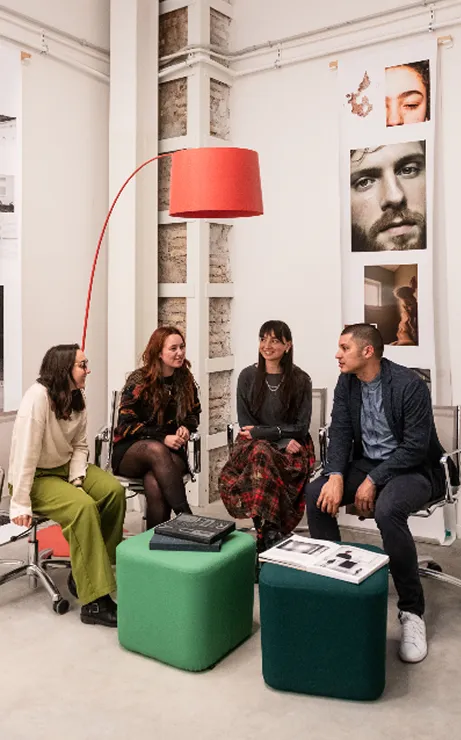
You will become a designer capable of shaping the contemporary habitat and the mobility systems of the future. You will learn to give form to spaces, products and innovative solutions, developing a design vision that integrates aesthetics, sustainability and new technologies, interpreting the needs of the community and helping to guide the cultural and social developments of our time.
Design
DURATION > 3 YEARS
ROME > ITALIAN or ENGLISH
MILAN > ITALIAN
COURSE START > OCTOBER
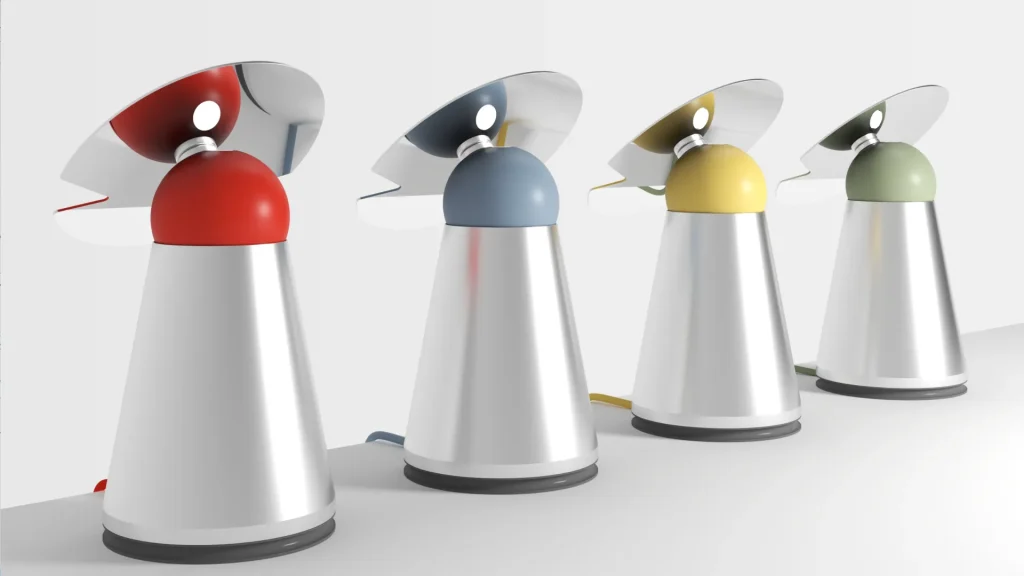
Design for New Scenarios
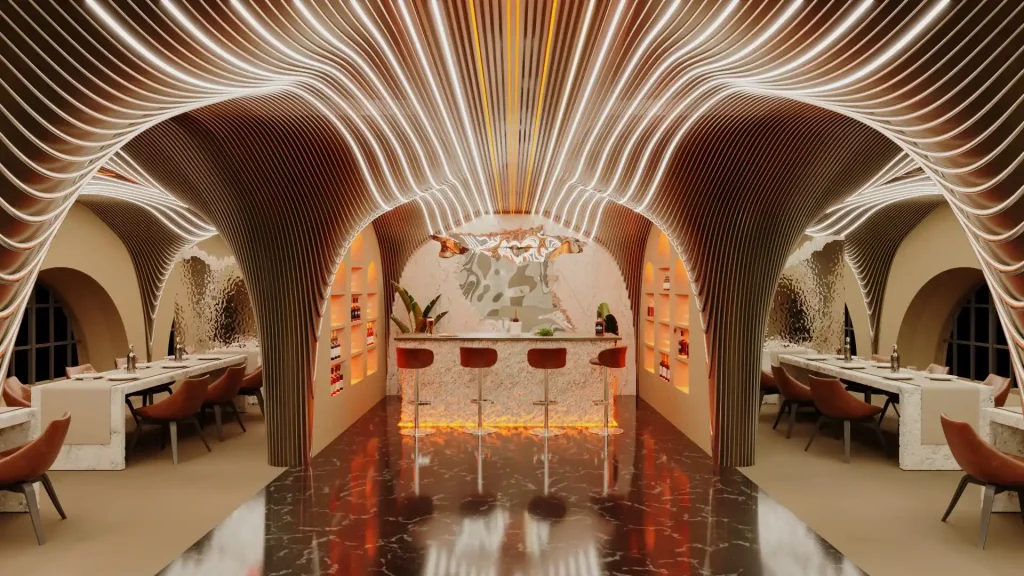
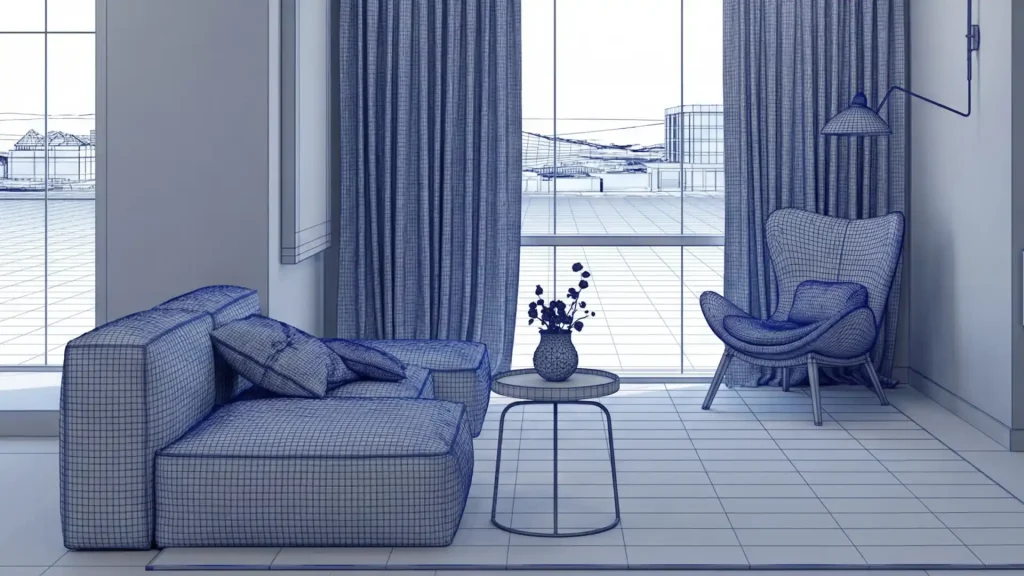
From product and interior design to sustainable mobility, the programme offers two curricula dedicated to the transformations of contemporary living. A multidisciplinary approach designed to train professionals capable of engaging with industry, technology, culture and society.
Curriculum
DESIGN
Rome/Milan · Italian or English
Contemporary spaces, furnishings and products are waiting to be renewed by the talent, intuition and skills of tomorrow’s designers. Today, the designer is a central figure in contemporary lifestyles and in processes of cultural and productive transformation.
Thanks to a solid education in design disciplines, the RUFA Designer develops cross-disciplinary skills that enable them to work in product design, interior design and multimedia design, approaching the challenges of contemporary design with method and expertise.
A versatile professional, the designer collaborates with both craftsmanship and large-scale industry, developing individual objects or entire product lines. Circular economy and environmental sustainability, together with digital fabrication and self-production, make the designer a key figure in the contemporary design economy.
CAR DESIGN
Milan · Italian
in collaboration with SPD - Scuola Politecnica di Design
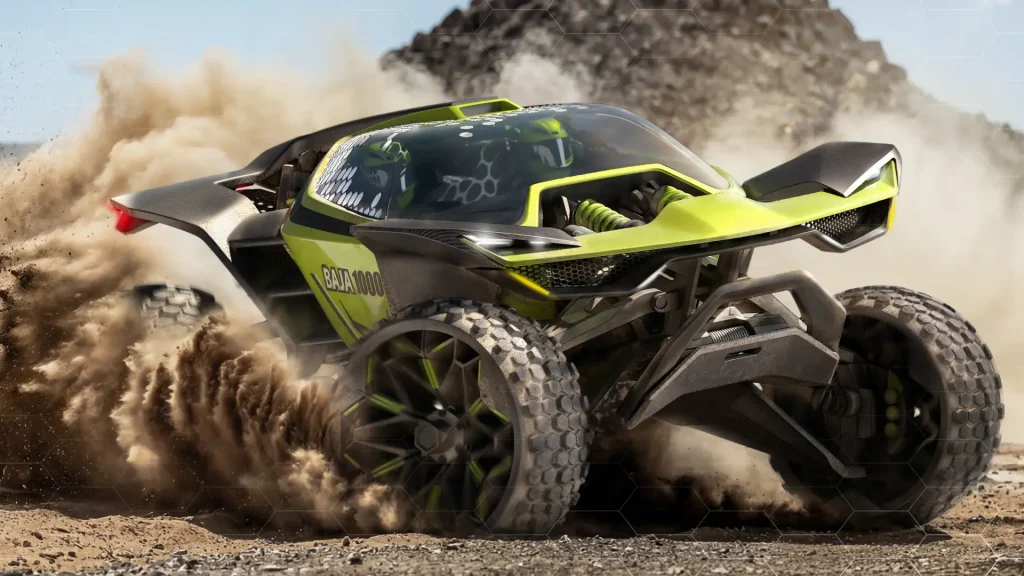
The Car Design curriculum, developed in collaboration with SPD – Scuola Politecnica di Design, trains designers capable of working in the fields of contemporary and future mobility, from the design of electric and autonomous vehicles to the development of urban mobility systems.
The programme explores vehicle interior design, fittings and mobility-related services in depth, preparing professionals to work in automotive companies, design studios, research centres and innovative startups.
Today, the mobility designer is a key player in driving change: combining product design, spatial design and interaction design skills to shape vehicles, infrastructure and sustainable transport solutions. Circular economy, shared mobility and emerging technologies make this role central to the new mobility economy, focused on innovation on both an urban and global scale.
Fields of Study
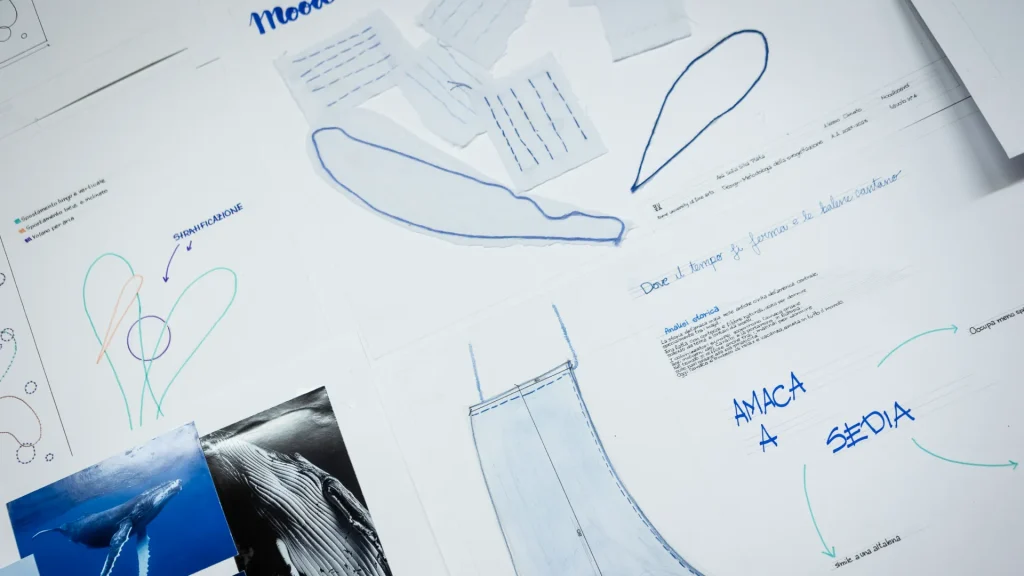
DESIGN METHODOLOGY
You will learn to transform ideas into concrete projects, developing a method that combines creativity, analysis and strategic vision. Through exercises, workshops and hands-on experimentation, you will acquire the ability to identify needs, interpret contexts and shape innovative and sustainable solutions for the world of contemporary design.
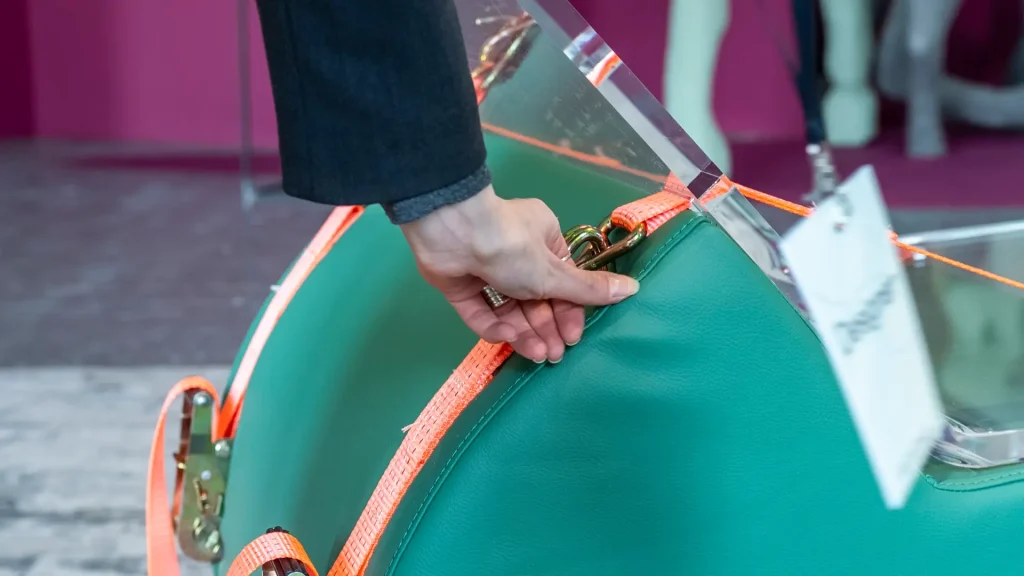
PRODUCT DESIGN
You will study the techniques and processes of product design, from concept development to prototyping, learning to combine aesthetics, function and technology. You will work with materials, forms and usability, developing models, furnishings and collections that engage with both artisanal and industrial production, with a focus on circular economy and innovation.
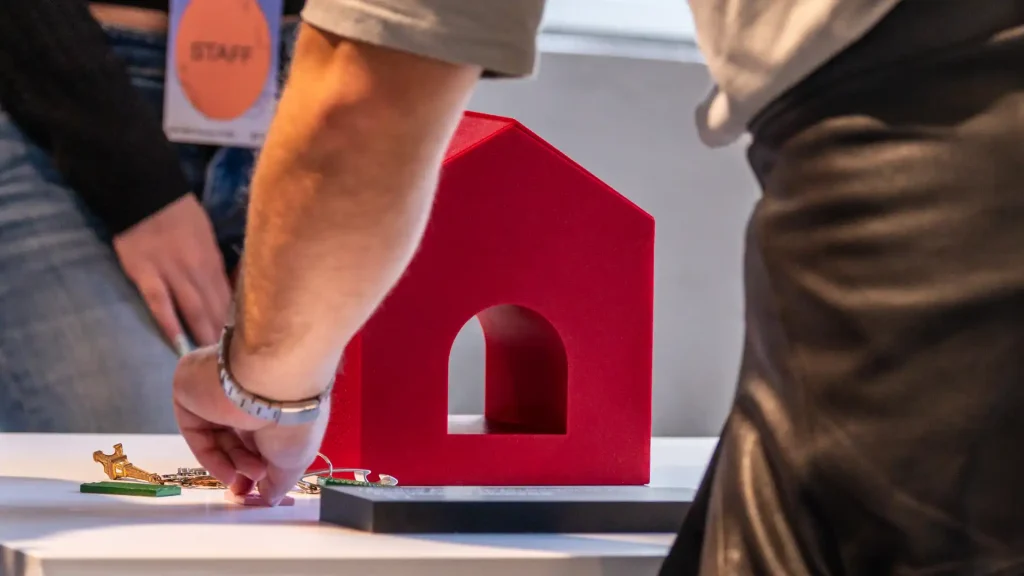
MULTIMEDIA DESIGN
Study of digital design and interactive design: how to equip everyday objects and environments with computational capabilities. Electronic prototyping and Physical Computing. Interaction Design workshop with the development of a final examination project.
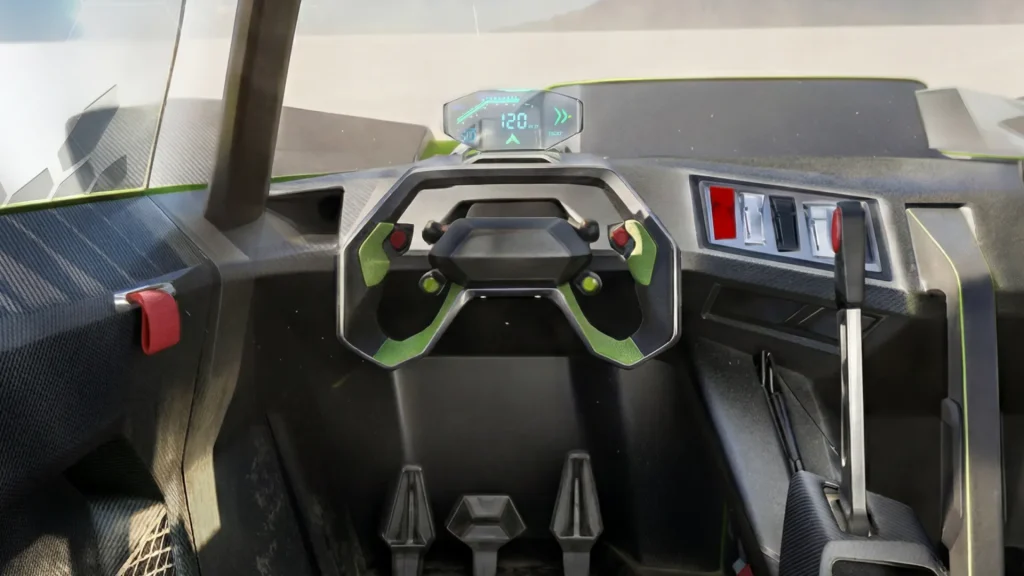
CAR AND MOBILITY DESIGN
You will explore vehicle design and contemporary mobility systems, examining the relationship between form, function and user experience. You will learn to integrate product design, spatial design and interaction design to develop solutions related to sustainable mobility, electric vehicles and new urban scenarios, engaging with the automotive industry and research centres.
QUALIFICATION
Bachelor of Arts
180 CFA credits
FUTURE CAREERS
DESIGN MODULE
- Interior Designer
- Product Designer
- CAD Designer/3D Modeller
- Exhibit Designer
- Lighting Designer
- Interaction Designer
CAR DESIGN MODULE
- Car Designer
- Mobility Designer
- 3D Modeller
- Concept Designer
MAIN SUBJECTS
- Interior Design
- Product Design
- 3D Digital Modelling
- Lighting Design
A study method designed for you
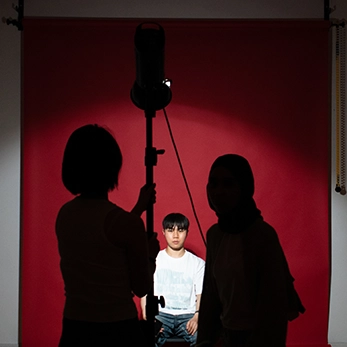
LEARNING BY DOING
In RUFA, you learn by doing. Alongside the solid foundation of a university-level education, you will develop a hands-on approach that allows you to work on real projects, experiment, and build immediately applicable skills. Each course helps you transform ideas into prototypes, artworks, videos, concepts, installations, or products.
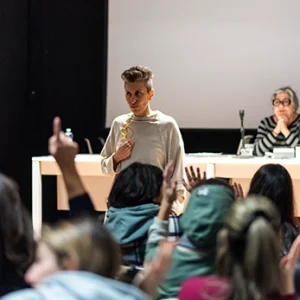
EXTRA DIARY
Workshops, laboratories, exhibitions, talks, and collaborations with companies are an integral part of the learning experience. The classroom opens up to the professional world and becomes a space where you engage every day with professionals, creative directors, artists, and designers. This allows you to understand how the industry you want to grow in truly works.
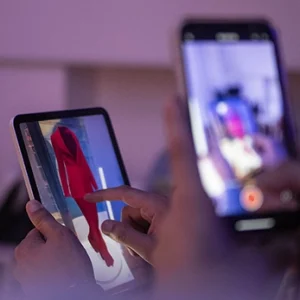
RESEARCH AND CROSS-POLLINATION
Every discipline becomes a space for experimentation. RUFA encourages you to blend languages, visions, techniques, and tools, combining artistic tradition with technological innovation. Here, you can explore, experiment, create connections, and find your own creative identity.
Requirements
ITALIAN STUDENTS
- High School Diploma
EU AND NON-EU STUDENTS
- High school diploma valid for the Italian higher education system
- B2 certificate in the language of the course
Following admission, NON-EU students will be required to start the procedure for obtaining a study visa.
Study plan
The RUFA Bachelor of Arts requires the acquisition of 60 academic credits for each academic year.
To obtain the qualification, students must complete the entire study programme, achieving a total of 180 CFA (Academic Formative Credits).
Attendance is compulsory for all classes at RUFA’s campuses.
| SUBJECT | ECTS |
|---|---|
|
The links between form, structure and function of objects. Study of the principles underlying a sustainable design methodology and the different strategies. Realization of a complete project: prototype, model or layout.
| 6 |
|
Knowledge of common graphic elements and tools for technical drawing: construction graphics, metric scales, basic elements of orthogonal projections, axonometric projections and techniques for architectural metric survey. Representation of an architecture, or parts of it, with furnishing elements and details, using the most appropriate scales.
| 6 |
|
AutoCad: basic commands and principles. Hatches, backgrounds and masking, texts, dimensions. Creation and application of dimensioning blocks on scale 1:3 of the drawing, modification of existing objects, raster graphics, insertion of squares and scale ratios. Development of an assigned project: representation of plans, sections, prospects and details.
| 6 |
|
Realization of concrete objects starting from intuitions, graphic sketches, design forms not yet finalized. All the way to three-dimensional models that conclude the design process. Final report related to the work carried out during the course, as well as time and costs estimates for the production of the final object.
| 6 |
|
Focus on the peculiarities of sustainable design materials and their rational use in industrial production. Assessment of the physico-chemical and mechanical properties of the materials analyzed; in relation to the technologies, advantages and risk levels related to their processing. Deepening of the characteristics of natural and artificial materials such as wood, stone, stoneware, resin, composites, etc., in relation to their practical applications, with the aim of identifying their requirements and evaluate the appropriate and sustainable choice according to the type of project.
| 8 |
|
Learning the correct method of analyzing objects, ideas and contemporary design forms. Encouraging the development of a critical sense in the acquisition and review of historical data. International design context and movements from the late nineteenth century to the second world war.
| 6 |
|
First approach to developing and drafting interior spaces. Study of shapes and space. Understanding measurements based on functional and ergonomic standards connected with humans.
| 12 |
| Interior design | 8 |
| Applied technology | 4 |
|
Introduction to parametric modeling with an overview of the software Rhinoceros, used in the job market. Two-dimensional parametric design and three-dimensional modeling. Photography in a virtual environment: lights and materials for rendering. Control parameters for 3D printing.
| 6 |
|
Design knowledge necessary for the realization of models and prototypes using innovative digital technologies. Development of theoretical and practical activities to become aware of digital production systems such as: 3D printing, laser cutting, CNC milling.
| 4 |
| SUBJECT | ECTS |
|---|---|
|
Study of the most important key players, contexts and movements of international design from the second post-war period to the present day: monographic studies.
| 6 |
|
The role of the interior designer in the contemporary world: relations with the client, commercial strategies, materials, identity, communication, research, product. Study of the different types of exhibit designs. Realization of a final project related to the concept store.
| 12 |
| Interior design | 8 |
| Exhibit design | 4 |
|
Two-dimensional drawing and three-dimensional modeling techniques with specific software. File management and document exchange between 3D and architecture software. Features of the software for the study of lights and materials, to simulate reality through the construction of the photographic image.
| 6 |
|
Lighting explored through practical exercises. Developing the necessary skills to make the most of the technological means for the creation of lamps with different technologies: incandescent lamps, halogen lamps, fluorescent lamps, LEDs and OLEDs. Realization of a final prototype.
| 8 |
|
Functional, typological and morphological analysis of products based on a selection of significant examples, both historical and contemporary. A systemic approach which takes into account global assessments: socio-economic analysis, target, market positioning, product life cycle, recycling and reuse of materials and technological processes.
| 6 |
|
Study of the construction, analysis and understanding of all of the elements that make the building. Focus on the evolution seen from an historical point of view, as well as the location of the building in relation to the territory. Technological-design project to apply the theoretical topics learned.
| 6 |
|
The historical-technical and aesthetic changes that occurred in architecture in the period that goes from the mid-19th century to the present day. Study of the rapid development both in terms of the construction of buildings and urban planning and of the environmental changes caused by technological progress and demographic growth.
| 6 |
|
Study of themes and topics related to the art field through the use of specific vocabulary and styles to improve the students’ communication skills in English.
| 4 |
| Elective educational activities | 6 |
| SUBJECT | ECTS |
|---|---|
|
History of electronic and digital arts. Retracing all of the experiences that have marked art practices from the 1960s to today. Focus on the field of Media Art and Sonic Art.
| 6 |
|
Work in teams to develop projects and research on assigned topics, as part of 3 practical exercises. Develop a final interior design project, from concept to executives, on the theme 'the restaurant'. In-depth study of international exhibitions that contributed to the urban planning of the cities involved, and to the cultural impetus of European countries. Study of the link between art communication and the historical period.
| 12 |
| Interior design | 8 |
| Exhibit design | 4 |
|
Designing with new digital technologies: the fundamental role of three-dimensional printing in furniture and design. Real world 3D printing: from research to technical drawing, passing through the modeling and production of a project using prototypes with a 1:5 and 1:1 scale.
| 6 |
|
Deepening of the knowledge acquired during the basic 3D softwares module and study of lights. Introduction of new elements and processes aimed at improving the quality of modeling and rendering. Acquisition of the knowledge necessary to produce and edit a CGI video for architectural visualization, respecting the specific rules and objectives.
| 6 |
|
Study of digital design and interactive design: how to equip everyday objects and environments with computational capabilities. Electronic prototyping and Physical Computing. Interaction Design laboratory and realization of the final exam project.
| 8 |
|
Structural issues linked to the conceptualization and standardization of layout, format, grids, compositional tension between empty and full spaces and typographic quality. In-depth study of the semantic aspects and the staging of the project. Contents and integral parts of the overall portfolio, such as mood boards, cartouche or visual language, will be covered individually through preparatory exercises.
| 6 |
| Further language and interpersonal skills, internships, etc. | 4 |
| Elective educational activities | 4 |
| Thesis | 8 |
Student Projects
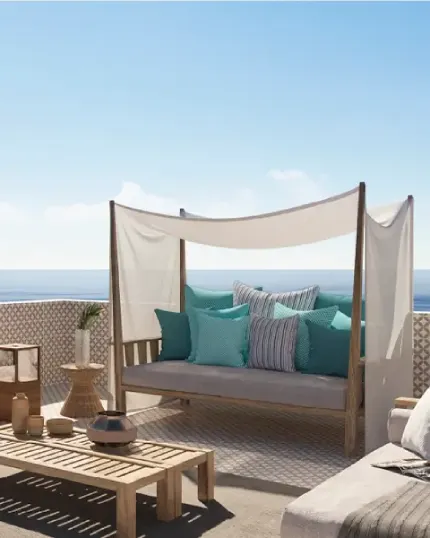
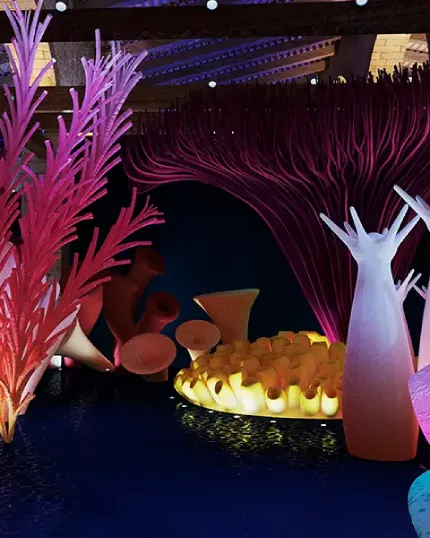
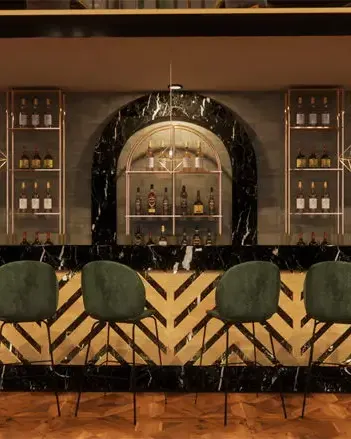
Faculty
-
Coordinator
Alessandro Ciancio
-
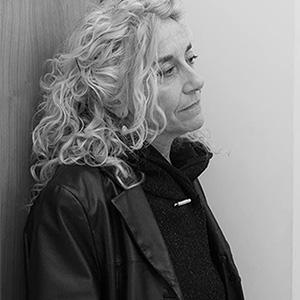
Professor
Michela Becchis
-

Professor
Erica Bellucci
-
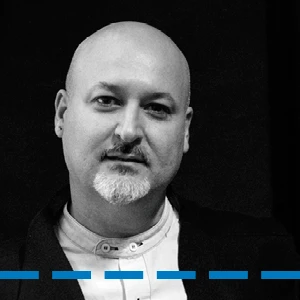
Professor
Paolo Buonaiuto
-

Professor
Silvia Cassetta
-

Professor
Alessio Cimato
-

Professor
Alessio Cremisini
-
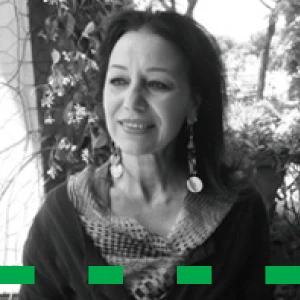
Professor
Rosella Cuppone
-

Professor
Moritz Elbert
-

Professor
Giulio Fermetti
-

Professor
Gian Luca Gentili
-
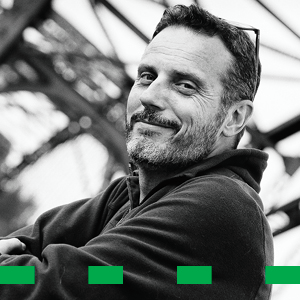
Professor
Alessandro Gori
-
Professor
Gianfranco Manzo
-

Professor
Giorgio Marcatili
-

Professor
Stefano Mavilio
-

Professor
Dorotea Ottaviani
-

Professor
Paolo Parea
-
Professor
Luigi Prestinenza Puglisi
-
Professor
Meltem Eti Proto
-
Professor
Giuseppe Ragosta
-

Professor
Michela Reverberi
-

Professor
Christian Rizzo
-

Professor
Enrico Secci
-

Professor
Luca Solazzo
-

Professor
Emanuele Tarducci
-
Professor
Alessandro Vergoz
Community Voices

RUFA at Milan Design Week 2026 with “Luminous Depths”

Projects on Display at RUFA Space
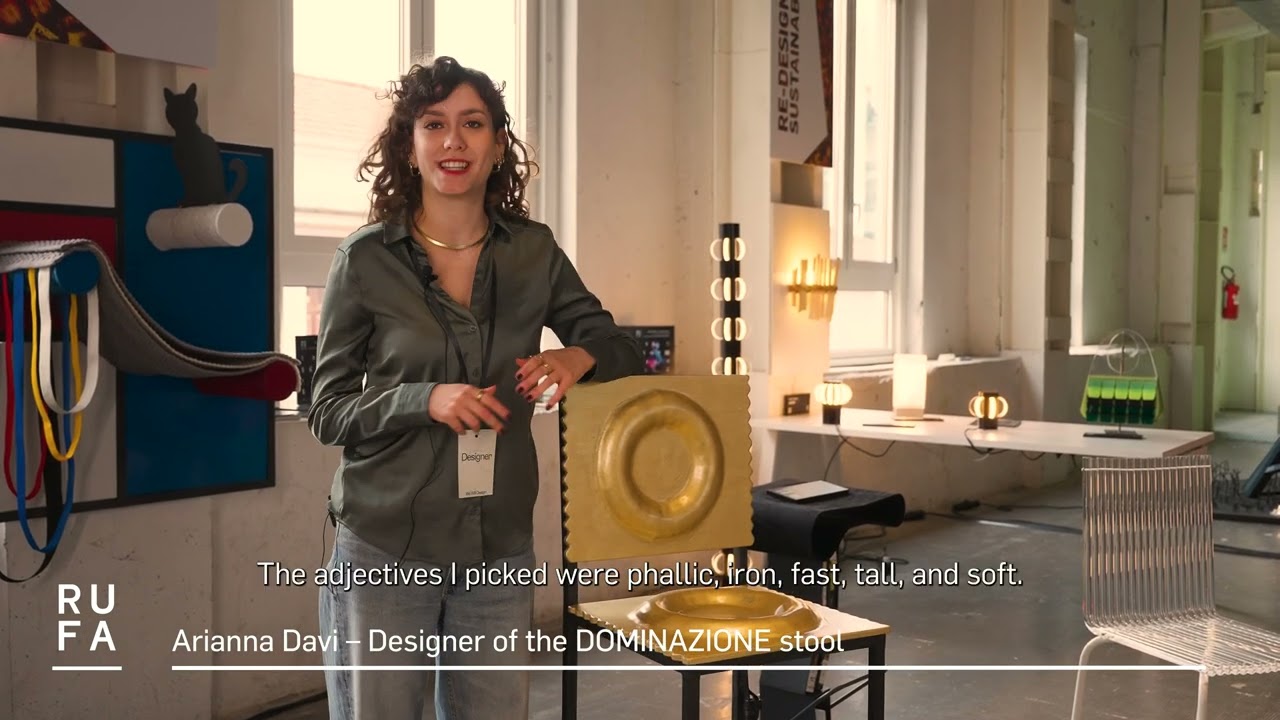
“Re-Designing Sustainability” | Design Week 2025






Request Information
News and Events
-
RUFA and Saint Louis: creativity comes Milan
BOVISA AL PLURALE: voices, spaces, stories
-
RUFA at Maker Faire Rome 2026
-
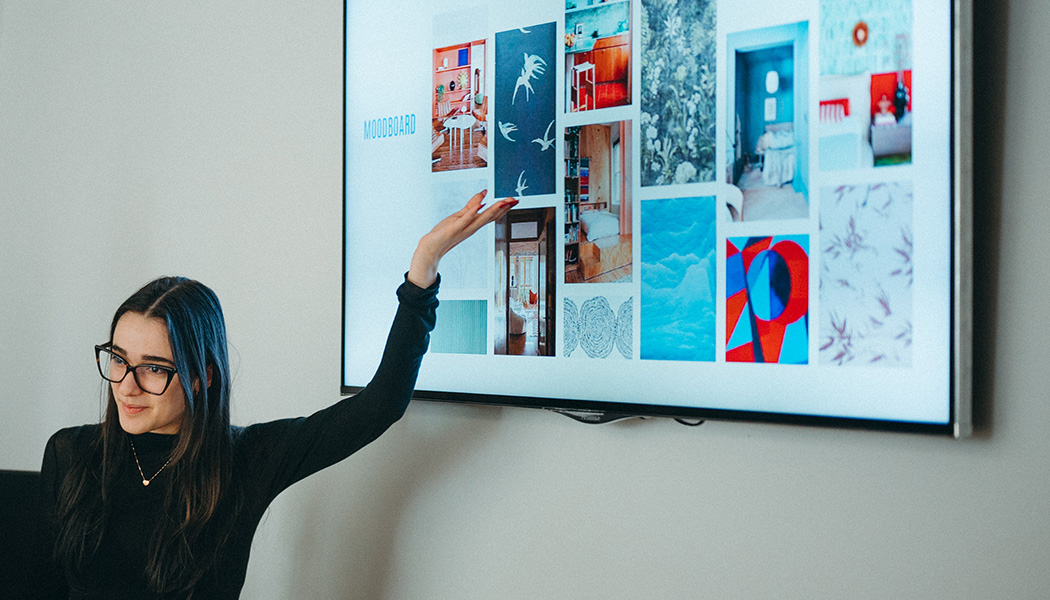
Designing Tomorrow’s Spaces with IKEA Italia
-
RUFA alla Milano Design Week 2026 con “Luminous Depths”
-

WONDER CEREMONY: La più grande cerimonia al mondo – Talk con Francesca Martinazzo
-
Andrea Branzi e la Scuola di Piazza Bausan
Do you have questions about the RUFA world? We are here to guide you!
Our guidance team is here for you all year round, ready to answer all your questions.