



TAUGHT IN ITALIAN OR ENGLISH ❯
Master’s program focused on the documentation and valorization of cultural heritage.
The Master in Photography and Italian Cultural Heritage trains professionals capable of working in the documentation, preservation, and visual communication of cultural heritage, both in Italy and abroad: cultural heritage photographers, authors of photographic campaigns, digitization specialists, data managers, archive curators, and project managers dedicated to the enhancement of artistic heritage. The program integrates creative, technical, and managerial skills to develop sustainable and innovative projects capable of engaging institutions and the public.
Each year, the curriculum includes a publication and an exhibition event in collaboration with a cultural institution, serving as a moment of synthesis and public presentation of the projects carried out.
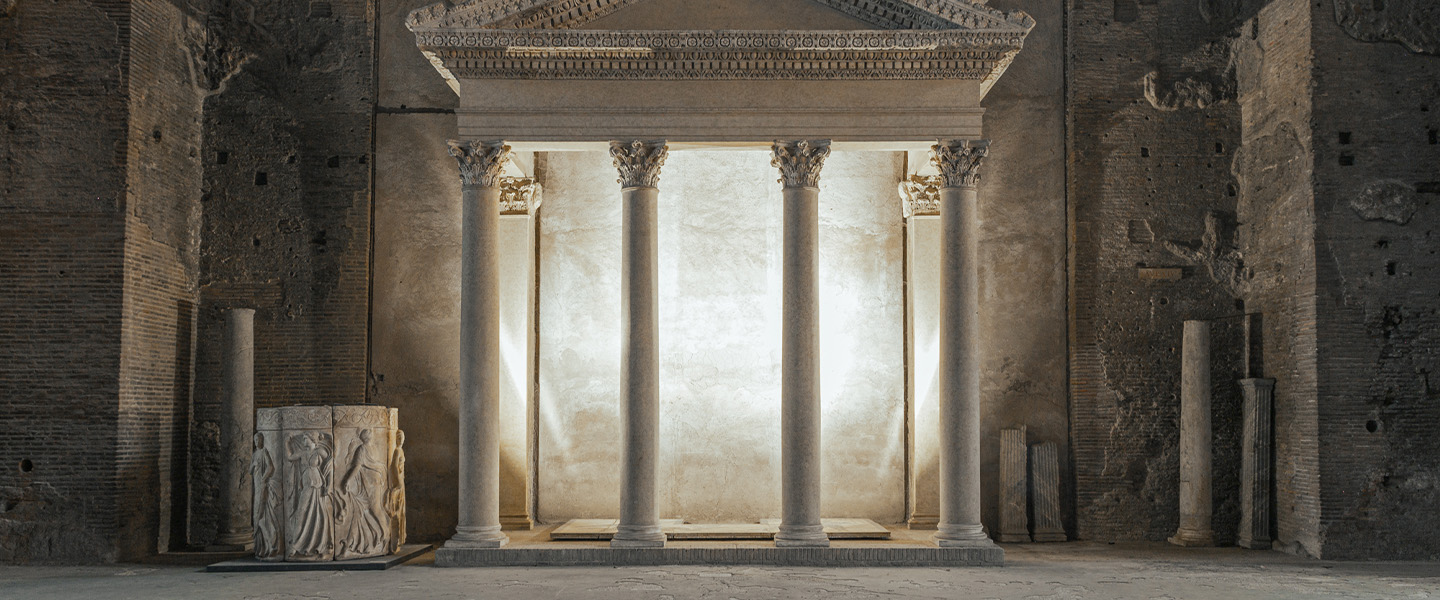
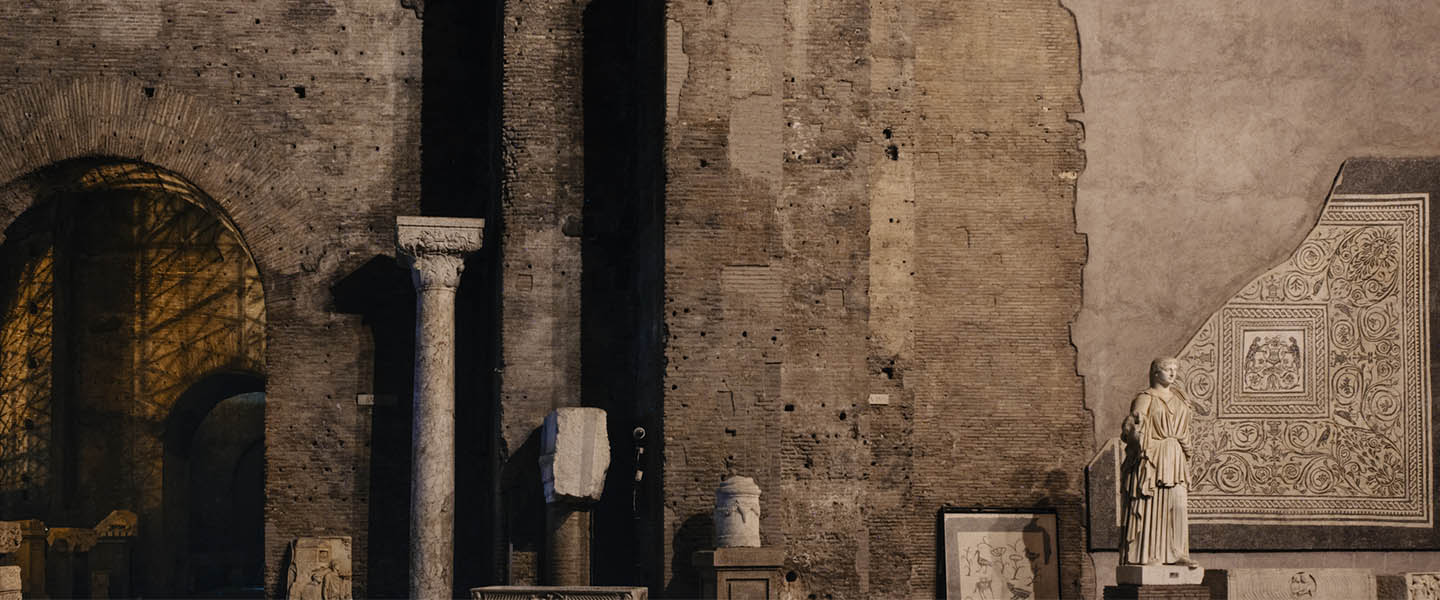
Since 2021, RUFA has been collaborating with the Istituto Centrale per il Catalogo e la Documentazione (ICCD). An experience that allowed students to work on real-world assignments, resulting in exhibitions and publications officially acquired by the ICCD, including Perspectives. Photographing the Galleria Spada (2023) and Baths of Diocletian. Photographing the Museo Nazionale Romano (2024).
MASTER’S DURATION > 12 MONTHSLECTURE HOURS > 500
INTERNSHIP HOURS > 250CULTURAL AND PRIVATE PARTNERS > +50
LANGUAGE > ITALIAN OR ENGLISHVISITING PROFESSORS > +20
Listen the testimonials to discover the value of these collaborations.
The Master’s program places methodology and practice at its core: from photographic shooting to post-production; from the digitization of archives and negatives to photogrammetry and 3D scanning; from the planning of fieldwork campaigns to multimedia design for online and exhibition-based use. A strong focus is placed on archiving standards and metadata, the organization of editorial and exhibition projects, project management, and dissemination channels.
The goal is to train well-rounded professionals capable of leading enhancement processes with an integrated vision that connects research, technology, and communication.
The Master in Photography and Italian Cultural Heritage benefits from established institutional partnerships that, depending on ongoing projects and availability, can host students for a 250-hour curricular internship, as well as collaborate on the annual publication and exhibition event. Main partners: Central Institute for Cataloguing and Documentation (ICCD); National Roman Museum; Museum of Rome in Trastevere; Palazzo Braschi; Roma Culture – Capitoline Superintendence for Cultural Heritage; Zètema Progetto Cultura;
This Master’s program starts in March of the current year, ends in March of the following year, and includes 250 hours of internship. Attendance is mandatory.
Applications are now open for the intake of March 2026.
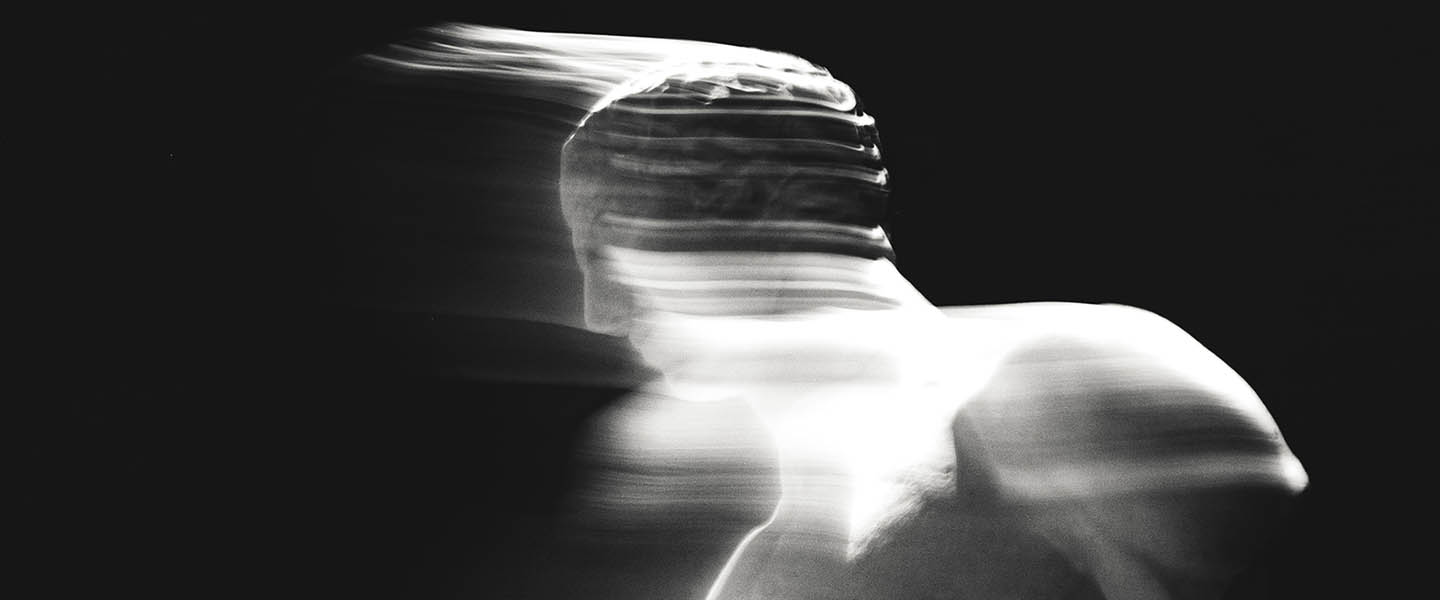
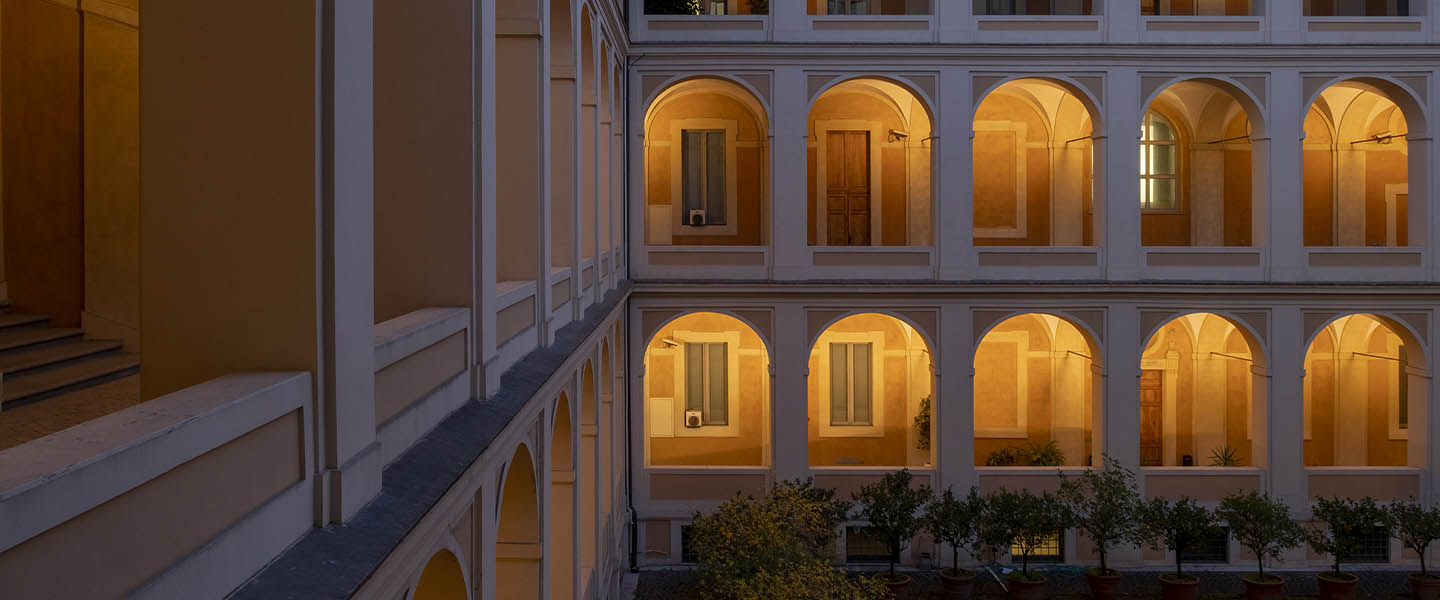
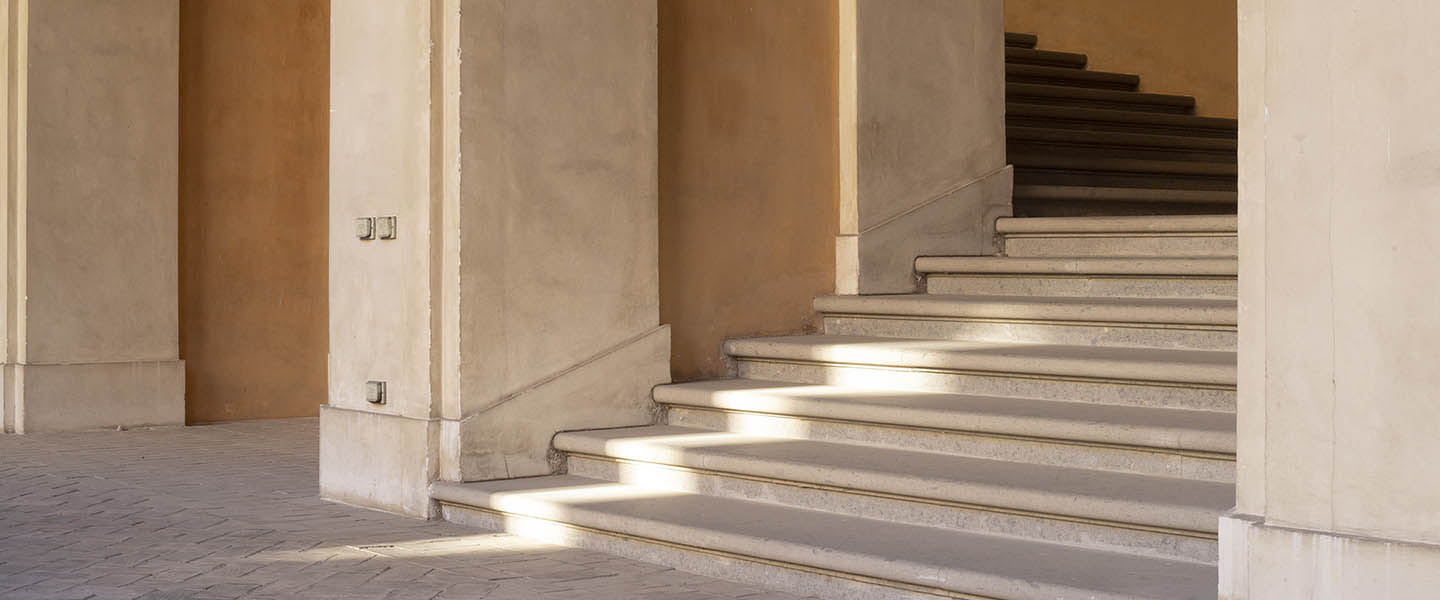
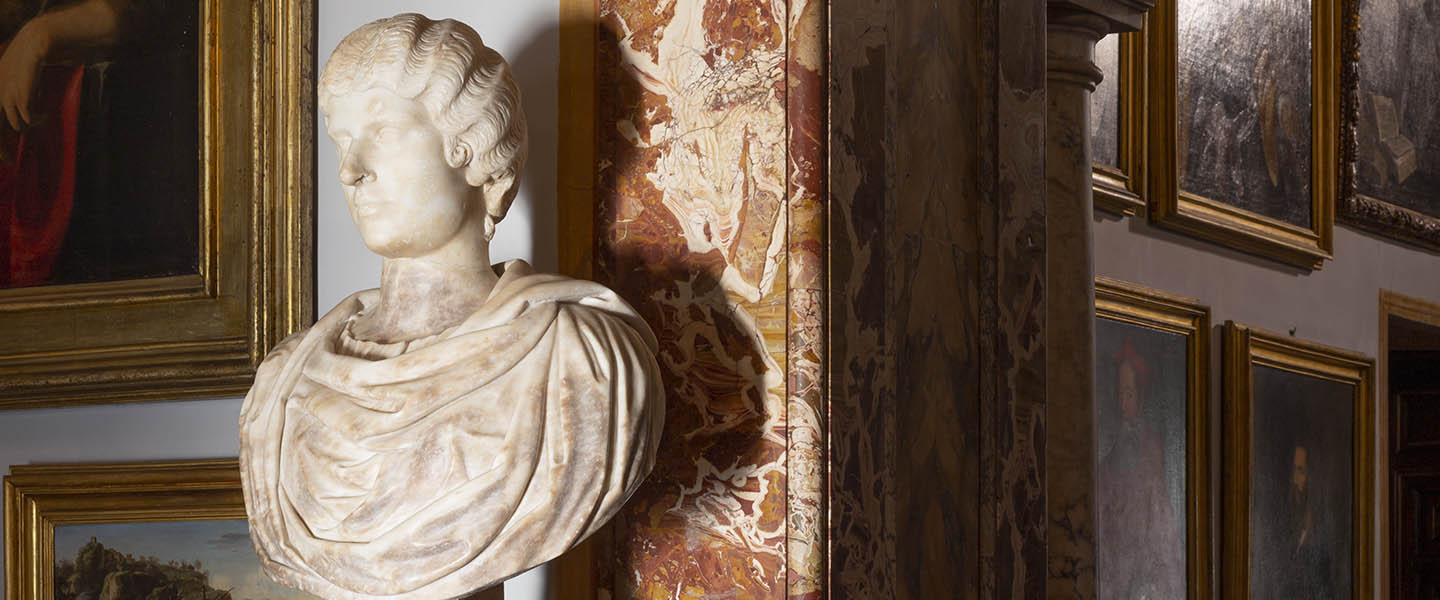
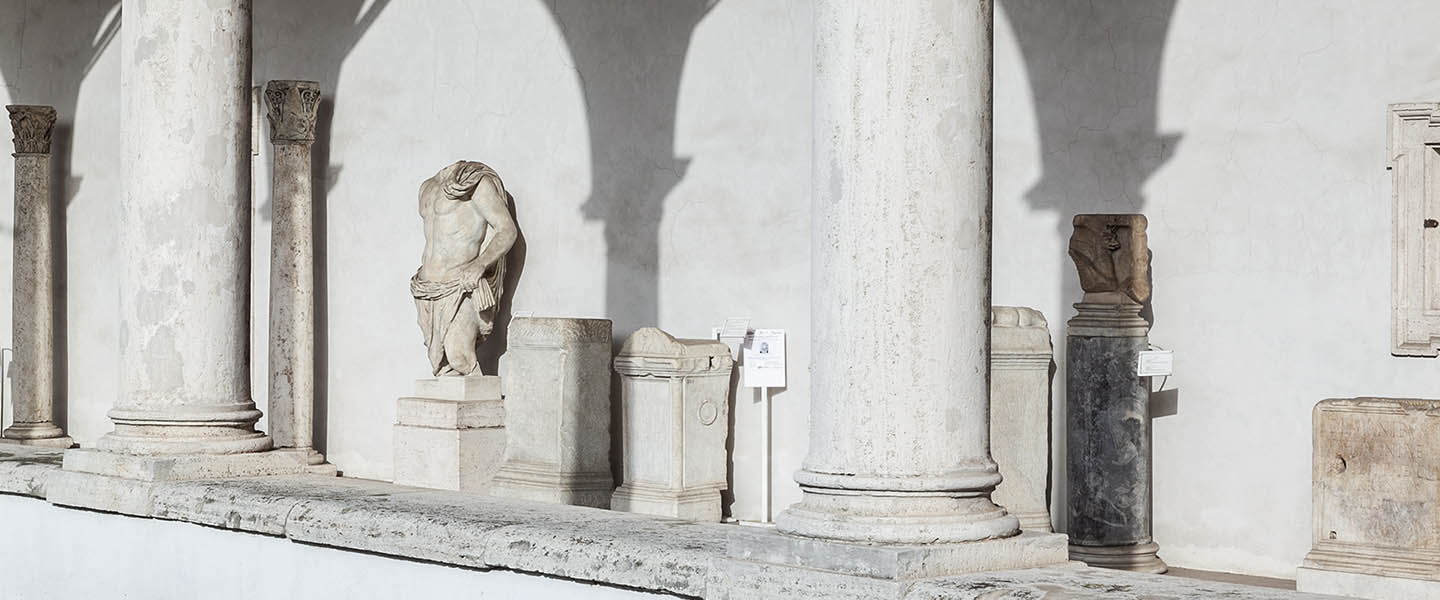
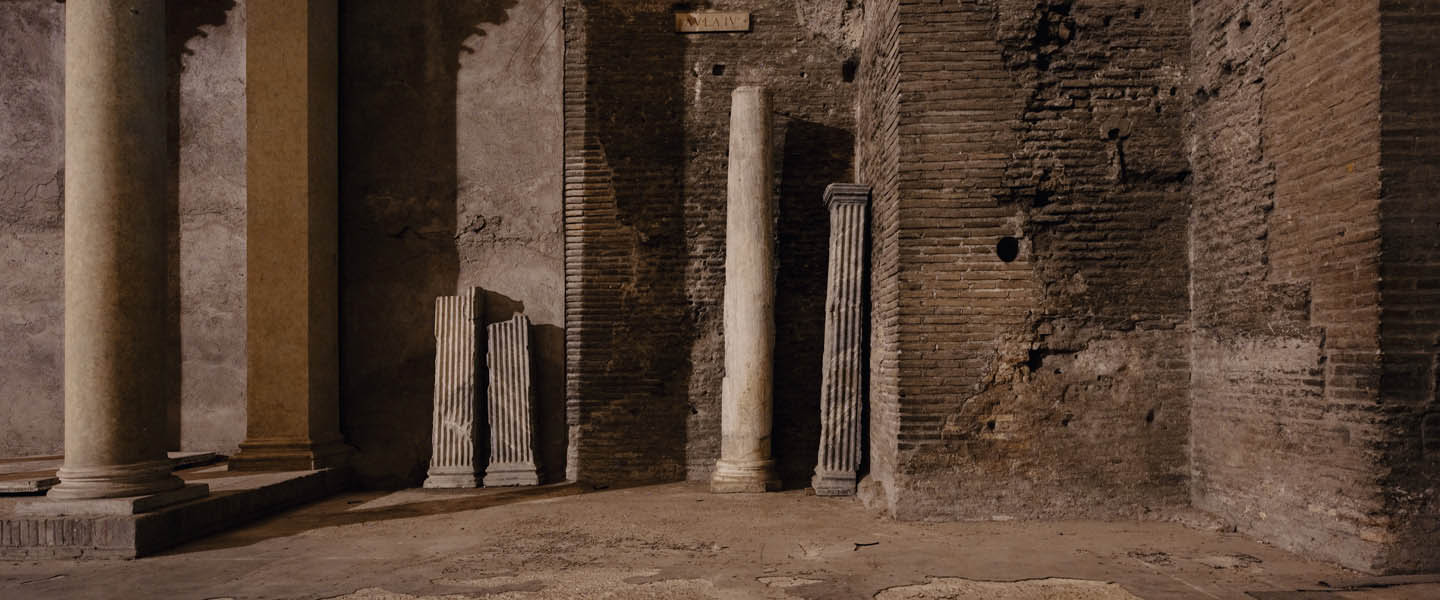
Slider Photo Credits: Armando Egidi – Maria Teresa Tenaglia – Alessandra Florea – Luca Nacca – Alice Fincato – Edoardo Di Benedetto – Miriam Galimberti – Denisa Gavriloaia – Michele Baldi
REQUEST MORE INFORMATION
ACADEMIC MASTER IN PHOTOGRAPHY AND ITALIAN CULTURAL HERITAGE
Study Program
| SUBJECTS | ECTS | Hours |
|---|---|---|
|
Photography for Cultural Heritage
The course explores the various forms and applications of photography for documenting and enhancing cultural heritage. From architectural and landscape photography to the capture of artworks, and from documentary projects to personal and authorial ones, the programme provides the tools needed to develop technical, professional, and artistic skills. It includes thematic modules, contributions from visiting professors, and a field-based photographic campaign.
| 12 | 150/150 |
|
Graphic Design
The course addresses methods and techniques for layout and the development of editorial projects, preparing students to work on any type of production, both print and digital. Particular attention will be devoted to process management and practices within visual communication design, with the aim of fostering critical awareness and autonomy in graphic design.
| 4 | 50/50 |
|
Methods of Archiving and Preserving Digital Art and Photographic Heritage
The course explores the theory and techniques behind various methods of archiving, preserving, and promoting photographic heritage. From the digital acquisition of photographs and negatives to the creation and management of databases, it examines the role of the archive as both a tool and a critical interpretative device.
| 4 | 50/50 |
|
Multimedia for Cultural Heritage
The course focuses on designing multimedia exhibits for the promotion of cultural heritage. It covers legislative and regulatory aspects through the definition of heritage and the analysis of the main laws governing it. Students will explore how to enhance cultural assets through content selection and accessible presentation, supported by practical exercises on the use of diverse multimedia tools.
| 4 | 50/50 |
|
Digital Image Processing
In addition to advanced photographic post-production techniques, the course introduces the main technologies used in cultural heritage documentation, such as photogrammetry and 3D surveying.
| 6 | 75/75 |
|
History of Photography and Documentation
The course provides historical, artistic, and critical knowledge of photographic languages, with a focus on authors, projects, and documentation campaigns that have portrayed artistic, museum, architectural, landscape, and social heritage.
| 6 | 45/105 |
|
Organization of Editorial and Exhibition Activities
The course covers the planning, organization, and coordination of editorial projects—both digital and printed—as well as exhibition events dedicated to the promotion and documentation of cultural heritage. Activities include in-depth sessions, practical exercises, and a focus on working with publishers, producers, and museum institutions.
| 6 | 75/75 |
| A.F. Additional linguistic and relational skills, internships, workshops, artistic production, etc. | 10 | 250 |
| Final Project | 8 | |
| Total Credits | 60 |
In order to access the RUFA first-level Academic Masters programmes, a three-year academic diploma (new system), four-year academic diploma (old system), university degree, or another qualification obtained abroad and recognized as suitable by the Academy in compliance with international agreements, is required.
Enrolment in Master’s programs is on the basis of an admission assessment, which aims to understand the candidate’s potential and verify their commitment to undertake the chosen Master’s program. Candidates must submit their Curriculum Vitae, a 500-word personal statement and the certificate of English language proficiency (min. B2). Candidates can also submit their portfolio, the abstract of their thesis, or any relevant documents to show their skills and experience. The admission assessment consists of an interview with our academic staff discussing the applicant’s portfolio, experience, projects, and any works and documents that may be relevant for admission purposes. The interview may also be held online.
APPLICATION FOR ADMISSION
Applications are currently open for January 2027 intake.
ADMISSION SESSION
14 and 15 July 2026
Closing date for applications 9 July
ADMISSION
Online application for admission
Photocopy of identity document and tax code (only for Italian applicants)
Original academic qualification or self-certification – Download Template
CV
Motivational letter
Portfolio or other documents (not mandatory)
ENROLMENT
Online application form
Two passport photos
Receipt of payment of the enrolment fee
Language certification or documentation proving knowledge of the English language, B2 level, for all students
For non-EU students: study visa/residence permit required to attend academic programs
For foreign students or Italian students who obtained their qualifications abroad: declaration of value, request in the country of origin, or certificates of verification and comparability issued by CIMEA.
For further info please contact the Orientation office.
| YEARLY TUITION FEE (including €1,800 enrolment fee) | |||||
|---|---|---|---|---|---|
| Italian Students | EU Students | EXTRA EU Students | |||
| € 11.800,00 | € 11.800,00 | € 13.800,00 | |||
PAYMENT METHOD
ITALIAN AND EU STUDENTS
€ 1800.00 Annual enrolment fee to be paid upon enrolment each year by bank transfer addressed to Rome University of Fine Arts S.r.l. IBAN: IT29D0306905048100000012207, BIC CODE (Swift): BCITITMM, entering your name and surname as the reason for payment, by cheque, or directly to the admin office in cash. The remaining part of the tuition fee can be paid, via bank transfer, in:
• one-off payment by 31 January, with a 5% reduction;
• 3 installments (31 January, 28 February, 31 March);
• 4 installments (31 January, 28 February, 30 April, 30 June);
• 6 installments (31 January, 28 February, 31 March, 30 April, 31 May, 30 June);
• 12 installments using 0% interest financing. (Terms & Conditions).
NON-EU STUDENTS
€ 1800.00 Enrolment fee to be paid upon enrolment by bank transfer addressed to Rome University of Fine Arts S.r.l. IBAN: IT29D0306905048100000012207, BIC CODE (Swift): BCITITMM, entering your name and surname as the reason for payment, or by credit card on rufa.flywire.com.
The remaining part of the tuition fee must be paid by bank transfer as follows:
• in a single payment by 12 December;
• in 3 installments (31 January, 28 February, and 31 March).
For each Academic Master RUFA offers n. 2 scholarships to Italian and international students enrolling in any Academic Master’s programme.
For each Academic master RUFA offers 1 scholarship covering 50% and 1 scolarship covering 30% of the attendance fee, which will be directly deducted from the tuition fee. The Master’s scholarships are awarded on the basis of academic and artistic merit.
An expert committee will evaluate the candidates for the scholarship considering the strength and consistency of the academic profile, the examination of the thesis, portfolio, projects shared by the applicant and the outcome of the interview, if any.
The submission of the scholarship application should be done together with test registration by selecting the appropriate flag when filling out the form.
RUFA strongly believes it is vital to provide visible pathways of access across our programs to those in financial hardship and those from a diverse range of backgrounds:
• “zero interest financing” 12-month payment (Terms & Conditions);
• “per merito” student loan does not require any guarantee for students in good standing with the chosen study course
• exemption of € 2,000.00 students with > 66% disability;
• 5% reduction by paying in one installament by 31 January (only for italian citizenship students);
• 10% reduction for enrolled brothers and sisters;
• 20% reduction for RUFA graduates.